
In the rapidly evolving landscape of digital communication, the terms “SMS” and “MMS” are often used interchangeably or with a vague understanding of their distinctions. While modern messaging apps have largely taken over personal communication, these foundational technologies continue to play a crucial role, especially in business, alerts, and ensuring universal reach. Understanding the nuances between Short Message Service (SMS) and Multimedia Messaging Service (MMS) is not merely a historical exercise; it’s essential for grasping how our phones communicate, how businesses connect with us, and even how we navigate various aspects of digital security and productivity.
This article delves deep into the core functionalities, historical context, technical underpinnings, and contemporary relevance of SMS and MMS. We’ll explore their advantages and limitations, compare them against each other, and see how they stand up in an era dominated by feature-rich internet-based messaging applications. By the end, you’ll have a clear, comprehensive understanding of these two venerable messaging standards.
The Fundamentals: SMS – Simple and Ubiquitous Text Messaging
Before smartphones and unlimited data plans became the norm, there was SMS. It laid the groundwork for mobile communication as we know it, providing a simple, reliable way to send short bursts of text from one phone to another.
What is SMS?
SMS stands for Short Message Service. It is the original text messaging technology that allows mobile phone users to send and receive text-only messages. Conceived in the 1980s and first commercially deployed in the early 1990s, SMS was initially designed as a signaling component for the Global System for Mobile Communications (GSM) network, the most prevalent standard for mobile telephony worldwide.
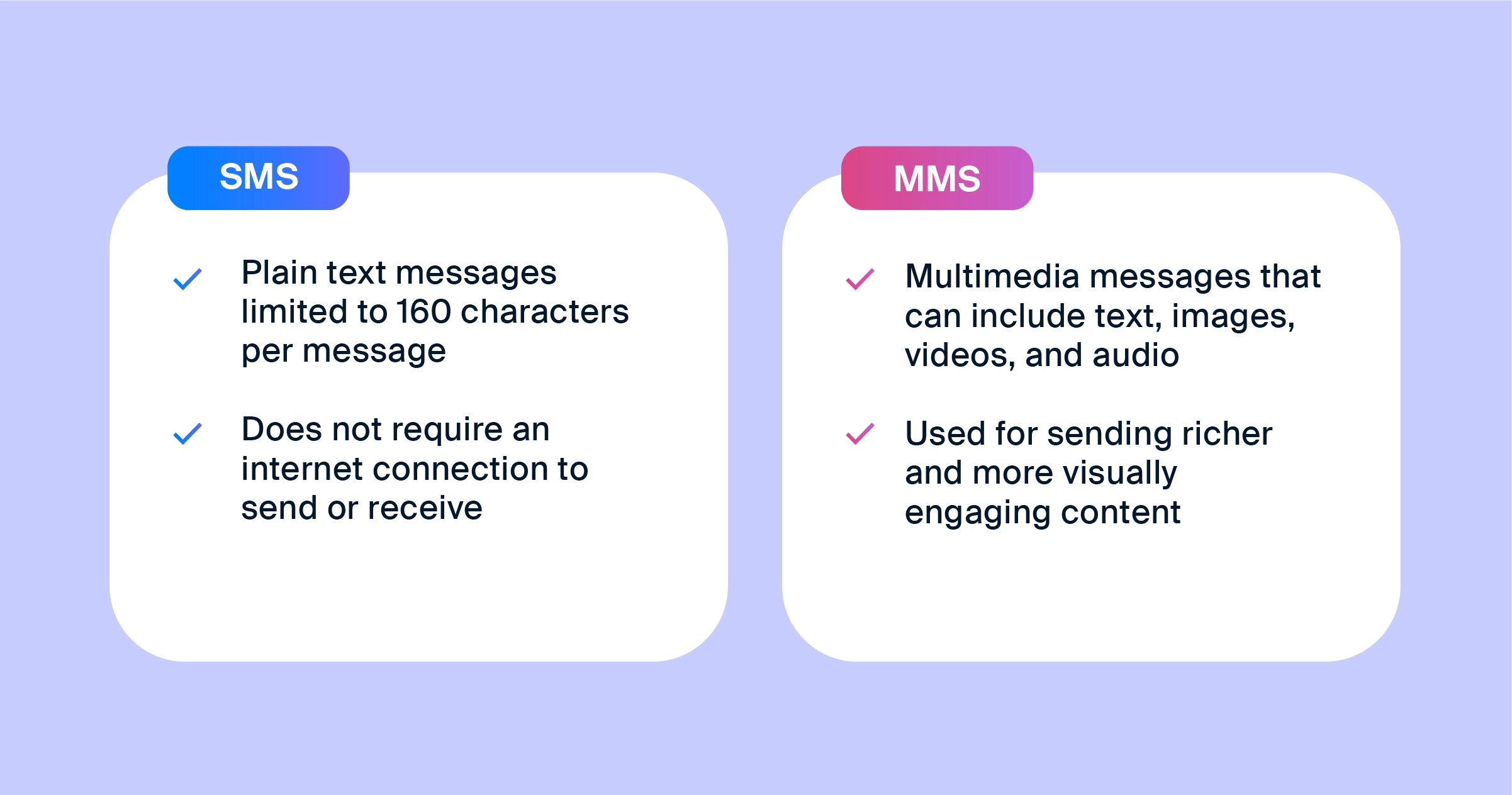
At its core, SMS is characterized by its brevity. Standard SMS messages are limited to 160 characters using the GSM 7-bit alphabet. If a message exceeds this limit, it’s typically split into multiple concatenated SMS messages, which are then reassembled by the recipient’s phone, often appearing as a single, longer message. This concatenation doesn’t mean it’s a single message technically; rather, it’s a series of messages billed individually by carriers.
The technology behind SMS is relatively simple yet incredibly robust. Unlike internet-based messaging, SMS does not require a data connection (like 3G, 4G, or Wi-Fi). Instead, it uses the control channel of the cellular network – the same network that handles voice calls. Messages are sent via a “store-and-forward” mechanism through a Short Message Service Center (SMSC). If the recipient’s phone is unavailable (e.g., turned off or out of service), the SMSC stores the message and attempts to deliver it once the phone is reachable again. This makes SMS remarkably reliable.
Advantages of SMS
SMS boasts several significant advantages that have ensured its longevity and continued relevance:
- Universal Compatibility: This is perhaps its strongest selling point. SMS works on virtually every mobile phone, from the oldest feature phones to the latest smartphones, regardless of operating system or carrier. It doesn’t require specific apps or an internet connection, making it accessible to a massive global audience.
- Simplicity and Reliability: Sending an SMS is straightforward. The messages are small, simple packets of data, making them quick to send and receive. The store-and-forward mechanism ensures high delivery rates, even if the recipient isn’t immediately available.
- Low Data Usage: Since SMS uses the cellular control channel and not an internet data connection, it consumes negligible (if any) data. This makes it a cost-effective solution in regions with expensive data plans or for users with limited data allowances.
- Security (Relative): While not encrypted end-to-end like some modern apps, SMS messages are transmitted over secure cellular networks. For basic person-to-person communication, it offers a level of privacy that has been widely accepted, though it’s important to note its limitations against sophisticated attacks.
- High Open Rates: For businesses, SMS has incredibly high open rates compared to email. People tend to check text messages almost immediately, making it an effective channel for time-sensitive information.
Limitations of SMS
Despite its strengths, SMS has inherent limitations that spurred the development of newer messaging technologies:
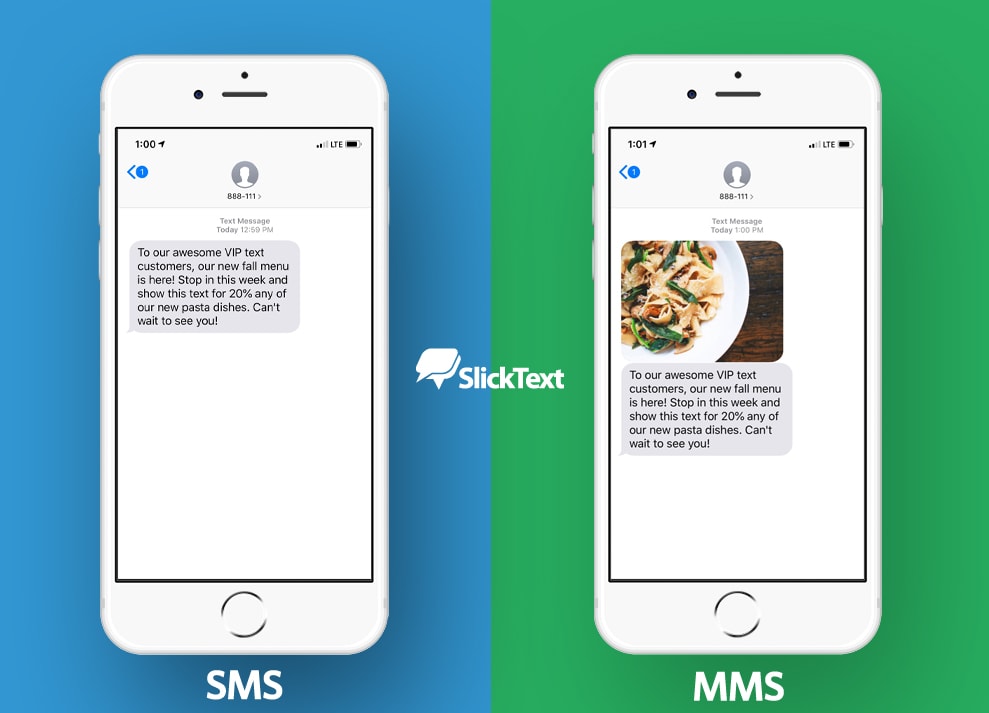
- Text-Only Communication: The most significant drawback is its inability to send anything other than plain text. There’s no support for images, videos, audio, or other rich media formats.
- Strict Character Limits: The 160-character limit, while sometimes extended via concatenation, can be restrictive for detailed messages, leading to brevity that can sometimes sacrifice clarity.
- Basic Group Messaging: While possible to send an SMS to multiple recipients, it typically functions as individual messages sent to each person rather than a true group chat where all participants see each other’s responses in a single thread.
- No Read Receipts or Advanced Features: SMS offers very basic functionality. There are no native features for read receipts, typing indicators, or sophisticated emoji support beyond simple emoticons using standard characters.
Beyond Text: MMS – Multimedia Messaging Service
As mobile phones evolved and cameras became standard features, the desire to share more than just text grew rapidly. This led to the development of MMS, an extension of SMS designed to bring rich media into mobile communication.
What is MMS?
MMS stands for Multimedia Messaging Service. It emerged in the early 2000s as the natural progression from SMS, specifically designed to overcome the limitations of sending only text. MMS allows users to send and receive multimedia content, including:
- Pictures/Images
- Video clips
- Audio clips
- Longer text messages that exceed the SMS character limit.
The technology behind MMS is more complex than SMS. While it uses some of the underlying architecture of SMS for signaling, MMS messages are typically sent over the cellular data network, often utilizing the Wireless Application Protocol (WAP) for content delivery. When you send an MMS, your phone bundles the media content and a message into a single package. This package is then sent to an MMS Centre (MMSC), which processes the message, converts it to a format compatible with the recipient’s phone, and then delivers it.
Upon receipt, the recipient’s phone (which needs to be MMS-capable and have cellular data enabled, even if not actively browsing the internet) will download the multimedia content. If data is disabled, the phone might receive a text notification with a link to view the MMS online or simply fail to download the media until data is re-enabled.
Advantages of MMS
MMS brought a new dimension to mobile communication, offering several distinct advantages over SMS:
- Rich Media Support: The primary benefit of MMS is its ability to transmit images, videos, and audio. This transformed mobile messaging from purely textual to a more visual and immersive experience, enabling users to share moments and express themselves more fully.
- Longer Message Lengths: While primarily known for media, MMS also allows for significantly longer text messages than SMS. This is because the text component is part of a larger multimedia package, effectively bypassing the 160-character constraint.
- Enhanced Communication: The ability to combine text with visual or audio elements allows for more nuanced and engaging communication, making it easier to convey emotions, demonstrate products, or share experiences.
- Visual Engagement for Brands: For businesses, MMS offers a powerful tool for visual marketing. Sending a picture of a new product, a video tutorial, or a coupon with a QR code can be far more impactful than a plain text message.
Limitations of MMS
Despite its advancements, MMS also comes with its own set of limitations, many of which have been addressed by modern messaging apps:
- Requires a Data Connection: Unlike SMS, MMS typically requires an active cellular data connection (or at least for data to be enabled) on both the sender’s and receiver’s devices for the media to be transmitted and downloaded. This can be a hurdle for users with limited data plans or in areas with poor data coverage.
- File Size Limits and Compression: Carriers impose strict file size limits on MMS messages (e.g., 300KB to 1MB). This often means that images and videos are heavily compressed, leading to a noticeable degradation in quality compared to the original file.
- Quality Degradation: Due to the necessary compression, an MMS image or video will almost always be of lower resolution and quality than the original file or what could be sent via an internet-based app.
- Can Be More Expensive: Depending on the carrier plan, MMS messages might be billed separately or consume data from your plan, which can be more costly than unlimited SMS.
- Less Universal Across Older Devices: While widely adopted, very old feature phones or those with extremely limited capabilities might not fully support MMS, leading to delivery failures or recipients receiving only a link.
Key Distinctions and Modern Alternatives
Having explored SMS and MMS individually, it’s crucial to highlight their core differences and then see how both technologies fit into today’s communication landscape, especially with the rise of Over-the-Top (OTT) messaging apps.
The Core Technical & User Experience Differences
Let’s summarize the fundamental distinctions between SMS and MMS:
- Content Type: The most obvious difference. SMS is exclusively for plain text messages. MMS supports multimedia content like images, videos, audio, and also longer text messages.
- Character Limit: SMS has a strict 160-character limit (per segment). MMS allows for much longer text messages and includes media, effectively bypassing this constraint through its larger message structure and data-centric delivery.
- Network Requirement: SMS primarily uses the cellular network’s control channels and does not require a data connection. MMS typically requires an active cellular data connection for the transmission and reception of multimedia files.
- Delivery Mechanism: SMS uses a simpler store-and-forward method directly over the cellular network. MMS involves a more complex process, often routing through an MMSC that handles media conversion and delivery over the data network.
- Cost Implications: While often bundled in unlimited plans today, traditionally SMS was billed per message. MMS, due to its data usage, could incur data charges or specific per-MMS fees, often higher than SMS.
- Quality: Text in SMS is uncompressed and crisp. Multimedia in MMS is often compressed to meet file size limits, leading to potential quality degradation.
The Rise of Over-the-Top (OTT) Messaging Apps (Bridging the Gap)
The limitations of both SMS and MMS, particularly the lack of advanced features and media quality issues, paved the way for the dominance of internet-based messaging applications. Apps like WhatsApp, Apple’s iMessage, Facebook Messenger, Telegram, and Signal have fundamentally changed how many people communicate.
These “Over-the-Top” (OTT) apps leverage your smartphone’s internet connection (Wi-Fi or cellular data) to send messages. Their key features include:
- Unlimited Media Sharing: Send high-resolution photos, long videos, and large audio files without significant compression.
- Rich Messaging Features: Group chats with hundreds of participants, read receipts, typing indicators, animated stickers, GIFs, voice and video calls, location sharing, and more.
- End-to-End Encryption: Many modern OTT apps offer strong end-to-end encryption, ensuring that only the sender and recipient can read the messages, providing a higher level of privacy and security than SMS/MMS.
- Cost-Effectiveness: Messages sent via these apps typically only consume a small amount of data from your plan, often making them “free” compared to per-message SMS/MMS charges.
While OTT apps have significantly reduced reliance on SMS and MMS for personal communication, they haven’t entirely replaced them. SMS and MMS remain vital as a universal fallback, especially when internet access is unavailable or for communicating with individuals who don’t use specific apps. Furthermore, the business world still heavily depends on the broad reach and reliability of traditional messaging.
It’s also worth briefly mentioning RCS (Rich Communication Services). This is a newer standard being pushed by carriers and Google, designed to be the modern successor to SMS/MMS. RCS aims to bring many of the rich features of OTT apps (read receipts, typing indicators, high-res media) directly into the native messaging app, while still operating over the cellular network with a data connection. However, its widespread adoption and consistent feature set across all carriers and devices are still evolving.
SMS & MMS in the Digital Age: Brand, Business, and Security Implications
Despite the prevalence of advanced messaging applications, SMS and MMS continue to hold significant strategic importance, particularly when viewed through the lens of technology, brand, and money – the core topics of our website. Their universal reach and direct-to-device nature make them invaluable tools for businesses and raise specific considerations for digital security.
Business and Brand Applications (Leveraging Tech for Growth)
For businesses and brands, SMS and MMS are far from obsolete; they are essential components of a robust communication strategy. Their enduring relevance stems from their ability to reach virtually any mobile phone user instantly, without requiring app downloads or internet connectivity.
-
SMS for Marketing & Alerts:
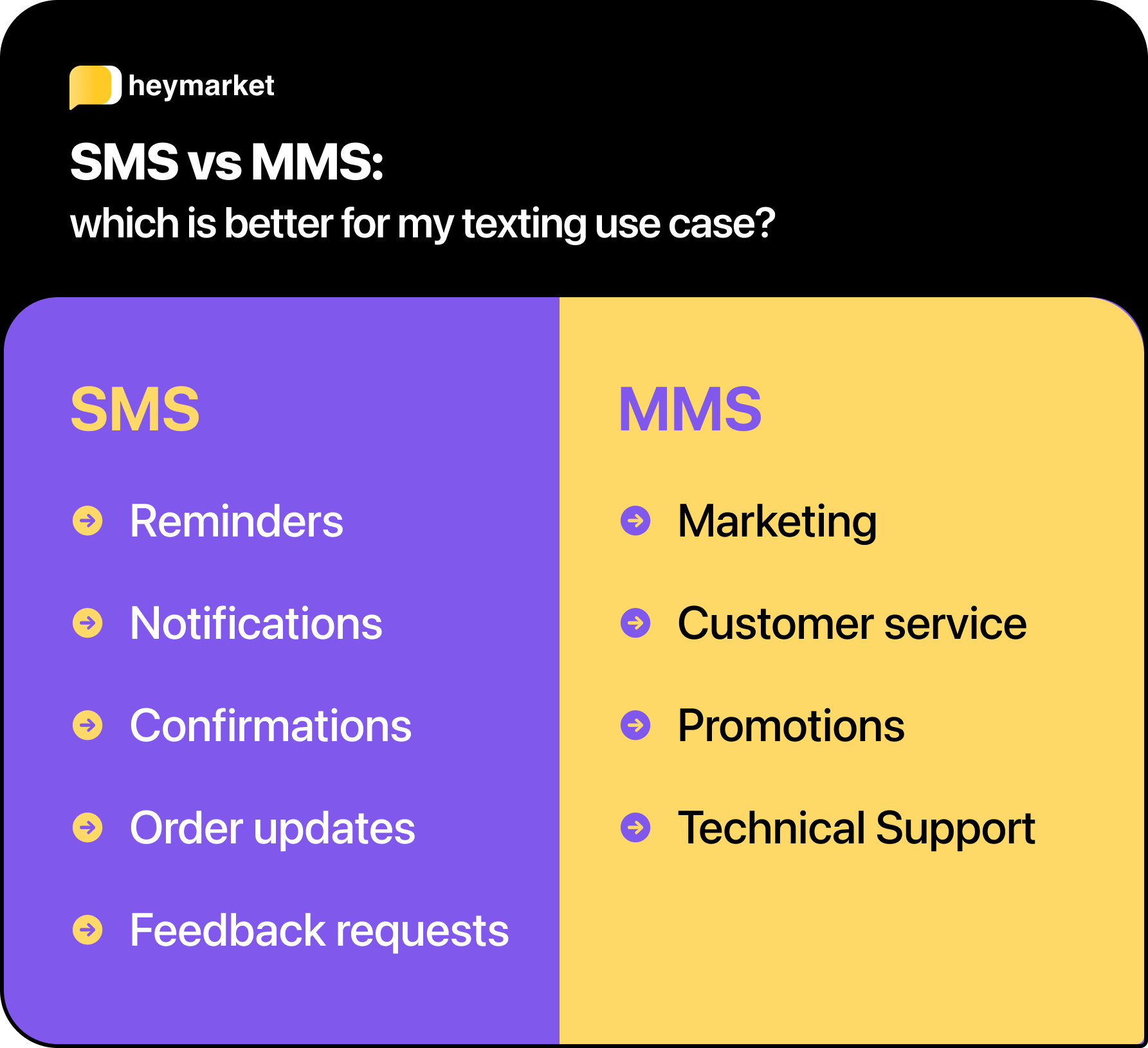
- Two-Factor Authentication (2FA): SMS remains a common and reliable method for sending one-time passcodes (OTPs) for account verification, adding a layer of security to online services.
- Appointment Reminders: Dentists, doctors, salons, and other service providers use SMS to send timely reminders, significantly reducing no-shows and improving productivity.
- Promotional Offers and Discounts: Businesses leverage SMS for flash sales, exclusive discounts, and loyalty programs, capitalizing on SMS’s high open rates (often above 90%).
- Urgent Notifications: Airlines, banks, and emergency services use SMS for critical alerts regarding flight delays, fraudulent activity, or safety warnings, as it’s the most reliable way to reach a broad audience quickly.
- Customer Support: SMS can be integrated into customer support workflows for quick answers to FAQs, delivery updates, or for initiating chat-based support.
-
MMS for Richer Engagement:
- Product Showcases: Brands can send images or short videos of new products, enhancing visual appeal and driving engagement beyond what plain text can achieve.
- Visual Promotions & Coupons: Sending a visually appealing coupon with a scannable QR code directly to a customer’s phone can significantly boost redemption rates.
- Enhanced Customer Service with Visual Aids: For certain issues, a customer might send a photo of a broken product, or a support agent might send an illustrative diagram via MMS, making problem-solving more efficient.
- Event Marketing: Sending visual invitations, maps, or highlights of an upcoming event can generate more excitement and attendance.
The enduring power of SMS and MMS for businesses lies in their unparalleled reach and immediacy. While OTT apps offer rich features, they splinter audiences across different platforms. SMS/MMS provides a unified channel to reach almost everyone with a mobile phone, making it a critical tool for mass communication, customer retention, and driving sales. Businesses often pay for bulk SMS/MMS services, highlighting the monetary value and ROI these basic technologies still deliver.
Security and Privacy Considerations (Digital Security Aspect)
While convenient and widely adopted, SMS and MMS also present unique security and privacy challenges that users and businesses must be aware of, especially when compared to the advanced encryption offered by some modern messaging apps.
- Lack of End-to-End Encryption: A critical distinction is that SMS and MMS messages are typically not encrypted end-to-end. This means that, in theory, network operators or those with access to network infrastructure could intercept and read these messages. While this doesn’t mean your everyday texts are constantly being monitored, it’s a significant consideration for sensitive communications.
- Potential for Spoofing: SMS messages can be “spoofed,” meaning a sender can disguise their true origin number to appear as someone else. This is a common tactic in phishing and scam attempts, where malicious actors pretend to be banks, government agencies, or well-known brands to trick recipients into revealing personal information.
- SIM Swapping Attacks: SMS-based two-factor authentication (2FA), while better than no 2FA, is vulnerable to SIM swapping. In a SIM swap attack, fraudsters trick a mobile carrier into porting your phone number to a SIM card they control. Once they have your number, they can receive your 2FA codes, allowing them to bypass security on your online accounts.
- Data Handling: With SMS/MMS, messages are handled by cellular carriers. With OTT apps, messages are handled by the app provider (e.g., WhatsApp, Telegram). This difference in data custody and privacy policies is a crucial consideration for users and businesses when choosing communication methods.
Best Practices for Users: To mitigate security risks, users should always be cautious of unsolicited links in SMS/MMS messages, verify the sender’s identity for critical requests, and consider using more robust 2FA methods (like authenticator apps or hardware keys) where available, especially for high-value accounts. For businesses, implementing secure practices for managing customer data and educating users about potential SMS/MMS scams is paramount.
Conclusion
In the dynamic world of digital communication, SMS and MMS stand as foundational pillars, representing different eras of mobile messaging capabilities. SMS, the venerable text-only service, excels in its universal compatibility, simplicity, and unwavering reliability, making it indispensable for critical alerts and broad-reach business communications. MMS, its multimedia-capable successor, expanded these horizons by allowing the sharing of images, videos, and longer texts, enriching personal exchanges and offering powerful visual tools for brands.
While the advent of internet-based messaging apps has reshaped personal communication with their rich features, end-to-end encryption, and cost-effectiveness, they have not rendered SMS and MMS obsolete. Instead, these traditional services continue to thrive in specific niches, particularly in business-to-consumer interactions where their universal reach and direct delivery remain unmatched. From two-factor authentication to targeted marketing campaigns, SMS and MMS continue to drive productivity and engagement across various sectors.
Understanding the distinctions between SMS and MMS—their technical underpinnings, their strengths, and their limitations—is crucial for anyone navigating the digital landscape. It empowers users to make informed choices about their communication tools and enables businesses to craft effective, far-reaching strategies. As technology continues to evolve, these foundational messaging services, perhaps alongside successors like RCS, will undoubtedly adapt and continue to play a vital role in our connected world.
aViewFromTheCave is a participant in the Amazon Services LLC Associates Program, an affiliate advertising program designed to provide a means for sites to earn advertising fees by advertising and linking to Amazon.com. Amazon, the Amazon logo, AmazonSupply, and the AmazonSupply logo are trademarks of Amazon.com, Inc. or its affiliates. As an Amazon Associate we earn affiliate commissions from qualifying purchases.