
In the bustling aisles of modern grocery stores, where choices abound and consumer decisions are increasingly influenced by everything from health trends to innovative packaging, two dairy staples often stand side-by-side: regular milk and evaporated milk. While both originate from the same wholesome source, their differences extend far beyond a simple label, touching upon distinct processing methods, culinary applications, and even their roles in the broader economic and technological landscape of the food industry. Understanding these distinctions isn’t just a matter of culinary curiosity; it’s a window into the ingenious ways technology has transformed food preservation, how brands strategically position their products, and the financial implications for both producers and consumers.
This article delves into the fundamental disparities between evaporated milk and regular milk, exploring their journey from the farm to your pantry. We’ll uncover the technological innovations that define each product, examine the branding strategies that shape their market presence, and discuss the financial considerations that guide their purchase and use. By the end, you’ll not only know which milk to reach for in specific situations but also appreciate the intricate ecosystem of tech, brand, and money that underpins these everyday essentials.
The Fundamental Disparity: Processing and Composition
At the heart of the difference between evaporated milk and regular milk lies their processing. While regular milk aims to deliver a product as close to its natural state as possible, evaporated milk is a testament to human ingenuity in food preservation and concentration.
Regular Milk: The Unadulterated Source (Mostly)
Regular milk, often referred to simply as fresh milk, is the unadulterated fluid secreted by mammals, most commonly cows, goats, or sheep, and intended for immediate consumption or with minimal processing. Its journey from the dairy farm involves several crucial steps that are themselves significant technological advancements aimed at ensuring safety and consistency without drastically altering its core composition.
Upon collection, raw milk undergoes pasteurization, a process developed by Louis Pasteur in the mid-19th century. This involves heating the milk to a specific temperature for a set period (e.g., 161°F for 15 seconds) to kill harmful bacteria and extend its shelf life. Pasteurization is a foundational technology in food safety, dramatically reducing the incidence of foodborne illnesses associated with dairy. Modern pasteurization systems are highly automated, employing sophisticated temperature control and monitoring software to ensure precision and compliance with health regulations, linking directly to our discussion of Tech.
Following pasteurization, milk is typically homogenized. This mechanical process breaks down the fat globules in the milk into much smaller, uniformly sized particles, preventing them from separating and rising to the top as a cream layer. Homogenization creates the smooth, consistent texture that consumers expect from fresh milk. The milk is then cooled and packaged into cartons or bottles, using advanced filling and sealing technologies that maintain sterility and extend freshness.
Compositionally, regular milk is primarily water (around 87%), with the remaining 13% consisting of lactose (milk sugar), proteins (casein and whey), fats (varying based on skim, low-fat, or whole milk), vitamins (especially D and B12), and minerals (notably calcium). Its light texture and mild flavor make it ideal for drinking, pouring over cereal, and use in recipes where its liquid volume and subtle dairy notes are desired, without adding excessive richness or thickness.
Evaporated Milk: A Concentrated Marvel of Technology
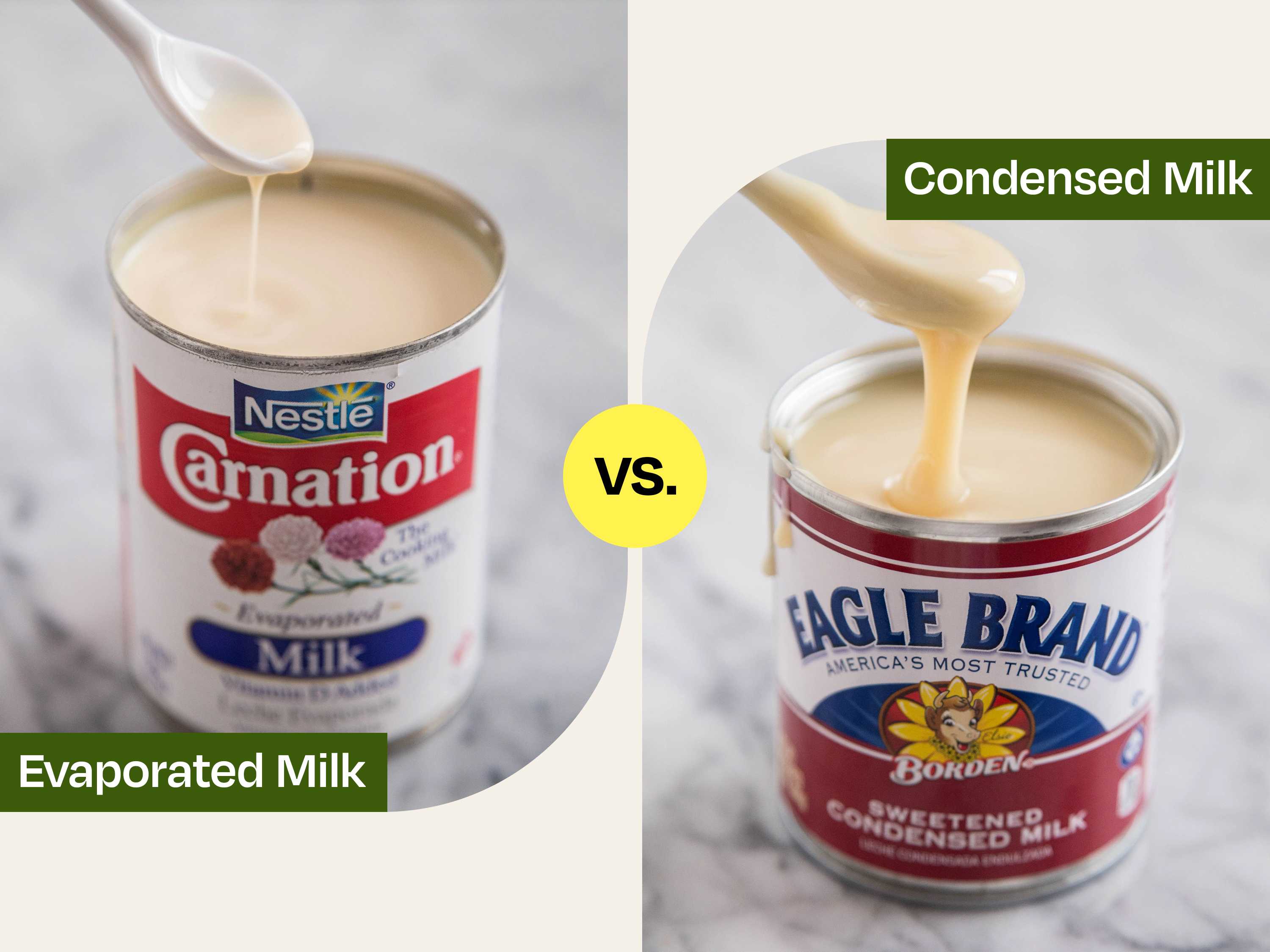
Evaporated milk, in stark contrast, is a concentrated form of regular milk, designed for extended shelf life and enhanced richness. Its creation is a brilliant example of food science and preservation technology. The process begins with fresh milk, which is first heated to stabilize it and then subjected to a vacuum evaporation process. This removes approximately 60% of the water content. The reduction in water not only concentrates the milk solids but also inhibits microbial growth, contributing significantly to its long shelf life.
The Tech behind evaporation is fascinating. Early methods were rudimentary, but modern evaporators are highly efficient, multi-stage systems that utilize principles of vacuum and heat exchange to gently remove water while minimizing damage to the milk’s nutrients and flavor. This sophisticated engineering requires precise control systems and sensors, often managed by specialized software, to monitor temperature, pressure, and flow rates. The goal is to produce a consistent, high-quality concentrated milk product every time.
After evaporation, the concentrated milk is typically homogenized again to ensure a smooth, uniform texture, preventing fat separation. It is then fortified with Vitamin D, a common practice to enhance its nutritional profile, particularly important given its historical use as a shelf-stable dairy alternative in areas with limited access to fresh milk. Finally, the evaporated milk is sealed into sterile cans and then subjected to an intense in-can sterilization process (retort processing) under high heat and pressure. This final sterilization step destroys any remaining microorganisms and enzymes, giving evaporated milk its characteristic extended shelf life – often several years – without refrigeration until opened.
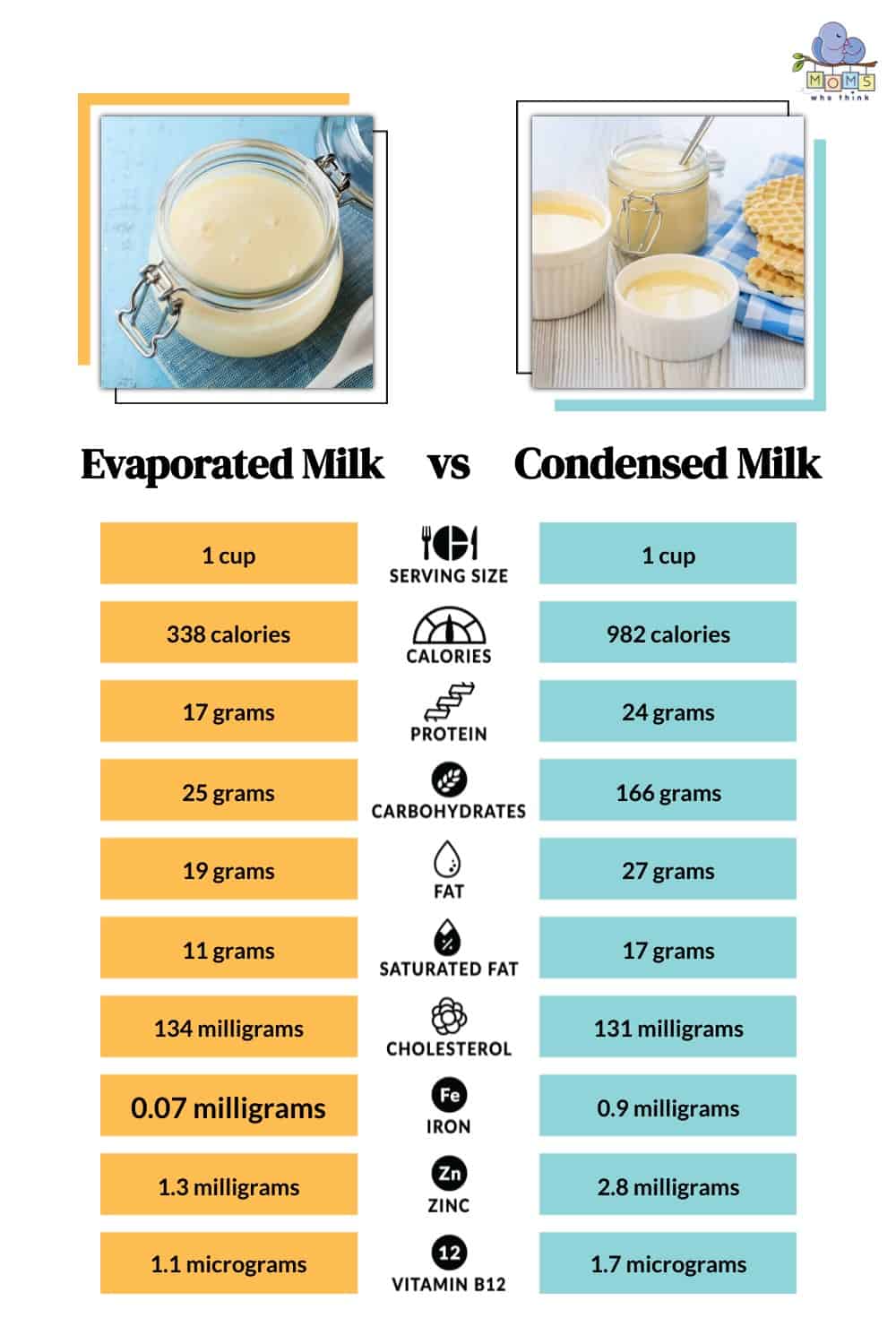
This rigorous technological process gives evaporated milk its distinctive properties: a thicker, creamier consistency, a slightly darker color due to caramelization of sugars during heating, and a faintly toasted or caramelized flavor. Its concentrated nature means it is richer in calories, fat, protein, and minerals per unit volume compared to regular milk. This makes it an incredibly versatile ingredient, prized for its ability to add richness and body to a wide array of dishes.
Culinary Applications and Nutritional Profiles
The differing compositions and processing methods dictate distinct culinary roles and nutritional implications for evaporated milk and regular milk. Choosing the right one can significantly impact the outcome of a dish, while understanding their nutritional nuances empowers informed dietary decisions.
Kitchen Versatility: Choosing the Right Milk for the Job
In the culinary world, regular milk and evaporated milk are rarely interchangeable without noticeable consequences. Each has its strengths and preferred applications.
Regular milk is the go-to for everyday consumption. Its light texture and neutral flavor make it perfect for drinking straight, pouring over cereal, or mixing into coffee and tea when a subtle dairy note is desired. In baking, regular milk provides liquid and tenderness to cakes, breads, and pastries, contributing to their moisture content without adding excessive richness. For savory dishes, it forms the base of delicate béchamel sauces, creamy soups that aren’t overly thick, and mashed potatoes where a fluffy texture is preferred. Its role is often to hydrate, tenderize, and add a gentle dairy background.
Evaporated milk, on the other hand, excels where richness, body, and a slightly caramelized flavor are desired. Its concentrated nature means it adds significant creaminess without the high-fat content of heavy cream, making it a clever substitute in many recipes. It’s a star in custards, puddings, flans, and pies (like pumpkin pie), providing a silky texture and contributing to a deeper, more complex flavor profile. In savory cooking, evaporated milk is invaluable for thickening creamy sauces, enriching soups and stews, and creating incredibly smooth mashed potatoes or gratins. Its ability to withstand high heat without curdling, thanks to its sterilization, makes it particularly stable in cooking applications. Many recipes originating from eras when refrigeration was less common, or in cuisines developed with shelf-stable ingredients, prominently feature evaporated milk. For Brand strategy, companies often promote recipes specifically tailored to evaporated milk, showcasing its unique utility and cultivating a loyal following among home cooks and professional chefs. This also contributes to the “personal branding” of savvy cooks who know how to leverage its unique properties.
While evaporated milk can be diluted with water to approximate the consistency of regular milk (typically 1:1 ratio), it will still retain its unique, slightly caramelized flavor and a richer mouthfeel due to its concentrated milk solids. It’s a distinct ingredient with its own culinary personality, not merely a shelf-stable stand-in.
Nutritional Nuances: What You Get in Every Sip (or Spoonful)
From a nutritional standpoint, the differences are primarily a matter of concentration.
A serving of regular milk (e.g., 1 cup of whole milk) provides a balanced profile of calories, protein, fats, carbohydrates (lactose), and a good dose of calcium and Vitamin D (if fortified). It’s a foundational beverage for bone health and general nutrition.
Evaporated milk, when consumed undiluted, is significantly more nutrient-dense per volume. A serving would contain more calories, protein, and fat than an equivalent volume of regular milk, simply because much of the water has been removed. It also packs a more potent punch of calcium, phosphorus, and other minerals. However, when diluted to approximate regular milk (e.g., 1 part evaporated milk to 1 part water), its nutritional profile becomes comparable to regular milk, albeit with the potential for slightly higher sugar content due to the caramelization process. Most evaporated milks are fortified with Vitamin D, similar to regular milk, to aid in calcium absorption.

For individuals managing specific dietary needs, these differences matter. For instance, those looking to reduce calorie intake might opt for skim regular milk, while someone needing an extra boost of protein and minerals might appreciate the concentrated power of evaporated milk in a smoothie or a rich sauce. While neither is lactose-free (the heat treatment in evaporated milk can break down some lactose, but it’s not a truly lactose-free product), innovations in dairy Tech have led to lactose-free versions of both, catering to a broader consumer base and reflecting the industry’s responsiveness to health trends and dietary restrictions. From a Money perspective, understanding the nutritional value per dollar can influence purchasing decisions, especially for budget-conscious families seeking nutrient-dense options.
The Economic and Brand Landscape of Dairy
Beyond their physical and culinary attributes, regular milk and evaporated milk occupy distinct niches within the dairy industry, shaped by economic realities and targeted branding strategies.
Money Matters: Cost-Effectiveness and Market Dynamics
The dairy market is a massive global enterprise, and the pricing of regular and evaporated milk is influenced by various factors, from farm-gate milk prices to processing costs, packaging, and distribution.
Regular milk is generally perceived as a commodity. Its price is highly sensitive to supply and demand fluctuations, feed costs for cows, and energy prices for refrigeration and transport. For consumers, regular milk is typically sold at a lower price per volume than evaporated milk. However, its perishable nature means it has a shorter shelf life, requiring frequent purchases and potentially leading to waste if not consumed promptly. From a Personal Finance perspective, buying regular milk is a recurring budget item, and smart shoppers might track sales or buy in larger volumes only if consumption is guaranteed.
Evaporated milk, while seemingly more expensive per can than a carton of regular milk, offers different financial value. Its concentrated form means a small can can go a long way in enriching multiple dishes. More significantly, its extended shelf life means it can be bought in bulk when on sale, stored for long periods without refrigeration, and used only as needed, significantly reducing food waste. This aspect of longevity and convenience can translate into long-term savings for a household, making it a financially savvy choice for pantry stocking, especially in situations where fresh dairy access is limited or unreliable. The Money aspect here is less about upfront cost and more about cost-effectiveness over time and reduced waste.
For the dairy industry, evaporated milk represents a crucial segment, offering diversification beyond fresh milk. It allows for processing of surplus milk, stabilizes revenues, and opens up export markets due to its non-perishable nature. Investing in dairy companies might involve looking at their product diversification, including their evaporated milk lines, as a hedge against volatility in the fresh milk market. Furthermore, the specialized Tech required for its production (evaporators, sterilizers) represents significant capital investment, impacting pricing and market entry barriers.
Branding Beyond the Carton: Cultivating Consumer Trust
Brand plays a pivotal role in differentiating these two milk types, influencing consumer perception, trust, and loyalty.
Regular milk branding often focuses on freshness, purity, and local sourcing. Marketing campaigns emphasize wholesome goodness, family values, and the natural origins of the product. Packaging designs typically feature pastoral scenes, clear glass bottles (for premium options), or simple, clean graphics. Brands like “Horizon Organic” or regional dairies build their identity around organic practices, specific farm origins, or animal welfare, creating a strong emotional connection with health-conscious consumers. The challenge for regular milk brands is to stand out in a highly commoditized market, often relying on quality certifications, local pride, or unique processing claims (e.g., grass-fed, lactose-free Tech).
Evaporated milk branding, while also emphasizing quality, often leans into themes of culinary heritage, convenience, and versatility. Brands like Carnation, which has been a staple in kitchens for over a century, leverage their legacy and association with classic recipes. Their branding might highlight ease of use for baking, the ability to create rich, creamy dishes, or its reliability as a pantry staple. The iconic can itself is a strong brand identifier. Marketing might feature comfort food recipes, ethnic cuisines where evaporated milk is a key ingredient (e.g., many Latin American or Southeast Asian desserts), or highlight its shelf-stable advantage for emergency preparedness. Here, Brand Strategy is about positioning the product as an indispensable culinary tool, a secret ingredient that elevates everyday cooking.
Reputation management is critical for both. As consumers become more discerning about food origins, processing, and environmental impact, brands must be transparent. Technology, specifically digital platforms and supply chain tracking software, can help brands communicate their values and sourcing practices, building Brand trust. For instance, using blockchain to trace milk from farm to can could enhance transparency, meeting consumer demands for detailed product information. This also creates opportunities for “personal branding” for food bloggers or influencers who meticulously research and review dairy products, guiding their audience toward reputable and high-quality options.
The Future of Dairy: Where Tech, Taste, and Transparency Converge
The dairy industry, like many traditional sectors, is undergoing a profound transformation driven by rapid advancements in technology, evolving consumer preferences, and increasing demands for transparency and sustainability. Both regular and evaporated milk are at the forefront of this evolution.
Technological Advancements Driving Innovation
The future of dairy production for both regular and evaporated milk is deeply intertwined with Tech innovations.
AI and Data Analytics are revolutionizing farm management, optimizing feed, monitoring animal health, and predicting milk yields. This directly impacts the quality and consistency of raw milk entering the processing plants. In the processing itself, AI tools can analyze real-time data from sensors in evaporators and pasteurizers to optimize energy consumption, reduce waste, and ensure product quality with unprecedented precision. This contributes to better products and significant Money savings for producers through increased efficiency and reduced errors.
Advanced Packaging Technologies are extending the shelf life of regular milk and enhancing the safety and sustainability of evaporated milk. This includes smart packaging with freshness indicators, biodegradable materials, and lighter, more durable cartons and cans that reduce carbon footprint during transport and storage. Digital Security is also becoming crucial in protecting proprietary processing methods and consumer data collected through loyalty programs or smart labels.
Biotechnology and Food Science are exploring novel ways to enhance milk’s nutritional profile, develop plant-based alternatives that mimic dairy more closely, and even create lab-grown milk components. These innovations might one day lead to “hyper-evaporated” milks with even greater concentration or products with tailored nutrient profiles, presenting new challenges and opportunities for Brand differentiation and market strategy.
Supply Chain Digitalization using IoT sensors and blockchain technology ensures traceability from farm to table. For consumers, this means being able to scan a QR code on a milk carton or can and learn about its origin, processing dates, and even the conditions under which the animals were raised. This level of Transparency is increasingly valued by consumers and strengthens Brand reputation.
Smart Choices: Leveraging Knowledge for Personal Finance and Branding
For the savvy consumer, understanding the differences between these milk types, coupled with an awareness of broader Tech, Brand, and Money trends, empowers smarter decision-making.
From a Personal Finance standpoint, knowing when to buy fresh vs. shelf-stable, and considering the concentrated value of evaporated milk, allows for more efficient grocery budgeting and reduced food waste. Leveraging Apps for grocery list management or price comparison can further optimize spending.
For individuals or small businesses engaged in Online Income or Side Hustles, particularly in the culinary or content creation space, deep knowledge of ingredients like evaporated milk vs. regular milk is a valuable asset. Food bloggers, recipe developers, or specialty food producers who can articulate the nuances and demonstrate creative uses of these milks enhance their Personal Branding as experts. Tutorials on “how to use evaporated milk in a healthy way” or “the best regular milk for latte art” are examples of valuable content that can generate engagement and revenue.
Productivity in the kitchen is also enhanced. Knowing precisely which milk type will yield the desired texture and flavor saves time and prevents culinary mishaps. This knowledge, informed by the advancements in food science and consumer insights, contributes to a more efficient and enjoyable cooking experience.
In conclusion, the humble carton of regular milk and the versatile can of evaporated milk, though seemingly simple, embody a rich tapestry of human innovation. Their distinctions are not just about water content; they reflect centuries of technological advancement in food preservation, sophisticated branding efforts to capture consumer loyalty, and a complex economic interplay that dictates their market value. As we look to the future, the dairy landscape will continue to evolve, driven by cutting-edge technology, dynamic branding, and a relentless pursuit of both deliciousness and efficiency, inviting us all to be more informed and conscious consumers.
aViewFromTheCave is a participant in the Amazon Services LLC Associates Program, an affiliate advertising program designed to provide a means for sites to earn advertising fees by advertising and linking to Amazon.com. Amazon, the Amazon logo, AmazonSupply, and the AmazonSupply logo are trademarks of Amazon.com, Inc. or its affiliates. As an Amazon Associate we earn affiliate commissions from qualifying purchases.