
In a world brimming with choices, even the most fundamental elements of life, like water, have become subjects of extensive debate and consumer deliberation. Gone are the days when water was simply… water. Today, walking down the beverage aisle, we’re faced with an array of options: spring water, purified water, alkaline water, electrolyte-enhanced water, artesian water, mineral water – each promising superior hydration, unique benefits, or a taste profile that sets it apart. The quest for the “best” bottled water isn’t just about quenching thirst; it’s an intricate dance involving science, marketing prowess, personal finance, and increasingly, an awareness of technology and sustainability.
For those navigating the complexities of modern consumerism, especially readers interested in tech innovations, brand strategies, and smart financial decisions, the question “What’s the best bottled water to drink?” opens up a fascinating exploration. It’s not a simple answer, but rather a journey through the filtration technologies that promise purity, the branding narratives that shape our perceptions, the financial implications of our hydration habits, and the ethical considerations that come with every purchase. This article delves deep into these facets, empowering you to make an informed, personalized choice that aligns with your health goals, financial prudence, and perhaps, your conscience.
Beyond the Label: Decoding Water Quality and Technology
At the heart of every bottled water claim is its quality, often underpinned by sophisticated technological processes. Understanding these processes is crucial to discerning what truly sets one brand apart from another, beyond mere packaging and marketing rhetoric.
Understanding Filtration Methods: From Reverse Osmosis to UV Purification
The journey of water from its source to your bottle often involves rigorous filtration and purification. Different methods yield different results and target specific impurities:
- Reverse Osmosis (RO): This advanced filtration method pushes water through a semi-permeable membrane, effectively removing dissolved solids, salts, minerals, bacteria, and viruses. While it produces exceptionally pure water, it also strips away beneficial minerals, leading some brands to reintroduce electrolytes post-filtration. RO systems are a marvel of material science and fluid dynamics, ensuring a high level of contaminant removal.
- Distillation: Similar to how nature purifies water through evaporation and condensation, distillation involves heating water to its boiling point, collecting the steam, and then condensing it back into liquid. This process eliminates almost all contaminants, including minerals, making the water incredibly pure but also flat-tasting. The energy efficiency of commercial distillation plants is an ongoing area of technological improvement.
- UV Purification: Ultraviolet (UV) light is a powerful disinfectant, effectively neutralizing bacteria, viruses, and other microorganisms by disrupting their DNA. Often used as a secondary treatment after other filtration methods, UV purification is a chemical-free way to ensure microbiological safety without altering the water’s taste or mineral content. Its application in smaller, point-of-use systems also reflects its growing accessibility as a personal hydration tech tool.
- Carbon Filtration: While not typically the sole method for bottled water, activated carbon filters are excellent at removing chlorine, sediment, volatile organic compounds (VOCs), and other impurities that affect taste and odor. They often serve as a preliminary stage in multi-stage filtration systems, demonstrating a foundational tech in water treatment.
pH, Minerals, and Electrolytes: What Do They Mean for You?
Beyond purity, the composition of water plays a significant role in its perceived benefits and taste.
- pH Level: Water’s pH indicates its acidity or alkalinity, with 7 being neutral. While tap water is typically around 7, some bottled waters are marketed as “alkaline,” with pH levels ranging from 8 to 9.5. Proponents suggest alkaline water can neutralize acid in the body, though scientific evidence for widespread health benefits is still evolving. The precision required to consistently bottle water at a specific pH level relies on sophisticated monitoring and adjustment technologies.
- Minerals: Natural spring and mineral waters derive their unique profiles from the geological formations they flow through, picking up beneficial minerals like calcium, magnesium, and potassium. These minerals contribute to water’s taste and can offer minor dietary benefits. The concentration and balance of these minerals are critical to brand identity, often analyzed with advanced spectrometric technologies.
- Electrolytes: These are minerals with an electric charge, vital for bodily functions like nerve impulses, muscle contraction, and maintaining hydration. Many purified bottled waters reintroduce electrolytes (e.g., potassium, magnesium, sodium) to enhance taste and replenish what was lost during intense exercise or illness, making them a popular choice for athletes. The precise formulation and consistent dosing of these electrolyte blends showcase sophisticated food science and automation in bottling plants.
The Role of AI and Data in Water Analysis
The future of understanding and choosing bottled water increasingly involves technology. AI tools and data analytics are beginning to revolutionize how water sources are monitored, quality is controlled, and even how consumers might receive personalized hydration recommendations. From predictive maintenance in bottling facilities to real-time water quality monitoring sensors deployed at sources, AI algorithms can process vast amounts of data to ensure consistency and identify potential issues before they arise. This digital security for supply chains extends to tracking water’s journey and verifying its claims, enhancing transparency and trust.
The Branding Game: Perception, Purity, and Premiumization
In the crowded bottled water market, the product itself is often indistinguishable from its competitors on a purely functional level. This is where brand strategy, marketing, and design come into play, transforming a basic commodity into a lifestyle choice, a status symbol, or an embodiment of health and purity.
Crafting a Hydration Identity: Brand Strategy in Bottled Water
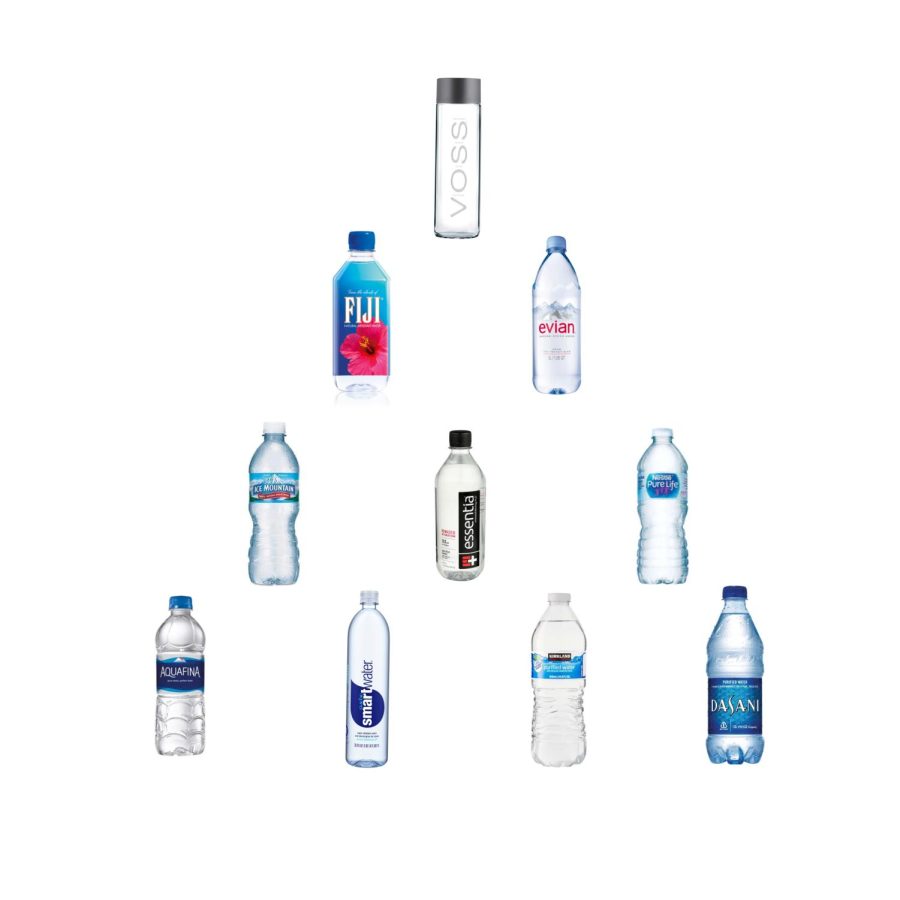
Successful bottled water brands don’t just sell water; they sell an experience, a philosophy, or a promise. This is the essence of their brand strategy. Companies like Fiji leverage their exotic origins, evoking images of untouched volcanic aquifers and pristine environments. Evian emphasizes its natural filtration journey through the French Alps, positioning itself as a source of youthful vitality. Smartwater, on the other hand, highlights its “vapor distillation” process and added electrolytes, appealing to a tech-savvy, health-conscious demographic seeking scientific backing for their hydration. These brands invest heavily in defining their unique selling propositions (USPs) and communicating them effectively, cultivating a distinct corporate identity that resonates with specific consumer segments.
Marketing Narratives: From Mountain Springs to Smart Water
The narrative woven by marketing is powerful. Advertisements for bottled water often feature serene natural landscapes, athletes pushing their limits, or individuals enjoying moments of pure refreshment. These visuals and accompanying slogans are carefully crafted to create an emotional connection, associating the brand with purity, health, performance, or luxury. Design plays a critical role here, too. The shape of a bottle, the typography on the label, and the overall aesthetic contribute significantly to brand perception. A sleek, minimalist design might appeal to those seeking sophisticated simplicity, while a rugged, functional bottle might target outdoor enthusiasts. Each design choice is a strategic decision aimed at communicating the brand’s core values and attracting its target audience. The shift towards sustainable packaging also provides new design challenges and marketing opportunities, allowing brands to tell stories of environmental responsibility.
Reputation and Trust: The Corporate Identity of Water Brands
In an industry where the product is so fundamental, reputation is paramount. A brand’s corporate identity is built not only on its marketing campaigns but also on its ethical practices, transparency, and consistency in quality. Consumer trust can be easily eroded by reports of contamination, deceptive labeling, or unsustainable sourcing practices. Brands that invest in robust quality control, engage in responsible environmental stewardship, and communicate openly with their consumers build a strong, resilient reputation. This commitment to integrity forms the bedrock of long-term brand loyalty and allows companies to command premium prices. Case studies often highlight how a company’s handling of controversies, or its proactive stance on issues like plastic waste, can significantly impact its market standing and consumer perception.
The Cost of Convenience: Navigating the Financial Waters
While bottled water offers unparalleled convenience, this convenience comes at a financial and sometimes environmental cost. For the financially savvy consumer, understanding the economics behind bottled water is crucial for making smart purchasing decisions.
Price Point vs. Perceived Value: Is Expensive Water Better?
The price range for bottled water is vast, from budget-friendly store brands to ultra-premium imported varieties costing several dollars per liter. This wide disparity often leads to the question: is more expensive water genuinely “better”? While some premium brands may boast unique mineral compositions or a more refined taste, often validated by advanced filtration tech, a significant portion of the higher price point is attributable to branding, marketing, and logistical costs. Consumers often perceive higher-priced goods as superior, a psychological phenomenon that bottled water brands skillfully leverage. The perceived value, therefore, often extends beyond the tangible quality of the water itself to encompass the brand’s story, exclusivity, and the lifestyle it represents. For the average consumer, investing in mid-range options often provides a good balance between quality and cost, while discerning what true “value” means to them is key.
Investing in Your Hydration: Long-term Health vs. Daily Spend
From a personal finance perspective, consistently purchasing bottled water can add up significantly over time. While the daily cost might seem negligible, annual expenses can easily run into hundreds of dollars, especially for a family. This leads to an important financial consideration: is this an investment in your long-term health, or an unnecessary expenditure? For individuals in areas with unreliable tap water quality, bottled water might indeed be a health investment. However, for many, the cost could be significantly reduced by investing in a high-quality home water filtration system – a one-time gadget purchase with lower recurring costs. This allows for a balance between optimal hydration and financial prudence, turning a recurring expense into a more manageable, long-term investment.
The Economics of Bottled Water: A Business Perspective
From a business finance perspective, the bottled water industry is a multi-billion-dollar global market, driven by factors like urbanization, health consciousness, and effective supply chain management. Companies generate substantial revenue not just from the product itself, but also from the logistics of sourcing, bottling, distribution, and marketing. Understanding the operational costs, pricing strategies, and profit margins of these companies can shed light on why certain brands are priced the way they are. The industry also sees innovation in packaging materials (lighter plastics, plant-based bottles) and production efficiencies, all aimed at optimizing business finance and increasing profitability. For those interested in online income or side hustles, this market also presents opportunities in affiliate marketing for water filters, review sites for various brands, or even niche e-commerce ventures focused on hydration products.
Smart Choices for a Sustainable Future: Tech, Ethics, and Your Impact
The environmental footprint of bottled water has become an increasingly pressing concern. As consumers become more aware of climate change and plastic pollution, the “best” bottled water also needs to consider its impact on the planet.
Eco-Friendly Packaging and Supply Chain Innovations
The primary environmental concern associated with bottled water is plastic waste. Billions of plastic bottles end up in landfills or pollute oceans annually, taking hundreds of years to decompose. In response, the industry is seeing significant innovation driven by technological advancements:
- Recycled PET (rPET): Many brands are now using bottles made from 100% recycled plastic, reducing the demand for virgin plastic production.
- Plant-Based Plastics: Efforts are underway to develop bottles from renewable resources like corn starch or sugarcane, offering a biodegradable alternative.
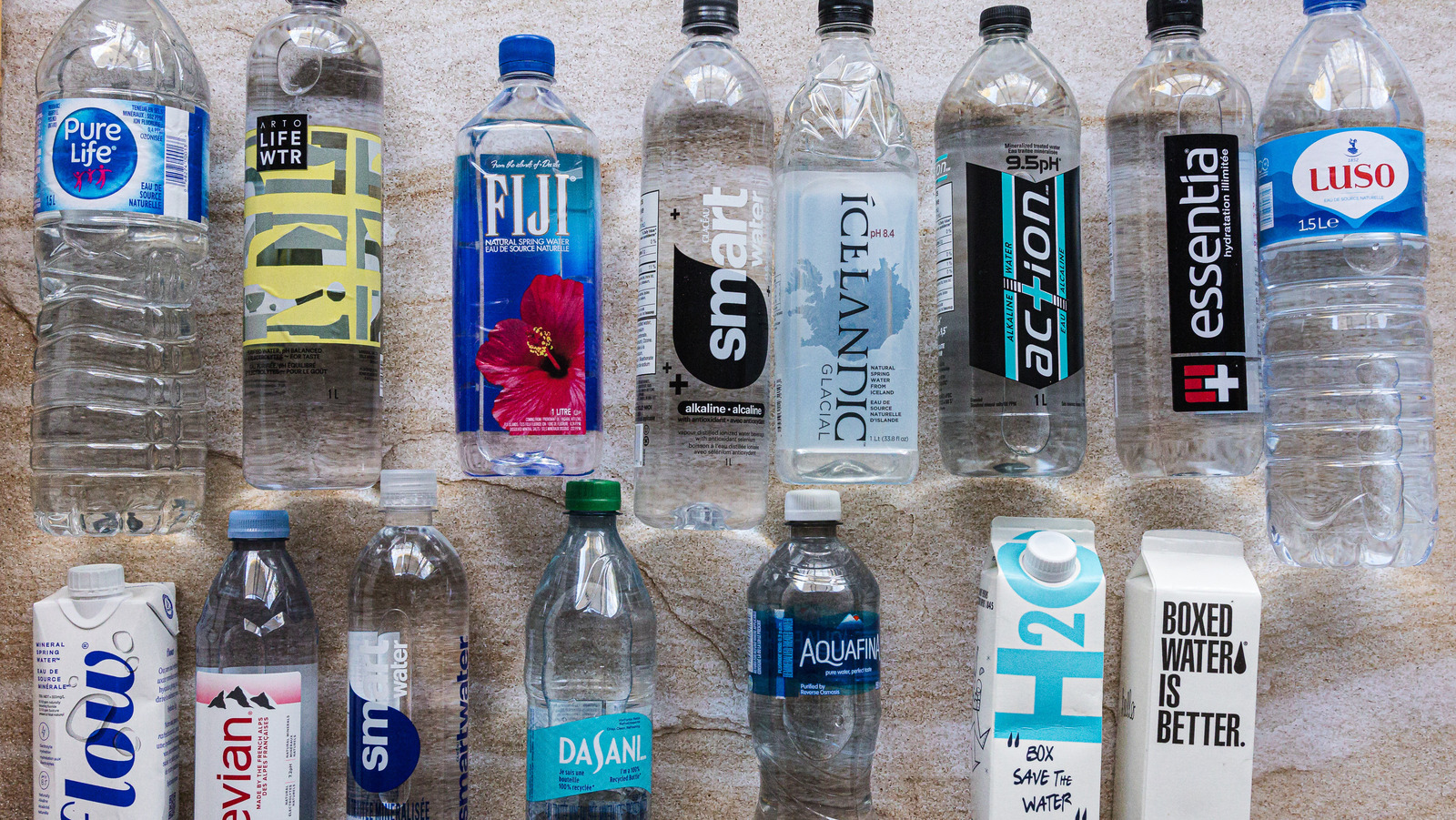
- Aluminum Bottles and Carton Packaging: These alternatives offer higher recycling rates and lower carbon footprints in some cases, with companies like Boxed Water Is Better gaining traction.
- Lightweighting: Reducing the amount of plastic used in each bottle, even by a gram, translates to millions of tons of plastic saved across the industry.
- Supply Chain Optimization: AI-driven logistics and route optimization software are being used to reduce fuel consumption and emissions during transport, making the journey from source to shelf more efficient and less carbon-intensive. This is a direct application of tech for sustainability.
These innovations reflect a conscious effort by brands to improve their environmental reputation and align with evolving consumer values.
From Tap to Tech: Advanced Home Filtration Systems
For many, the most sustainable and often most economical “bottled water” solution comes from their own tap, purified by advanced home filtration systems. The market for these gadgets has exploded, offering tech-driven solutions for every need:
- Pitcher Filters: Affordable and convenient, these use activated carbon and ion-exchange resins to remove chlorine, heavy metals, and some contaminants.
- Faucet-Mounted Filters: Easy to install, these provide filtered water on demand, bypassing the need for bottled water.
- Under-Sink Filters: More robust systems, often employing multiple filtration stages including carbon, sediment, and even RO, providing purified water directly from a dedicated faucet. These represent a significant investment but offer superior water quality and long-term cost savings.
- Whole-House Filtration Systems: For those seeking comprehensive water treatment, these systems filter all water entering the home, improving water quality for drinking, bathing, and even appliances.
The reviews and tutorials available for these products make it easier for consumers to choose the right system for their needs, transforming tap water into a personalized, high-quality hydration source.
The Ethics of Bottled Water: Environmental and Social Considerations
Beyond packaging, the ethics of bottled water extend to sourcing. Concerns include water rights, particularly in drought-prone areas, and the potential impact of large-scale extraction on local ecosystems and communities. Responsible brands engage in sustainable sourcing practices, replenish groundwater, and invest in local community projects. Consumers, influenced by strong brand narratives and a company’s corporate identity, are increasingly looking for brands that demonstrate transparency and accountability in these areas. The financial implications for communities impacted by water extraction also form part of the broader ethical debate, prompting some to consider ESG (Environmental, Social, Governance) factors when evaluating brands.
Finding Your Personal “Best”: A Holistic Approach
Ultimately, the “best” bottled water is a deeply personal choice, influenced by a unique combination of health priorities, lifestyle, budget, and ethical considerations. There’s no one-size-fits-all answer, but an informed approach can guide you to your ideal hydration solution.
Tailoring Your Choice: Health Needs, Lifestyle, and Values
- Health Needs: If you have specific health concerns, such as a need for higher mineral intake or a preference for alkaline water, these factors will weigh heavily. Athletes might prioritize electrolyte-enhanced options.
- Lifestyle: For those constantly on the go, convenience is key, making single-serve bottled water a practical choice. For homebodies, a robust filtration system might be more appealing. Travel destination and access to safe drinking water are also considerations.
- Values: If environmental impact is a top priority, opting for brands with sustainable packaging, supporting brands with strong ethical sourcing policies, or investing in a home filtration system becomes paramount.
Leveraging Reviews and Data for Informed Decisions
In the digital age, information is power. Before making a choice, leverage the wealth of data available:
- Online Reviews: Consult product reviews for bottled water brands and home filtration systems. Look for patterns in feedback regarding taste, quality, and effectiveness.
- Independent Water Reports: Some organizations conduct independent tests of bottled and tap water, providing objective data on contaminant levels and mineral content.
- Consumer Apps and Tools: As AI tools advance, we might see more sophisticated apps offering personalized bottled water recommendations based on user preferences, local tap water quality, and specific health goals.

The Future of Hydration: Innovation and Conscious Consumption
The landscape of hydration is constantly evolving. Future innovations might include smart water bottles that track your intake and provide real-time water quality analysis, or advanced filtration systems that can precisely customize mineral content. The trend towards conscious consumption means that future “best” choices will increasingly factor in a brand’s commitment to sustainability, ethical practices, and transparency, alongside taste and purity.
In conclusion, “what’s the best bottled water to drink” is not a question with a single answer but an invitation to explore the fascinating intersections of technology, brand strategy, and personal finance. By understanding the science behind water quality, appreciating the power of branding, evaluating the financial implications, and considering the environmental impact, you can confidently navigate the vast options and find the bottled water – or hydration solution – that truly is best for you.
aViewFromTheCave is a participant in the Amazon Services LLC Associates Program, an affiliate advertising program designed to provide a means for sites to earn advertising fees by advertising and linking to Amazon.com. Amazon, the Amazon logo, AmazonSupply, and the AmazonSupply logo are trademarks of Amazon.com, Inc. or its affiliates. As an Amazon Associate we earn affiliate commissions from qualifying purchases.