
In an era increasingly defined by digital interfaces, strategic branding, and complex financial ecosystems, the essence of human connection often finds itself scrutinized, redefined, or even overlooked. Yet, amidst the relentless pursuit of technological advancement, market dominance, and financial security, lies a timeless concept of human bonding that transcends the transactional: Platonic Love. Often misunderstood or reduced to a mere synonym for friendship, Platonic love, in its purest form, represents a profound, non-sexual affection rooted in shared intellect, mutual admiration, and a pursuit of higher ideals. It’s a connection that elevates individuals, fostering personal growth and spiritual enrichment, irrespective of romantic interest. This article delves into the philosophical origins of Platonic love, explores its contemporary relevance in our tech-driven world, examines how we ‘brand’ and build such relationships, and even touches upon the subtle, often unquantified ‘value’ it brings to our lives.

The Timeless Ideal: Unpacking Platonic Love’s Core Principles
To truly understand Platonic love, one must journey back to its philosophical roots, particularly the writings of the ancient Greek philosopher Plato. His dialogues, especially Symposium, lay the groundwork for a concept far richer and more nuanced than modern interpretations often suggest.
Origins and Evolution: From Ancient Greece to Modern Understanding
Plato conceived of love not merely as a physical attraction but as a powerful force guiding the soul towards beauty, truth, and goodness. In Symposium, through the voice of Socrates and Diotima, he describes a “ladder of love” – an ascent from physical attraction to individual beautiful bodies, then to the beauty of all bodies, the beauty of souls, the beauty of laws and institutions, the beauty of knowledge, and finally, to the apprehension of Beauty Itself, which is divine and unchanging. Platonic love, therefore, was originally about an intellectual and spiritual journey, using another person’s beauty (physical or moral) as a catalyst to perceive higher forms of beauty and wisdom. It was a love that sought to uplift and inspire, leading to intellectual intimacy and shared philosophical exploration, rather than carnal desire.
Over centuries, this profound philosophical concept evolved. While the core idea of a non-sexual, deep connection remained, the emphasis shifted from the purely philosophical ascent to a broader appreciation for close, non-romantic friendships. In contemporary usage, “platonic” often describes a friendship between individuals that lacks romantic or sexual elements, characterized by deep affection, understanding, and mutual support. This modern interpretation retains the essence of intellectual and emotional intimacy, yet it is less explicitly tied to the arduous philosophical quest for the Form of Beauty that Plato envisioned. Nevertheless, the underlying principle of a relationship that values the character, mind, and spirit over physical desire persists.
Beyond Romance: Defining the Non-Sexual Connection
The defining characteristic of Platonic love, both ancient and modern, is its non-sexual nature. This distinction is crucial, setting it apart from erotic or romantic love. While a platonic relationship can be intensely intimate, emotionally charged, and deeply affectionate, it deliberately excludes sexual attraction or romantic intent. This doesn’t mean it’s devoid of passion; rather, the passion is channeled towards shared interests, intellectual discourse, mutual support, and the pursuit of individual and collective growth.
In a world often saturated with romanticized notions of love, understanding and upholding the boundaries of platonic connections is vital. It allows for relationships built on a foundation of pure respect, admiration for one’s intellect, character, and spirit, without the complexities and expectations that often accompany romantic entanglements. It’s a space where vulnerability can flourish in a safe, non-judgmental environment, fostering profound emotional bonds that contribute significantly to an individual’s well-being and sense of belonging.
Pillars of Purity: Intellect, Virtue, and Mutual Growth
At its heart, Platonic love thrives on several foundational pillars: intellect, virtue, and mutual growth. These elements are what elevate a casual acquaintance to a truly platonic bond. Intellectual connection is paramount; individuals are drawn to each other’s minds, sharing ideas, engaging in stimulating conversations, and challenging one another’s perspectives. This intellectual synergy fuels personal development and broadens horizons.
Virtue plays an equally critical role. Platonic relationships are often built on a shared appreciation for ethical principles, moral integrity, and good character. Friends inspire each other to be better versions of themselves, to embody virtues like honesty, kindness, and courage. There’s a mutual desire for the other’s flourishing, not just personally but also ethically. This focus on virtue fosters a relationship of trust and respect, where each person feels genuinely supported in their journey towards self-improvement. Ultimately, Platonic love is a catalyst for mutual growth. It’s a dynamic relationship where individuals inspire each other to learn, evolve, and reach their highest potential, whether through intellectual exploration, ethical living, or personal challenges. This reciprocal desire for betterment creates a bond that is both enriching and enduring, proving that some of the deepest forms of love exist entirely outside the romantic sphere.
Platonic Connections in the Digital Age: A Tech Perspective
The 21st century has undeniably transformed how we connect, communicate, and cultivate relationships. Technology, from social media platforms to AI-powered companions, plays an increasingly dominant role, presenting both unprecedented opportunities and unique challenges for the formation and maintenance of platonic love.
Bridging Distances: How Technology Facilitates Platonic Bonds
Modern technology has fundamentally altered the landscape of platonic relationships, primarily by eradicating geographical barriers. Tools like video conferencing (Zoom, Google Meet), instant messaging apps (WhatsApp, Telegram), and social media platforms (Facebook, Instagram, LinkedIn) allow individuals to maintain deep connections with friends across continents. Old school friends can reconnect, professional acquaintances can evolve into close platonic mentors, and individuals with niche interests can find like-minded souls in online communities, fostering bonds that might never have formed in a purely physical world.
These digital arteries enable constant, low-friction communication, facilitating the sustained intellectual and emotional exchange central to platonic love. Shared articles, virtual book clubs, online gaming sessions, or even just routine check-ins through text messages all contribute to nurturing these relationships over time and distance. For many, technology isn’t just a convenience; it’s the lifeline that keeps valuable platonic bonds vibrant and relevant, ensuring that intellectual intimacy and mutual support remain accessible regardless of physical proximity.
The Double-Edged Sword: Authenticity vs. Digital Superficiality
While technology offers incredible avenues for connection, it also presents a significant challenge to the authenticity and depth of platonic relationships. The curated nature of social media profiles, where individuals often present an idealized version of themselves, can create a sense of digital superficiality. Relationships formed or primarily maintained online might struggle to achieve the same level of profound vulnerability and unvarnished truth that often characterizes face-to-face platonic interactions. The constant influx of information and the pressure to maintain an active online presence can sometimes dilute genuine connection, replacing meaningful interaction with fleeting likes and comments.
Furthermore, the sheer volume of “connections” one can accumulate digitally can paradoxically lead to a feeling of isolation or a diminished investment in truly deep bonds. Distinguishing between a genuine platonic friend and a casual online acquaintance becomes a nuanced task. The challenge lies in leveraging technology’s connective power without succumbing to its potential for superficiality, ensuring that digital interactions serve to deepen existing platonic bonds rather than merely create a façade of connection.
AI, Virtual Companions, and the Quest for Connection
The emergence of sophisticated AI tools, particularly conversational AI and virtual companions, introduces a fascinating, albeit complex, dimension to the human quest for connection. Chatbots and AI interfaces are becoming increasingly adept at simulating empathy, offering companionship, and engaging in intellectual discussions. For individuals experiencing loneliness or struggling to form traditional human connections, these AI tools can provide a form of interaction that feels platonic – offering a listening ear, providing advice, or engaging in banter.
However, it’s crucial to acknowledge the fundamental difference: an AI, no matter how advanced, lacks consciousness, genuine emotion, or the capacity for mutual growth in the human sense. While it can mimic aspects of platonic interaction, it cannot truly experience or reciprocate love, empathy, or shared human experience. This raises profound ethical questions about the nature of true connection and the potential for AI to both complement and, perhaps, inadvertently substitute for authentic human platonic relationships. Understanding this distinction is vital for maintaining the integrity of Platonic love as a uniquely human phenomenon.
The Brand of Friendship: Cultivating Authentic Platonic Relationships
In an economy increasingly driven by brand perception and strategic positioning, the concepts of “branding” and “reputation” extend beyond corporate entities to influence personal relationships. Cultivating authentic platonic love, too, involves a form of “personal branding” – not in a manipulative sense, but in presenting one’s true self to attract and sustain meaningful, deep connections.
Personal Branding: Attracting and Sustaining Meaningful Connections
Just as a successful brand clearly communicates its values and purpose, individuals implicitly “brand” themselves through their actions, communication style, and the principles they uphold. In the context of platonic love, authentic personal branding involves projecting qualities that attract like-minded individuals seeking deep, non-romantic connections. This includes demonstrating intellectual curiosity, integrity, empathy, reliability, and a genuine interest in others’ well-being. It’s about being true to oneself and allowing that authenticity to shine through, attracting friends who resonate with one’s core values.
For instance, someone passionate about sustainability might naturally attract platonic friends who share that commitment, leading to intellectually stimulating discussions and collaborative efforts. This isn’t about crafting a deceptive persona, but rather about consciously cultivating and showcasing the aspects of one’s character and intellect that foster genuine connection. By consistently embodying these traits, individuals build a ‘brand’ of trustworthiness and depth, essential for sustaining truly meaningful platonic relationships.
Reputation and Trust: The Cornerstone of Platonic Bonds
In both the corporate world and personal relationships, reputation is intrinsically linked to trust. A brand with a strong, positive reputation is trusted by its customers; similarly, a person with an admirable reputation is trusted by their friends. For platonic love to flourish, trust is the absolute cornerstone. This trust is built over time through consistent behavior, reliability, honesty, and discretion. It’s knowing that a friend will honor their word, keep confidences, offer support when needed, and act with integrity.
A breach of trust can severely damage, if not destroy, a platonic bond, just as a scandal can tarnish a corporate brand. Therefore, maintaining a reputation for being a loyal, supportive, and dependable platonic friend is paramount. This involves active listening, showing empathy, celebrating successes, and offering comfort in failures. By consistently demonstrating these qualities, individuals reinforce their ‘brand’ as a reliable and cherished platonic companion, solidifying the foundation upon which deep, enduring friendships are built.
Community Building: Designing Spaces for Platonic Flourishing
Brand strategy isn’t just about individual identity; it’s also about building communities around shared values. Similarly, fostering platonic love involves consciously creating and participating in environments where such relationships can flourish. This can range from informal social gatherings to structured groups like book clubs, hiking collectives, professional networks, or volunteer organizations. These “spaces” act as incubators for platonic connections, bringing together individuals with common interests, goals, or values, thereby providing fertile ground for intellectual and emotional intimacy to grow.
Just as brands design user experiences to enhance engagement, individuals can thoughtfully contribute to these communities, ensuring they are inclusive, respectful, and conducive to deep interaction. Whether it’s organizing regular meet-ups, initiating stimulating discussions, or collaborating on projects, actively participating in community building reinforces the collective ‘brand’ of the group as a supportive and enriching environment. Such communities provide essential social infrastructure for platonic love, offering diverse opportunities for individuals to connect on a deeper level and find friends who truly resonate with their authentic selves.
The Unseen Wealth: The Financial Value of Platonic Love
While Platonic love is inherently non-monetary, its profound impact on an individual’s well-being, productivity, and overall life satisfaction can have significant, albeit indirect, financial implications. Platonic relationships, like wise investments, yield substantial returns that contribute to a richer, more stable life.
Investing in Relationships: More Than Just Monetary Returns
The concept of “investing” typically conjures images of stocks, real estate, or business ventures. However, investing time, energy, and emotional capital into platonic relationships yields returns that far exceed purely financial gains. Strong platonic bonds provide a robust support network during times of stress, crisis, or major life changes, buffering against the negative health impacts that often accompany social isolation – impacts that can lead to increased healthcare costs and reduced productivity. The emotional resilience fostered by supportive friendships is invaluable.
Furthermore, platonic friends often provide practical assistance, from offering advice and sharing resources to helping with tasks. This shared support can reduce the need for paid services or alleviate financial burdens in unexpected situations. The “return on investment” in platonic love isn’t quantifiable in currency, but it manifests as improved mental health, greater life satisfaction, and a pervasive sense of security, all of which contribute to a more stable and less costly personal finance landscape.
Networking and Collaboration: Platonic Ties and Economic Opportunity
In the professional realm, platonic relationships are often the bedrock of powerful networks and successful collaborations. While “networking” can sometimes feel transactional, genuine platonic connections within professional circles are built on mutual respect, shared interests, and a willingness to help. These relationships transcend mere contact exchange; they involve mentorship, knowledge sharing, and honest feedback that can be crucial for career advancement, business development, and entrepreneurial success.
A platonic friend might introduce you to a job opportunity, provide a referral, offer invaluable business advice based on their experience, or even become a trusted co-founder in a new venture. The trust and understanding inherent in platonic relationships make them ideal for collaborative projects, where communication is open, and shared goals are pursued with integrity. These indirect economic opportunities stemming from platonic ties are often overlooked but contribute significantly to one’s financial trajectory and business acumen, illustrating the profound, albeit subtle, ‘money’ aspect of platonic love.
Financial Well-being: The Indirect Benefits of Strong Social Support
The link between social support and financial well-being is more profound than often acknowledged. Individuals with strong platonic support systems tend to exhibit greater resilience to economic shocks. During periods of unemployment or financial hardship, friends can offer emotional encouragement, help with job searches, or even provide temporary practical assistance, mitigating the psychological and material impact of financial stress. The reduced stress and improved mental health derived from robust platonic connections can translate into better decision-making regarding personal finance, fewer stress-related health issues, and greater overall productivity.
Moreover, platonic relationships can be a source of diverse perspectives on financial planning, investing, or budgeting, where friends might share insights or resources without any commercial agenda. The collective wisdom and shared experiences within a platonic circle can empower individuals to make more informed financial choices. Ultimately, the comprehensive well-being fostered by platonic love – encompassing emotional stability, mental health, and social resilience – acts as a powerful, albeit indirect, contributor to long-term financial stability and overall prosperity.
Navigating the Nuances: Maintaining Healthy Platonic Relationships
In a world that constantly bombards us with stimuli and demands, cultivating and sustaining platonic love requires intentionality, effort, and clear communication. Just like any valuable asset, these relationships need to be nurtured to truly thrive.
Setting Boundaries and Expectations
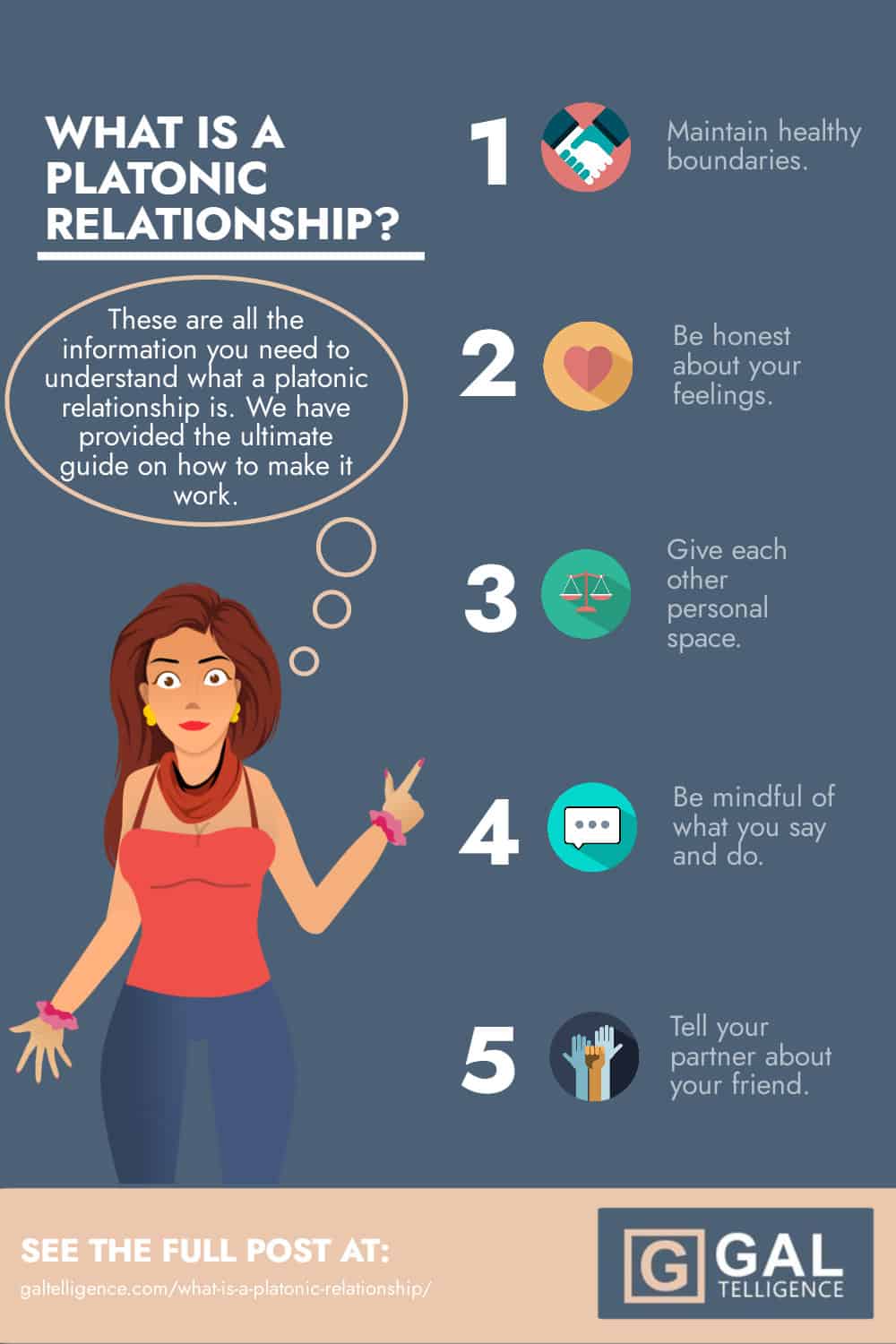
A crucial aspect of healthy platonic love is the establishment of clear boundaries and mutual expectations. Unlike romantic relationships where certain intimacies are implicitly understood, platonic bonds require explicit communication about what each person expects from the relationship and what they are comfortable with. This includes physical boundaries, emotional availability, time commitments, and the handling of personal information. Without clear boundaries, misunderstandings can arise, leading to discomfort or even the unintentional erosion of trust. For instance, clarifying whether shared financial advice is purely informational or implies a commitment, or understanding the limits of emotional support during personal crises, is vital. Respecting these agreed-upon parameters ensures that the relationship remains a source of comfort and growth, not confusion or resentment.
The Art of Reciprocity
Platonic love, at its best, is a reciprocal exchange. It’s not a one-way street where one person consistently gives and the other only takes. Reciprocity involves a balance of emotional support, intellectual stimulation, practical assistance, and mutual consideration. This doesn’t mean keeping a strict ledger of favors, but rather ensuring that both individuals feel valued, heard, and supported in equal measure over time. When one person consistently feels undervalued or taken for granted, the platonic bond weakens. Demonstrating reciprocity involves active listening, offering help without being asked, celebrating successes genuinely, and providing comfort during difficulties. It’s about investing equally in the relationship, recognizing that its strength lies in the mutual give-and-take that enriches both individuals.

Sustaining Depth in a Fast-Paced World
In our increasingly fast-paced and distraction-filled lives, sustaining the depth characteristic of true platonic love can be a challenge. The intellectual intimacy and profound emotional connection require time, presence, and focused attention – commodities that often feel scarce. To counter the superficiality that modern life can impose, intentional efforts must be made to create opportunities for meaningful interaction. This could mean dedicating time for uninterrupted conversations, engaging in shared activities that foster deeper understanding, or even disconnecting from digital distractions to truly be present with a friend. Prioritizing quality over quantity in interactions, engaging in vulnerable sharing, and consistently reaffirming appreciation for the relationship are key. By consciously nurturing the intellectual and emotional core of platonic love, individuals can ensure these invaluable connections continue to provide depth and meaning amidst the relentless march of technological and economic demands.
In conclusion, Platonic love, with its origins in ancient philosophy, remains a profoundly relevant and enriching aspect of the human experience. While distinct from romantic love, its capacity to foster intellectual growth, emotional support, and virtuous living makes it an indispensable component of a well-lived life. In a world increasingly shaped by technology, brand narratives, and financial considerations, understanding and cultivating platonic love provides an essential counterpoint, reminding us that some of life’s greatest treasures are found not in acquisition or dominance, but in the authentic, non-sexual connections that elevate our minds and nourish our souls. It’s an investment in humanity itself, yielding dividends far beyond any quantifiable metric.
aViewFromTheCave is a participant in the Amazon Services LLC Associates Program, an affiliate advertising program designed to provide a means for sites to earn advertising fees by advertising and linking to Amazon.com. Amazon, the Amazon logo, AmazonSupply, and the AmazonSupply logo are trademarks of Amazon.com, Inc. or its affiliates. As an Amazon Associate we earn affiliate commissions from qualifying purchases.