
The phrase “nuclear arms race” conjures images of Cold War tensions, mushroom clouds, and a global standoff that defined much of the 20th century. Far more than a simple competition to build bombs, it was a complex geopolitical phenomenon that accelerated technological innovation, reshaped national identities and global brand perceptions, and consumed staggering economic resources. At its core, the nuclear arms race was a period of intense rivalry, primarily between the United States and the Soviet Union, to develop and stockpile nuclear weapons and their delivery systems. This rivalry, fueled by ideological conflict and a profound sense of existential threat, pushed the boundaries of human ingenuity and resource allocation, leaving an indelible mark on modern society.

To understand its true scope, one must look beyond the arsenals themselves and delve into the interwoven threads of technological advancement, strategic branding, and immense financial investment. The arms race was a crucible for radical innovation, a stage for the projection of national power and identity, and an unprecedented drain on national treasuries, all of which resonate deeply with contemporary discussions around technology, brand, and money.
A Technological Arms Race: Innovation Under Pressure
The nuclear arms race was, at its heart, a technological sprint unlike any other in human history. The sheer destructive power of atomic weapons meant that gaining an edge, or even just preventing a disadvantage, required relentless innovation. This relentless pursuit of military superiority became a powerful catalyst for scientific and engineering breakthroughs that not only defined the Cold War but also laid foundations for many technologies we take for granted today.
The Dawn of the Atomic Age: Nuclear Physics and Engineering
The genesis of the nuclear arms race lies in the Manhattan Project, the top-secret World War II initiative that developed the first atomic bombs. This project represented a monumental leap in applied physics and engineering. Scientists and engineers, under immense pressure, harnessed the power of nuclear fission, translating abstract theoretical concepts into devastating reality. The race wasn’t just about building a bomb; it was about understanding and controlling a fundamentally new force. This period saw rapid advancements in metallurgy, chemistry, and high-precision manufacturing, as the complex components of nuclear weapons demanded unprecedented levels of accuracy and reliability. The development of plutonium production reactors, uranium enrichment facilities, and the intricate designs of the bombs themselves demonstrated a new pinnacle of scientific and industrial mobilization. It was a seismic shift in human capability, ushering in an era where technology held the ultimate power of destruction.
Rocketry, Computing, and Surveillance: Expanding the Battlefield
As the Cold War deepened, the arms race evolved beyond merely building bombs. The focus shifted to delivery systems that could reliably strike targets across continents. This spurred the development of intercontinental ballistic missiles (ICBMs) and submarine-launched ballistic missiles (SLBMs). Rocketry became a primary area of competition, leading to advancements in propulsion, guidance systems, and re-entry vehicle technology. The space race, often seen as a separate competition, was in many ways a direct spin-off of the ICBM rivalry, as the same rockets used to launch satellites could also carry nuclear warheads.
Concurrently, the nascent field of computing underwent explosive growth, driven by the demands of nuclear strategy. Early supercomputers were essential for complex calculations related to nuclear physics, missile trajectories, atmospheric modeling for weapons effects, and cryptographic security. These machines, while primitive by today’s standards, were crucial for simulating nuclear tests (after atmospheric testing was banned), managing vast amounts of intelligence data, and developing secure communication networks. The very concept of “digital security” began to take shape as nations realized the vulnerability of critical data and communications to espionage and sabotage. Early warning systems, relying on radar networks and satellite technology, required sophisticated software and data processing capabilities to detect potential attacks and provide timely alerts. While not “AI tools” in the modern sense, these systems represented the cutting edge of automated decision-support and data analysis, precursors to today’s complex algorithms.
Spin-offs and Dual-Use Technologies
One of the less discussed but profoundly impactful legacies of the nuclear arms race is the array of technological spin-offs that found civilian applications. The immense investment in military research and development created a fertile ground for innovation across various sectors. Nuclear power generation, for instance, emerged directly from the understanding and control of nuclear reactions developed for weapons. Advances in materials science, driven by the need for radiation-resistant components and high-strength alloys for missiles and aircraft, later benefited industries from aerospace to medicine.
Satellite technology, initially developed for military reconnaissance and communication, became the backbone of global telecommunications, weather forecasting, and GPS navigation. Early computer science, nurtured by military funding, paved the way for the personal computing revolution. Even seemingly mundane advancements in miniaturization, power efficiency, and data storage can trace roots back to the demands of military hardware. While “gadgets” in the consumer sense were not the primary goal, the underlying technological advancements provided the building blocks for countless future consumer electronics and industrial applications, dramatically enhancing global productivity and connectivity.
The Branding of Superpowers: Reputation, Propaganda, and Global Influence
Beyond the technological competition, the nuclear arms race was a profound exercise in national branding. For both the United States and the Soviet Union, possessing nuclear weapons was not just about military capability; it was about projecting an image of power, technological superiority, and ideological righteousness on the global stage. This era saw an unprecedented focus on reputation management, propaganda, and the strategic use of deterrent capabilities to shape international relations.
Projecting Power: National Brand Identity on the World Stage
In the bipolar world of the Cold War, nuclear arsenals became the ultimate symbol of a nation’s strength and technological prowess. For the US, its nuclear lead initially cemented its status as the world’s preeminent superpower and a guardian of the “free world.” For the USSR, developing its own atomic bomb shattered the American monopoly and served as a powerful declaration of its status as a co-equal superpower, capable of challenging Western dominance and championing the socialist cause. This wasn’t merely about military might; it was about national “brand identity.” A strong nuclear deterrent signaled resolve, advanced scientific capability, and a formidable industrial base. It was a potent message to allies and adversaries alike, defining each nation’s “corporate identity” on the global geopolitical landscape. The success or failure in perceived nuclear parity directly impacted a nation’s standing, influence, and ability to attract allies and sway neutral nations.
Shaping Narratives: The Role of Propaganda and Perception Management
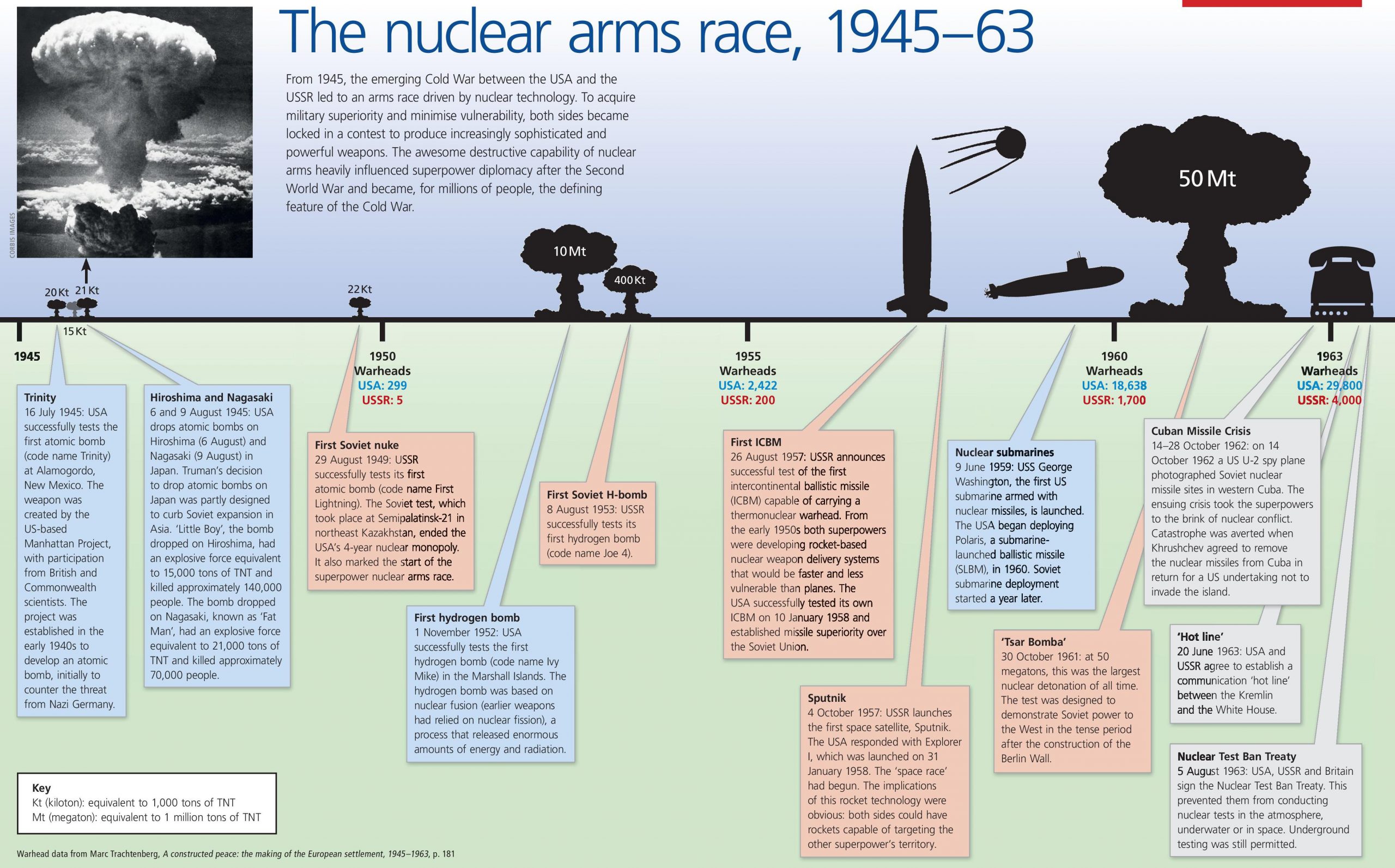
With such high stakes, both superpowers engaged in extensive propaganda campaigns to shape domestic and international public opinion. The nuclear arms race was as much a battle of narratives as it was of weapons. Each side sought to burnish its own reputation while simultaneously undermining the credibility and legitimacy of the other. The US emphasized the threat of Soviet expansionism and the necessity of its nuclear umbrella for global security, often portraying the USSR as an “evil empire.” Conversely, the Soviet Union highlighted the aggressive nature of Western capitalism and presented itself as a force for peace and liberation, forced to develop nuclear weapons purely for defensive purposes.
These marketing campaigns, though often crude by today’s standards, employed every available medium: radio, television, film, posters, and educational materials. They were sophisticated exercises in perception management, aimed at influencing everything from diplomatic negotiations to the daily anxieties of ordinary citizens. Understanding these propaganda efforts provides invaluable “case studies” in how nations attempt to control information, manage their “reputation,” and build ideological allegiances, echoing modern challenges in disinformation and national branding in the digital age.
Alliances and Deterrence: A Strategic Framework
The existence of nuclear weapons fundamentally altered international relations, giving rise to the doctrine of Mutually Assured Destruction (MAD). This grim logic suggested that a full-scale nuclear attack by either side would inevitably lead to the destruction of both, thus making a first strike unthinkable. This concept became the cornerstone of “brand strategy” for alliances like NATO and the Warsaw Pact. Member nations, while possessing varying levels of conventional military strength, derived security from the nuclear umbrella of their respective superpowers.
For NATO, the US nuclear arsenal provided an “extended deterrence” that protected European allies from potential Soviet aggression. For the Warsaw Pact, Soviet nuclear might served a similar purpose. This created a new kind of “alliance branding” where collective security was guaranteed by the ultimate weapon. The arms race wasn’t just about building weapons, but about strategically deploying them, communicating their existence, and demonstrating the will to use them if necessary, all to maintain a fragile peace through the credible threat of unimaginable war. The psychology of deterrence became a complex field, blending military strategy with diplomatic signaling and public communication.
The Financial Stakes: Economic Engines and Opportunity Costs
The nuclear arms race was an astronomically expensive undertaking, consuming vast percentages of national budgets and redirecting immense human and material resources. The financial implications were pervasive, shaping economic policies, fostering new industries, and creating opportunity costs that had lasting effects on societies on both sides of the Iron Curtain.
The Military-Industrial Complex: A Colossal Economic Investment
President Dwight D. Eisenhower famously warned of the “military-industrial complex,” a term that aptly describes the vast network of defense contractors, government agencies, and research institutions that grew around the arms race. Both the US and the USSR poured trillions of dollars (in inflation-adjusted terms) into the development, production, and maintenance of nuclear weapons and their delivery systems. This created a colossal economic engine. In the United States, major corporations like Lockheed Martin, Boeing, and Northrup Grumman expanded dramatically, becoming key players in the national economy. These companies received massive government contracts, driving technological innovation and creating millions of jobs.
This massive expenditure was a form of “business finance” on a national scale, underwriting entire industries dedicated to defense. For individuals and businesses involved in these sectors, it represented significant “investing” in a high-stakes, government-backed enterprise. While often criticized for its drain on public resources, this complex also spurred innovation, contributed to scientific advancements, and provided a steady stream of income for a significant portion of the workforce.
Opportunity Costs and Economic Strain
However, the immense investment in the arms race came with significant “opportunity costs.” Resources — financial capital, raw materials, scientific talent, and industrial capacity — diverted to military ends were resources not available for other societal needs. In the United States, debates raged about the balance between “guns and butter,” with critics arguing that excessive defense spending came at the expense of social programs, infrastructure development, healthcare, and education.
In the Soviet Union, the economic strain was arguably even more acute. A centrally planned economy, already facing inefficiencies, struggled to keep pace with the technologically superior West. The focus on heavy industry and military production often meant chronic shortages of consumer goods, stagnant living standards, and a less diversified economy. The arms race placed immense “financial tools” and economic planning under unprecedented pressure to allocate resources efficiently, though often with suboptimal results for the civilian population. The long-term economic impact, particularly on the Soviet bloc, contributed significantly to its eventual collapse, highlighting the unsustainable nature of such a high-stakes competition.
From Cold War Spending to Modern Budgets: Lasting Legacies
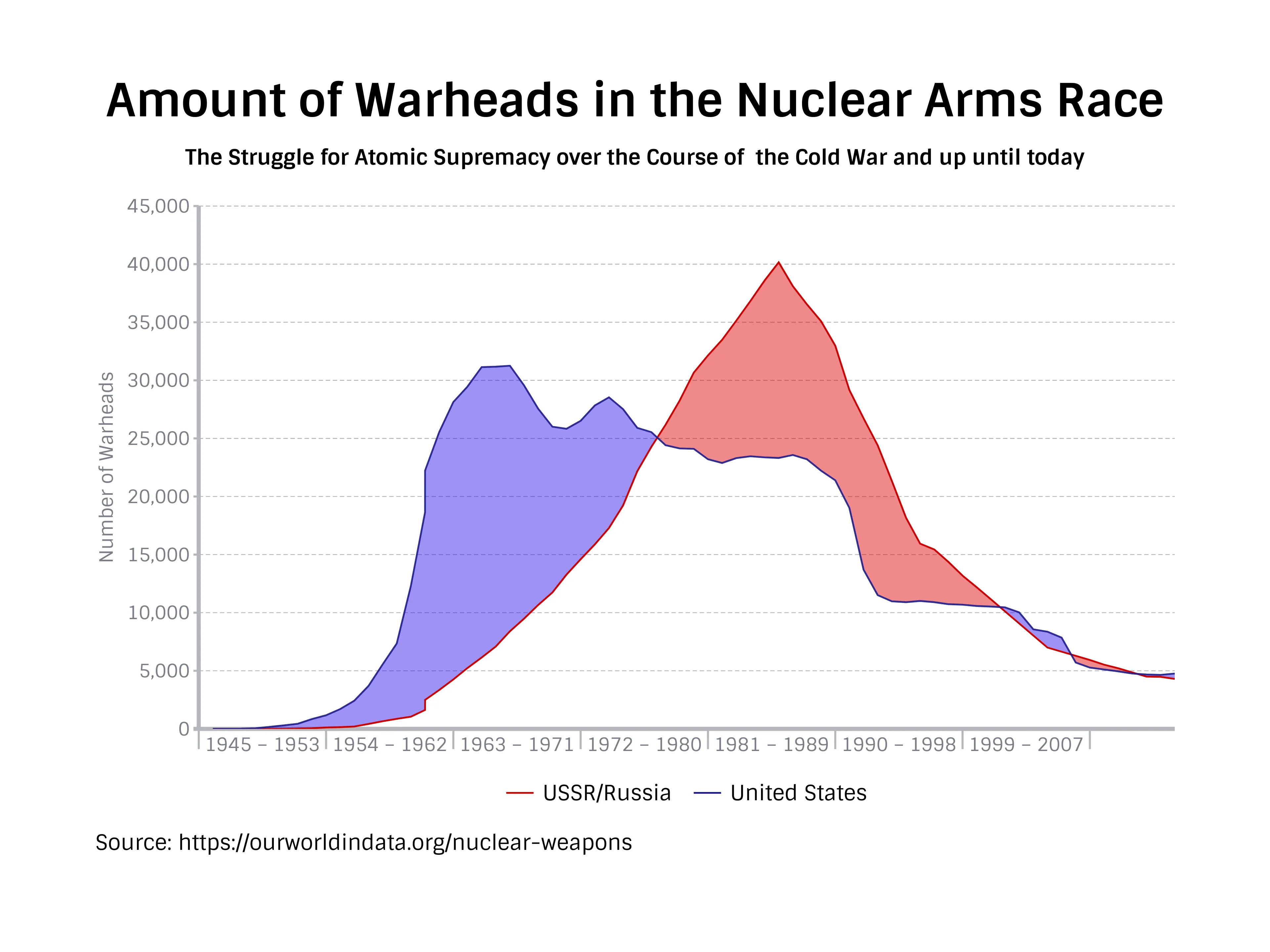
Even decades after the end of the Cold War, the financial legacy of the nuclear arms race persists. Modern defense budgets around the world still reflect the infrastructure, personnel, and technological demands inherited from that era. Nations continue to invest heavily in maintaining and modernizing nuclear arsenals, as well as the conventional forces designed to operate in a world shaped by nuclear deterrence. The economic structures built around defense industries remain influential, contributing to ongoing debates about military spending versus other national priorities. The strategic thinking about resource allocation and the use of “financial tools” to balance national security with economic well-being are direct descendants of the challenges posed by the nuclear arms race.
Conclusion
The nuclear arms race was a period of unprecedented peril and paradox. While it brought the world to the brink of annihilation, it also served as an extraordinary incubator for technological innovation, driving advancements in everything from computing and rocketry to materials science and digital security. It was a grand stage for the projection of national “brands,” where superpowers meticulously crafted their international reputations and engaged in sophisticated (if often crude) marketing campaigns to win hearts and minds. And it was an economic leviathan, consuming trillions of dollars, creating vast industries, and imposing immense opportunity costs that shaped the destinies of nations.
Understanding “what was the nuclear arms race” is crucial not just for historical context but for appreciating the enduring impact it has on our contemporary world. The lessons learned about the interplay of technology, geopolitical strategy, and economic realities continue to inform discussions about artificial intelligence in warfare, the importance of national branding in an interconnected world, and the perennial challenge of balancing defense spending with societal investment. The nuclear arms race was a singular chapter in human history, but its fingerprints remain visible across the landscape of modern tech, brand, and money.
aViewFromTheCave is a participant in the Amazon Services LLC Associates Program, an affiliate advertising program designed to provide a means for sites to earn advertising fees by advertising and linking to Amazon.com. Amazon, the Amazon logo, AmazonSupply, and the AmazonSupply logo are trademarks of Amazon.com, Inc. or its affiliates. As an Amazon Associate we earn affiliate commissions from qualifying purchases.