
The streaming landscape we know today, dominated by a plethora of content options and personalized viewing experiences, owes a significant debt to a pivotal moment in Netflix’s history: the launch of its first original series. While it might seem like a natural evolution now, the decision for Netflix, then primarily known as a DVD-by-mail service and a burgeoning streaming platform for licensed content, to venture into creating its own shows was revolutionary. It marked a strategic pivot that would redefine not just the company’s trajectory but the entire entertainment industry. The answer to “what was the first Netflix Original?” is unequivocally House of Cards, which premiered on February 1, 2013.
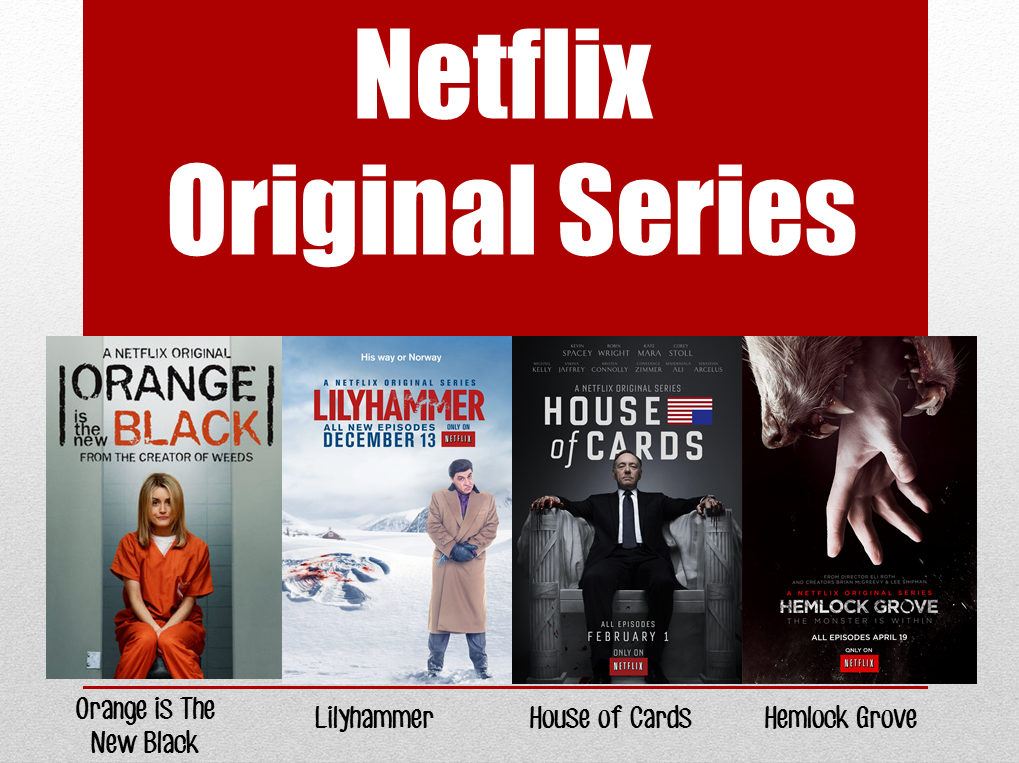
This seemingly simple answer, however, unlocks a much deeper narrative about technology, brand strategy, and financial foresight. House of Cards wasn’t just a show; it was a carefully calculated experiment that leveraged data analytics, disrupted traditional broadcasting models, and solidified Netflix’s brand as a premium content provider. Its success demonstrated the power of direct-to-consumer distribution and the potential for a tech company to become a major Hollywood player, forever altering how we consume entertainment and creating new paradigms for creative production, marketing, and investment in the digital age.
The Dawn of a Streaming Giant: House of Cards and Beyond
Before House of Cards, Netflix’s “original” content consisted mainly of stand-up comedy specials or niche documentaries. The leap to a high-budget, star-studded drama was audacious and transformative. It wasn’t merely about producing a show; it was about laying the foundation for a new era of television, one driven by data, global reach, and viewer convenience.
From DVD Rentals to Content Creator: A Paradigm Shift
Netflix’s journey began with DVDs in red envelopes. Its initial foray into streaming was met with skepticism, but co-CEO Reed Hastings and his team saw the writing on the wall: the future was digital. However, relying solely on licensed content presented a critical vulnerability. As studios began to recognize the value of streaming, they could pull their content, or demand exorbitant fees. The solution, Netflix realized, was to control its destiny by creating proprietary content. The decision to greenlight House of Cards, a political thriller starring Kevin Spacey and Robin Wright, directed by David Fincher, was a monumental step. Netflix outbid HBO and AMC for the rights, demonstrating an aggressive intent to compete at the highest levels. This move symbolized a profound shift in corporate identity, moving from a mere distributor to an integrated content powerhouse. This strategic rebranding was crucial for long-term survival and growth.
The Technology Underpinning the Revolution
The success of House of Cards wasn’t just about compelling storytelling; it was inextricably linked to Netflix’s technological prowess. The company had spent years refining its streaming software, optimizing for various devices, and ensuring a seamless user experience. Critically, Netflix leveraged its vast trove of user data. It knew that subscribers enjoyed movies starring Kevin Spacey, directed by David Fincher, and that the British miniseries from which House of Cards was adapted had a dedicated following. This data-driven approach minimized risk, allowing Netflix to make an informed, calculated bet. The concept of “binge-watching,” unheard of in traditional television, was introduced by releasing all 13 episodes of House of Cards simultaneously. This technological innovation, enabled by on-demand streaming capabilities, catered to a user desire for control and convenience, fundamentally altering viewer habits and setting a new productivity benchmark for content consumption.
Strategic Investment: Why Original Content Made Financial Sense
Investing $100 million for two seasons of a new show was an enormous gamble for Netflix at the time, particularly given their relatively lean balance sheet compared to traditional studios. However, it was a strategic investment with significant financial ramifications. Original content provided several key benefits: it attracted new subscribers, retained existing ones, and gave Netflix a powerful differentiator in a nascent but competitive market. Unlike licensed content, originals could be marketed globally without complex rights negotiations, allowing for unified brand strategy and economies of scale. From a business finance perspective, this investment was designed to shift Netflix’s asset base from primarily intellectual property rights to owned intellectual property, creating long-term value and reducing dependency on third-party suppliers. It was a bold move that paid off, demonstrating that calculated financial risks, when backed by data and a clear vision, could yield unprecedented returns and secure market dominance.
Netflix’s Brand Strategy: Cultivating a Global Entertainment Empire
The launch of House of Cards wasn’t just a content play; it was a masterful stroke of brand strategy. Netflix wasn’t just selling subscriptions; it was selling a lifestyle, an experience, and a promise of unparalleled entertainment delivered on your terms.
Data-Driven Storytelling: The Algorithmic Edge
Netflix’s secret weapon has always been its data. While Hollywood traditionally relied on gut feelings and focus groups, Netflix harnessed algorithms to understand its audience on an unprecedented level. Before a single scene of House of Cards was shot, Netflix knew the show would resonate. It understood that viewers who enjoyed political dramas also liked movies directed by David Fincher and starring Kevin Spacey. This sophisticated use of big data and AI tools for content recommendation and creation intelligence was a game-changer. It allowed Netflix to develop content tailored to existing tastes while also identifying emerging trends. This data-driven approach optimized not just content production but also its marketing. Personalised recommendations on the platform became a core part of the user experience, enhancing productivity in content discovery and reinforcing Netflix’s reputation as a tech-forward entertainment provider. This algorithmic edge is a cornerstone of their corporate identity, distinguishing them from traditional broadcasters.
Marketing the Originals: Building Hype and Reputation
The marketing campaign for House of Cards was as innovative as the show itself. Netflix understood that to establish itself as a serious content creator, it needed to generate significant buzz. Instead of traditional network TV spots, Netflix leaned heavily into digital marketing, leveraging social media and targeted online advertising. They crafted trailers and promotional materials specifically designed to appeal to different audience segments, again informed by their data. The decision to release all episodes at once was also a brilliant marketing tactic, creating a cultural phenomenon around “binge-watching” and instantly elevating Netflix’s brand. This strategy built not just anticipation for House of Cards but also for future Netflix Originals, solidifying their reputation as a destination for quality, boundary-pushing content. This proactive brand building was essential for attracting top talent and securing future investments.
The Impact on Corporate Identity and Market Position
The success of House of Cards fundamentally reshaped Netflix’s corporate identity. It transformed the company from a tech platform that happened to stream content into a formidable entertainment studio. This shift was critical for its market position. It allowed Netflix to command more respect in Hollywood, attract A-list actors, writers, and directors, and negotiate more favorable terms with creators. The “Netflix Original” badge quickly became synonymous with quality and innovation, distinguishing it from competitors who were still largely aggregate platforms. This strong brand identity, built on pioneering original content, became a key competitive advantage in the burgeoning streaming wars, providing a moat against new entrants and reinforcing its leadership position in the global entertainment market. The financial implications were immediate and sustained, leading to exponential subscriber growth and a soaring market valuation.
The Economics of Original Content: Investment, Returns, and the Streaming Wars
The decision to invest in House of Cards was a calculated financial risk that reshaped Netflix’s business model and set a precedent for the entire industry. It demonstrated that content, when distributed efficiently and strategically, could be a powerful engine for subscriber growth and long-term financial stability.
Funding the Future: Billions in Production

The $100 million initial investment in House of Cards was just the beginning. Encouraged by its success, Netflix rapidly ramped up its spending on original content, quickly escalating into billions of dollars annually. This massive outlay was funded through a combination of subscriber revenues and significant debt. From a personal finance perspective, imagine making such a large investment based on future projections. For Netflix, this was an investment in its own intellectual property, a strategic move to control its content library and reduce its reliance on licensing deals. This capital allocation strategy was crucial for scaling the business globally, allowing Netflix to penetrate new markets with culturally relevant local originals, further cementing its brand and subscriber base. This aggressive investment posture was a key element of its market dominance strategy, creating a barrier to entry for competitors.
Monetization Models and Subscriber Growth
Netflix’s core monetization model remains subscription-based. Original content serves as the primary driver for attracting and retaining subscribers. A hit show like House of Cards would bring in new sign-ups, and the continuous stream of new originals ensured that subscribers had reasons to stay. This model, devoid of ads in its premium tiers, offered a clean, uninterrupted viewing experience that became a key part of its brand appeal and productivity value proposition for users. The success of original content also validated the idea of a global distribution model. A show produced in one country could appeal to audiences worldwide, creating massive economies of scale and significantly increasing the return on investment for each piece of content. This global reach also opened up opportunities for online income for creators and production companies working with Netflix, broadening the financial ecosystem around its platform.
The Long-Term Financial Implications for Content Creators and Investors
Netflix’s foray into original content had profound financial implications beyond its own balance sheet. For content creators, it opened new avenues for funding and distribution, offering creative freedom and global exposure often unattainable through traditional networks. The model also created opportunities for new business finance models in production, with more flexible deal structures. For investors, Netflix’s strategy demonstrated the immense value of intellectual property in the digital age. The company’s market capitalization soared, driven by subscriber growth and the perceived value of its ever-expanding content library. However, this also highlighted the intense competition and escalating costs within the streaming market. The “streaming wars” that followed, with major studios launching their own platforms, underscored the strategic importance of original content as a differentiator, making it an ongoing arms race for compelling storytelling and significant investment.
The Technological Evolution of Content Delivery and Creation
The journey from House of Cards to today’s vast Netflix library is also a story of relentless technological advancement, impacting everything from how content is delivered to how it’s created and discovered.
Streaming Tech and User Experience: From 2013 to Today
When House of Cards launched, 4K streaming was still nascent, and HDR was practically non-existent in consumer devices. Netflix has consistently been at the forefront of adopting and pushing streaming technology forward. From improving video codecs to optimizing delivery networks (CDNs), the company has invested heavily to ensure high-quality, buffer-free playback across an astonishing array of apps and gadgets. The evolution from early smart TVs and streaming sticks to today’s integrated home entertainment systems shows Netflix’s commitment to ubiquitous access. This continuous refinement of its software and infrastructure is crucial for maintaining subscriber satisfaction and providing a seamless, high-quality user experience that has become a benchmark for all streaming services. The focus on uninterrupted streaming directly enhances user productivity by minimizing frustration and maximizing entertainment time.
AI and Personalization: The Next Frontier in Content Discovery
The AI tools that helped greenlight House of Cards have only become more sophisticated. Netflix’s recommendation engine is legendary, using complex algorithms to suggest titles based on viewing history, ratings, and even the time of day a user watches. This personalization is not just a convenience; it’s a core part of Netflix’s strategy to keep users engaged and reduce churn. Beyond recommendations, AI is now being explored in various stages of content creation, from script analysis to optimizing post-production workflows. While controversial, the potential for AI to enhance efficiency and even generate creative elements is a major technology trend that Netflix is keenly observing and likely integrating in subtle ways. This focus on AI-driven personalization directly contributes to the user’s productivity in finding desired content, making the platform more sticky.
Digital Security and Content Protection Challenges
With billions of dollars invested in original content, digital security is paramount for Netflix. Protecting against piracy, unauthorized access, and account sharing is an ongoing battle. Netflix employs robust encryption, digital rights management (DRM) systems, and sophisticated monitoring tools to safeguard its intellectual property. The challenge extends to protecting user data as well, ensuring privacy and preventing breaches that could erode subscriber trust. As streaming becomes more ingrained in daily life, digital security is not just a technical requirement but a critical component of brand reputation. Tutorials on secure streaming practices and password management often become a part of the broader digital literacy Netflix implicitly promotes, ensuring a safe and reliable environment for its global audience.
The Broader Impact: From Viewers to the Creative Economy
The story of the first Netflix Original isn’t just about a single show or a single company; it’s a microcosm of how technology, strategic branding, and financial innovation have reshaped entire industries and created new opportunities.
Redefining Productivity and Entertainment Habits
The “binge-watching” phenomenon introduced by House of Cards fundamentally altered entertainment habits. Viewers gained control over their schedules, deciding when and how much content they consumed. This shift, enabled by streaming technology, redefines personal productivity in the context of leisure. Instead of waiting a week for the next episode, viewers could dedicate an entire weekend to a series, a form of “entertainment productivity” that many embraced. This flexibility has had a ripple effect on other forms of media consumption and even on work-life balance discussions. The ability to watch on any device, anywhere, further integrates entertainment into daily routines, making apps like Netflix indispensable gadgets in the modern digital toolkit.
Opportunities for Side Hustles and Online Income in the Creator Economy
Netflix’s massive scale and continuous need for content have significantly impacted the broader creative economy. It has created countless jobs for writers, directors, actors, crew members, and post-production specialists worldwide. For individuals looking for online income or side hustles, the demand for ancillary services – from subtitle creation and translation to social media marketing for new releases – has exploded. The accessibility of digital tools and the global reach of platforms like Netflix have lowered barriers to entry for many creative professionals, fostering a vibrant creator economy that extends far beyond Hollywood’s traditional gates. This democratisation of opportunity is a direct consequence of the streaming revolution pioneered by early Netflix Originals.
The Future of Streaming and Original Content
The landscape of streaming continues to evolve rapidly. The success of House of Cards inspired every major media company to launch its own streaming service, leading to intense competition for eyeballs and subscriber dollars. The future will likely see continued innovation in content formats, interactive storytelling, and potentially new monetization models (such as hybrid ad-supported tiers). AI tools will play an increasingly significant role in content ideation, production efficiency, and hyper-personalization. For Netflix, the challenge will be to maintain its leadership by continuously innovating, investing wisely in compelling original content, and adapting its brand strategy to new technological trends. The story of House of Cards serves as a powerful case study in how a bold vision, backed by technology and strategic financial investment, can transform an industry and redefine global entertainment.
The journey of Netflix from a DVD rental service to a global streaming powerhouse, ignited by its first original series, House of Cards, is a testament to foresight, technological innovation, and audacious brand strategy. It wasn’t merely about producing a show; it was about building an ecosystem, leveraging data to inform creative decisions, and investing heavily in a future that few could envision. Netflix’s pioneering move reshaped not only its own corporate identity and financial trajectory but also the broader entertainment landscape, creating new standards for content delivery, influencing user habits, and opening up myriad opportunities within the burgeoning creator economy. As the streaming wars continue, the legacy of that first Netflix Original remains a guiding light, underscoring the enduring power of compelling storytelling delivered through cutting-edge technology and astute business acumen.
aViewFromTheCave is a participant in the Amazon Services LLC Associates Program, an affiliate advertising program designed to provide a means for sites to earn advertising fees by advertising and linking to Amazon.com. Amazon, the Amazon logo, AmazonSupply, and the AmazonSupply logo are trademarks of Amazon.com, Inc. or its affiliates. As an Amazon Associate we earn affiliate commissions from qualifying purchases.