
The quest to capture the world in its vibrant, true-to-life hues has been a driving force in photography and cinematography for centuries. While the invention of still photography in the early 19th century rapidly progressed to black-and-white moving pictures, the introduction of color was a far more complex, multi-faceted journey. Asking “What was the first color film?” might seem like a simple question, but its answer is anything but singular. It’s a story woven with scientific breakthroughs, entrepreneurial ambition, staggering financial investments, and technological dead ends, ultimately revolutionizing how we experience visual media. This deep dive will explore the nuanced history of color film, tracing its origins from theoretical concepts to practical applications, and examining its profound impact on technology, brand development, and the financial landscape of the entertainment industry.
The Dawn of Color: Early Scientific Endeavors
The aspiration to reproduce color images predates photography itself. Artists and scientists had long grappled with understanding light and perception. When photography emerged, it was clear that monochrome was merely a stepping stone, and the true prize lay in capturing the full spectrum of reality. The initial breakthroughs were more scientific demonstrations than practical photographic or cinematic processes, laying the theoretical groundwork for everything that followed.
Maxwell’s Vision: The Additive Method
The very first demonstration of color photography, albeit not a single “film” in the modern sense, is widely credited to Scottish physicist James Clerk Maxwell in 1861. Building upon Thomas Young’s theory of trichromacy – the idea that the human eye perceives color through three primary receptors sensitive to red, green, and blue light – Maxwell devised an ingenious experiment. He had photographer Thomas Sutton photograph a tartan ribbon three times, each time through a different colored filter: red, green, and blue. When the three black-and-white images (known as color separations) were then projected simultaneously through their corresponding filters and superimposed on a screen, the audience witnessed a full-color reproduction of the ribbon.
This “additive” method, where primary colored lights are combined to create other colors, was a monumental scientific achievement. It proved the underlying principle of color vision and provided a theoretical foundation for future color imaging. However, it was far from a practical solution for everyday photography or filmmaking. The process was cumbersome, required specialized projection, and the photographic emulsions of the time were not equally sensitive to all colors of light, making the blue separation particularly weak. Maxwell’s experiment was a proof of concept, a brilliant scientific parlor trick that illuminated the path forward for technologists and visionaries for decades to come.
Louis Ducos du Hauron and Charles Cros: Subtractive Pioneers
While Maxwell was demonstrating the additive synthesis of color, other innovators were independently exploring an alternative approach: the “subtractive” method. In the mid-1860s, just a few years after Maxwell’s demonstration, two Frenchmen, Louis Ducos du Hauron and Charles Cros, simultaneously and independently developed the theoretical basis for subtractive color photography. Instead of adding light, the subtractive method works by removing or filtering out specific colors from white light. This is achieved using complementary primary colors: cyan (which absorbs red), magenta (which absorbs green), and yellow (which absorbs blue).
Ducos du Hauron, in particular, was prolific, publishing detailed treatises on various methods for achieving color photographs, including three-color processes using pigments and dyes. He even experimented with techniques that would later become foundational to modern color film, such as lenticular screens and imbition printing. While their work, like Maxwell’s, was largely theoretical or produced only experimental, one-off prints rather than a reproducible “film,” it was absolutely crucial. The subtractive method would eventually become the dominant technology for virtually all practical color photographic film and printing processes, from Kodachrome to modern inkjet printers. This early scientific exploration underscored the complex technical challenges that needed to be overcome, but also provided the essential theoretical blueprints for both additive and subtractive pathways to color.
The First Practical Color Processes Emerge
The turn of the 20th century marked a significant shift from theoretical concepts to tangible, albeit still limited, practical applications of color. Innovators began developing processes that could be commercially exploited, bringing the dream of color to photographers and, eventually, to the moving picture screen. These were the true “firsts” in terms of commercial viability and public accessibility.
Lumière Autochrome: A Stained-Glass Legacy
In 1907, the Lumière brothers, already renowned for their pioneering work in cinematography, introduced the Autochrome Lumière plate. This marked the world’s first commercially successful color photographic process and remained the primary method of color photography for nearly three decades until the introduction of modern color films. The Autochrome plate was a triumph of chemical engineering and micro-technology for its time.
The secret lay in its unique construction: a glass plate coated with microscopic grains of potato starch dyed red-orange, green, and blue-violet, mixed together and randomly scattered to form a mosaic. These tiny filters acted as minuscule color filters. On top of this layer was a panchromatic emulsion (sensitive to all colors of light), and the whole plate was exposed through the glass side, meaning the light passed through the colored starch grains before hitting the emulsion. After development, the plate was reversed to create a positive transparency.
The Autochrome produced stunning, luminous images with a delicate, pointillist quality, often compared to Impressionist paintings or stained glass. It captivated artists, photographers, and the public, allowing them to capture the world in color for the first time with a relatively straightforward process. However, it had its limitations: it was a transparency that could only be viewed against light or projected, exposures were very long (requiring subjects to remain still), and the plates were expensive and fragile. Despite these drawbacks, Autochrome was a monumental step, establishing a “brand” of beautiful, artistic color photography and demonstrating the untapped market for color imagery.
Kinemacolor: Bringing Color to the Moving Picture Screen
While Autochrome tackled still photography, the moving picture industry hungered for color. The first commercially successful motion picture color process was Kinemacolor, developed by George Albert Smith in England and patented in 1906, with its first public demonstration in 1908 and commercial release in 1909. Kinemacolor was a two-color additive process, a simpler and more practical solution than attempting a full three-color system for the rapidly advancing motion picture technology of the era.
The system involved filming black-and-white celluloid film through alternating red and green filters at double the normal frame rate (32 frames per second). For projection, a special projector with synchronized rotating red and green filters was used. As frames flashed alternately, the brain was tricked into perceiving a full-color image. Kinemacolor achieved remarkable popularity, used in over 100 films, primarily documentaries, travelogues, and newsreels, offering audiences a breathtakingly new experience. Films like “With Our King and Queen Through India” (1912) captivated viewers with their vibrant depiction of exotic lands.
However, Kinemacolor had significant technical limitations. The alternating colors caused a noticeable “fringing” or “haloing” effect around fast-moving objects, and the flicker was often apparent. The process couldn’t reproduce blues or purples accurately (as it lacked a blue filter) and required specialized projection equipment, making widespread adoption difficult. Despite these issues, Kinemacolor was a crucial “first” in cinematic history. It proved that audiences craved color moving pictures, hinted at the enormous financial potential, and set the stage for more advanced systems, even as its own brand faded due to technical and legal challenges. It underscored the enormous technological hurdles and investment required to bring color to the silver screen.
The Race for True, Commercial Color Film
The early successes of Autochrome and Kinemacolor made it clear: color was the future. However, neither offered a comprehensive, robust, and universally compatible solution. The race was on for a “true” color film that could overcome the limitations of earlier systems, delivering consistent quality and becoming the industry standard. This period saw immense financial investment and fierce competition, fundamentally reshaping the technology and branding of the entertainment industry.
Technicolor: A Brand Defined by Color
No name is more synonymous with the golden age of Hollywood color than Technicolor. Established in 1915 by Herbert Kalmus, Daniel F. Comstock, and W. Burton Wescott, Technicolor underwent several iterative processes, each a significant technological and financial undertaking.
- Process 1 (1916): An additive two-color process, similar to Kinemacolor, but with a beamsplitter to capture two frames simultaneously through red and green filters onto a single strip of film. It was quickly abandoned due to projection difficulties.
- Process 2 (1922): The first subtractive Technicolor process, using two strips of film (red and green) that were then cemented together. This was a significant step, eliminating the need for special projectors. It debuted in “The Toll of the Sea” (1922) and was used in “The Black Pirate” (1926) starring Douglas Fairbanks, marking its first major feature film success. The images were rich in reds and greens, though blues and yellows remained problematic. This process cemented Technicolor’s reputation for vibrant, if not entirely accurate, color.
- Process 3 (1928): An improved two-color subtractive system using a dye-transfer process, where dyes were printed onto a single film strip. This made the film more robust and reduced printing costs. It was used in early sound features like “Doctor X” (1932) and “Mystery of the Wax Museum” (1933).
The iconic Process 4 (Three-Strip Technicolor), introduced in 1932, was the ultimate game-changer. This complex system used a special camera with a beamsplitter that simultaneously exposed three separate strips of black-and-white film: one for red, one for green, and one for blue. From these “separation negatives,” three dye matrices were created, which then transferred cyan, magenta, and yellow dyes onto a single blank print strip in perfect registration.
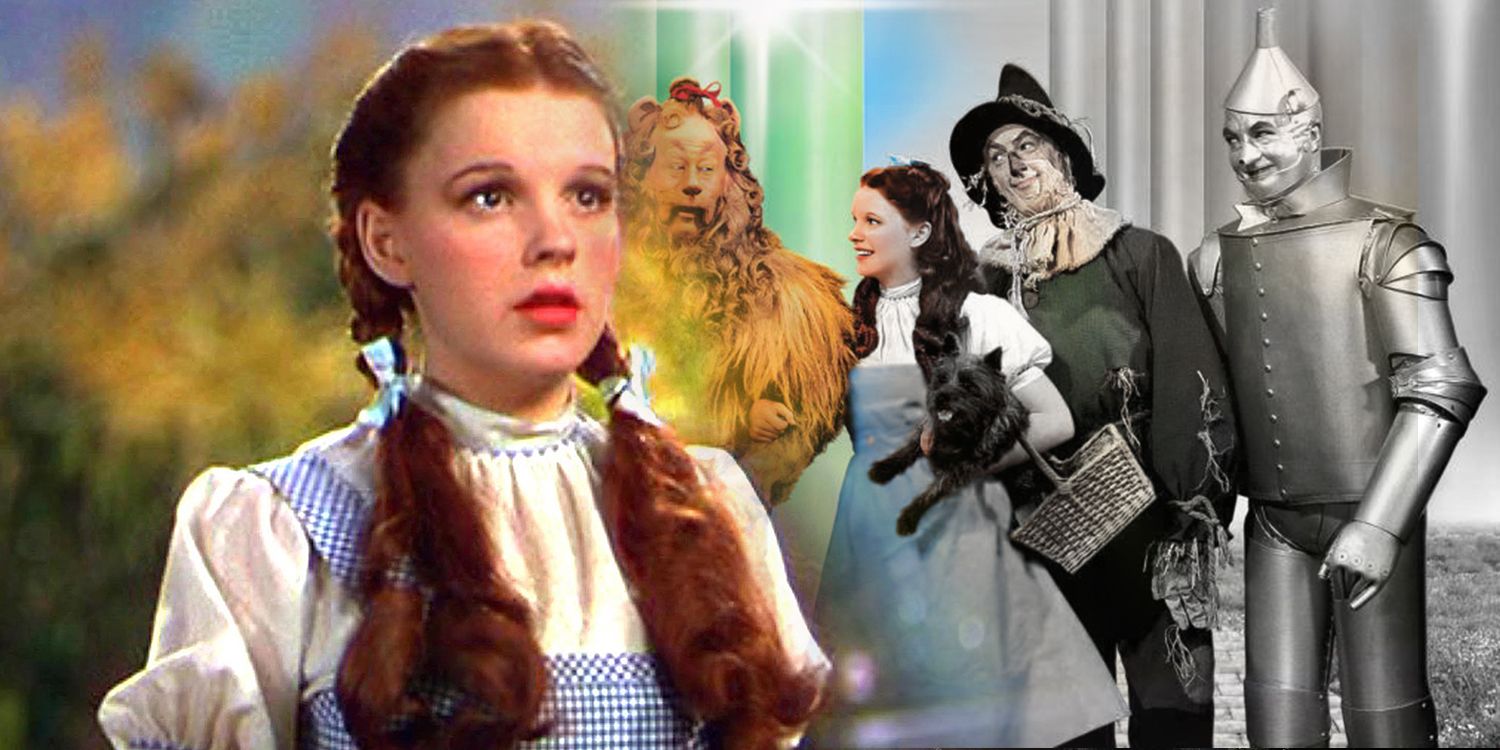
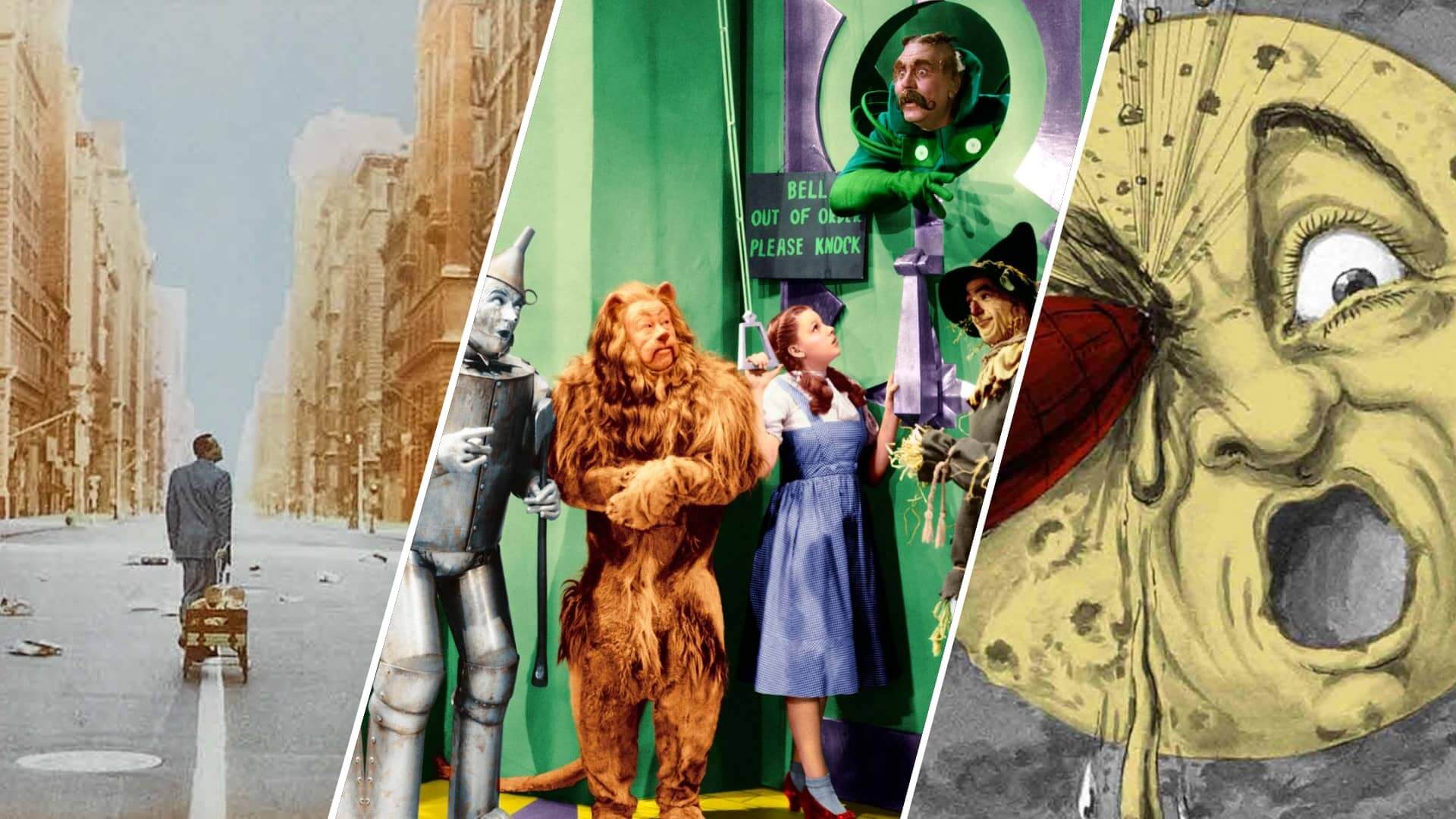
Three-strip Technicolor delivered a full, rich, and stable color palette previously unimaginable. Its introduction was a massive financial gamble, requiring entirely new cameras (which Technicolor leased and operated themselves, often dictating production terms) and a highly specialized lab process. However, the payoff was immense. The vibrant hues of Disney’s “Flowers and Trees” (1932) and “Snow White and the Seven Dwarfs” (1937), the fantastical landscapes of “The Wizard of Oz” (1939), and the sweeping epic “Gone with the Wind” (1939) became synonymous with the Technicolor brand. Technicolor wasn’t just a technology; it was a brand promise of spectacle, grandeur, and unparalleled visual quality. Its high cost and technical demands meant it was primarily reserved for major studio productions, establishing itself as the premium, high-budget choice for a whole generation of filmmakers. It represented a monumental investment in both technology and marketing, reshaping the financial models of Hollywood.
Kodachrome: Color for the Masses
While Technicolor dominated the professional filmmaking landscape, the average person still lacked an accessible color film for personal photography. This changed dramatically in 1935 with the introduction of Kodachrome by Eastman Kodak. Developed by musicians Leopold Godowsky Jr. and Leopold Mannes, working with Kodak research scientist C.E. Kenneth Mees, Kodachrome was a revolutionary subtractive reversal film.
Unlike Technicolor’s multiple film strips and complex dye-transfer process, Kodachrome was a single film strip, making it incredibly convenient for consumer cameras. Its secret lay in a highly intricate processing method. The film started as three separate layers of black-and-white emulsion, each sensitive to red, green, or blue light. During a multi-stage development process (requiring specialized Kodak labs), specific dye couplers were introduced to each layer to form cyan, magenta, and yellow dyes.
Kodachrome’s impact was immediate and profound. It delivered exceptionally sharp images with vibrant, long-lasting colors and fine grain. It became the film of choice for amateur photographers, photojournalists, and documentary filmmakers. Its distinctive look – often described as saturated yet natural – became iconic. National Geographic, for instance, famously relied on Kodachrome for decades.
Kodachrome represented a democratization of color photography. While the film itself was relatively affordable, the processing was proprietary and had to be sent to Kodak. This created a new financial ecosystem: Kodak sold the film, but also retained the lucrative processing business. The “Kodachrome” brand became synonymous with capturing life’s moments in vivid color, empowering millions to document their experiences. It wasn’t just a technological marvel; it was a marketing triumph that made color photography accessible to the mainstream, generating immense profits for Kodak and cementing its position as a global leader in imaging.
The Enduring Legacy and Modern Implications
The journey from Maxwell’s theoretical demonstration to the widespread availability of Technicolor and Kodachrome profoundly altered our visual culture. Yet, the story didn’t end there; it evolved, adapting to new technologies and new demands, constantly redefining what “color film” truly means.
From Analog Dreams to Digital Realities
The latter half of the 20th century saw the proliferation of various color film stocks, from Ektachrome to Fuji’s offerings, each refining the processes and pushing the boundaries of color accuracy and versatility. However, the biggest revolution came with the advent of digital imaging. Beginning in the late 1980s and accelerating into the 21st century, digital cameras and camcorders began to displace analog film.
Digital technology doesn’t rely on chemical reactions in emulsion layers but on electronic sensors (CCDs or CMOS) that capture light as pixels. These sensors typically use a Bayer filter array, a mosaic of red, green, and blue filters, to record color information for each pixel, much like Maxwell’s original concept but on a micro-electronic scale. This raw data is then processed by internal algorithms to reconstruct a full-color image.
The transition from analog to digital brought both challenges and immense benefits. Initially, digital images struggled to match the dynamic range and subtle tonality of film. However, rapid technological advancements quickly surpassed film in many aspects, offering instant feedback, incredible sensitivity, and unprecedented flexibility in post-production. Digital color correction, grading, and manipulation became standard, allowing filmmakers and photographers to precisely control the “look” of their images without the physical constraints of film chemistry. The principles of color theory, whether additive or subtractive, still underpin digital imaging, but the tools have shifted from darkroom chemicals to powerful software and algorithms, representing a monumental technological leap.
Color as a Branding and Financial Powerhouse
The story of color film is not just a technological narrative; it’s a powerful case study in branding and financial strategy. Early color processes were luxury items, their high cost limiting access to the wealthy or major film studios. Technicolor, by controlling its cameras and processing, positioned itself as an exclusive, premium brand, dictating terms to studios but guaranteeing a visually stunning product. This created an aspirational image around color films, distinguishing them from their black-and-white counterparts and commanding higher box office prices.
Kodak, on the other hand, strategically aimed for the consumer market with Kodachrome, building a global brand that symbolized accessibility, quality, and the ability to capture personal memories. Their business model, integrating film sales with proprietary processing, created a sustainable and highly profitable enterprise. The shift to color transformed advertising, allowing brands to showcase products with lifelike appeal, dramatically increasing consumer engagement and sales.
Today, color remains a critical branding tool in every visual medium. From a film director’s choice of a specific color palette to convey mood, to a corporation’s carefully chosen brand colors for their logo and marketing materials, color evokes emotion, establishes identity, and differentiates products in a crowded marketplace. Financially, the ability to control and manipulate color in digital workflows has streamlined production costs, opened new avenues for creative expression, and continued to drive revenue in industries ranging from film and television to graphic design and e-commerce. The initial investment in color technology paid dividends many times over, proving its indispensable value to both artistic expression and commercial success.
In conclusion, the question “What was the first color film?” yields not one answer, but a rich tapestry of innovation, experimentation, and perseverance. From Maxwell’s pioneering scientific demonstration to the commercial successes of Autochrome, Kinemacolor, Technicolor, and Kodachrome, each step was a testament to human ingenuity. This journey wasn’t merely about adding hues to images; it was about transforming technology, creating powerful brands, and forging entirely new financial models that shaped the global entertainment and imaging industries, leaving an indelible, vibrant mark on our collective visual consciousness.
aViewFromTheCave is a participant in the Amazon Services LLC Associates Program, an affiliate advertising program designed to provide a means for sites to earn advertising fees by advertising and linking to Amazon.com. Amazon, the Amazon logo, AmazonSupply, and the AmazonSupply logo are trademarks of Amazon.com, Inc. or its affiliates. As an Amazon Associate we earn affiliate commissions from qualifying purchases.