
The phrase “40 acres and a mule” resonates through American history with a profound and often painful echo. It evokes a potent symbol of a promise made, then swiftly broken, to millions of newly freed African Americans at the close of the Civil War. Far more than a simple historical anecdote, it represents a pivotal moment when the trajectory of racial wealth and justice in the United States could have veered dramatically, offering a foundation for economic independence that was instead cruelly snatched away. Understanding “40 acres and a mule” is not merely about revisiting the past; it’s about dissecting the roots of persistent economic disparities, recognizing the enduring fight for equity, and considering how modern tools – from technology and branding to financial innovation – might contribute to fulfilling, in spirit if not in letter, the unmet promise of true liberation.
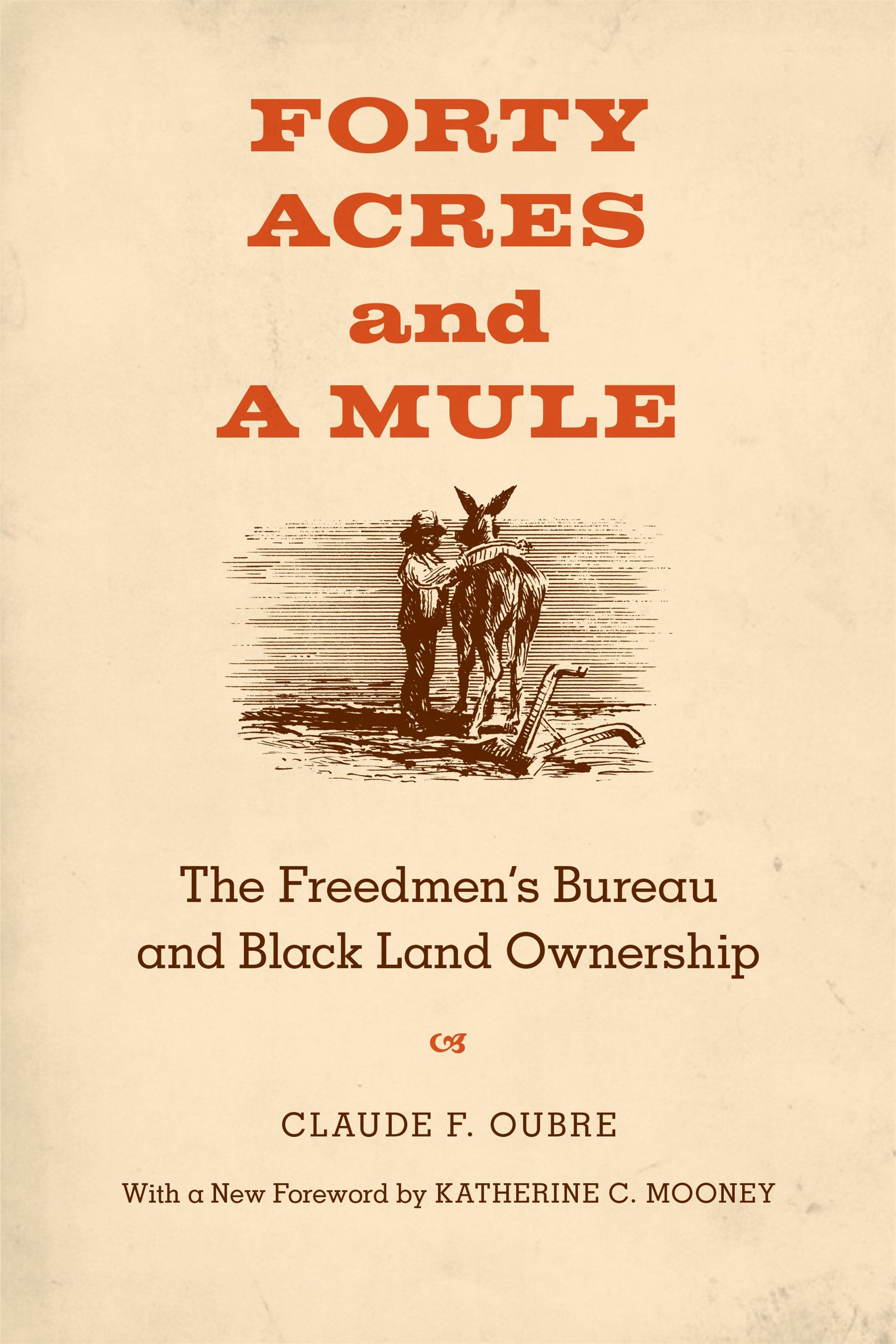
The Historical Promise: A Glimmer of Economic Justice
The context of “40 acres and a mule” is steeped in the tumultuous aftermath of the American Civil War, a period of immense social and political upheaval. The emancipation of four million enslaved people presented an unprecedented challenge: how to integrate a vast population, stripped of their labor, property, and often their very identity, into the economic and social fabric of the nation. For many, true freedom meant not just the absence of chains, but the presence of the means to self-sufficiency.
Roots of the Promise: Sherman’s Special Field Orders No. 15
The concrete origins of “40 acres and a mule” lie in the directives issued by Union General William Tecumseh Sherman in January 1865. As Sherman’s devastating “March to the Sea” concluded and his army advanced through Georgia and the Carolinas, thousands of formerly enslaved people followed in their wake, seeking protection and opportunity. Faced with this burgeoning population, and after a crucial meeting with twenty Black ministers and community leaders in Savannah, Georgia, Sherman issued Special Field Orders No. 15.
This order designated a vast tract of confiscated Confederate land along the coast of South Carolina, Georgia, and Florida, extending 30 miles inland, for exclusive settlement by Black families. Each family was to receive “not more than forty acres of tillable ground.” The intent was clear: to provide a tangible pathway to economic independence for those who had been systematically denied it. While the order itself did not explicitly mention mules, the popular association quickly formed. Surplus army mules, often left behind or sold off after military campaigns, were indeed distributed to some freedmen, further solidifying the powerful imagery of “40 acres and a mule” as the complete package for self-sufficiency and agricultural autonomy.
The issuance of Special Field Orders No. 15 was revolutionary. It represented a bold, albeit temporary, experiment in land redistribution and economic reparations. For the freed people, it was a beacon of hope – the promise of owning their own land, cultivating their own crops, and finally reaping the rewards of their labor, free from the brutal oversight of their former enslavers. They saw it as justice, a rightful compensation for generations of unpaid toil.
Andrew Johnson’s Reversal: A Dream Deferred
This glimmer of hope, however, proved tragically short-lived. Following President Abraham Lincoln’s assassination in April 1865, Andrew Johnson assumed the presidency. A Tennessee Democrat with strong sympathies for the South and a deeply racist worldview, Johnson swiftly moved to undo the progressive policies of Reconstruction, including Sherman’s orders.
Johnson believed in the sanctity of private property and argued that the confiscated lands should be returned to their original white owners. Through a series of executive pardons issued to former Confederates, he effectively nullified Special Field Orders No. 15. By the fall of 1865, federal troops were dispatched to inform the Black settlers on these lands that they had to vacate, and the land was to be returned to the very individuals who had fought to preserve slavery.
The reversal was devastating. Thousands of families, who had just begun to establish themselves, build homes, and sow crops, were forcibly evicted. They lost their land, their nascent economic stability, and, for many, their faith in the federal government’s commitment to their freedom. This act marked a critical turning point. Instead of receiving a foundational asset for wealth creation, African Americans were largely left landless, forced back into exploitative labor systems like sharecropping and tenant farming, which perpetuated a cycle of debt and dependency reminiscent of slavery itself. The promise of “40 acres and a mule” was not just deferred; it was systematically dismantled, laying the groundwork for enduring economic injustice for generations to come.
The Enduring Legacy: Economic Disparity and the Wealth Gap
The failure to deliver on the promise of “40 acres and a mule” had profound and lasting repercussions, shaping the economic landscape for African Americans for over a century and a half. This broken promise wasn’t merely a missed opportunity; it was a foundational injustice that actively created and exacerbated the racial wealth gap we observe today.
From Landlessness to Intergenerational Poverty
Without land, formerly enslaved people lacked the primary asset for wealth accumulation in an agrarian society. Land provided not only sustenance and income but also collateral for loans, a legacy to pass on to heirs, and a source of political and social power. Stripped of this potential, Black Americans were relegated to the lowest rungs of the economic ladder.
The economic systems that emerged after Reconstruction—sharecropping and tenant farming—were designed to keep Black laborers in perpetual debt to white landowners. They were essentially a new form of servitude, preventing any real accumulation of capital or social mobility. Beyond agriculture, discriminatory practices such as “Black Codes,” Jim Crow laws, and later, redlining in urban areas, systematically denied Black Americans access to education, fair wages, business opportunities, and homeownership—the very mechanisms through which other immigrant groups and white Americans built wealth.
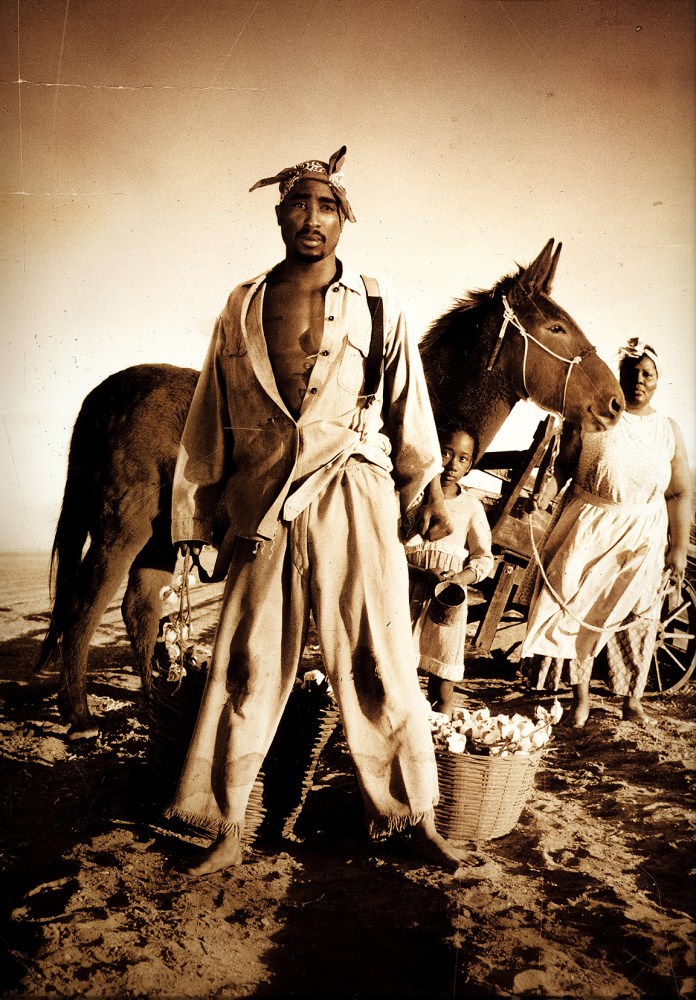
These systemic barriers compounded over generations. Each generation of Black families started with fewer assets, faced greater hurdles, and inherited the economic disadvantages of their forebears. The effects are starkly visible in the contemporary racial wealth gap, where the average Black family holds significantly less wealth than the average white family. This gap is not simply due to individual choices; it is a direct consequence of historical policies, with the denial of “40 acres and a mule” standing as a monumental initial blow that prevented the establishment of generational wealth.
“40 Acres” as a Modern Symbol and Call to Action
Despite its historical origins, “40 acres and a mule” remains a potent and frequently invoked symbol in modern discourse. It represents the quintessential example of America’s unfulfilled promise of equality and economic justice for its Black citizens. The phrase is a shorthand for systemic racism, broken trust, and the deep-seated structural inequalities that persist.
Its continued use underscores the idea that historical injustices demand contemporary remedies. For many, “40 acres and a mule” has evolved into a rallying cry for reparations – a concept that seeks to address the lingering economic effects of slavery and subsequent discriminatory practices. Discussions around reparations are not limited to direct financial compensation but also encompass investments in Black communities, land reform initiatives, educational endowments, and programs aimed at fostering Black entrepreneurship and homeownership.
The symbol also connects historical injustice to contemporary issues like disparities in housing, access to capital for Black-owned businesses, and the challenges faced by Black farmers. It serves as a powerful reminder that the current economic landscape for Black Americans cannot be fully understood or addressed without acknowledging the profound impact of past policies and the systemic denial of opportunity. The persistent invocation of “40 acres and a mule” ensures that the historical debt remains visible, fueling ongoing movements for true equity and a reckoning with America’s past.
Technology, Brand, and Money: Modern Echoes of an Ancient Promise
While “40 acres and a mule” is rooted in the 19th century, its legacy directly informs contemporary discussions across technology, branding, and finance. The systemic issues it highlighted — economic exclusion, lack of access to resources, and the struggle for self-determination — find modern parallels and potential solutions in these dynamic sectors.
Tech’s Role in Unearthing and Addressing Historical Injustice
Technology, paradoxically, offers powerful tools to both illuminate the past injustices encapsulated by “40 acres and a mule” and potentially mitigate their ongoing effects.
- Digital Archives & Genealogy: AI-powered optical character recognition (OCR) and sophisticated search algorithms are revolutionizing historical research. Digital archives now make vast collections of records – census data, Freedmen’s Bureau documents, land deeds – accessible to researchers and descendants. This enables individuals to trace their family histories, uncover ancestral land claims, and understand the specific impacts of historical policies on their forebears, providing concrete evidence of the broken promise. Genealogical platforms are fostering a greater understanding of lineage and the intergenerational trauma and economic disenfranchisement that resulted.
- Geospatial Technology (GIS): Geographic Information Systems (GIS) can visually map historical land ownership patterns, identify regions targeted by Sherman’s orders, and overlay them with current demographics and economic indicators. This allows for powerful visualizations of how the denial of land contributed to present-day spatial inequalities, redlining patterns, and concentrated areas of poverty. Such data can be crucial for advocacy groups seeking to demonstrate the tangible links between past injustices and current disparities.
- Financial Inclusion & Fintech: The digital revolution in finance offers new avenues for economic empowerment. Fintech tools, from mobile banking apps to online lending platforms, are democratizing access to financial services for underserved communities, addressing some of the barriers that prevented Black Americans from accumulating wealth. Micro-lending platforms and digital payment systems can support small businesses and entrepreneurs, offering a modern equivalent of the “mule” – tools for self-sufficiency and growth. Bridging the digital divide, ensuring equitable access to broadband and devices, is essential, as this gap can perpetuate economic exclusion in the digital age, echoing historical disparities in access to resources.
- AI for Policy Analysis: Advanced AI and data analytics can model the long-term economic impacts of historical policies like the denial of “40 acres and a mule.” These tools can help economists and policymakers quantify the wealth that was lost, project the benefits of potential reparations programs, and design equitable investment strategies that address systemic imbalances in housing, education, and business development.
Branding Justice: The Power of Narrative and Identity
The phrase “40 acres and a mule” itself is a powerful brand – a concise, memorable symbol that encapsulates a complex historical injustice and its enduring ramifications.
- The “Brand” of 40 Acres: The phrase has become shorthand, a cultural touchstone representing broken promises and the fight for racial economic justice. Its continued relevance demonstrates the power of a simple, evocative “brand” to convey a deep historical narrative and maintain its potency across generations. It’s a brand that compels recognition, fuels activism, and shapes public discourse.
- Personal Branding for Advocates: In the digital age, activists, historians, and entrepreneurs leverage personal branding to amplify messages around economic justice, reparations, and Black wealth creation. Through social media, blogs, podcasts, and online campaigns, individuals build platforms to educate, advocate, and mobilize. Influencers and thought leaders can use their “brand” to draw attention to systemic issues, share success stories, and challenge prevailing narratives, effectively becoming modern-day storytellers for equity.
- Corporate Identity & Social Responsibility: As consumer awareness of social justice issues grows, companies are increasingly expected to demonstrate social responsibility. This includes acknowledging historical inequities, investing in diverse communities, and supporting Black-owned businesses. A company’s stance on these issues directly impacts its corporate identity and brand image. Authenticity is key; performative gestures are quickly identified, while genuine commitment to equity can significantly enhance a brand’s reputation and appeal. For example, brands that invest in financial literacy tools for underserved communities or support tech incubators for Black entrepreneurs are engaging with the spirit of “40 acres and a mule” by fostering economic opportunity.

Money Matters: Building Black Wealth in the Digital Age
The core of “40 acres and a mule” was about wealth creation and economic independence. Today, the pursuit of Black wealth takes on new forms, heavily influenced by digital tools and globalized markets.
- Online Income & Side Hustles: The internet has democratized entrepreneurship, offering new pathways to self-sufficiency that echo the desire for autonomy embedded in the “40 acres” promise. Digital platforms enable individuals to launch e-commerce businesses, offer freelance services, create and monetize content (blogs, YouTube, podcasts), and engage in various side hustles. These opportunities can provide income streams, build capital, and foster a sense of ownership and control over one’s economic destiny, a crucial element denied to generations of Black Americans.
- Investing & Financial Literacy: Access to financial markets, once the exclusive domain of the privileged, is now more accessible through online brokerage platforms and investment apps. Learning about stocks, bonds, real estate (both physical and fractional digital ownership), and other financial tools is critical for building intergenerational wealth. Financial literacy programs, often leveraging digital platforms, are empowering individuals to make informed investment decisions, budget effectively, and plan for long-term financial security, directly countering the historical denial of economic knowledge and opportunity.
- Crowdfunding & Community Finance: Digital crowdfunding platforms allow individuals and communities to pool resources for specific projects, businesses, or social initiatives. This modern form of collective investment can support Black-owned businesses that might struggle to secure traditional loans, fund community development projects, or even support reparations-focused initiatives. It represents a powerful form of community self-reliance, echoing historical efforts within Black communities to overcome systemic barriers through mutual aid and collective economic action.
The legacy of “40 acres and a mule” continues to define the landscape of economic justice in America. It stands as a stark reminder of a promise unfulfilled and the immense cost of that failure. Yet, as we navigate the complexities of the 21st century, the very tools and concepts of technology, brand, and money offer innovative avenues to understand, address, and perhaps, one day, truly overcome the enduring economic disparities rooted in that fateful historical moment. The pursuit of true economic empowerment for all remains an ongoing, vital endeavor, creatively leveraging modern resources to build a more equitable future.
aViewFromTheCave is a participant in the Amazon Services LLC Associates Program, an affiliate advertising program designed to provide a means for sites to earn advertising fees by advertising and linking to Amazon.com. Amazon, the Amazon logo, AmazonSupply, and the AmazonSupply logo are trademarks of Amazon.com, Inc. or its affiliates. As an Amazon Associate we earn affiliate commissions from qualifying purchases.