
The intricate dance of atmospheric forces constantly shapes our world, dictating everything from daily commutes to global trade. Among the various meteorological phenomena, fronts – the boundaries between air masses of different temperatures and densities – are key players in orchestrating our weather. While cold fronts sweep in with dramatic storms and warm fronts usher in milder, more stable conditions, there’s a less dynamic yet equally impactful player: the stationary front. Unlike its more active counterparts, a stationary front lives up to its name, lingering in one place, often for days, bringing with it a unique set of weather patterns that demand our attention and preparedness.
Understanding stationary fronts is not just an academic exercise for meteorologists; it’s a crucial insight for businesses, individuals, and anyone whose life or livelihood is touched by the environment. From leveraging cutting-edge technology for precise forecasting to strategizing financial resilience and building robust brand identities, the implications of prolonged, stagnant weather are far-reaching. This article delves into the specific weather characteristics brought by stationary fronts, exploring their formation, impact, and the innovative ways we can adapt and thrive in their presence, connecting these atmospheric insights to the worlds of tech, branding, and money.
Understanding the Nature of Stationary Fronts
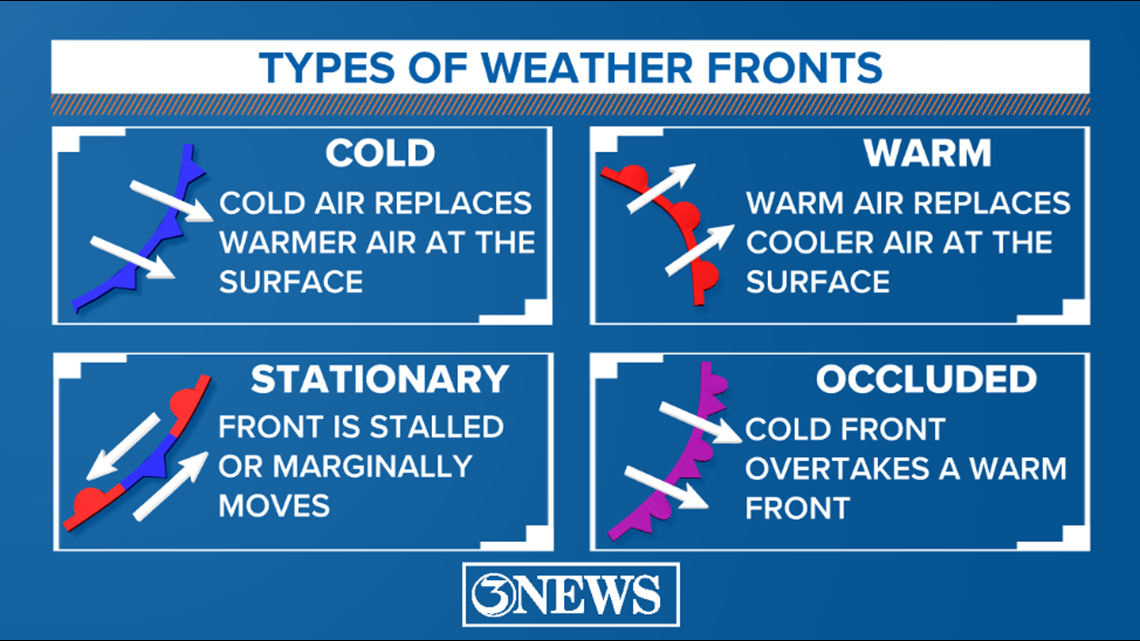
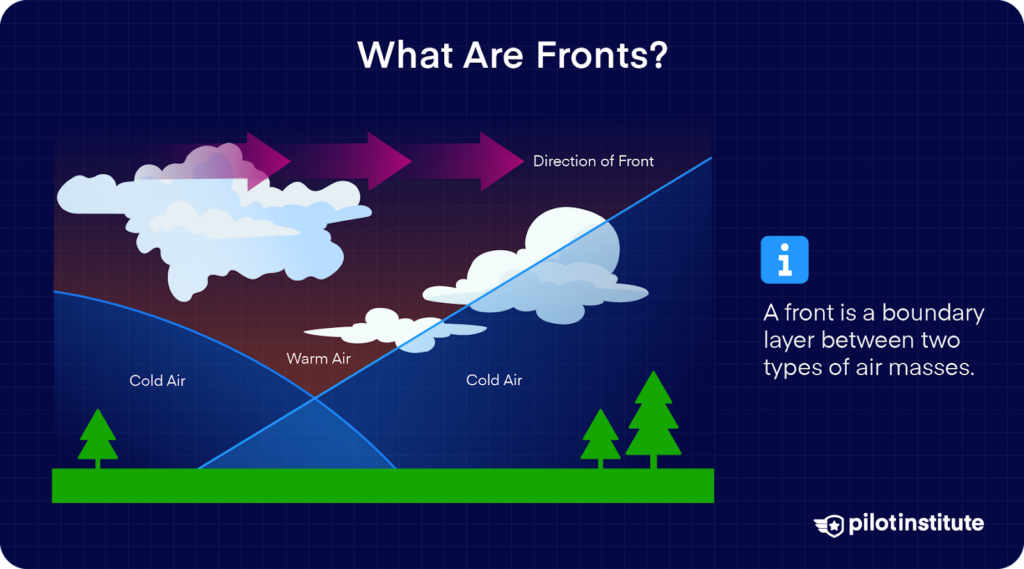
To truly grasp the weather they produce, we must first understand what a stationary front is and how it differs from other frontal systems. In essence, a front is a battleground where air masses with distinct properties meet. A cold front occurs when a colder, denser air mass pushes into and under a warmer, lighter air mass, forcing the warm air upwards rapidly. This often leads to sharp temperature drops, strong winds, and intense, localized precipitation like thunderstorms. Conversely, a warm front forms when a warmer air mass advances over a retreating colder air mass, creating a more gradual ascent of warm air. This typically results in widespread, lighter precipitation over a longer period, followed by rising temperatures.
A stationary front, however, is characterized by a stalemate. It forms when two air masses meet, but neither is strong enough to displace the other. The opposing forces of the air masses essentially cancel each other out, causing the front to remain largely motionless. The wind flow on both sides of the front often runs parallel to the frontal boundary, preventing any significant horizontal movement. This atmospheric deadlock is the fundamental reason behind the distinct weather patterns associated with stationary fronts.
The Anatomy of Atmospheric Stagnation
The formation of a stationary front often involves complex atmospheric dynamics. It typically occurs in regions where large-scale weather systems are slow-moving or where upper-level steering currents are weak. Imagine two colossal, invisible forces pushing against each other with equal strength; they meet, but neither yields, creating a prolonged zone of convergence. This zone becomes the stationary front.
Key to its anatomy is the sustained temperature difference across the front. On one side, you might have a distinctly warmer air mass, while on the other, a cooler air mass persists. This temperature gradient is the energy source that fuels the weather activity along the front. However, because there’s no significant movement, the uplift of air (which causes cloud formation and precipitation) is more gentle and persistent rather than forceful and episodic. This subtle yet enduring interaction is what gives rise to the characteristic weather patterns we’ll explore. Without a dominant air mass to drive the system, the front can stubbornly sit for days, sometimes even a week or more, continuously influencing the local climate.
Identifying the Subtle Cues of a Stationary Front
While a cold front’s arrival might be heralded by dramatic drops in temperature and sudden downpours, stationary fronts offer more subdued, yet persistent, indicators. Meteorologists use a range of sophisticated tools to identify and track them. On weather maps, stationary fronts are typically depicted by an alternating pattern of red semicircles (pointing towards the cooler air, indicating a warm front influence) and blue triangles (pointing towards the warmer air, indicating a cold front influence), signifying the indecision of the frontal boundary.
Beyond visual representation, shifts in wind direction, though often subtle, are crucial. Winds on either side of the front will typically flow parallel to the front itself, rather than across it. Furthermore, a slow but steady drop in barometric pressure can indicate the approach of a frontal system, though with stationary fronts, this drop might stabilize as the system becomes entrenched. The advent of advanced weather modeling software and AI-driven predictive analytics (a nexus of Tech innovation) has dramatically improved our ability to detect these nuanced cues, providing earlier and more accurate warnings for communities and industries susceptible to their prolonged effects.
The Weather Patterns Defined by Stationary Fronts
The primary characteristic of weather brought by a stationary front is its persistence. Unlike the transient nature of many weather events, a stationary front can influence an area for an extended duration, leading to specific, often impactful, conditions.
Prolonged Precipitation and Persistent Cloud Cover
Perhaps the most common and significant weather effect of a stationary front is prolonged precipitation. As the warmer, moist air gently rises over the cooler, denser air along the stationary boundary, it cools and condenses, forming vast sheets of clouds. Because the front isn’t moving, this process can continue for many hours, even days, resulting in continuous light to moderate rain, drizzle, or, in colder months, snow or freezing rain. The precipitation is generally not intense, like the torrential downpours of a thunderstorm, but rather a steady, soaking rain that can accumulate significantly over time.
This persistent precipitation is almost invariably accompanied by extensive cloud cover. Skies often remain overcast for days, giving way to a dreary, grey atmosphere. Low-lying stratus clouds are common, contributing to reduced visibility, especially in conjunction with the ongoing precipitation. For individuals, this means consistently damp conditions; for agriculture, it can mean waterlogged fields; and for construction or outdoor events, significant logistical challenges.
Temperature Contrasts and Wind Dynamics
While a stationary front itself doesn’t move, the distinct air masses on either side maintain their temperature differences. This means that locations just a short distance apart, but on opposite sides of the front, can experience noticeably different temperatures. One side might be comfortably mild, while the other remains stubbornly cool, sometimes with a sharp dividing line between the two. This temperature gradient can be quite stable for the duration of the front’s presence.
Wind patterns associated with stationary fronts are also distinct. As mentioned, winds tend to blow parallel to the frontal boundary, rather than perpendicular to it. This can lead to persistent breezes or light winds from a consistent direction over the affected area. While typically not as strong or gusty as winds associated with rapidly moving fronts, these sustained winds can, in conjunction with precipitation, enhance the feeling of damp cold. Furthermore, the lack of significant wind shear or strong frontal lifting means that severe weather phenomena like tornadoes are less common directly along stationary fronts, though embedded thunderstorms can sometimes occur if sufficient instability is present.
The Risk of Flooding and Agricultural Impact
The most severe consequence of prolonged precipitation from a stationary front is the potential for flooding. When steady rain falls for days on end, soils become saturated, rivers and streams swell, and drainage systems can be overwhelmed. This can lead to localized flash flooding, urban flooding, and even widespread riverine flooding, depending on the topography and prior saturation levels. Flooding, in turn, poses significant risks to infrastructure, homes, businesses, and human life.
For agriculture, extended periods of dampness and lack of sunlight can be detrimental. Crops might suffer from excessive moisture, leading to rot, fungal diseases, or hindered growth. Planting or harvesting schedules can be severely disrupted, impacting yields and, consequently, farmers’ incomes. The inability to access fields due to muddy conditions or the delay of crucial farming operations can have cascading economic effects, highlighting the critical link between weather, money, and the resilience of our food supply chains.
Leveraging Technology for Forecasting and Resilience
In an era defined by rapid technological advancement, our ability to predict, monitor, and respond to weather phenomena like stationary fronts has evolved dramatically. The nexus of Tech, particularly in the fields of AI, software development, and sensor networks, plays a pivotal role in mitigating the adverse effects of prolonged weather events.
Advancements in Meteorological Software and AI

Modern weather forecasting is a marvel of computational power and sophisticated algorithms. Supercomputers process vast datasets from global observing systems, running complex numerical weather prediction (NWP) models that simulate atmospheric physics. For stationary fronts, these models are critical for predicting not only their formation and location but also how long they might persist and the cumulative precipitation they will generate. AI and machine learning (ML) are increasingly augmenting these traditional methods. ML algorithms can analyze historical weather data in conjunction with real-time observations to identify patterns and improve the accuracy of short-term and medium-term forecasts, especially regarding the duration and intensity of stationary front precipitation.
Specialized meteorological software allows forecasters to visualize this data in intricate detail, identifying subtle atmospheric cues that indicate stagnation. These tools are indispensable for issuing timely warnings, which are vital for public safety, transportation planning, and resource management during prolonged weather events.
IoT Sensors and Predictive Analytics for Early Warning
The proliferation of Internet of Things (IoT) sensors has created a dense network of environmental monitoring capabilities. Smart weather stations, connected rain gauges, soil moisture sensors, and river level monitors provide real-time, localized data that complements broader meteorological models. When a stationary front is anticipated, this granular data becomes invaluable. Predictive analytics, driven by both AI and human expertise, can integrate this sensor data to forecast localized flooding risks with greater precision.
For instance, in agriculture, IoT soil sensors can warn farmers of impending waterlogging, allowing them to take preventative measures or adjust irrigation schedules. In urban areas, smart drainage systems can be monitored and managed proactively to prevent backups. This ability to gather, transmit, and analyze vast amounts of localized data rapidly transforms our reactive approach to weather into a proactive one, enhancing preparedness and productivity across various sectors.
Digital Tools for Preparedness and Productivity
Beyond forecasting, technology offers a suite of tools for individuals and businesses to navigate the challenges posed by stationary fronts. Weather apps, no longer mere temperature displays, now offer hyper-localized, minute-by-minute precipitation forecasts, crucial for planning outdoor activities or construction work during intermittent breaks in rain. Digital security becomes paramount when infrastructure is under strain from weather; protecting critical data and operational systems from power outages or connectivity issues ensures business continuity.
Productivity software and cloud-based collaboration tools allow teams to continue working remotely when adverse weather makes travel unsafe, mitigating disruptions. For instance, supply chain management software can re-route logistics to avoid flood-prone areas, ensuring goods reach their destination. These digital tools collectively form a robust defense mechanism, allowing society to maintain a degree of normalcy and economic activity even when atmospheric conditions are stubbornly unfavorable.
Economic and Branding Implications of Prolonged Weather Events
The extended influence of a stationary front carries significant economic repercussions and distinct challenges for brand perception and strategy. From direct financial losses to the subtle erosion of brand trust, understanding and addressing these impacts is critical for sustainable business operations.
Safeguarding Assets: Financial Planning and Insurance Strategies
The economic impact of prolonged precipitation and potential flooding from stationary fronts can be substantial. Agricultural losses, damage to infrastructure, disrupted supply chains, and decreased consumer spending due to adverse conditions can run into billions. For businesses, this translates to lost revenue, increased operational costs, and potential asset damage. This is where robust financial planning and comprehensive insurance strategies become indispensable.
Businesses and homeowners must assess their vulnerability to weather-related risks and invest in appropriate insurance coverage – flood insurance, business interruption insurance, and crop insurance are vital safeguards. Beyond insurance, proactive financial planning involves establishing emergency funds, diversifying income streams, and investing in climate-resilient infrastructure. For investors, understanding weather patterns and their economic implications can inform investment decisions, favoring companies with resilient supply chains, robust disaster recovery plans, or those innovating in climate adaptation technologies. Climate financing, the funding of investments that reduce greenhouse gas emissions and increase resilience to climate change, also becomes increasingly relevant in this context.
Building Brand Trust in the Face of Atmospheric Stagnation
A company’s response to challenging weather events directly impacts its brand reputation and corporate identity. When stationary fronts cause widespread disruptions, how a utility company restores power, how a logistics firm communicates delays, or how a local business supports its community can either strengthen or severely damage its brand image. Transparent and proactive crisis communication is paramount. Brands that demonstrate empathy, efficiency, and a commitment to customer well-being during adverse weather build invaluable trust and loyalty.
For example, a tech company providing weather-related apps or services must ensure their tools are reliable and accurate during critical periods, solidifying their brand as a trustworthy source of information. Manufacturers of rain gear or outdoor equipment can leverage prolonged wet spells in their marketing and design strategies, showcasing the durability and effectiveness of their products. Furthermore, corporate social responsibility initiatives focused on climate resilience, sustainable infrastructure, or community support during weather emergencies can significantly enhance a brand’s identity as a responsible and caring entity.
Navigating Supply Chains and Investment Opportunities
Prolonged weather events from stationary fronts can snarl supply chains, delaying raw materials, finished goods, and essential services. Businesses must develop agile and resilient supply chain strategies, potentially including diversified sourcing, strategic warehousing, and advanced logistics planning that leverages real-time weather data. The ability to pivot quickly and communicate effectively with partners and customers becomes a competitive advantage.
Paradoxically, these challenges also create new investment opportunities. There’s a growing market for technologies and services that enhance weather resilience: flood barriers, advanced drainage systems, weather-resistant building materials, and innovations in climate-smart agriculture. Investment in companies that develop predictive analytics for supply chains, or those offering insurance tech solutions tailored to specific weather risks, can yield significant returns. Even the online income and side hustle economy benefits, as demand rises for content creators focused on preparedness, or data analysts specializing in weather-impact modeling for various industries. The financial landscape shifts, rewarding foresight and adaptability in the face of persistent environmental challenges.
Adapting and Thriving in a Changing Climate
The weather brought by stationary fronts – their persistence, the prolonged precipitation, and the potential for flooding – underscores a broader truth: our relationship with the climate is dynamic and demands continuous adaptation. As global weather patterns evolve, understanding specific phenomena like stationary fronts becomes even more critical for building resilience at every level.
Personal and Business Strategies for Weather Preparedness
On a personal level, preparedness means having emergency kits, understanding local flood risks, securing property, and staying informed through reliable weather sources. It means making conscious choices about housing location and personal insurance. For businesses, it extends to comprehensive disaster recovery plans, cross-training employees for diverse roles, maintaining redundant systems, and fostering a culture of adaptability. This might involve investing in weather-resistant infrastructure, implementing smart building technologies, or simply ensuring robust communication channels are in place. These strategies are not just about surviving adverse weather; they are about maintaining productivity, safeguarding assets, and ensuring continuity in the face of increasingly complex environmental factors.
The Future of Weather Intelligence
The future of navigating weather phenomena like stationary fronts lies in advanced weather intelligence. This involves a synergistic blend of cutting-edge technology – AI, IoT, satellite imagery, and high-performance computing – with deep meteorological expertise and proactive policy-making. It means developing more precise, hyper-localized forecasts that can predict the exact timing and cumulative impact of prolonged precipitation. It involves smart city initiatives that integrate weather data into urban planning, infrastructure design, and emergency services.
Moreover, true weather intelligence will extend beyond prediction to encompass adaptive strategies for a changing climate. It will inform decisions about sustainable development, resource management, and even global trade routes. As stationary fronts continue to pose their unique challenges, our ability to integrate technological prowess, sound financial planning, and robust brand resilience will determine our collective capacity to adapt and thrive in an increasingly unpredictable world. Understanding these atmospheric stalemates is not just about knowing what type of weather they bring; it’s about empowering ourselves with the knowledge and tools to mitigate their impact and build a more resilient future.
aViewFromTheCave is a participant in the Amazon Services LLC Associates Program, an affiliate advertising program designed to provide a means for sites to earn advertising fees by advertising and linking to Amazon.com. Amazon, the Amazon logo, AmazonSupply, and the AmazonSupply logo are trademarks of Amazon.com, Inc. or its affiliates. As an Amazon Associate we earn affiliate commissions from qualifying purchases.