
Diorite, a fascinating igneous rock, occupies a significant place in both geological classification and practical applications. While its name might not be as instantly recognizable as granite or basalt, understanding what type of rock diorite is reveals a story of geological formation, distinct mineral composition, and a surprising range of uses, from ancient construction to modern industrial processes. This exploration delves into the fundamental characteristics of diorite, situating it within the broader landscape of rock types, and considering its relevance in a world increasingly driven by technology, branding, and financial considerations.
Unpacking Diorite’s Igneous Identity: Intrusive, Intermediate, and Crystalline
At its core, diorite is classified as an igneous rock. This means it originates from the cooling and solidification of molten rock, known as magma or lava. The specific conditions under which this cooling occurs dictate the final texture and mineral makeup of the rock. Diorite is specifically an intrusive or plutonic igneous rock. This designation signifies that the magma from which it formed cooled slowly deep beneath the Earth’s surface, allowing ample time for large, well-defined mineral crystals to develop. This slow cooling process is crucial to diorite’s characteristic appearance and properties.
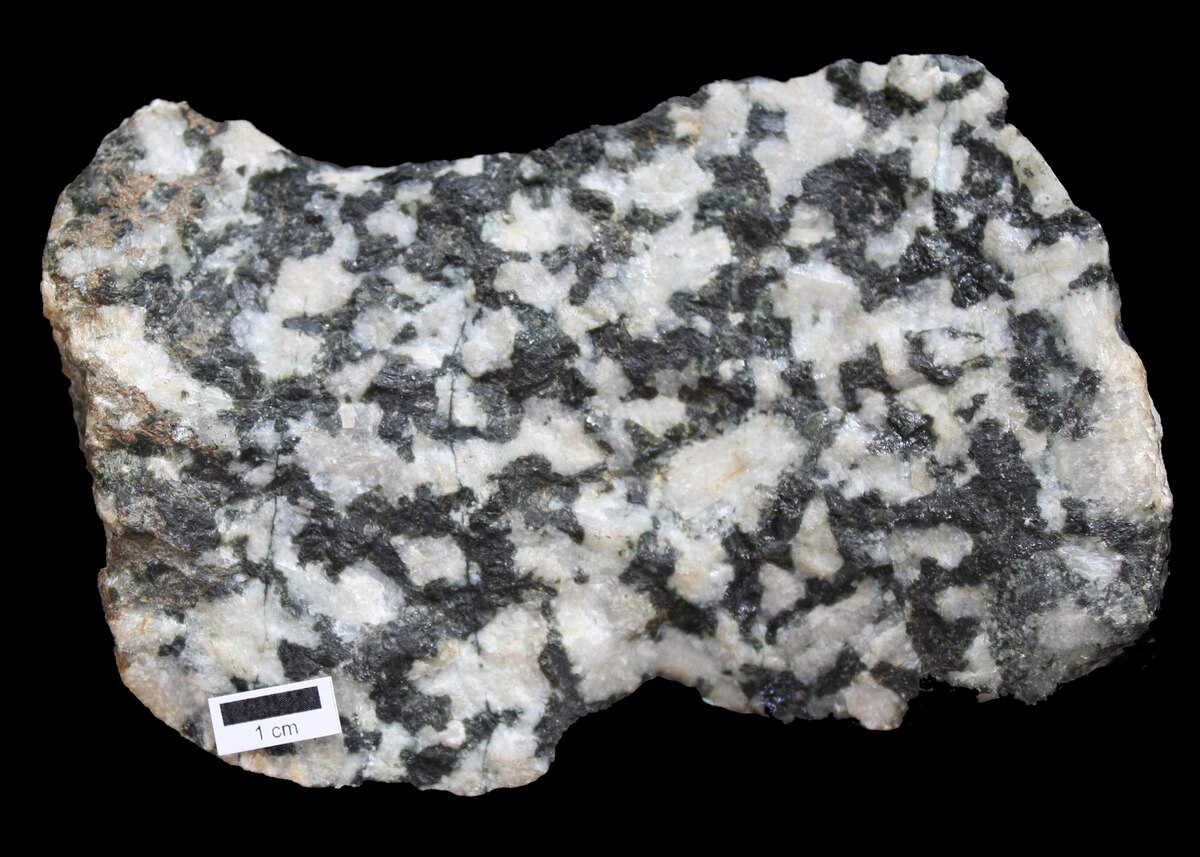
Beyond its intrusive nature, diorite is further categorized as an intermediate rock. This classification refers to its silica content, which falls between that of felsic rocks (like granite, with high silica) and mafic rocks (like basalt, with low silica). This intermediate silica content is a key determinant of diorite’s mineral assemblage and its overall chemical composition.
The visual hallmark of diorite is its phaneritic texture. This term describes an igneous rock composed of visible, interlocking crystals, a direct result of its slow subterranean cooling. When you examine a piece of diorite, you’ll typically see a mosaic of light-colored and dark-colored mineral grains, each clearly distinguishable to the naked eye. This contrasts sharply with aphanitic rocks, where crystals are too small to be seen without magnification.
The Mineralogical Fingerprint of Diorite
The answer to “what type of rock is diorite” is deeply rooted in its mineral composition. Diorite is primarily composed of plagioclase feldspar, a group of aluminum silicate minerals that contain varying amounts of sodium and calcium. In diorite, the plagioclase feldspar tends to be intermediate in composition, meaning it has a balance of both sodium and calcium, often appearing as white or light gray crystals.
Complementing the plagioclase feldspar are significant amounts of mafic minerals. These are dark-colored silicate minerals rich in iron and magnesium. Common mafic minerals found in diorite include:
- Hornblende: This is a dark, prismatic mineral that is a cornerstone of diorite’s characteristic dark speckles.
- Biotite: Often referred to as “black mica,” biotite contributes black flakes and contributes to diorite’s speckled appearance.
- Augite: Another dark, iron-rich pyroxene mineral that can be present in varying amounts.
The relative proportions of plagioclase feldspar and these mafic minerals are what give diorite its distinctive salt-and-pepper or speckled appearance. Unlike granite, which contains abundant quartz and potassium feldspar (giving it a more uniformly light, often pinkish or whitish hue), diorite’s higher proportion of mafic minerals lends it a darker, more mottled look. Similarly, it’s distinct from gabbro, a darker intrusive igneous rock with a higher proportion of mafic minerals like pyroxene and olivine, and typically less plagioclase.
The presence of quartz in diorite is variable. Some diorites contain small amounts of quartz, while others are essentially quartz-free. If quartz is present in significant quantities, the rock might be classified as quartz diorite, a slightly different but related rock type. The absence of abundant potassium feldspar is a key differentiator from granite.
Diorite’s Geological Genesis: A Tale of Magmatic Mixing
The formation of diorite is intrinsically linked to processes occurring deep within the Earth’s crust and upper mantle. Its intermediate composition suggests a complex magmatic history, often involving the mixing of different magma types. Geologists hypothesize that diorite can form through several scenarios:
Subduction Zone Magmatism: The Primary Driver
One of the most common settings for diorite formation is in subduction zones. Here, one tectonic plate slides beneath another, leading to melting in the overlying mantle wedge. This melting process generates magma that is typically basaltic (mafic) in composition. As this basaltic magma rises through the continental crust, it can interact with and melt the surrounding crustal rocks, which are often granitic (felsic) in composition.
This assimilation and mixing of basaltic and granitic magmas can result in a hybrid magma with an intermediate silica content – the precursor to diorite. The cooling and solidification of this mixed magma deep within the crust, under conditions of high pressure and temperature, give rise to the phaneritic texture and mineralogy characteristic of diorite. The slow cooling allows the plagioclase feldspar and mafic minerals to crystallize in interlocking grains.

Fractional Crystallization and Assimilation
Another significant factor in diorite genesis is fractional crystallization. As a magma cools, different minerals crystallize at different temperatures. Early crystallizing minerals are typically mafic (rich in iron and magnesium) and settle out of the remaining melt. If this process continues, the residual magma becomes enriched in silica and lighter elements, eventually leading to the formation of more felsic rocks like granite. However, if the magma is a product of mixing, or if it assimilates surrounding crustal material, it can halt its evolution at the intermediate dioritic stage.
Assimilation, the process where a magma body incorporates and melts surrounding host rock, also plays a crucial role. If a basaltic magma assimilates a significant amount of felsic crustal rock, its composition will shift towards the intermediate range, potentially forming diorite.
Practical Applications and Modern Relevance: Beyond Geology
While the formation of diorite is a fascinating geological process, its distinctive appearance and durable nature have led to a variety of practical applications throughout history and into the modern era. Understanding these uses can shed light on the rock’s economic and cultural significance.
Historical and Architectural Significance
Diorite’s strength and its appealing speckled appearance made it a favored material for construction and sculpture in ancient civilizations. Its resistance to weathering and erosion ensured the longevity of structures and artifacts. For instance, diorite was used in ancient Egypt for monumental statues and sarcophagi, prized for its durability and the ability of skilled artisans to carve intricate details into its dense structure. The sheer hardness of diorite made it a challenging material to work with, but the enduring results spoke to its value.
In more recent times, diorite has been utilized as an ornamental stone in buildings and for landscaping. Its speckled, monochrome aesthetic can provide a sophisticated and timeless look, making it a choice for countertops, flooring, and architectural features where durability and visual appeal are paramount.
Modern Industrial Uses and Technological Connections
The geological and mineralogical properties of diorite also lend themselves to certain industrial applications. Its hardness and resistance to abrasion make it suitable for crushing into aggregate for use in concrete and road construction. While not as common as granite or basalt for large-scale road building, it can be a valuable component in specific applications requiring a durable aggregate.
In the realm of technology and AI, while diorite itself isn’t a direct technological component, its geological formation and analysis are increasingly intertwined with advanced scientific tools. Geologists use sophisticated AI tools for analyzing seismic data, mapping subsurface rock formations, and predicting the distribution of mineral resources, including diorite deposits. Understanding the geological context of diorite formation can aid in mineral exploration and resource management, indirectly supporting industries that rely on raw materials.
Furthermore, the study of rock formations like diorite contributes to our understanding of the Earth’s crust and mantle, providing data that can inform models for everything from geological hazard prediction to the development of new materials. The process of extracting and processing diorite for construction or industrial purposes also involves various productivity tools and digital security measures to ensure efficient and safe operations.
Branding and Material Science
From a brand strategy perspective, the inherent qualities of diorite – its durability, natural beauty, and historical significance – can be leveraged. A brand that incorporates diorite into its products or architecture can evoke a sense of permanence, strength, and classic elegance. For example, a luxury real estate developer might feature diorite in its signature buildings to convey a message of lasting value and sophisticated design.
The corporate identity of a company involved in quarrying or using diorite can be built around the rock’s intrinsic characteristics. A focus on craftsmanship, resilience, and natural heritage could form the core of such a brand. In design, the unique speckled pattern of diorite offers a distinct visual texture that can be a key element in interior design, product design, and graphic design. Case studies of successful architectural projects or product lines that utilize diorite can showcase its aesthetic versatility and functional benefits.

Conclusion: Diorite – A Rock of Geological Depth and Practical Value
In answering the question “what type of rock is diorite,” we uncover a story of geological processes, precise mineral compositions, and enduring practical utility. It is an intermediate, intrusive igneous rock, characterized by its phaneritic texture and a distinctive blend of plagioclase feldspar and mafic minerals like hornblende. Its formation, often linked to the complex magmatic processes within subduction zones, highlights the dynamic nature of our planet.
Beyond its geological classification, diorite’s strength and aesthetic appeal have cemented its place in human history and continue to find relevance today. From ancient monumental works to modern architectural accents and industrial applications, diorite stands as a testament to the Earth’s mineral wealth. As technology advances, our understanding and utilization of such natural resources will only deepen, further connecting the ancient world of rock formation with the contemporary landscape of innovation and industry. Diorite, in its quiet permanence, offers a tangible link to the Earth’s geological past and a versatile material for the future.
aViewFromTheCave is a participant in the Amazon Services LLC Associates Program, an affiliate advertising program designed to provide a means for sites to earn advertising fees by advertising and linking to Amazon.com. Amazon, the Amazon logo, AmazonSupply, and the AmazonSupply logo are trademarks of Amazon.com, Inc. or its affiliates. As an Amazon Associate we earn affiliate commissions from qualifying purchases.