
Popcorn. The very word conjures images of cozy movie nights, bustling carnivals, and the irresistible crunch of a simple, yet profoundly satisfying snack. It’s a universally beloved treat, a staple of cinemas and home entertainment alike, but how much do we truly understand about this unassuming kernel? Is all corn created equal when it comes to the dramatic transformation from hard seed to fluffy cloud? The answer, as many enthusiasts and scientists will attest, is a resounding no. Popcorn isn’t just any corn; it’s a specific, highly specialized variety, a testament to agricultural science, and surprisingly, a fascinating lens through which to explore the intertwined worlds of technology, branding, and economics.
In a world increasingly driven by innovation, strategic marketing, and financial acumen, even a seemingly simple commodity like popcorn reveals layers of complexity. From the genetic engineering that optimizes its pop-ability to the sophisticated branding strategies that define our consumption habits, and the multi-billion dollar industry that underpins it all, popcorn is far more than just a snack. It’s a biological marvel, an agricultural triumph, and a commercial powerhouse.
The Kernel of Truth: Understanding Zea Mays Everta
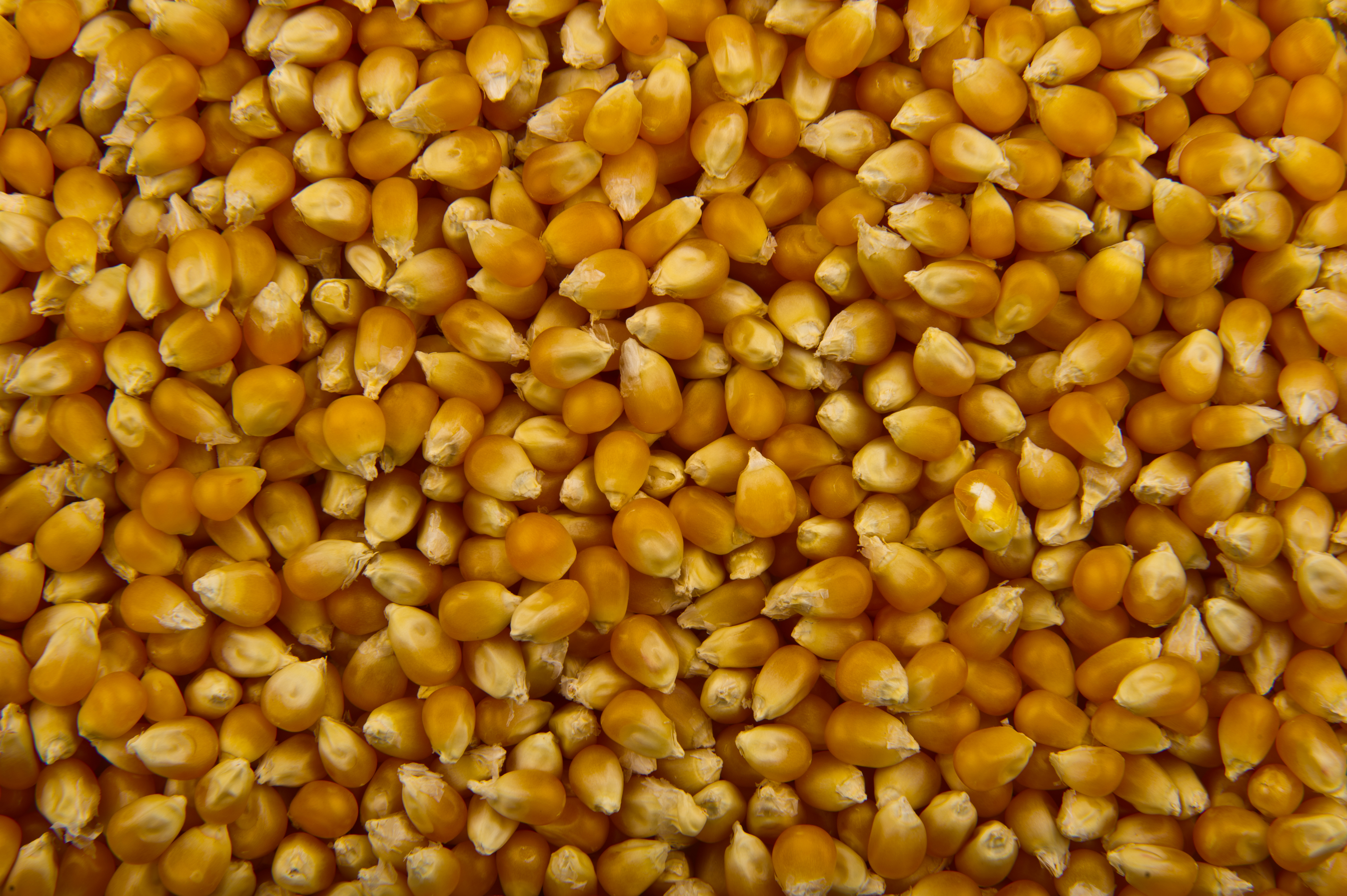
The magic of popcorn lies not in a secret ingredient or a mystical process, but in its very DNA. The type of corn specifically engineered for popping is known scientifically as Zea mays everta. This isn’t the sweet corn you buy for grilling, nor is it the field corn used primarily for animal feed or ethanol production. Zea mays everta is a distinct subspecies, a biological wonder perfectly designed by nature and refined by human ingenuity to explode into edible delight under the right conditions.
More Than Just a Snack: The Biology of Pop
At the heart of Zea mays everta‘s unique ability lies its peculiar physiological structure. Each popcorn kernel is a tiny, self-contained pressure cooker, meticulously engineered by millennia of natural selection and human cultivation. The key components are a hard, moisture-sealed outer shell called the pericarp, and a dense, starchy endosperm containing a small, crucial amount of water.
For a kernel to pop successfully, it needs to maintain an ideal internal moisture content, typically between 13.5% and 14%. When this kernel is heated, the moisture within the starchy endosperm turns into steam. Unlike other corn varieties, the pericarp of Zea mays everta is incredibly strong and non-porous. It acts as a pressure vessel, trapping the steam and allowing immense pressure to build up inside the kernel as the temperature rises. At approximately 180 degrees Celsius (356 degrees Fahrenheit), the pressure inside the kernel reaches a critical point – around 9 atmospheres, or about 135 pounds per square inch. At this moment, the pericarp can no longer withstand the internal force. It ruptures explosively, instantaneously releasing the superheated steam.
This sudden release of pressure causes the soft starch inside to gelatinize, expand dramatically, and puff outwards, inverting upon itself to form the familiar white, fluffy mass we know as popcorn. The rapid cooling upon exposure to the air solidifies the expanded starch into its characteristic irregular shape. This seemingly simple process is a complex interplay of physics and biology, a testament to the specialized nature of Zea mays everta.
A Legacy of Cultivation: From Ancient Snack to Modern Staple
The story of popcorn is deeply intertwined with human history, particularly with the indigenous peoples of the Americas. Archaeological evidence suggests that popcorn has been enjoyed for thousands of years, with findings in Peru dating back over 7,000 years, and discoveries in New Mexico hinting at cultivation as far back as 5,600 years ago. Early cultivators recognized the unique qualities of this specific corn variety, developing and refining it long before modern genetics.
Over millennia, selective breeding has optimized Zea mays everta for its popping characteristics. Farmers, often unknowingly applying principles of genetic selection, chose kernels that popped more reliably, produced larger flakes, and offered better texture. This continuous process of refinement has led to the various types of popcorn available today, broadly categorized by their popped shape: “butterfly” or “snowflake” popcorn, which has irregular wings and is favored in cinemas for its ability to hold butter and seasonings, and “mushroom” popcorn, a denser, rounder flake preferred for candy coating and gourmet applications due to its robust structure. The legacy of ancient agriculturalists, combined with modern scientific understanding, continues to shape the quality and availability of the popcorn we enjoy today.
Popping Into the Future: Technology’s Role in Popcorn Perfection
While the biological principles of popcorn have remained constant for millennia, the methods of its preparation, the scale of its production, and the intelligence behind its optimization have been revolutionized by technology. Far from a simple campfire treat, modern popcorn is a product shaped by advanced engineering, smart algorithms, and data-driven insights, perfectly aligning with contemporary tech trends.
From Stove-top to AI: The Evolution of Popping Tech
The evolution of popcorn-making equipment mirrors the broader trajectory of technological advancement. Early methods involved directly heating kernels over an open fire or in hot sand. The invention of the iron skillet brought the process indoors, allowing for more controlled heat. The 20th century, however, truly ushered in the era of specialized popping technology.
The 1930s saw the popularization of dedicated stove-top poppers, often with hand-cranked stirrers to prevent burning. The 1970s and 80s brought a wave of domestic innovation: the air popper, which uses hot air circulation for a healthier, oil-free snack, and perhaps most significantly, microwave popcorn. Microwave popcorn was a triumph of material science and convenience, involving specially designed bags with “susceptors” – metallic or ceramic layers that absorb microwave energy and convert it into direct heat, mimicking the effect of a hot pan. This innovation transformed popcorn from a preparation-intensive snack to an instant gratification commodity.
On an industrial scale, commercial popcorn machines in cinemas and stadiums represent sophisticated engineering, featuring precise temperature controls, automated dispensing, and efficient heating elements designed for continuous, high-volume production. Looking ahead, the integration of AI tools and IoT (Internet of Things) devices promises even greater optimization. Imagine smart poppers that analyze kernel size and moisture content to adjust heating profiles for perfect popping efficiency, or industrial systems that use machine learning to predict optimal harvest times for popcorn crops based on climate data and soil conditions. AI-driven quality control can monitor popped kernels for consistency, size, and minimal unpopped “old maids,” ensuring a premium product every time.
Data-Driven Deliciousness: Optimizing Popcorn Production and Consumption
The pursuit of the perfect popcorn is increasingly a data-driven endeavor. Technology now allows for unprecedented levels of monitoring and optimization across the entire popcorn supply chain, from farm to consumer.
In agriculture, advanced sensors and analytics are being deployed to monitor popcorn fields. Drones equipped with multispectral cameras can assess crop health, while soil sensors track moisture levels and nutrient availability. Predictive analytics, leveraging AI tools, can forecast ideal harvest times to ensure maximum kernel quality and optimal moisture content for popping. This data-driven approach minimizes waste, enhances yield, and ensures a consistent supply of high-quality Zea mays everta.
Beyond the farm, data plays a crucial role in understanding consumer preferences and driving product development. Food scientists use sophisticated analytical tools to study the texture, flavor absorption, and mouthfeel of different popcorn varieties. Companies track consumer purchasing patterns, online reviews, and social media trends to identify popular flavor profiles, preferred packaging sizes, and emerging demands for healthy or gourmet options. This data informs everything from the development of new seasonings to the design of more sustainable packaging. Blockchain technology is even being explored to enhance traceability in the popcorn supply chain, allowing consumers to know the exact origin of their kernels and ensuring fair practices. Technology, in essence, is not just popping the corn, but intelligently guiding its entire journey to our bowls.

The Brand and Buzz: Marketing Popcorn in a Saturated Market
In a world teeming with snack options, popcorn might seem like a simple commodity, but its success and enduring appeal owe much to sophisticated brand strategy and creative marketing. The journey from an anonymous kernel to a beloved brand involves meticulous design, strategic storytelling, and agile consumer engagement.
Crafting the Popcorn Experience: Identity and Design
Branding popcorn goes far beyond just slapping a label on a bag. It’s about crafting an experience, invoking emotions, and establishing a distinct identity in a crowded market. Companies like Orville Redenbacher, Act II, and various gourmet popcorn brands have successfully carved out niches through deliberate brand strategies. Orville Redenbacher, for example, built its brand around quality and tradition, often using the founder’s persona to convey trustworthiness and expertise. Act II, on the other hand, positioned itself as the convenient, affordable option, a go-to for everyday enjoyment.
Packaging design is a critical component of brand identity. It needs to be visually appealing on the shelf, effectively communicate product benefits (e.g., “extra butter,” “light,” “gourmet”), and be functional (easy to open, microwave-safe, resealable). Color palettes, typography, and imagery are carefully chosen to resonate with target demographics. A premium gourmet popcorn might feature minimalist design and artisanal fonts, while a family-friendly brand might use vibrant colors and playful graphics. The tactile experience of the packaging itself, from the crinkle of a bag to the sturdiness of a tub, also contributes to the overall brand perception. Beyond physical packaging, the experience of consuming popcorn – whether it’s the iconic red and white striped container at a cinema or a custom-designed tin of artisanal flavors – is a core part of its branding.
Digital Storytelling and Consumer Engagement
In the digital age, marketing popcorn extends deeply into online platforms and social media. Brands leverage digital storytelling to connect with consumers on a more personal level. This includes sharing the history of their corn, highlighting sustainable farming practices, or showcasing creative recipe ideas that go beyond simple butter and salt.
Social media campaigns often feature influencers, user-generated content (like popcorn art or innovative flavor combinations), and engaging contests that encourage interaction. Companies use platforms like Instagram, TikTok, and Pinterest to visually showcase their products, offer behind-the-scenes glimpses of their operations, and respond directly to customer feedback. Content marketing, through blog posts and articles, delves into topics like the health benefits of popcorn, its versatility as a snack, or pairing suggestions with beverages or other foods. For emerging small businesses or personal brands in the gourmet popcorn space, strong online presence, authentic storytelling, and robust reputation management (monitoring online reviews and feedback) are essential for building trust and expanding reach beyond local markets. The digital landscape offers endless opportunities to create buzz and transform a simple kernel into a cultural phenomenon.
The Golden Kernels: The Economics of Popcorn
Beyond its biological marvel and branded appeal, popcorn represents a significant economic force. From agricultural commodity markets to entrepreneurial ventures and investment opportunities, the humble popcorn kernel fuels a multi-billion dollar industry that demonstrates the intricate interplay of supply, demand, and finance.
From Farm to Fortune: The Supply Chain and Market Value
The economic journey of popcorn begins in the vast cornfields where Zea mays everta is cultivated. The price of popcorn corn is influenced by global commodity markets, similar to other agricultural products, taking into account factors like weather conditions, crop yields, and demand for alternative corn uses. Farmers invest in land, seeds, machinery, and labor, and their profitability is directly tied to the market value of their harvest.
Once harvested, the corn undergoes processing – drying, cleaning, and quality sorting – before being packaged and distributed. Each stage in this supply chain adds value and incurs costs, from transportation and storage to manufacturing and marketing. Major players in the snack food industry often have complex distribution networks, ensuring popcorn products reach supermarkets, convenience stores, and entertainment venues worldwide.
The global popcorn market is robust and growing, driven by factors like increasing demand for convenient snacks, health-conscious consumers seeking whole-grain options, and the enduring popularity of movies and home entertainment. Market research estimates the global popcorn market to be worth billions of dollars, with projections for continued growth, signaling a healthy economic ecosystem surrounding this beloved snack. This substantial market value underscores popcorn’s role as a significant contributor to agricultural economies and the broader food industry.
Entrepreneurship and Innovation in the Popcorn Industry
The relatively low barrier to entry and broad appeal of popcorn make it an attractive area for entrepreneurship, from small-scale side hustles to large-scale business ventures. Many individuals start gourmet popcorn businesses, experimenting with unique flavor profiles, organic ingredients, or artisanal production methods, selling their creations online, at farmers’ markets, or through local retail partnerships. These ventures often begin as side hustles, leveraging online income streams and social media marketing to reach a niche audience.
Scaling such a business requires careful financial planning, including securing startup capital, managing operational costs, and developing effective pricing strategies. Business finance principles, from cash flow management to seeking investment or loans, become crucial for growth. For those looking to invest, the popcorn industry offers various avenues. This could include investing in publicly traded companies that produce snack foods or agricultural commodities, or exploring venture capital opportunities in innovative popcorn-related startups, such as those developing new popping technologies or sustainable packaging solutions.
The rise of subscription boxes for gourmet popcorn and direct-to-consumer sales models further highlights the entrepreneurial dynamism within the industry. These models leverage digital platforms to deliver curated experiences directly to consumers, demonstrating how financial ingenuity and modern business strategies continually find new ways to extract value and foster innovation from this timeless snack.

Conclusion
The next time you settle down with a bowl of warm, fluffy popcorn, take a moment to appreciate the incredible journey that single kernel has undertaken. It’s not just any corn; it’s Zea mays everta, a marvel of natural and agricultural engineering, specifically cultivated for its explosive potential.
But the story of popcorn extends far beyond its biological makeup. It’s a testament to the relentless march of technology, from ancient cooking methods to AI-driven optimization in agriculture and processing. It’s a prime example of the power of brand strategy, where deliberate design and compelling storytelling transform a simple food item into a cherished experience and a profitable product. And ultimately, it’s a vibrant player in the global economy, supporting farmers, fueling entrepreneurs, and offering lucrative opportunities for investment.
Popcorn truly is a lens through which we can explore the intricate connections between science, innovation, marketing, and finance. So, as you savor that perfect crunch, remember that you’re not just enjoying a snack, but a fascinating intersection of an entire world’s ingenuity.
aViewFromTheCave is a participant in the Amazon Services LLC Associates Program, an affiliate advertising program designed to provide a means for sites to earn advertising fees by advertising and linking to Amazon.com. Amazon, the Amazon logo, AmazonSupply, and the AmazonSupply logo are trademarks of Amazon.com, Inc. or its affiliates. As an Amazon Associate we earn affiliate commissions from qualifying purchases.