
Guinness. The name itself conjures images of velvety black liquid, a cascading creamy head, and a distinct roasted flavor. But beneath the iconic branding and widespread popularity, lies a nuanced answer to the simple question: “What type of beer is Guinness stout?” For those curious about the intricacies of this globally beloved beverage, understanding its classification goes beyond a one-word answer and touches upon historical context, brewing techniques, and the very essence of what makes a stout, a stout.
While the most straightforward answer is that Guinness is a stout, specifically a dry Irish stout, this classification opens the door to a richer exploration. This article will delve into the world of Guinness, examining its place within the broader beer landscape, the defining characteristics of its style, and how its unique identity has been shaped by both tradition and modern brewing innovation. We’ll explore the elements that contribute to its distinctive taste and texture, and how understanding these aspects can enhance your appreciation of this legendary brew.
The Stout Family Tree: Placing Guinness in Context
To truly understand Guinness, we must first understand its lineage. The term “stout” itself has evolved over time, and its origins are intertwined with the history of porter.
From Porter to Stout: A Tale of Strength
Initially, “stout” was not a distinct beer style but rather an adjective used to describe a stronger version of porter. In 18th-century England, porter was the popular beer of choice. Brewers would produce a “light” porter and a “stout” porter, indicating its higher alcohol content and richer flavor. Over time, the “stout” porter began to be recognized as a style in its own right, with its own unique characteristics that differentiated it from its lighter cousins.
The key differentiator was often the malts used. While porters traditionally used brown malt, stouts began to incorporate roasted barley. This roasted barley, unmalted and used in addition to malted barley, imparts a characteristic dark color and a pronounced roasted, coffee-like flavor. This innovation was a pivotal moment in the evolution of stout, laying the groundwork for the style we recognize today.
The Rise of the Dry Irish Stout
Guinness, founded in 1759 by Arthur Guinness, quickly became synonymous with this emerging stout style. While it wasn’t initially called a “dry Irish stout,” the brewery’s commitment to using roasted barley and its specific brewing processes established the archetype for what would become this distinct category.
The “Irish” designation in “dry Irish stout” is crucial. While stouts can be found across the globe with various interpretations, the dry Irish stout is characterized by its relative dryness, moderate alcohol content, and a pronounced roasted character without excessive sweetness or heavy body. Guinness embodies these traits, setting it apart from other stout sub-styles like sweet stouts, milk stouts, or imperial stouts, which often feature higher alcohol content, richer sweetness, and fuller bodies due to the addition of lactose or other adjuncts.
The Defining Characteristics of Guinness Stout: A Symphony of Flavors and Textures
Understanding the specific attributes of Guinness stout is key to appreciating its unique position in the beer world. These characteristics are a direct result of its ingredients and brewing process.
The Alchemy of Roasted Barley
The most prominent flavor profile in Guinness stout is its distinctive roasted character. This is not derived from hops, as one might assume with some bitter beers, but rather from the use of unmalted roasted barley. This ingredient is a cornerstone of the dry Irish stout style and a secret weapon in Guinness’s arsenal.
When barley is roasted, much like coffee beans, it undergoes a Maillard reaction, developing complex flavor compounds. In Guinness, this roasting is done to a specific degree, yielding notes of coffee, dark chocolate, and even a hint of smokiness. This roast character is what gives Guinness its signature bite and prevents it from becoming overly sweet, contributing to its “dryness.” The intensity of the roast is carefully controlled; too little, and the beer lacks depth; too much, and it can become acrid or burnt. Guinness has perfected this balance over centuries.
The Role of Malted Barley and Hops
While roasted barley provides the signature flavor, malted barley plays a vital role in providing the fermentable sugars that drive the brewing process and contribute to the beer’s body and color. Guinness utilizes a blend of malts, including some darker roasted malts, to further enhance its complex flavor profile.
Hops also contribute to the beer, though their role in Guinness is more nuanced than in many other beer styles. Unlike intensely hopped IPAs, Guinness uses hops primarily for their bittering qualities and as a preservative. The hop bitterness in Guinness is present but balanced by the roast character, preventing the beer from being cloying. It adds a subtle counterpoint that cuts through the richness of the roasted malt, contributing to the overall dryness and drinkability.
The Iconic Nitrogenation: Creaminess and Cascade
Perhaps the most visually striking and texturally defining aspect of Guinness is its creamy head and the characteristic cascade that follows its pour. This is not achieved through standard carbonation alone but through a unique nitrogenation process.
Traditional beers are carbonated using carbon dioxide (CO2). When Guinness is poured from a tap, it’s often a mixture of nitrogen and CO2. Nitrogen gas is less soluble in liquid than CO2, meaning it forms smaller, more stable bubbles. When a Guinness is poured, these tiny nitrogen bubbles are released from the liquid, creating the slow, mesmerizing cascade of white foam that settles into a thick, creamy head. This nitrogenation is responsible for the incredibly smooth mouthfeel and the velvety texture that Guinness is famous for. It’s a masterclass in how a seemingly simple ingredient like gas can fundamentally alter the sensory experience of a beer.
Guinness’s Brand Identity: More Than Just a Beer, It’s a Cultural Icon
Beyond its brewing credentials, Guinness has cultivated one of the most enduring and recognizable brand identities in the world. This is a testament to masterful marketing, a deep understanding of its heritage, and its ability to connect with consumers on a cultural level.
A Legacy of Marketing Excellence
From its iconic harp logo to its memorable advertising campaigns, Guinness has consistently leveraged its unique product to create a powerful brand. The “Guinness is Good for You” slogan, though now retired, speaks to a historical perception of its nutritional value, while more modern campaigns often focus on themes of camaraderie, storytelling, and the enduring appeal of the brand.
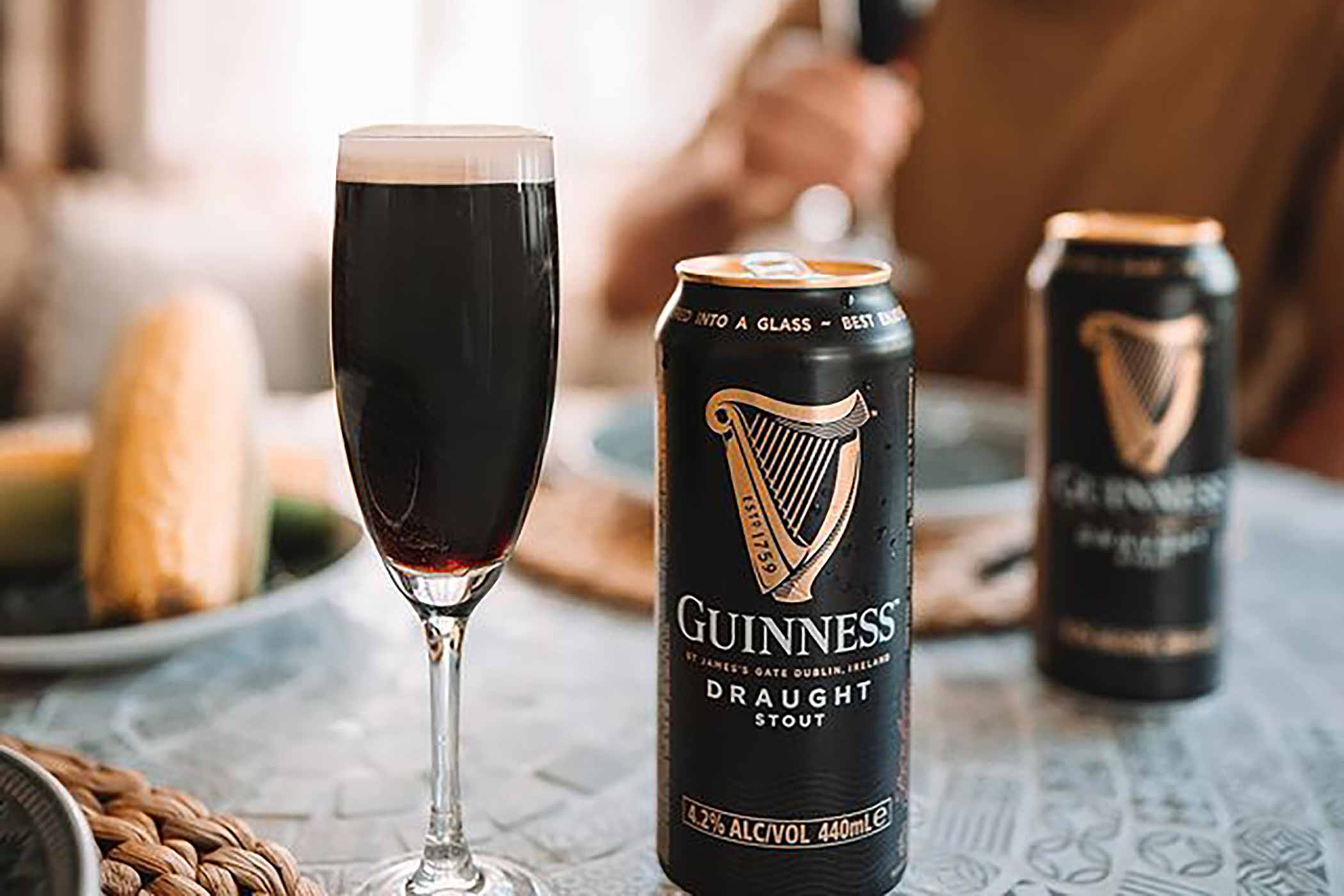
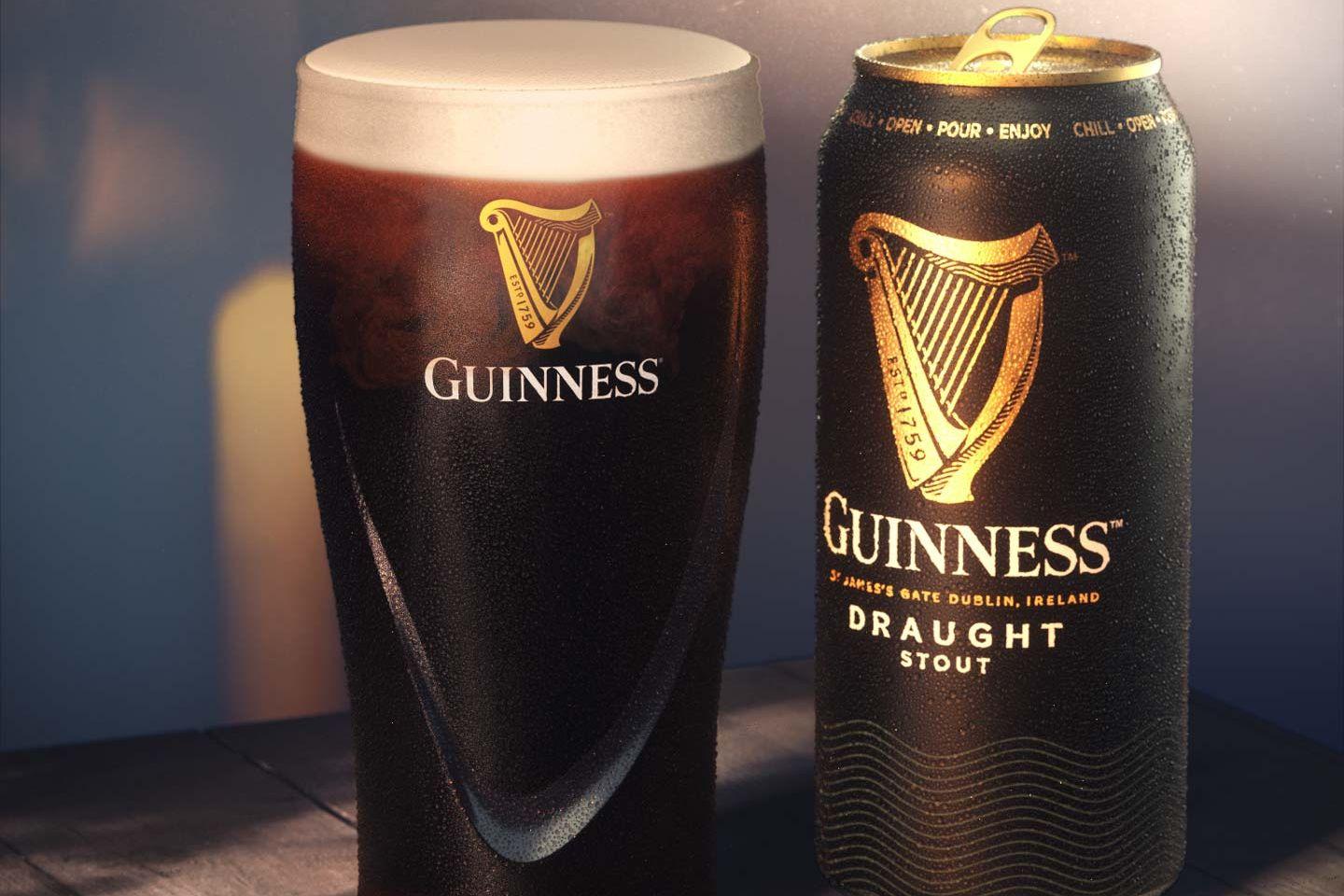
The visual identity of Guinness is instantly recognizable: the deep, almost black color, the creamy white head, and the distinctive Arthur Guinness script and harp. These elements have been carefully maintained and evolved over time, ensuring that a pint of Guinness remains a consistent and comforting experience, regardless of where it’s consumed. This visual consistency reinforces the brand’s reliability and heritage.
The “Black Stuff” and Cultural Significance
The nickname “The Black Stuff” has become almost as famous as the brand itself. It speaks to the visceral reaction many have to the beer’s appearance and its distinctiveness. Guinness has transcended its status as mere beverage to become a cultural touchstone in Ireland and around the world. It’s often associated with pubs, social gatherings, and a sense of tradition.
The brand has also skillfully navigated the evolving landscape of consumer preferences. While its core identity remains firmly rooted in its dry Irish stout heritage, Guinness has also introduced variations and limited editions to appeal to a wider audience and explore different flavor profiles. This strategic approach ensures its continued relevance while staying true to its origins.

The Future of Guinness: Innovation within Tradition
As the craft beer movement continues to flourish, Guinness has demonstrated a capacity for innovation while respecting its legacy. The introduction of beers like Guinness Open Gate – a series featuring experimental brews – and the careful exploration of different styles shows a brewery that is not content to rest on its laurels.
However, the core offering – the original Guinness Draught – remains the benchmark. Its continued popularity worldwide is a testament to its timeless appeal. The ability to innovate while maintaining the integrity of its core product is a delicate balancing act that Guinness has managed with remarkable success.
In conclusion, when asking “what type of beer is Guinness stout,” the answer is a rich tapestry of history, brewing science, and brand power. It is a dry Irish stout, defined by its roasted barley, balanced bitterness, and unique nitrogenation. More than that, it’s a cultural icon, a testament to centuries of brewing tradition and masterful brand building, ensuring that the “Black Stuff” will continue to be savored for generations to come.
aViewFromTheCave is a participant in the Amazon Services LLC Associates Program, an affiliate advertising program designed to provide a means for sites to earn advertising fees by advertising and linking to Amazon.com. Amazon, the Amazon logo, AmazonSupply, and the AmazonSupply logo are trademarks of Amazon.com, Inc. or its affiliates. As an Amazon Associate we earn affiliate commissions from qualifying purchases.