
Cooking salmon to perfection is an art, a science, and increasingly, a practice empowered by technology. While the simple answer to “what temperature does salmon need to be?” often revolves around food safety, truly mastering salmon goes beyond mere prevention of illness. It delves into the realms of culinary excellence, personal reputation, and even economic shrewdness, all of which are increasingly influenced by modern innovations. In a world where precision is paramount, understanding the ideal temperature for salmon transforms a basic cooking task into an opportunity to elevate your skills, impress your palate, and leverage the tools of the digital age.
The Core of Culinary Precision: Safe Internal Temperatures for Salmon
The foundation of any successful salmon dish begins with safety, but quickly extends to the pursuit of optimal flavor and texture. Understanding the nuances of internal temperature is key to unlocking salmon’s full potential, ensuring it’s not only safe to eat but also a delight to the senses.
Understanding USDA Guidelines
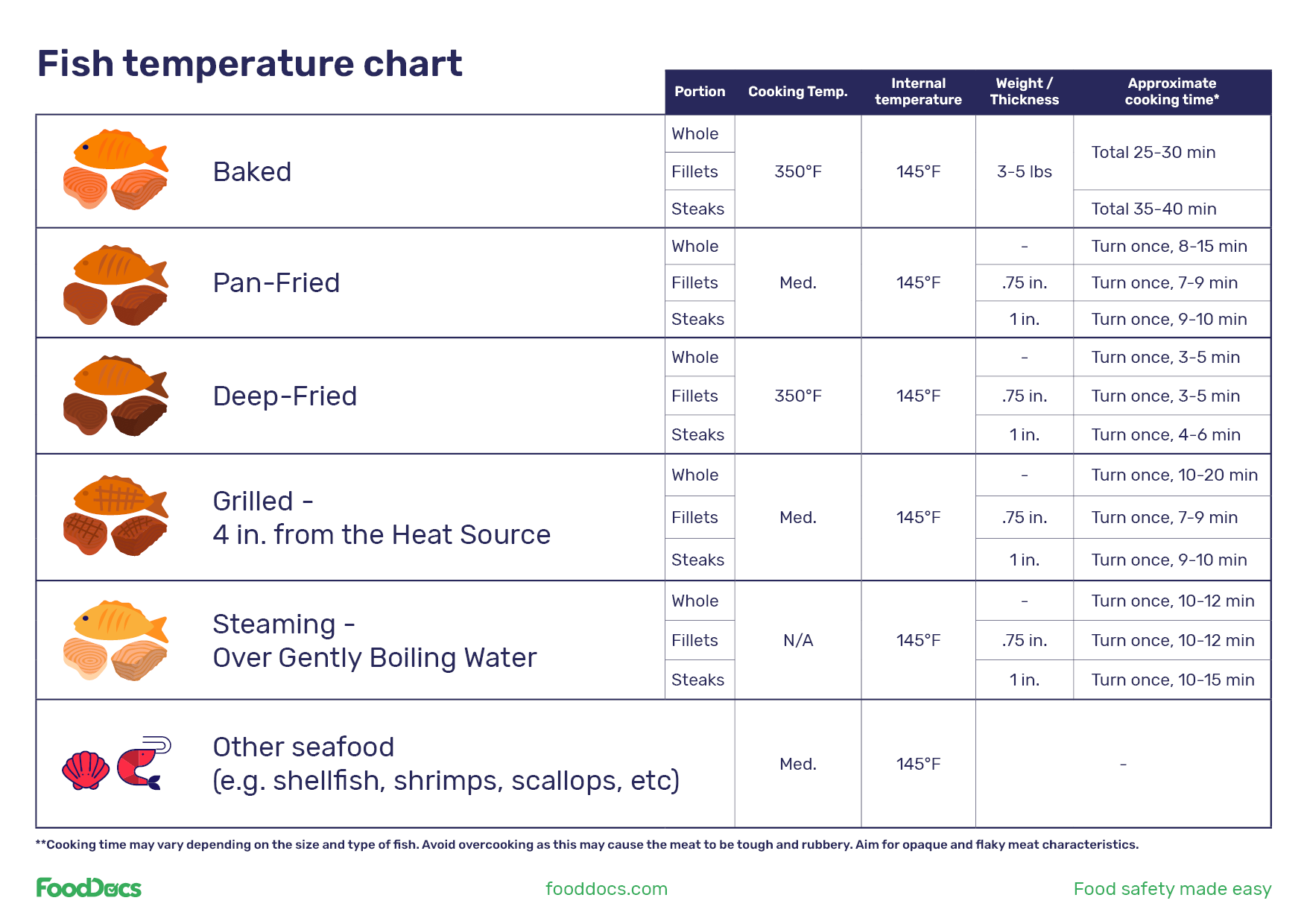
For food safety, the U.S. Department of Agriculture (USDA) recommends cooking fish, including salmon, to an internal temperature of 145°F (63°C). This temperature is measured at the thickest part of the fillet and ensures that any potentially harmful bacteria are destroyed, making the fish safe for consumption. This guideline is critical for public health, particularly when serving salmon to individuals with compromised immune systems, pregnant women, or young children. Reaching 145°F typically results in a medium-well to well-done piece of salmon, where the flesh is firm, opaque, and flakes easily with a fork. While this temperature guarantees safety, many culinary enthusiasts and professional chefs aim for a slightly lower doneness for a more tender, succulent result.
Achieving Culinary Perfection: Beyond Minimum Safety
While 145°F is the gold standard for safety, the quest for culinary perfection often involves aiming for a slightly lower internal temperature, particularly for those who appreciate medium-rare or medium salmon.
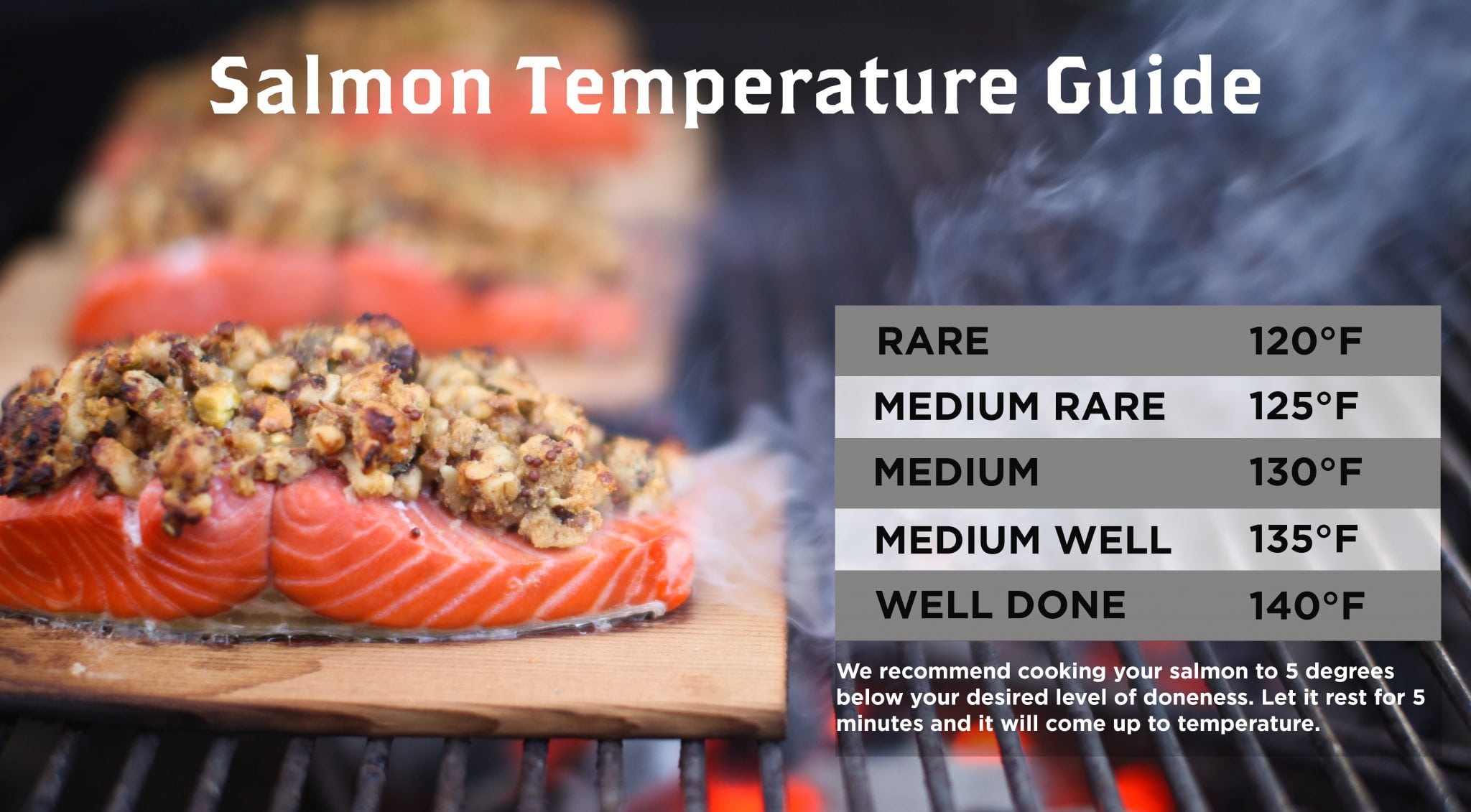
- Medium-Rare Salmon (120-125°F / 49-52°C): At this temperature, the salmon will have a deep orange-pink center, a moist and tender texture, and a rich, buttery flavor. It will still be translucent in the very center. This is a popular choice for many chefs and gourmands.
- Medium Salmon (130-135°F / 54-57°C): Here, the salmon is mostly opaque throughout but still incredibly moist and flaky. It will have a lighter pink hue in the center compared to medium-rare.
The critical factor to consider when aiming for these lower temperatures is carry-over cooking. After removing salmon from the heat source, its internal temperature will continue to rise by a few degrees (typically 5-10°F or 3-6°C) as residual heat redistributes through the fish. Therefore, to achieve a perfect 125°F medium-rare, you might remove the salmon from the heat at around 120°F. This requires a reliable instant-read thermometer and a keen understanding of your cooking method and heat intensity. Overcooking, even by a few degrees, can quickly turn delicate salmon into a dry, chalky disappointment.
The Sensory Experience: Why Temperature Matters for Taste and Texture
The internal temperature directly dictates the sensory experience of eating salmon.
- Juiciness: Proper temperature ensures the fish retains its natural moisture and fats, resulting in a succulent, melt-in-your-mouth texture. Overcooking expels these vital juices, leading to dry, stringy salmon.
- Flakiness: When cooked correctly, salmon muscle fibers separate easily, creating distinct, tender flakes. This is a hallmark of perfectly cooked fish.
- Flavor: The rich, distinctive flavor of salmon is best preserved at optimal doneness. Overcooking can diminish its natural taste, leaving it bland or even fishy. Undercooking beyond safe limits, while potentially offering a raw texture, carries health risks.
- Appearance: A beautifully cooked salmon fillet, with its vibrant color and moist sheen, is visually appealing and signals expertise.
In essence, mastering salmon temperature is about striking a delicate balance: ensuring safety while maximizing the gastronomic potential of this prized fish. It’s a skill that elevates home cooking and is a cornerstone of professional culinary standards.
The Tech Edge: Smart Solutions for Perfect Salmon
In the modern kitchen, precision is no longer solely the domain of seasoned chefs; it’s increasingly augmented by technology. From basic tools to advanced AI, a range of gadgets and software solutions are transforming how we achieve the perfect salmon temperature, enhancing productivity, and elevating our culinary endeavors.
The Evolution of Temperature Monitoring: From Analog to AI
The journey of temperature monitoring in cooking mirrors the broader tech revolution.
- Traditional Thermometers: Simple dial-faced thermometers have long been staples, offering basic temperature readings. While functional, they often lack precision, speed, and readability.
- Digital Probe Thermometers: These marked a significant leap, offering faster, more accurate readings with clear digital displays. Both wired probes (which stay in the food during cooking, with the display outside the oven) and wireless versions (using Bluetooth or Wi-Fi to transmit data to a receiver) became popular, allowing cooks to monitor internal temperatures without repeatedly opening the oven or grill.
- Smart Thermometers: The current frontier includes smart thermometers that connect directly to your smartphone via Bluetooth or Wi-Fi. These devices often feature companion apps that allow you to set target temperatures, receive alerts when the food is ready, view temperature graphs, and even access built-in USDA guidelines for various meats. Some advanced models can even estimate cooking time based on the rate of temperature rise.
- Smart Ovens and AI Integration: The most sophisticated kitchens now feature smart ovens equipped with integrated temperature probes. These ovens can be programmed to cook food to a specific internal temperature, automatically adjusting heating elements or even turning off when the target is reached. Some go further, utilizing AI tools to recognize the food being cooked (e.g., identifying a salmon fillet) and suggesting optimal cooking programs, potentially even learning user preferences over time. This level of automation not only ensures precision but also significantly boosts productivity.
Digital Tools for the Modern Kitchen
Beyond hardware, software and digital services play a crucial role in modern cooking.
- Cooking Apps for Recipes and Timers: Numerous apps offer extensive recipe libraries, step-by-step guides, and integrated timers. Many include specific instructions for cooking salmon to different doneness levels, often recommending optimal internal temperatures. Some high-end recipe apps might even integrate with smart kitchen appliances.
- Gadget Reviews and Tutorials: Websites specializing in tech reviews (like this one) provide invaluable insights into the best smart thermometers, smart ovens, and other kitchen gadgets. Comprehensive tutorials help users understand how to maximize these tools, from syncing smart thermometers to setting up personalized cooking profiles on smart ovens.
- Productivity Hacks: For busy individuals, tech tools can turn precision cooking into a productivity hack. Batch cooking perfect salmon for meal prep becomes effortless with consistent temperature control. Pre-programmed oven settings and app alerts free up mental space, allowing cooks to multitask or simply relax while their meal is being perfectly prepared.
- Digital Security: As more kitchen appliances become “smart” and connect to home networks, digital security becomes a relevant concern. Ensuring that these IoT devices are secure, with strong passwords and updated firmware, is crucial to protect your home network from potential vulnerabilities.
Future Innovations: The Automated Culinary Experience

The trajectory of kitchen tech suggests an even more automated future. Imagine AI-powered systems that analyze the size and type of salmon, estimate fat content, and adjust cooking parameters in real-time, delivering a consistently perfect fillet with minimal human intervention. Voice-activated cooking assistants, holographic recipe displays, and integrated nutritional tracking could become standard, turning the act of cooking salmon into a seamless, highly personalized, and technologically advanced experience.
Brand, Reputation, and the Art of the Perfectly Cooked Fillet
Beyond the plate, the temperature of your salmon has implications for personal and corporate branding, marketing, and the very reputation you build. In an increasingly interconnected world, consistency and quality are not just culinary goals but essential components of identity.
Personal Branding: The Master Home Chef
For the home cook, consistently delivering perfectly cooked salmon can significantly enhance their “personal brand” among friends and family. Imagine hosting a dinner party where every guest praises the succulent, perfectly flaky salmon. This builds a reputation as a skilled and reliable chef, someone whose culinary prowess can be trusted. In the age of social media, beautifully prepared dishes – often showcasing ideal doneness – become shareable content, further cementing one’s image as a “foodie” or “master chef.” Recipes that emphasize precise temperature control, shared online, contribute to this digital persona, attracting followers and engagement. The tools that enable this precision, like smart thermometers, become part of the narrative of being an informed, modern cook.
Corporate Identity and Culinary Excellence
For businesses, particularly restaurants, culinary schools, and food brands, the temperature of salmon is a critical element of their corporate identity and reputation.
- Restaurants: Consistency is paramount. Customers expect the same level of quality every time they order. A restaurant known for perfectly cooked salmon builds a strong, positive reputation, leading to repeat business and glowing reviews. Conversely, inconsistent cooking (overcooked or undercooked salmon) can quickly damage a brand, leading to negative feedback and loss of patronage. Precision cooking tools are vital for maintaining high standards across multiple chefs and shifts.
- Food Brands: Companies selling pre-packaged salmon or culinary tools rely on the promise of quality. A brand of smart thermometers, for example, markets itself on enabling perfect results, directly linking its corporate identity to culinary success. Food producers who emphasize quality control in their processing also understand that the final cooking outcome reflects on their initial product.
- Marketing: Precision cooking becomes a powerful marketing tool. Restaurants highlight “chef-grade perfection” or “perfectly seared salmon.” Gadget manufacturers emphasize how their products guarantee “restaurant-quality results at home.” This messaging taps into consumer desires for excellence and reliability, making temperature control a key selling point.
- Design and User Experience: The design of kitchen tools and cooking apps plays a role in how easily precision can be achieved. An intuitive interface on a smart thermometer app, a clear display on a probe, or an ergonomic design for an instant-read thermometer all contribute to a positive user experience, making precision cooking accessible and enjoyable. This thoughtful design reinforces the brand’s commitment to user-centric solutions.
Reputation: The Currency of Quality
Whether personal or corporate, reputation is the currency of quality. In the culinary world, reputation is built on trust, and trust is earned through consistent delivery of excellent, safe, and delicious food. Mastering salmon temperature is a fundamental way to safeguard and enhance this reputation, demonstrating attention to detail, expertise, and a commitment to providing the best possible culinary experience. A single perfectly cooked salmon fillet can be a testament to this commitment, echoing through positive word-of-mouth and online reviews, while a single mistake can quickly undermine years of effort.
The Monetary Value of Precision Cooking
Beyond taste and reputation, achieving the correct salmon temperature carries significant monetary value. From minimizing waste in a home kitchen to optimizing profit margins in a restaurant, precision cooking has tangible financial implications that savvy individuals and businesses cannot afford to ignore.
Protecting Your Investment: Minimizing Food Waste
Salmon is often one of the more expensive proteins in the grocery store. A single fillet can represent a substantial investment. Overcooking or undercooking it to the point of being inedible or undesirable directly translates to wasted money. Imagine buying a premium wild-caught salmon fillet for $20-$30, only to render it dry and unappetizing due to inaccurate temperature control. That’s money literally thrown away. Precision cooking, facilitated by reliable thermometers and intelligent cooking techniques, ensures that every dollar spent on ingredients is maximized, resulting in a delicious meal rather than a costly culinary mishap. This direct link to personal finance highlights the importance of equipping oneself with the right knowledge and tools.
Investing in the Right Tools
The upfront cost of a high-quality digital or smart thermometer might seem like an extra expense, but it’s an investment that quickly pays for itself.
- Cost vs. Benefit: A $30-$100 smart thermometer might seem steep, but if it prevents even one instance of ruining an expensive piece of salmon, it has already justified its cost. Compared to the recurring cost of wasted food, these tools offer excellent long-term value.
- Quality Cookware: Similarly, investing in quality pans or cooking equipment that maintain consistent heat distribution contributes to better temperature control and more reliable cooking outcomes, further safeguarding your food investment.
- Financial Tools: Some personal finance apps even allow users to track food spending and waste, indirectly highlighting the financial impact of cooking mishaps and the value of precision tools.
Online Income and Side Hustles in the Culinary Space
For those looking to generate online income or start a side hustle, precision cooking, especially with a focus on specific dishes like salmon, can be a valuable asset.
- Food Blogging/Vlogging: Demonstrating how to cook salmon perfectly, sharing recipes with precise temperature guidelines, and reviewing smart kitchen gadgets can attract a substantial audience. Monetization through ads, sponsored content, or affiliate links to recommended products (like smart thermometers) is a common path to online income. Showing consistent, perfect results builds credibility and a loyal following.
- Meal Prep Services: For side hustles involving meal preparation or catering, consistency in food quality and safety is paramount for client retention. Delivering perfectly cooked salmon every time ensures customer satisfaction and repeat business, directly impacting the profitability of the venture. Using reliable temperature control tools reduces errors and increases efficiency, which are critical for scaling such a business.
- Recipe Development and Sales: Creating and selling recipes that guarantee perfect results through precise temperature instructions can be a niche income stream. People are willing to pay for reliable methods that take the guesswork out of cooking expensive ingredients.
Business Finance for Restaurants
In the restaurant industry, the monetary implications of salmon temperature are magnified.
- Optimizing Food Costs: Overcooking salmon (or any protein) means potentially having to remake dishes, leading to wasted ingredients and labor costs. Precision cooking minimizes this waste, directly impacting the restaurant’s bottom line and improving food cost percentages.
- Reducing Liability: Serving undercooked or improperly handled food can lead to foodborne illnesses, resulting in significant legal liabilities, fines, and irreparable damage to a restaurant’s reputation and financial stability. Adhering to strict temperature guidelines and using calibrated equipment is a crucial risk management strategy.
- Enhancing Customer Loyalty and Profit Margins: Consistently delivering perfectly cooked, delicious salmon drives customer satisfaction, leading to repeat visits, positive reviews, and increased sales. This directly contributes to higher profit margins and long-term business success. Investing in commercial-grade temperature monitoring systems and staff training on precision cooking is a wise financial decision for any restaurant.
In summary, the seemingly simple question of “what temperature does salmon need to be?” unravels a complex web of considerations. It’s a fundamental culinary query that, when fully explored, connects to the intricate worlds of technology, personal and corporate branding, and tangible financial outcomes. Mastering salmon temperature is not just about a single meal; it’s about embracing precision, leveraging innovation, building a reputation for excellence, and making financially sound decisions in the kitchen. In an era where information and tools are readily available, taking control of this crucial cooking parameter empowers you to consistently deliver culinary perfection, whether for your family, your online audience, or your paying customers.
aViewFromTheCave is a participant in the Amazon Services LLC Associates Program, an affiliate advertising program designed to provide a means for sites to earn advertising fees by advertising and linking to Amazon.com. Amazon, the Amazon logo, AmazonSupply, and the AmazonSupply logo are trademarks of Amazon.com, Inc. or its affiliates. As an Amazon Associate we earn affiliate commissions from qualifying purchases.