
The serene surface of a freshwater lake turning to solid ice at 0°C (32°F) is a familiar sight in winter. Yet, venture to the poles, and you’ll find vast expanses of the ocean also frozen, forming majestic sea ice. This seemingly simple phenomenon harbors a complex scientific truth: ocean water does not freeze at the same temperature as freshwater. Its saline nature fundamentally alters its physical properties, pushing its freezing point lower and creating a dynamic interplay of physics, chemistry, and biology. Understanding this critical difference is not merely an academic exercise; it has profound implications for global climate, marine ecosystems, and increasingly, for technology, economy, and even brand perception across various industries.
The intricate processes governing ocean freezing are at the heart of our planet’s climate system, influencing everything from sea levels to global weather patterns. As we delve into the specific temperatures and mechanisms, we’ll also explore how modern advancements in technology allow us to monitor these changes with unprecedented precision, how economic forces are shaped by the shifting ice, and how organizations and individuals brand their efforts to understand and respond to this crucial environmental challenge.
The Saline Truth: Why Ocean Water Behaves Differently
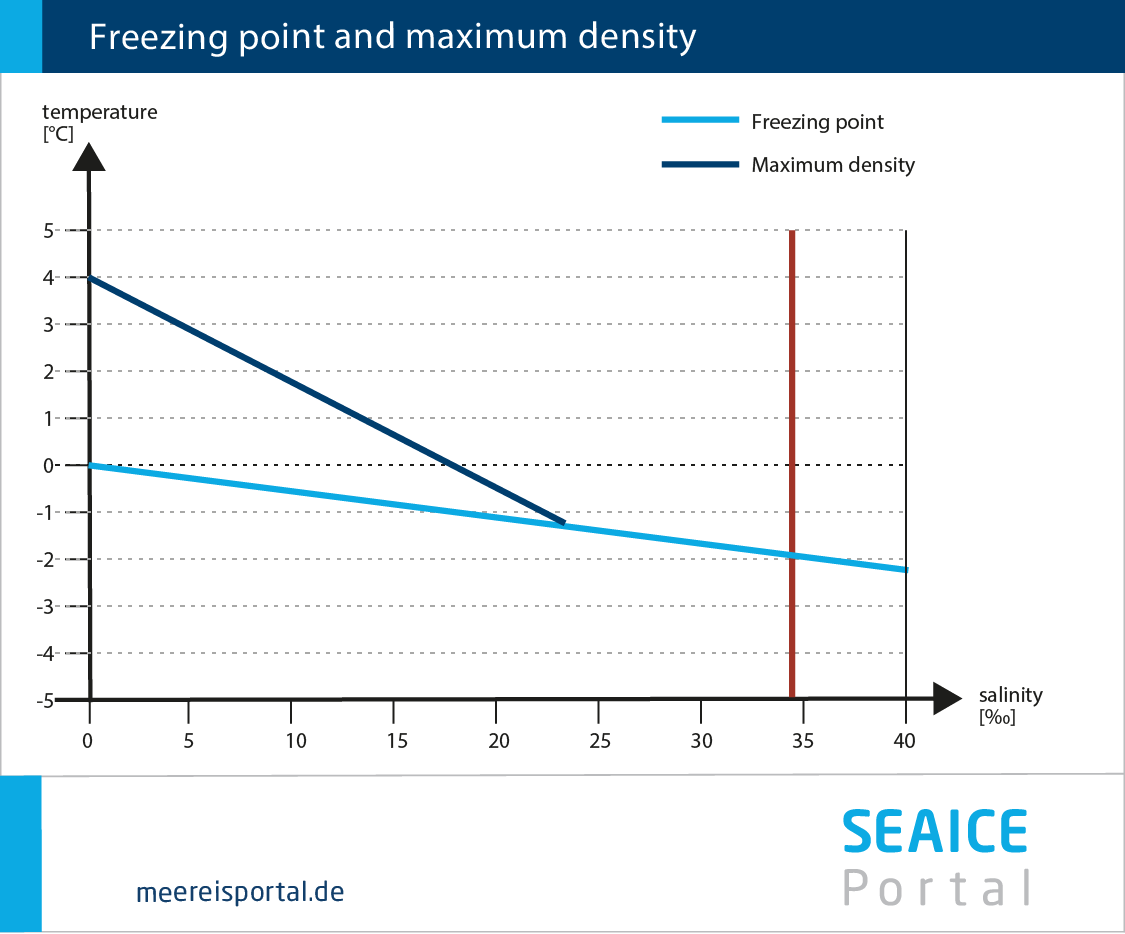
At its core, the reason ocean water freezes at a lower temperature than freshwater lies in the dissolved salts within it. Pure water’s molecular structure allows its molecules to arrange themselves into a crystalline lattice (ice) at 0°C (32°F) under standard atmospheric pressure. However, introduce impurities like salt, and this elegant process is disrupted.
The Role of Salt: A Molecular Perspective
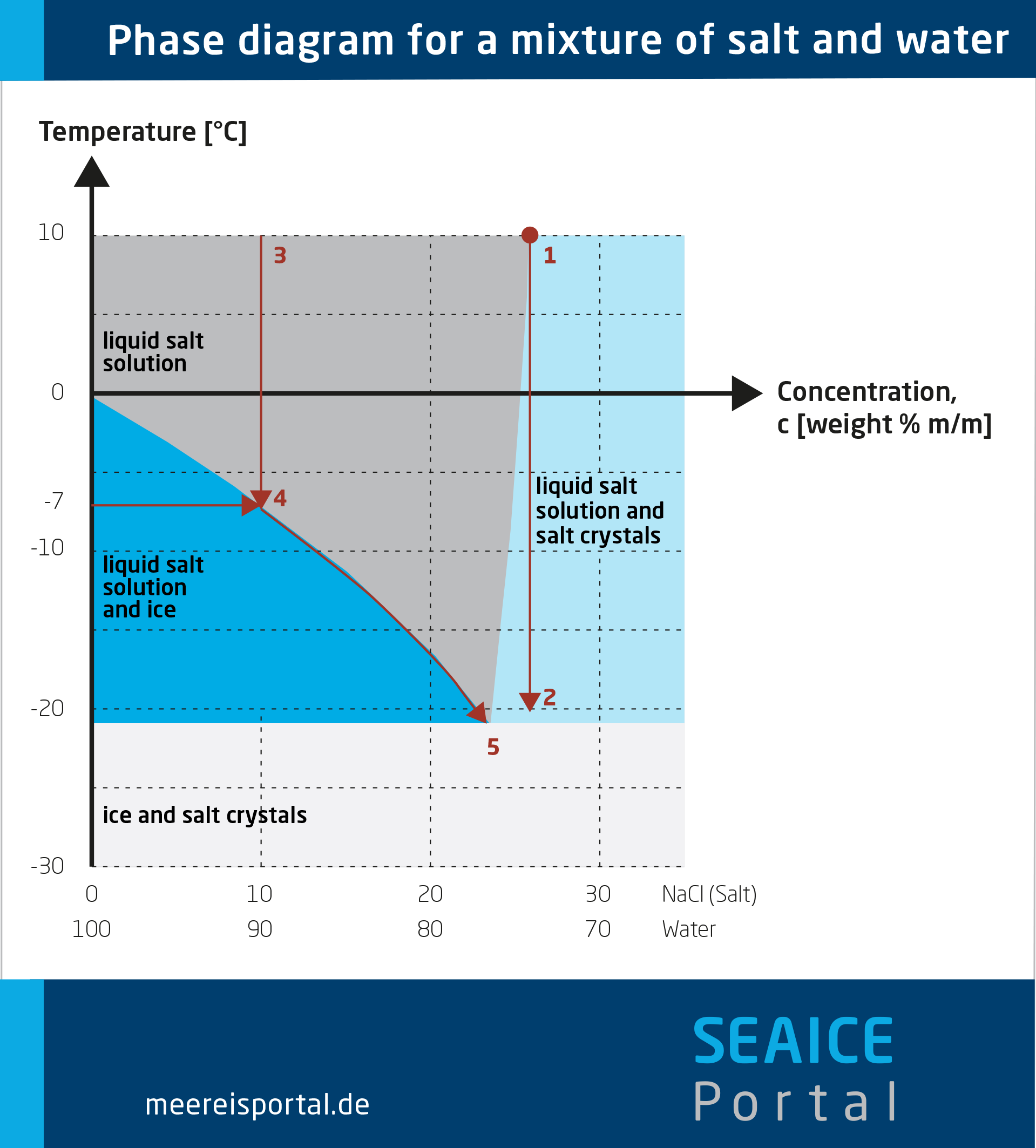
When salt (primarily sodium chloride, NaCl) dissolves in water, it dissociates into positively charged sodium ions (Na+) and negatively charged chloride ions (Cl-). These ions disperse throughout the water, forming electrostatic attractions with the polar water molecules (H2O). For water molecules to form ice crystals, they must come together and arrange themselves in a very specific, ordered structure. The dissolved salt ions act as obstacles, getting in the way and interfering with the hydrogen bonding that forms the ice lattice.
To overcome this disruption, more energy must be removed from the water – in other words, the temperature must drop even further – before the water molecules can sufficiently slow down and force themselves into the crystalline structure. For typical ocean water, which has an average salinity of about 35 parts per thousand (ppt) or 3.5%, its freezing point is depressed to approximately -1.8°C (28.7°F). This is not a fixed number; the freezing point varies directly with salinity: the saltier the water, the lower its freezing point. In some hypersaline environments, like parts of the Red Sea, the freezing point can be even lower, though such conditions are rare globally for surface waters.
Pressure, Supercooling, and Brine Rejection
While salinity is the dominant factor, other elements also play minor roles. Increased pressure, for example, slightly lowers the freezing point, though its effect is negligible in the upper ocean layers where most sea ice forms. More interestingly, ocean water can sometimes experience supercooling, where it remains in a liquid state even below its freezing point. This occurs when there are no nucleation sites (like dust particles or existing ice crystals) for ice to begin forming. Once a nucleation site is introduced or the water is disturbed, rapid freezing can occur.
Perhaps the most fascinating aspect of ocean water freezing is brine rejection. When sea ice begins to form, the ice crystals themselves are predominantly made of pure water. The salt ions are “rejected” from the forming ice lattice. This process concentrates the remaining salt in the unfrozen water immediately surrounding the growing ice crystals, forming highly saline “brine pockets” within the ice matrix, or being expelled into the water below. This brine is significantly denser than the surrounding seawater and sinks, contributing to the formation of deep ocean currents that are crucial drivers of global oceanic circulation. The expulsion of brine also means that new sea ice is initially very salty, but over time, as it ages and undergoes further freezing and thawing cycles, most of the brine drains out, leaving older, multi-year ice much fresher and more structurally stable.
Monitoring the Deep Blue: Technology’s Eye on Ocean Freezing
Understanding the complexities of ocean water freezing requires sophisticated observation and analytical tools. In the vast and often hostile environments where sea ice forms, human presence is limited, making technology an indispensable partner in data collection, prediction, and research. The convergence of various tech disciplines – from sensors and satellite imagery to artificial intelligence and robotic exploration – has revolutionized our ability to monitor, model, and comprehend these critical oceanic processes.
Cutting-Edge Sensors and Satellite Surveillance
The front line of ocean monitoring involves an array of advanced sensors. Moored buoys equipped with temperature, salinity, and current meters transmit real-time data from remote polar regions. These buoys can drift with ice floes, providing invaluable insights into ice movement and melt rates. Autonomous underwater vehicles (AUVs) and remotely operated vehicles (ROVs) dive beneath the ice, gathering data on under-ice topography, water column properties, and marine life that thrives in these unique environments.
Above the surface, satellite surveillance offers a panoramic view. Satellites equipped with synthetic aperture radar (SAR), passive microwave radiometers, and altimeters can penetrate cloud cover and darkness to measure sea ice extent, thickness, concentration, and even identify different types of ice (first-year vs. multi-year). Programs like Copernicus (Sentinel satellites) and NASA’s ICESat-2 mission provide continuous, high-resolution data that are crucial for tracking long-term trends in sea ice decline, which directly reflects changes in ocean temperature and salinity dynamics. The sheer volume of data generated by these platforms necessitates robust digital infrastructure for storage, transmission, and access, underscoring the “Tech” aspect of this scientific endeavor.
AI, Big Data, and Predictive Climate Models
Collecting data is only half the battle; making sense of it is where AI and big data analytics come into play. The petabytes of information flowing from sensors and satellites are processed and analyzed using machine learning algorithms. AI can identify subtle patterns in sea ice behavior, detect anomalies, and even improve the accuracy of historical data sets by filling in gaps. For instance, AI models are trained to classify ice types from satellite images, improving the resolution and reliability of ice charts essential for navigation.
Furthermore, this data feeds into increasingly sophisticated climate models. Supercomputers run complex simulations that integrate oceanographic, atmospheric, and cryospheric data to predict future sea ice extent, ocean temperatures, and their broader climatic impacts. AI tools enhance these models by optimizing parameters, reducing computational load, and identifying key drivers of change. These predictive capabilities are vital for understanding the feedback loops between a warming ocean, melting ice, and global weather patterns, offering crucial insights for policymakers and industries alike. The development and refinement of such software and AI tools are at the cutting edge of environmental science, showcasing how digital innovation directly addresses our planet’s most pressing challenges.
Submersible Tech: Exploring the Icy Frontiers
Beyond monitoring the surface and broad-scale patterns, submersible technology offers a glimpse into the hidden world beneath the ice. Ice-tethered profilers (ITPs) descend hundreds of meters into the water column, measuring temperature and salinity beneath the ice pack, revealing the stratification of water masses and the influence of freshwater melt. Sophisticated robotic submarines are being developed that can navigate autonomously under thick ice, mapping the underside of ice sheets, exploring sub-ice ecosystems, and even sampling meltwater plumes.
These advanced gadgets and robotic systems push the boundaries of exploration, providing data from environments previously inaccessible. Their design demands extreme durability, energy efficiency, and sophisticated navigation algorithms to operate in harsh, GPS-denied environments. The “Tech” theme here extends to materials science, robotics, and embedded systems, all working in concert to unlock the mysteries of the freezing ocean and its profound implications for our planet.
Economic Currents: The Financial Implications of Freezing Oceans
The freezing and thawing dynamics of ocean water, particularly in the Arctic and Antarctic, are not just scientific curiosities; they have far-reaching economic consequences. From global shipping routes to fisheries and resource extraction, the state of the world’s ice-covered oceans significantly influences industries, creates financial risks, and spurs investment in new technologies and opportunities, epitomizing the “Money” aspect of this topic.
Shipping Routes, Fisheries, and Global Trade
One of the most immediate economic impacts relates to global shipping. As Arctic sea ice recedes, the potential for using the Northern Sea Route (NSR) along Russia’s Arctic coast and the Northwest Passage through Canada’s Arctic archipelago becomes more viable. These routes can significantly cut transit times between Asia and Europe compared to traditional routes through the Suez or Panama Canals, leading to reduced fuel costs and faster delivery of goods. This opens up new avenues for global trade, but also presents new challenges, including the need for specialized ice-strengthened vessels, robust navigation systems, and emergency response capabilities in remote, harsh environments. The investment in these logistical capabilities is substantial, but the potential savings and strategic advantages are also immense.
Beyond shipping, the health of global fisheries is intrinsically linked to ocean temperatures and ice cover. Sea ice provides critical habitat for krill and other foundational species at the base of the marine food web. Changes in ice extent and timing can disrupt ecosystems, altering fish migration patterns, breeding grounds, and overall stock health. This directly impacts the multi-billion-dollar global fishing industry, affecting the livelihoods of millions and the availability of seafood in markets worldwide. Accurate monitoring and predictive models (as discussed in the Tech section) are becoming essential tools for sustainable fisheries management and for mitigating financial risks for fishing companies.
Investment Opportunities in Ocean Sustainability and Arctic Development
The challenges posed by changing ocean temperatures and ice conditions also give rise to significant investment opportunities, particularly in the realm of ocean sustainability and Arctic development. There’s a growing market for technologies that can operate in icy conditions, from advanced navigation and communication systems for Arctic shipping to robust offshore energy platforms designed for cold climates. Renewable energy solutions, such as offshore wind farms adapted for ice-prone waters, are attracting investment as nations seek to diversify their energy portfolios.
Furthermore, private and public capital is increasingly flowing into “blue economy” initiatives focused on sustainable resource management, marine conservation, and climate adaptation. This includes funding for innovative aquaculture solutions, eco-tourism ventures in polar regions (which paradoxically benefit from clearer access while needing to be environmentally sensitive), and technologies for carbon capture and storage that may involve marine ecosystems. Investors are seeking out companies that can offer solutions to monitor ocean health, develop sustainable practices, or provide financial tools for managing climate-related risks.
Risk Management and the “Blue Economy”
The volatility introduced by a changing climate necessitates robust risk management strategies for businesses operating in or impacted by oceanic conditions. Insurance companies are developing new models to assess risks related to extreme weather events, sea level rise, and disruptions to supply chains caused by altered shipping routes or fisheries collapses. Financial institutions are integrating climate risk into their lending and investment decisions, prompting companies to demonstrate their resilience and sustainability practices.
The concept of a “blue economy” emphasizes sustainable use of ocean resources for economic growth, improved livelihoods, and ocean ecosystem health. This framework promotes responsible investment in industries like shipping, fisheries, marine biotechnology, and coastal tourism, ensuring that economic development does not come at the expense of ecological integrity. Governments and international organizations are working to establish regulatory frameworks and financial incentives that support the growth of a truly sustainable blue economy, recognizing that the long-term health of our oceans is directly tied to global financial stability and prosperity.
Branding the Ice: Communicating Ocean Science and Conservation
In an era of rapid environmental change and information overload, how scientific knowledge about ocean freezing translates into public understanding, policy action, and corporate strategy often hinges on effective communication and branding. From international scientific bodies to environmental NGOs and corporations, the way messages about ocean health and climate impacts are framed and disseminated plays a crucial role in mobilizing resources and fostering change, bringing in the “Brand” dimension.
Building Awareness: Campaigns and Corporate Social Responsibility
Scientific findings, no matter how profound, only gain traction when effectively communicated. Organizations like the IPCC (Intergovernmental Panel on Climate Change), NOAA, and various university research institutions invest heavily in branding their reports, data visualizations, and educational materials to make complex oceanographic science accessible to policymakers and the public. Their branding focuses on credibility, authority, and the urgency of the scientific message. They aim to be recognized as trusted sources of information, crucial for combating misinformation and building consensus around climate action.
Beyond scientific bodies, environmental non-governmental organizations (NGOs) like Greenpeace, WWF, and Oceana utilize powerful branding campaigns to raise public awareness about the impacts of climate change on ocean ice and marine life. Their branding often evokes emotional responses, highlighting the beauty and vulnerability of polar ecosystems, using evocative imagery and compelling narratives to inspire advocacy and donations. Furthermore, many corporations are integrating ocean conservation into their Corporate Social Responsibility (CSR) initiatives. Shipping companies might brand themselves as “Arctic-responsible,” or tech firms might highlight their investments in “blue tech” research, aiming to enhance their brand reputation and appeal to environmentally conscious consumers and investors. This strategic branding signals a commitment beyond mere profit, aligning corporate values with global sustainability goals.
The Brand of Sustainable Ocean Innovation
The push for sustainable solutions in the face of changing ocean conditions has also created a new niche for specialized branding: the “sustainable ocean innovation” brand. Start-ups developing cutting-edge sensors, AI tools for marine monitoring, eco-friendly shipping technologies, or sustainable aquaculture systems often craft their brand identity around innovation, environmental stewardship, and future-forward solutions. Their brand messaging emphasizes not just the technical prowess of their products, but also their positive impact on ocean health and the global climate.
These brands often partner with established research institutions or environmental organizations, leveraging these collaborations to build credibility and market reach. For instance, a company developing advanced drone technology for ice reconnaissance might brand its product as “The Arctic Guardian,” associating it with protection and surveillance. This branding strategy attracts investors looking for “green” or “impact” investments and draws talent seeking to contribute to meaningful environmental solutions, effectively merging the “Tech,” “Money,” and “Brand” aspects.
Personal Branding in Climate Advocacy
Finally, individual scientists, researchers, and climate activists are increasingly using personal branding to amplify their voices and influence public discourse. Through social media, public speaking engagements, and authoring popular science books, experts in oceanography and climate science cultivate a personal brand built on expertise, passion, and accessibility. They translate complex scientific concepts into relatable stories, engaging broader audiences and humanizing the climate crisis.
This personal branding can be incredibly powerful in shaping public opinion and pressuring policymakers. By establishing themselves as trusted authorities and compelling storytellers, individuals can bridge the gap between scientific reports and public action. Their personal brand becomes a beacon for those seeking clarity and inspiration in the face of daunting environmental challenges, showcasing how individual influence can contribute to collective action in understanding and protecting our freezing oceans.

A Frozen Future: Understanding Our Ocean’s Critical Role
The question of “what temperature does ocean water freeze” opens a portal to a world of intricate scientific processes, sophisticated technological innovation, significant economic implications, and powerful branding narratives. From the molecular dance of salt and water to the vast scale of satellite surveillance, and from the shifting routes of global trade to compelling climate campaigns, the freezing dynamics of our oceans are far more than a mere scientific footnote.
As global temperatures continue to rise, understanding these dynamics becomes paramount. The fate of sea ice impacts not only polar ecosystems but also global climate patterns, sea levels, and the very stability of our planet. The continuous advancements in technology allow us to observe, predict, and adapt to these changes with increasing precision. Concurrently, the economic opportunities and risks associated with a changing Arctic and Antarctic demand careful financial planning and investment in sustainable solutions. And perhaps most importantly, effective branding and communication are essential to translate this complex knowledge into widespread awareness and concerted global action. The future of our oceans, and indeed our planet, hinges on our collective ability to comprehend, innovate, and respond to the critical role that freezing ocean water plays in Earth’s delicate balance.
aViewFromTheCave is a participant in the Amazon Services LLC Associates Program, an affiliate advertising program designed to provide a means for sites to earn advertising fees by advertising and linking to Amazon.com. Amazon, the Amazon logo, AmazonSupply, and the AmazonSupply logo are trademarks of Amazon.com, Inc. or its affiliates. As an Amazon Associate we earn affiliate commissions from qualifying purchases.