
The phrase “what temperature does metal melt?” sparks curiosity, conjuring images of molten rivers and fiery forges. It’s a fundamental question that underpins countless industries, from the microchips powering our smartphones to the colossal structures that define our skylines. While seemingly straightforward, the answer is as diverse and complex as the metals themselves. Understanding melting points isn’t just about academic knowledge; it’s about unlocking technological advancements, shaping brand identities, and even influencing financial markets.
The world of metals is a vast and intricate tapestry, woven with elements that possess unique physical and chemical properties. Their ability to transform from solid to liquid at specific temperatures is a cornerstone of material science and engineering. This transformation, known as melting, is a critical stage in manufacturing, allowing us to shape, mold, and combine metals to create the products we rely on daily. Whether we’re discussing the lightning-fast processing power of cutting-edge gadgets, the durable materials behind iconic brand logos, or the foundational elements of valuable investments, the concept of metal melting points is surprisingly pervasive.
The Atomic Dance: Why Metals Melt
At its core, a metal’s melting point is dictated by the strength of the bonds that hold its atoms together. In a solid metal, atoms are arranged in a regular, crystalline structure, locked in place by metallic bonds. These bonds are formed by a “sea” of delocalized electrons that are shared among all the atoms in the metal lattice. This electron mobility is what gives metals their characteristic conductivity and malleability.
When heat is applied to a metal, its atoms gain kinetic energy and begin to vibrate more vigorously. As the temperature increases, these vibrations become so intense that they overcome the attractive forces of the metallic bonds. At the melting point, the atoms break free from their fixed positions in the crystal lattice and are able to move around more freely, transitioning the metal into a liquid state. The stronger these metallic bonds, the more energy (and therefore higher temperature) is required to break them, resulting in a higher melting point.
The purity of a metal also plays a significant role. Pure metals generally have sharper and more defined melting points. However, when other elements are introduced, forming alloys, the melting point can change. Alloys often have lower melting points than their constituent pure metals, and they can also exhibit a melting range rather than a single point, becoming progressively softer as the temperature rises. This phenomenon is crucial for metalworkers, as it allows for greater control during processes like soldering and casting.
A Spectrum of Solids: Melting Points Across the Periodic Table
The vast diversity of metals means their melting points span an incredible range. At one end of the spectrum, we have metals that melt at temperatures barely above room temperature, while at the other end, we find elements that require temperatures hotter than the surface of many stars to liquefy.
-
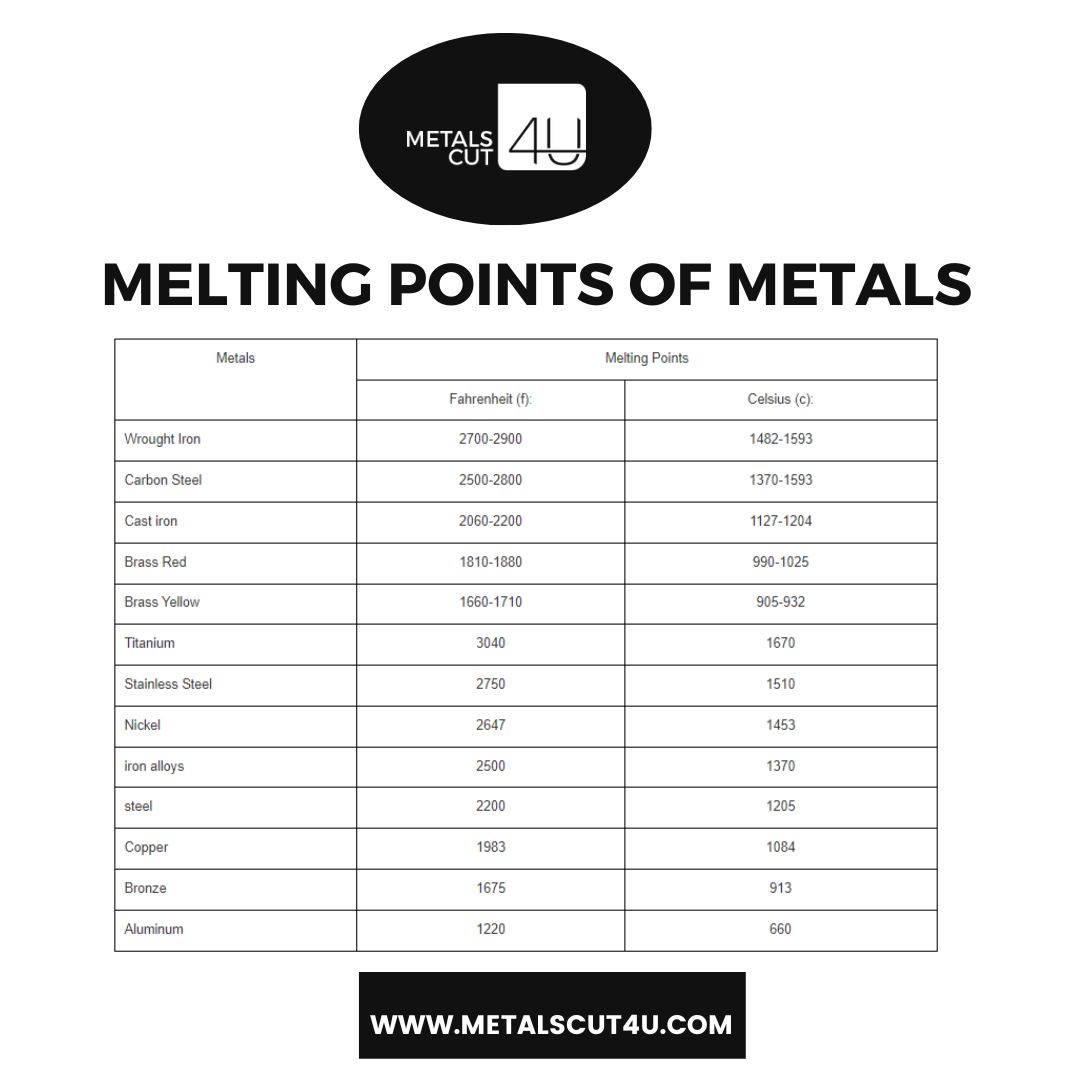
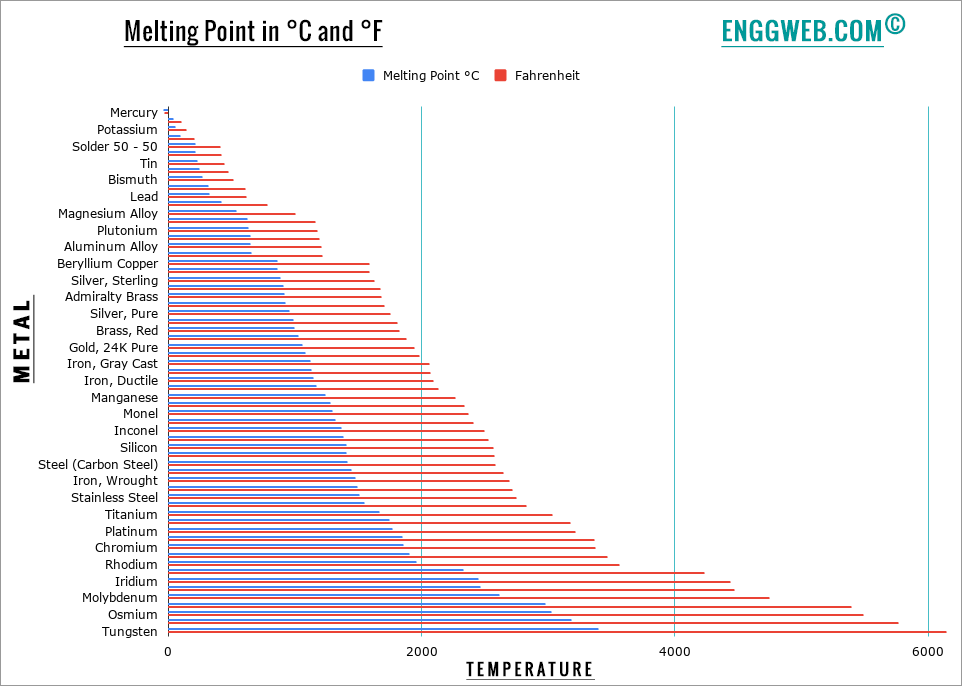
Low Melting Point Metals: Perhaps the most striking examples of low melting point metals are gallium (29.76 °C or 85.57 °F) and indium (156.6 °C or 313.9 °F). Gallium is famously known for melting in the palm of your hand, making it a fascinating element for demonstrations and specialized applications. Indium, while slightly higher, is still readily melted with moderate heat and is crucial in electronics, particularly in solder. Tin (231.9 °C or 449.5 °F) and lead (327.5 °C or 621.5 °F) are also relatively low-melting metals, historically used in solders, plumbing, and even as pigments, though lead’s toxicity has led to its phasing out in many applications.
-
Mid-Range Melting Point Metals: Many of the workhorse metals used in everyday life fall into this category. Aluminum (660.3 °C or 1220.5 °F) is a prime example. Its low density and good corrosion resistance make it invaluable in everything from aircraft components and automotive parts to cookware and beverage cans. Copper (1084.6 °C or 1984.3 °F), with its excellent electrical conductivity, is essential for wiring in buildings and electronics. Brass, an alloy of copper and zinc, melts at a slightly lower and broader range, making it easier to cast into intricate shapes for decorative items and musical instruments.
-
High Melting Point Metals: These are the titans of metallurgy, indispensable for applications requiring extreme heat resistance. Iron (1538 °C or 2800 °F) is perhaps the most significant metal in human history, forming the backbone of countless industries and infrastructure. Its ability to be alloyed with carbon to create steel (melting point varies widely depending on composition, but generally higher than pure iron) has revolutionized construction, manufacturing, and transportation. Titanium (1668 °C or 3034 °F) is renowned for its exceptional strength-to-weight ratio and superb corrosion resistance, making it vital in aerospace, medical implants, and high-performance sporting goods. Tungsten (3422 °C or 6192 °F) boasts the highest melting point of all pure metals. This extreme heat resistance makes it perfect for incandescent light bulb filaments and high-temperature industrial applications.
-
Refractory Metals: Beyond tungsten, a group known as refractory metals – including molybdenum (2623 °C or 4753 °F), tantalum (3017 °C or 5463 °F), and niobium (2468 °C or 4474 °F) – are designed to withstand exceptionally high temperatures and corrosive environments. They are crucial in advanced technologies like rocket nozzles, nuclear reactors, and specialized electronic components.
The precise melting point of any given metal or alloy is a critical piece of data for engineers and designers. It dictates the feasibility of manufacturing processes, the performance limits of components, and the safety margins in various applications.
Technological Innovations Driven by Melting Point Science
The understanding and manipulation of metal melting points have been instrumental in driving technological progress across numerous sectors.
The Digital Revolution: Miniaturization and Performance
In the realm of Tech, the precise control of melting points is fundamental to the fabrication of microelectronic components. Solder, an alloy typically composed of tin and lead (or lead-free alternatives), has a melting point low enough to join delicate electronic components to circuit boards without damaging them. The continuous quest for smaller, faster, and more powerful gadgets relies on alloys with specific melting characteristics for processes like wire bonding and the manufacturing of semiconductors.
For instance, the incredibly low melting point of indium alloys makes them ideal for creating transparent conductive films used in touchscreens and flexible displays. Even the heat dissipation properties of metals are linked to their ability to withstand high temperatures without melting, influencing the design of heat sinks and cooling systems for powerful processors and AI hardware. The ongoing development of advanced materials with tailored melting points is a silent enabler of every new app, AI tool, and gadget we encounter.
Crafting Brands: Durability, Aesthetics, and Form
The Brand world also benefits immensely from metallurgical science, particularly in material selection for physical products and branding elements. The choice of metal for a product’s casing, logo, or decorative accents is often influenced by its melting point and the associated manufacturing processes.
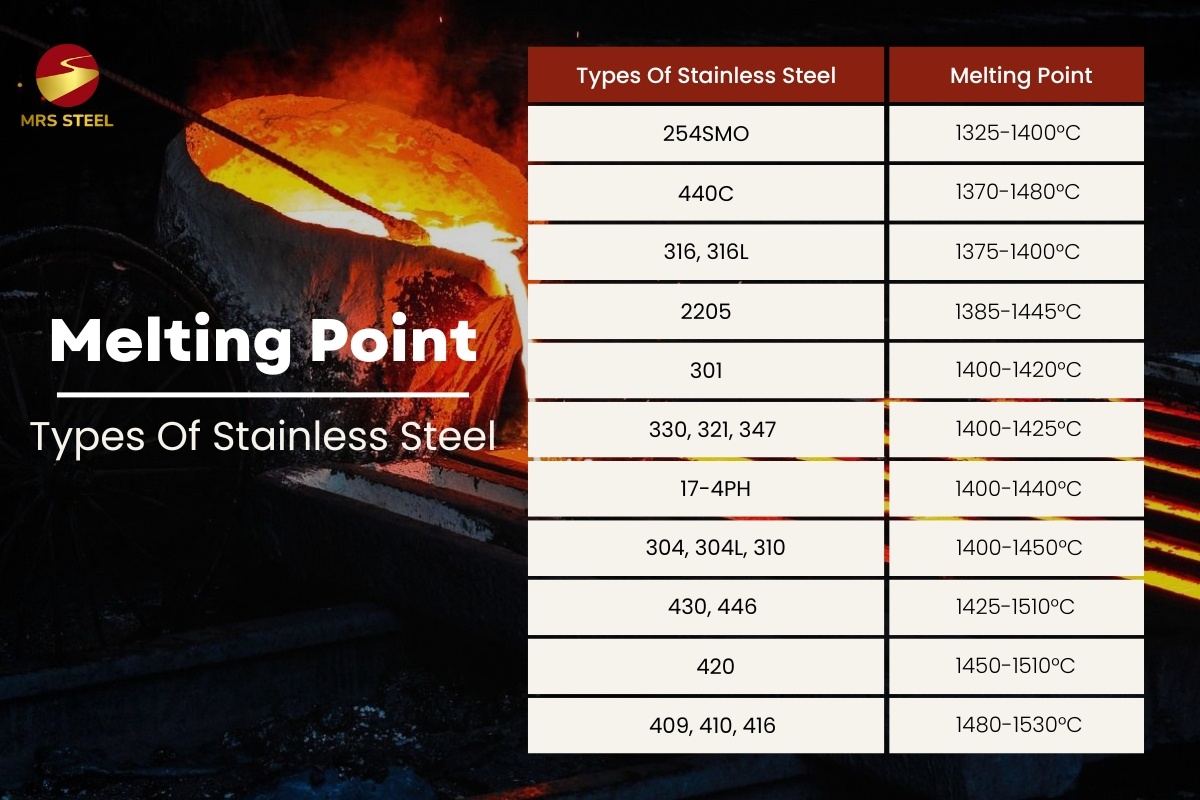
For example, the use of aluminum in premium product casings offers a sleek, modern aesthetic. Its relatively low melting point allows for intricate die-casting, enabling brands to create finely detailed designs. Stainless steel, with its higher melting point and exceptional durability, is chosen for luxury watches and high-end kitchenware, conveying a sense of permanence and quality. The very act of shaping these metals, whether through casting, forging, or stamping, is predicated on their behavior at specific temperatures near their melting points. A brand’s ability to translate its identity into tangible products is often directly linked to the melting characteristics of the materials it employs. The visual appeal and tactile experience of a brand can be profoundly influenced by the metals used, and their melting points are a key factor in achieving desired forms and finishes.
Financial Fortunes: Commodities and Investment
The Money aspect of metal melting points is most evident in commodity markets. Metals like gold, silver, platinum, and copper are not only valuable for their industrial and technological applications but also as investment assets. Their intrinsic value is often linked to their rarity and their fundamental properties, including their melting points which enable their extraction and refinement.
The price of these precious metals fluctuates based on global demand, supply, and geopolitical factors. While investors don’t directly interact with melting points, the ease and cost of mining, refining, and recycling these metals are indirectly influenced by their thermal properties. For example, lower melting point metals can be more energy-efficient to process, potentially impacting their cost of production and, consequently, their market price. Furthermore, the burgeoning field of cryptocurrency and digital assets has, in some ways, emerged as an alternative to traditional tangible assets like precious metals, yet the underlying value and desirability of these physical commodities remain tied to their fundamental material science, including their melting points.
Beyond the Melt: Practical Applications and Future Frontiers
The concept of melting points extends far beyond simply observing a phase change. It forms the basis for critical industrial processes and inspires the development of next-generation materials.
-
Casting and Molding: This is perhaps the most direct application. Metals are melted and poured into molds to create intricate shapes for everything from engine components and turbine blades to jewelry and cookware. The specific melting point and viscosity of the molten metal are crucial for achieving a perfect cast.
-
Welding and Brazing: These joining processes involve heating metals to their melting point (welding) or to a point where a filler metal melts and flows between the components (brazing), creating a strong bond. The precise temperature control is paramount to ensure the integrity of the joint without degrading the base metals.
-
3D Printing (Additive Manufacturing): This revolutionary technology often utilizes metal powders that are selectively melted and fused together layer by layer, typically using lasers or electron beams. The melting point of the metal powder, along with its thermal conductivity and reflectivity, are critical parameters for successful 3D printing. This allows for the creation of complex geometries previously impossible with traditional manufacturing methods, impacting everything from aerospace to custom medical implants.
The future of material science is deeply intertwined with our understanding of melting points. Researchers are actively developing new alloys and composites with enhanced properties, including precisely controlled melting points, improved strength at high temperatures, and novel electrical characteristics. This ongoing innovation promises to unlock new possibilities in fields like renewable energy, advanced computing, and even interstellar travel, where materials must withstand extreme conditions.
In conclusion, the question “what temperature does metal melt?” is far more than a simple query. It is a gateway to understanding the fundamental properties of materials that shape our technological landscape, define our brands, influence our finances, and drive innovation. From the microscopic circuitry in our devices to the colossal structures that define our world, the melting point of metal is a silent, yet powerful, architect of our modern existence.
aViewFromTheCave is a participant in the Amazon Services LLC Associates Program, an affiliate advertising program designed to provide a means for sites to earn advertising fees by advertising and linking to Amazon.com. Amazon, the Amazon logo, AmazonSupply, and the AmazonSupply logo are trademarks of Amazon.com, Inc. or its affiliates. As an Amazon Associate we earn affiliate commissions from qualifying purchases.