
Embarking on the journey to obtain your driver’s permit is a significant milestone, marking a crucial step towards independence and personal mobility. For many, it represents the first true taste of adult responsibility and the freedom that comes with navigating the world on your own terms. However, before you can even think about hitting the open road with a licensed driver by your side, there’s a vital hurdle to clear: the written permit test. This exam assesses your knowledge of traffic laws, road signs, and safe driving practices, ensuring you have a fundamental understanding of what it takes to operate a vehicle responsibly.

The question “What score do you need to pass the permit test?” is often the first query that comes to mind for aspiring drivers. While seemingly straightforward, the answer can be surprisingly nuanced, varying significantly depending on where you live. This article will delve into the intricacies of permit test scoring, explore how technology can be a powerful ally in your preparation, and examine the broader financial and personal branding implications of earning your permit, all through the lens of modern digital living.
Understanding Permit Test Requirements: Beyond Just a Number
The permit test, often referred to as the learner’s permit test, knowledge test, or written driving test, is designed to confirm that you possess the foundational knowledge necessary to begin supervised driving. It’s not merely a formality but a critical safety measure intended to protect both new drivers and the public. Passing this test demonstrates a commitment to understanding the rules that govern our roads.
The Varied Landscape of Passing Scores (State-by-State Differences)
One of the most important things to understand is that there isn’t a universal passing score for the permit test across the entire country, or even internationally. Each state in the U.S., and indeed different countries and provinces, sets its own specific criteria. This variability is due to several factors, including local traffic laws, the complexity of the road system, and specific safety concerns prevalent in that region.
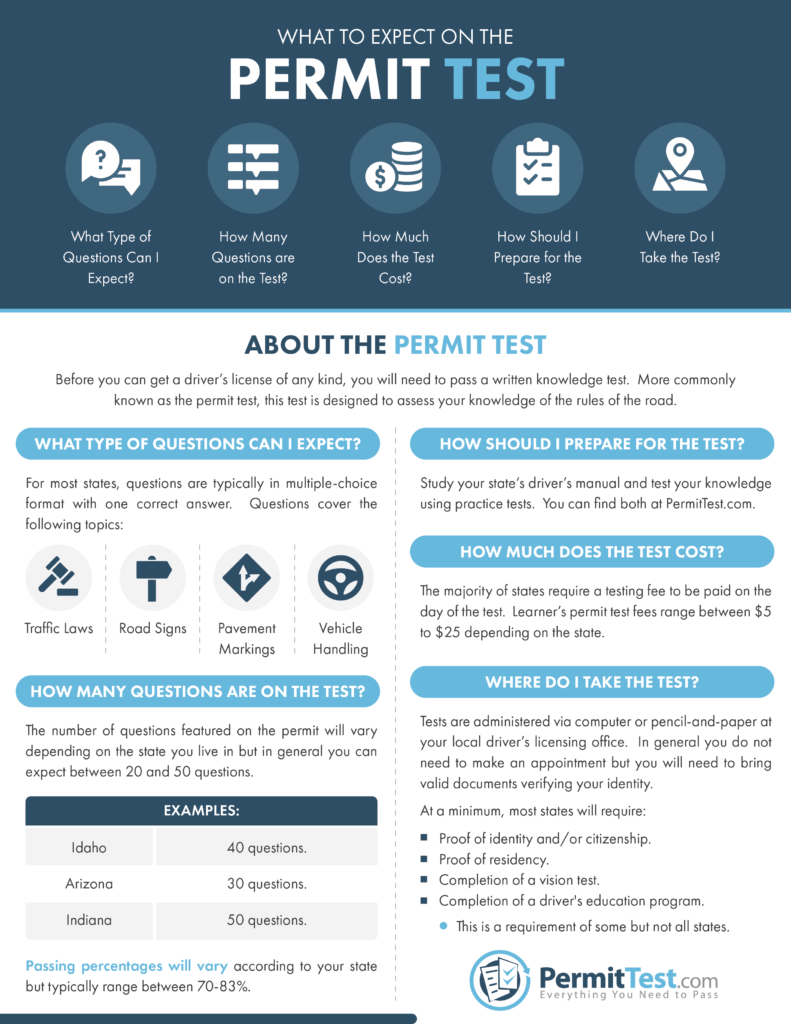
Typically, permit tests consist of multiple-choice questions that cover a range of topics from the official driver’s manual. These topics generally include:
- Traffic Laws: Right-of-way rules, speed limits, parking regulations, distracted driving laws, impaired driving laws, and specific maneuvers like turning and passing.
- Road Signs: Identification and understanding of regulatory signs (stop, yield), warning signs (curve ahead, deer crossing), guide signs (destination, mileage), and service signs.
- Safe Driving Practices: Defensive driving techniques, anticipating hazards, dealing with adverse weather conditions, and maintaining vehicle control.
The number of questions on the test can range from 20 to 50, or even more in some jurisdictions. Correspondingly, the passing score is usually expressed as a percentage of correct answers. Common passing percentages fall in the range of 75% to 85%. For example, a state might require you to answer 80% of the questions correctly. If a test has 25 questions, you would need to get at least 20 correct to pass. Some states might even break down the test into sections, requiring a minimum score on traffic law questions and another minimum on road sign questions.
This variability underscores the critical importance of researching the exact requirements for your specific state or region. What might be a passing score in California could be a failing score in New York, or vice versa.
Identifying Your State’s Specific Thresholds
Given the state-specific nature of permit test requirements, the most reliable way to find out the exact passing score and test format is to consult official sources. These typically include:
- Your State’s Department of Motor Vehicles (DMV) Website: This is unequivocally the most authoritative source. The DMV (or equivalent agency, such as the Department of Public Safety, Secretary of State, etc.) provides comprehensive information on test requirements, sample questions, and often the full driver’s manual available for download. Navigating to the “Driver’s License” or “Learner’s Permit” section of your state’s DMV website should provide all the necessary details.
- Official Driver’s Manual: Every state publishes a driver’s manual that serves as the primary study guide for the permit test. This manual will often explicitly state the number of questions, the types of questions, and the required passing percentage. It’s not just a study tool; it’s the official rulebook.
- Local DMV Office: If you prefer in-person assistance or have specific questions that aren’t answered online, a visit or call to your local DMV office can provide clarity. They can provide brochures, answer questions about the testing process, and confirm the current passing requirements.
It is crucial to rely only on official sources. While many third-party websites offer practice tests and study guides, their information may sometimes be outdated or inaccurate. Always cross-reference with your state’s official DMV materials to ensure you are studying the correct content and aiming for the right score. Using outdated information could lead to unexpected failure on test day.
Leveraging Technology for Permit Test Mastery
In today’s digital age, preparing for the permit test is no longer limited to flipping through a physical driver’s manual. Technology offers a vast array of tools and resources that can significantly enhance your study process, making it more efficient, engaging, and effective. From AI-powered apps to secure online platforms, the “Tech” aspects of modern life are perfectly suited to streamline your path to a learner’s permit.
AI-Powered Study Tools and Adaptive Learning Apps
The rise of artificial intelligence has revolutionized personalized learning, and permit test preparation is no exception. Many apps and online platforms now incorporate AI to offer a more tailored and effective study experience.
- Personalized Learning Paths: AI algorithms can analyze your performance on practice tests, identifying your strengths and weaknesses. Instead of generic study, these tools can then focus your attention on the topics where you need the most improvement, creating a personalized learning path. If you consistently struggle with right-of-way rules, the app will serve up more questions and explanations related to that topic.
- Adaptive Practice Questions: Unlike static practice tests, AI-driven apps can adjust the difficulty of questions based on your responses. If you answer a question correctly, the next one might be slightly harder; if you get it wrong, the app might provide an easier question or a detailed explanation before retesting you on the concept. This adaptive approach optimizes learning by keeping you challenged without overwhelming you.
- Simulated Test Environments: Many apps meticulously replicate the actual test environment, complete with timed sections and the same question format you’ll encounter at the DMV. This helps reduce test anxiety and familiarizes you with the pressure of a timed exam.
- Instant Feedback and Explanations: Beyond just telling you if an answer is right or wrong, these tools often provide immediate, detailed explanations for incorrect answers. This helps you understand why a particular answer is correct, reinforcing your learning rather than just memorizing answers.
- Progress Tracking: AI-powered dashboards allow you to visualize your progress over time, track your scores on different topics, and estimate your readiness for the actual test. This data-driven approach provides valuable insights into your preparedness.
Popular examples (without naming specific, potentially ephemeral brands) might include apps available on iOS and Android app stores that market themselves as “DMV practice tests,” “Driving Test Prep,” or “Learner’s Permit Study Guides.” When choosing one, look for high ratings, recent updates, and reviews that praise their accuracy and effectiveness.
Digital Security and Online Resources
While technology offers immense advantages, it also introduces considerations regarding digital security. When utilizing online resources for permit test preparation, it’s essential to be mindful of your data and the reliability of the information.
- Secure Websites (HTTPS): Always ensure that any website you use for practice tests or to access official information uses HTTPS encryption (indicated by a padlock icon in your browser’s address bar). This protects any personal information you might enter, such as an email address for registration, from being intercepted.
- Official State Portals: As mentioned earlier, your state’s official DMV website is the most secure and accurate source for driver’s manuals and regulations. These sites are maintained by government entities and are designed to be reliable.
- Beware of Scams: Be cautious of websites or apps that promise guaranteed passes for a fee, or that ask for sensitive personal information beyond what’s necessary for basic account creation. Legitimate study tools focus on education, not shortcuts.
- Privacy Policies: Before signing up for any online study platform, take a moment to review its privacy policy. Understand how your data will be collected, used, and stored. Opt for platforms that prioritize user privacy.
Gadgets and Software for Enhanced Learning
Beyond dedicated apps, general technology tools can also support your study efforts:
- Smartphones and Tablets: These ubiquitous gadgets are ideal for on-the-go studying. You can review the driver’s manual PDF, take practice quizzes, or watch instructional videos during commutes, lunch breaks, or any downtime.
- E-readers: For those who prefer a less distracting reading experience, loading the driver’s manual onto an e-reader can make for focused study sessions.
- Productivity Apps: Utilizing calendar apps to schedule study times, note-taking apps to summarize key rules, or flashcard apps to memorize signs can add structure to your preparation.
- Video Tutorials: Platforms like YouTube host numerous channels dedicated to explaining traffic laws, road signs, and safe driving techniques. Visual learners can particularly benefit from these engaging resources.
By thoughtfully integrating technology into your study routine, you can transform the often daunting task of permit test preparation into an efficient and even enjoyable experience, significantly boosting your chances of achieving that crucial passing score.
The Financial & Personal Brand Implications of Earning Your Permit
Passing the permit test and eventually earning your driver’s license carries implications that extend far beyond simply knowing the rules of the road. It’s a significant life event with substantial “Money” aspects, impacting personal finance, and also shapes your “Brand”—both your personal identity and how you are perceived by others. Gaining mobility is a stepping stone to greater independence, opening up new opportunities that have both financial and developmental dimensions.
Navigating the Costs: From Test Fees to Future Investments
The financial journey associated with driving begins even before you get behind the wheel unsupervised. Understanding these costs is crucial for budgeting and planning.
- Initial Permit Test Fees: The very first direct cost is often the fee for the permit test itself and the subsequent issuance of your learner’s permit. These fees vary by state but are generally modest, typically ranging from $10 to $50. While seemingly small, they represent the initial investment in your driving future.
- Driving Lessons (Optional but Recommended): While not strictly required in all states for a learner’s permit, professional driving lessons are highly recommended for developing safe driving habits and confidence. These can be a significant expense, with packages ranging from a few hundred to over a thousand dollars, depending on the number of hours and the instructor’s rates. Budgeting for these lessons early can save money in the long run by reducing the likelihood of accidents or retaking tests.
- Vehicle Costs: Once you have a permit, the discussion eventually shifts to acquiring a vehicle. This is arguably the largest financial commitment. Costs include:
- Purchase Price: Whether new or used, a car is a major asset.
- Fuel: An ongoing, variable expense.
- Maintenance and Repairs: Oil changes, tire rotations, unexpected repairs—these are inevitable.
- Registration and Licensing: Annual fees to keep your vehicle legal.
- Insurance Implications: This is a critical “Money” topic for new drivers. Adding a new, young driver to an existing insurance policy (or obtaining a new policy) almost invariably leads to significantly higher premiums. Insurance companies view new drivers as higher risk. Premiums can easily range from hundreds to thousands of dollars annually. Understanding these costs beforehand can influence decisions about car ownership and usage. Some insurers offer discounts for good grades, completing defensive driving courses, or using telematics devices that monitor driving habits, which can be strategic ways to manage costs.
- Fines and Legal Fees: While hopefully avoidable, new drivers are particularly susceptible to traffic violations. Speeding tickets, distracted driving fines, or even more serious infractions can result in hefty monetary penalties, increased insurance rates, and potentially legal fees, representing a significant unplanned financial drain.
From a “Money” perspective, budgeting for all these potential expenses, even before you get your full license, is a smart financial strategy. It’s an investment in mobility, but also one that requires careful financial planning.
Building Independence: A Stepping Stone to Financial Autonomy and Personal Branding
Beyond the direct costs, earning your permit and eventually your license has profound impacts on your personal growth, financial autonomy, and even your “personal brand.”
- Increased Mobility and Employment Opportunities: The most immediate and tangible benefit of driving is increased mobility. This isn’t just about personal convenience; it’s a gateway to economic opportunity. Many jobs, especially entry-level positions, require a valid driver’s license. This includes roles in retail, hospitality, trades, and delivery services—the very kinds of “side hustles” or first jobs that can help young individuals start building financial independence and save money. With a permit, supervised driving allows you to commute to work or job interviews more easily, expanding your job search radius. A full license provides even greater freedom, enabling you to take on delivery gigs, ride-sharing, or other ventures that directly contribute to online income or supplemental earnings, which ties directly into the “Money” topic of online income and side hustles.
- Access to Education and Training: Mobility also means easier access to educational institutions, vocational training centers, or specialized courses that might not be easily reachable by public transport. This access can directly enhance career prospects and earning potential, representing a long-term “Money” investment in human capital.
- Personal Branding: Responsibility and Reliability: The act of getting a driver’s permit and eventually a license is, in essence, a declaration of maturity and responsibility. It signals to parents, employers, and even peers that you are capable of adhering to rules, understanding consequences, and taking charge of a significant responsibility. This contributes to your “personal brand” as someone reliable, independent, and trustworthy. Being a safe and responsible driver can enhance this brand further. Conversely, a poor driving record (accidents, tickets) can negatively impact this perception, affecting everything from insurance rates to job prospects.
- Independence and Autonomy: The ability to drive yourself wherever you need to go is a powerful form of personal autonomy. It reduces reliance on others for transportation, offering freedom in scheduling and daily activities. This independence is a cornerstone of adult life and contributes significantly to one’s sense of self-reliance, a crucial aspect of developing a strong personal identity or “brand.”
In sum, the journey to obtaining a driver’s permit and license is a multifaceted endeavor that intertwines with personal finance, career prospects, and the development of one’s personal identity. It’s an investment that pays dividends in freedom and opportunity, but one that also demands careful consideration of both financial obligations and the responsibility it entails.
Beyond the Score: Cultivating a Mindset for Safe Driving
While achieving the necessary score on the permit test is a significant first step, it’s crucial to understand that it is just that – a beginning. The test merely confirms your theoretical knowledge of traffic laws and road signs. True mastery of driving, and more importantly, the cultivation of a safe driving mindset, extends far beyond the confines of a written exam. This final section bridges the gap between passing the test and becoming a responsible, confident driver, emphasizing continuous learning and the ethical responsibility inherent in operating a vehicle.

The Journey from Learner to Confident Driver
Obtaining your learner’s permit grants you the privilege to practice driving under supervision. This practice period is arguably the most critical phase in becoming a skilled and safe driver.
- Importance of Practice: The permit phase is designed for extensive supervised practice. It’s an opportunity to translate theoretical knowledge into practical skills. This means spending ample time behind the wheel with a licensed adult, experiencing various road conditions, traffic scenarios, and weather challenges. The more diverse and consistent your practice, the better prepared you’ll be for the actual road test and for real-world driving.
- Developing Good Habits: This period is ideal for ingraining good driving habits: checking mirrors constantly, signaling appropriately, maintaining safe following distances, scanning intersections, and avoiding distractions like mobile phones (a crucial “Tech” aspect for drivers). These habits, once formed, become second nature and are vital for accident prevention. Conversely, bad habits formed during this stage can be very difficult to break later on.
- Continuous Learning Even After Getting the Full License: Driving is a skill that requires continuous learning and adaptation. Road conditions change, vehicle technology evolves (“Tech” aspect with features like ADAS), and new laws may be introduced. Even after you obtain your full driver’s license, the learning doesn’t stop. Staying informed, perhaps through defensive driving courses or by reviewing updated driver manuals, contributes to long-term safety.
- Ethical Responsibility of Driving: Operating a vehicle carries an immense ethical responsibility. Your actions behind the wheel directly impact not only your safety but also the safety of your passengers, other drivers, pedestrians, and cyclists. This goes beyond just following the law; it involves anticipating risks, exercising caution, showing courtesy, and making responsible decisions, especially concerning impaired or distracted driving. This aspect ties into the broader concept of personal “Brand” – how you conduct yourself on the road reflects on your character and responsibility.
The ultimate goal isn’t just to pass the permit test or even the final driving test. It’s about becoming a competent, cautious, and considerate driver who contributes positively to road safety. The permit test is merely the initial gatekeeper, ensuring you have the foundational knowledge. The real test of a driver’s abilities and character unfolds every time they get behind the wheel.
Conclusion
Passing the permit test is a significant and necessary step on the path to obtaining your driver’s license. While the specific passing score varies by state, typically ranging from 75% to 85% correct answers, the core requirement remains consistent: a thorough understanding of traffic laws, road signs, and safe driving principles. Leveraging modern “Tech” tools like AI-powered study apps, secure online resources, and productivity gadgets can dramatically enhance your preparation, making the learning process more effective and engaging.
Beyond the immediate goal of passing the test, it’s crucial to recognize the broader implications. Earning your permit and eventually your license has substantial “Money” implications, from test fees and driving lessons to car purchase, insurance costs, and the potential for increased income through enhanced mobility and “side hustles.” It also significantly impacts your “Personal Brand,” signaling responsibility, independence, and maturity.
Ultimately, the permit test is just the beginning. It’s a foundational step towards cultivating a lifelong mindset of safe, responsible, and ethical driving. By diligently preparing, utilizing available technology, understanding the financial landscape, and committing to continuous learning, you can not only achieve that crucial passing score but also embark on your driving journey as a confident and responsible member of the road community.
aViewFromTheCave is a participant in the Amazon Services LLC Associates Program, an affiliate advertising program designed to provide a means for sites to earn advertising fees by advertising and linking to Amazon.com. Amazon, the Amazon logo, AmazonSupply, and the AmazonSupply logo are trademarks of Amazon.com, Inc. or its affiliates. As an Amazon Associate we earn affiliate commissions from qualifying purchases.