
Benjamin Franklin, a name synonymous with American ingenuity and sagacity, stands as a colossus in the annals of the American Revolution. More than a founding father, Franklin was a polymath whose diverse talents — as a scientist, inventor, printer, writer, postmaster, diplomat, and statesman — converged to serve the nascent nation at its most perilous hour. His contributions were not merely significant; they were indispensable, weaving together threads of technological innovation, astute personal and national branding, and sophisticated financial acumen to forge the path to independence. To understand Franklin’s role is to comprehend how a singular individual, leveraging intellect and charisma across a spectrum of disciplines, could fundamentally alter the course of history. He was, in essence, the ultimate influencer of his time, an embodiment of the emerging American spirit, skillfully navigating the intricate political and social landscapes of the 18th century.
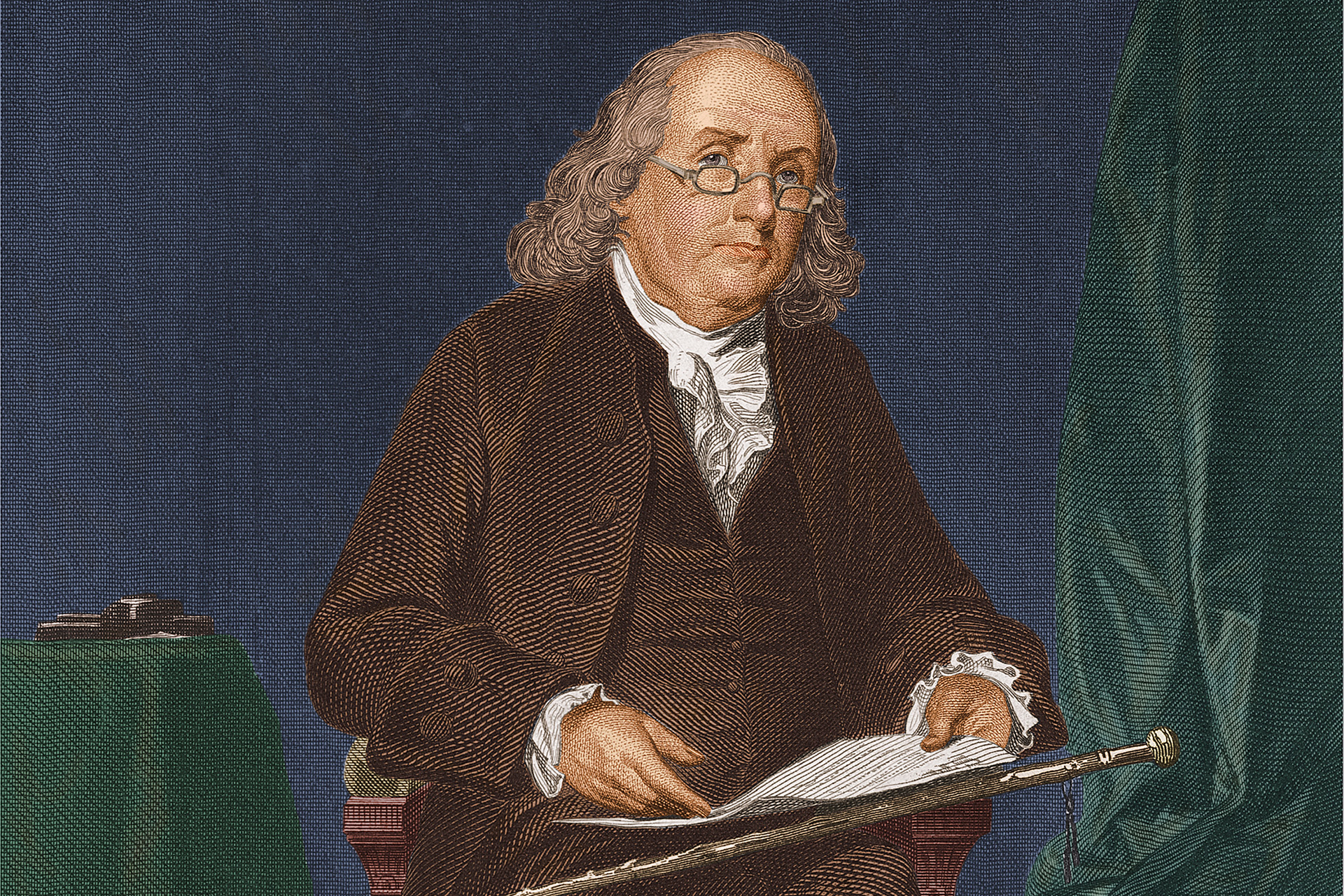
The Architect of Influence: From Innovation to Information
Franklin’s journey to revolutionary leadership was paved by decades of personal achievement and public service, establishing a formidable reputation long before the first shot was fired at Lexington. His early life as a printer and publisher laid the groundwork for his later mastery of communication and persuasion, skills that would prove crucial in galvanizing support for the American cause. But it was his insatiable scientific curiosity and practical inventions that truly set him apart, positioning him as a leading intellectual figure both at home and abroad.
A Progenitor of American Technology
In an era predating modern technological breakthroughs, Franklin was a veritable innovator, a “tech” guru whose inventions showcased a uniquely American blend of ingenuity and pragmatism. His most famous invention, the lightning rod, was not merely a scientific curiosity but a practical solution that protected countless structures and lives. Similarly, the Franklin stove improved heating efficiency dramatically, and bifocal spectacles revolutionized vision correction. These were the cutting-edge “tech” solutions of the 18th century, and they broadcast a powerful message: America was a land of practical thinkers, capable of solving real-world problems.
Franklin’s scientific endeavors transcended mere invention; they were a testament to the Enlightenment ideals of reason and progress. His experiments with electricity, meticulously documented and widely published, earned him international renown and fellowship in prestigious scientific societies. This scientific credibility served a dual purpose during the Revolution. Firstly, it bolstered his personal “brand” as a man of intellect and foresight, making his political arguments more compelling. Secondly, it helped establish the nascent American identity as one rooted in scientific advancement and rational thought, distinct from the perceived stagnation of the Old World. In a time when European powers often viewed the colonies as uncivilized, Franklin’s scientific achievements offered a potent counter-narrative, subtly laying the groundwork for international respect.
The Master of Media and Messaging
Before the age of social media and digital platforms, Franklin was a pioneer in controlling information flow and shaping public opinion. As a printer, publisher, and eventually Postmaster General for North America, he understood the power of the press and communication networks like no other. His printing press was an early form of “information technology,” disseminating news, ideas, and political discourse across the colonies. His role as Postmaster General was particularly vital, allowing him to establish and maintain efficient lines of communication, ensuring that revolutionary correspondence and propaganda could travel swiftly and securely – an 18th-century equivalent of digital security and network management.
Franklin’s “Poor Richard’s Almanack” was a masterclass in personal branding and public messaging. Through its aphorisms and practical advice, he cultivated his persona as a wise, thrifty, and industrious individual – values he simultaneously promoted as foundational to American character. The Almanack was widely read, making Franklin a household name and allowing him to subtly instill republican virtues and a sense of shared identity among the colonists. This widespread cultural influence would later prove invaluable in mobilizing public sentiment against British rule.
During the escalating tensions with Britain, Franklin skillfully leveraged his command of media to articulate colonial grievances and build a coherent narrative for independence. He wrote countless essays, pamphlets, and letters, often under pseudonyms, dissecting British policies and rallying support for the American cause. He understood that the war for independence would also be a war of ideas, fought with words as much as with muskets. By strategically publishing pieces that highlighted British injustices and extolled the virtues of self-governance, he became a critical voice in shaping not just American but also international perceptions of the conflict, laying the ideological groundwork for revolution.
A Diplomat of Unparalleled Skill: Securing Allies and Funds
Perhaps Franklin’s most critical role in the American Revolution unfolded on the international stage, particularly in France. Sent as an envoy to Paris in 1776, his mission was daunting: to secure the recognition, military aid, and financial support necessary for the struggling American colonies to defeat the mighty British Empire. His success in this endeavor was nothing short of miraculous, a testament to his extraordinary diplomatic talents and his profound understanding of human nature.
Cultivating America’s International Brand
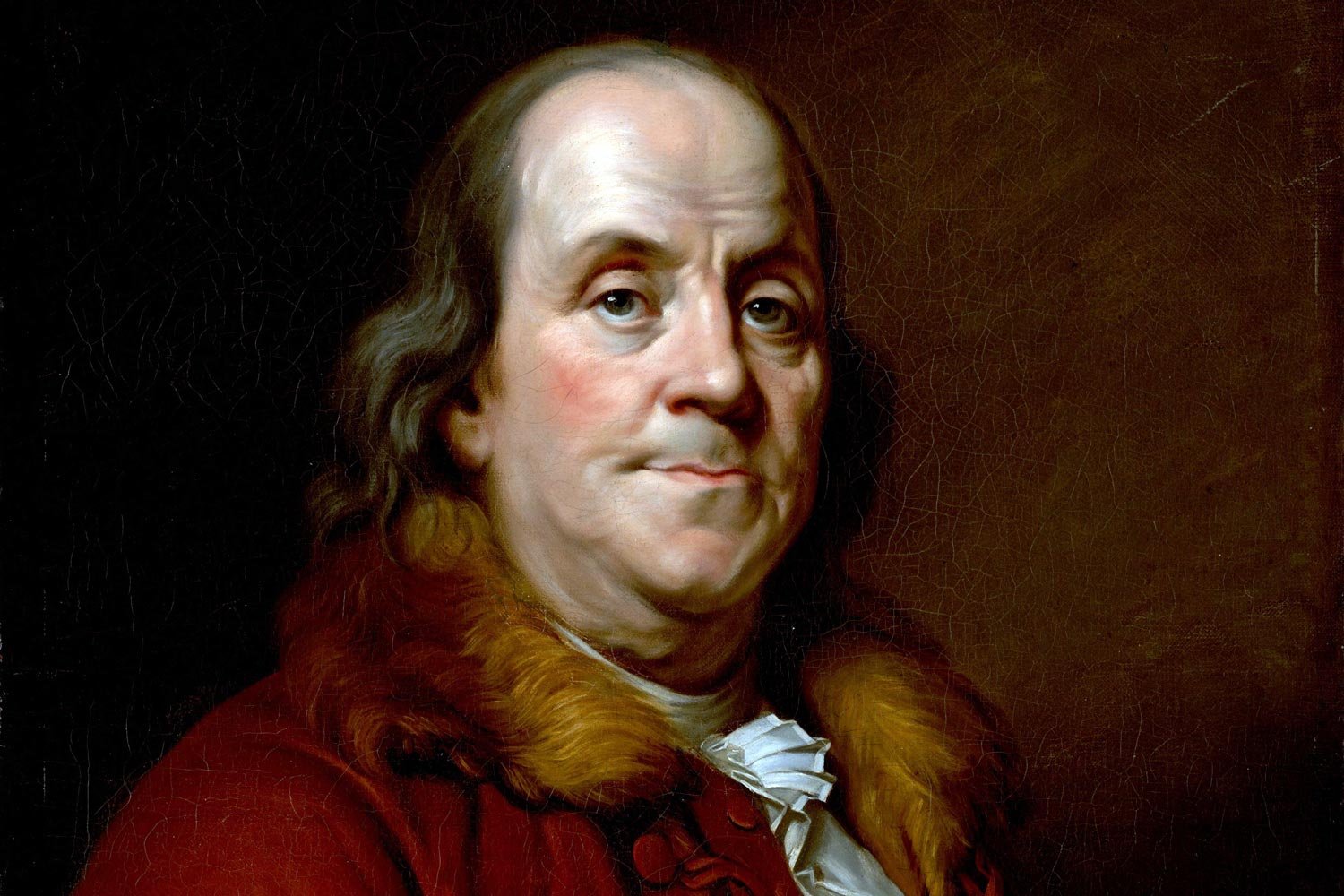
Franklin arrived in France not as a conventional diplomat in powdered wig and formal attire, but as a carefully curated “brand.” He adopted a distinctively American persona: a simple, unpretentious “natural man” in plain brown clothes and a fur cap, embodying the Enlightenment ideal of the virtuous republican. This image stood in stark contrast to the opulence and artifice of the French court, and it captivated European elites. He became an instant celebrity, his image adorning countless medallions, busts, and prints.
This personal branding was not mere vanity; it was a strategic masterstroke. Franklin used his celebrity to “market” the American cause, transforming the image of a struggling rebellion into an epic struggle for liberty and enlightenment. He cultivated relationships with influential intellectuals, scientists, and members of the aristocracy, charming them with his wit, wisdom, and homespun philosophy. He presented the American Revolution not just as a colonial revolt, but as a grand experiment in self-governance, a beacon of hope for humanity. Through his masterful use of public relations and personal charm, Franklin successfully built trust and credibility for the fledgling United States on the world stage, making it an attractive partner for foreign powers eager to challenge British supremacy. His unique appeal effectively swung French public opinion in America’s favor, paving the way for crucial alliances.

The Financial Lifeline of the Revolution
Beyond winning hearts and minds, Franklin’s most tangible contribution in France was securing the financial and military lifeline that kept the American Revolution from collapsing. The Continental Army was perpetually short of funds, arms, and supplies. Without external support, the war effort was doomed. Franklin shrewdly negotiated the Franco-American Treaty of Alliance in 1778, which brought France into the war as an open ally and provided much-needed military assistance, including troops, ships, and equipment.
Crucially, Franklin also secured massive loans and subsidies from the French government. These “money” injections were the lifeblood of the American war effort, enabling the Continental Congress to pay soldiers, purchase provisions, and sustain the fight against Britain. He understood the dire economic needs of his country and possessed the financial acumen to navigate complex international monetary negotiations. His reputation for integrity and the carefully cultivated “brand” of America as a promising new nation were instrumental in convincing French financiers and the monarchy to commit substantial resources.
Moreover, Franklin worked tirelessly to counter British propaganda that depicted the American cause as a lost one, financially unstable and incapable of self-governance. He provided assurances of America’s long-term economic viability and its commitment to repaying its debts, solidifying the confidence of foreign creditors. His efforts were not limited to France; he also engaged with other European powers, albeit with less success, in pursuit of loans and support, demonstrating his relentless dedication to securing the financial underpinnings of independence.
The Statesman and Strategist: On the Home Front and Beyond
While his diplomatic feats often garner the most attention, Franklin’s contributions to the American Revolution also encompassed significant political and philosophical groundwork both before and after his tenure in Europe. He was a foundational thinker who envisioned a united America long before the concept was broadly accepted, and his influence extended to the very formation of the new nation’s governance.
Shaping Political Thought and Economic Independence
Franklin was an early advocate for colonial unity, famously proposing the Albany Plan of Union in 1754, decades before the Revolution. Though ultimately rejected, this plan demonstrated his foresight and his belief in a unified American identity, providing a conceptual blueprint for future continental cooperation. As tensions with Britain mounted, he tirelessly worked to articulate the philosophical justifications for independence, drawing upon Enlightenment principles to argue for the rights of self-determination and popular sovereignty.
His contributions to foundational documents were equally significant. He was a member of the Committee of Five that drafted the Declaration of Independence, offering crucial edits and lending his gravitas to its adoption. After the war, he was a key negotiator of the Treaty of Paris (1783), which officially ended the war and secured favorable terms for American independence and territorial expansion. Later, at 81 years old, he played a crucial role at the Constitutional Convention of 1787. His wisdom, experience, and ability to foster compromise were indispensable in bridging divides among the delegates, contributing significantly to the adoption of the U.S. Constitution.
Franklin’s deep understanding of “money” matters and economics also shaped the revolutionary era. He had long been involved in currency discussions, even designing colonial banknotes. He advocated for sound financial policies, understanding that economic independence was inextricably linked to political freedom. His writings and proposals often touched upon taxation, trade, and the creation of a stable economic infrastructure for the fledgling nation, recognizing that a secure financial footing was essential for the long-term success of the American experiment.
A Symbol of Revolutionary Ideals
Beyond his tangible actions, Franklin served as a powerful symbol of revolutionary ideals. His personal journey from humble beginnings as a candlemaker’s son to an internationally renowned figure embodied the “American Dream” even before the term was coined. He was the quintessential self-made man, a testament to the power of hard work, ingenuity, and civic virtue. This image resonated deeply with the aspirations of the colonists and helped define the “brand” of the new nation – a place where merit, not birthright, determined one’s destiny.
His philanthropic spirit and civic innovations further cemented his legacy as a leader who valued public welfare. He established America’s first circulating library, founded the first volunteer fire department, and spearheaded efforts for paved streets and public hospitals. These initiatives reflected his belief in collective responsibility and the power of organized community action – foundational “brand” values for American society. They underscored the idea that the new nation would not just be free, but also progressive, enlightened, and dedicated to the improvement of its citizens’ lives. Franklin’s ability to inspire and unify, both through his example and his direct leadership, was a silent yet potent force in sustaining the revolutionary spirit.
Conclusion
Benjamin Franklin’s role in the American Revolution was multifaceted, profound, and utterly indispensable. He was not merely a participant but a principal architect of the nation’s independence, leveraging an astonishing array of talents across what we might today categorize as “tech,” “brand,” and “money.” His scientific innovations and intellectual prowess presented America as a land of progress and reason. His masterful cultivation of his personal “brand” and his strategic control of information helped shape public opinion at home and secured critical international allies. And his deep understanding of “money” matters, from colonial currency to securing vital foreign loans, provided the financial bedrock upon which the revolution could be fought and won.
Franklin’s legacy is a powerful reminder that revolution is not only waged on battlefields but also in the minds of people, in the corridors of power, and through the strategic management of perception and resources. He was the quintessential American genius, a man whose sagacity, adaptability, and unwavering commitment to liberty ensured that the audacious dream of a new nation could indeed become a tangible reality. His contributions laid foundations that transcend his era, offering timeless lessons in diplomacy, public influence, and the strategic application of diverse talents for a common, transformative goal.
aViewFromTheCave is a participant in the Amazon Services LLC Associates Program, an affiliate advertising program designed to provide a means for sites to earn advertising fees by advertising and linking to Amazon.com. Amazon, the Amazon logo, AmazonSupply, and the AmazonSupply logo are trademarks of Amazon.com, Inc. or its affiliates. As an Amazon Associate we earn affiliate commissions from qualifying purchases.