
In the vast and intricate architecture of the internet, certain foundational elements work tirelessly behind the scenes, ensuring seamless connectivity and access to the digital world. Among these, the Domain Name System (DNS) stands as an unsung hero, the indispensable directory that translates human-readable website addresses into machine-readable numerical IP addresses. Understanding the mechanics of DNS, particularly the ports it utilizes, is not merely a technicality for network administrators; it’s a critical insight for anyone navigating the realms of technology, brand building, and financial strategy in the digital age.
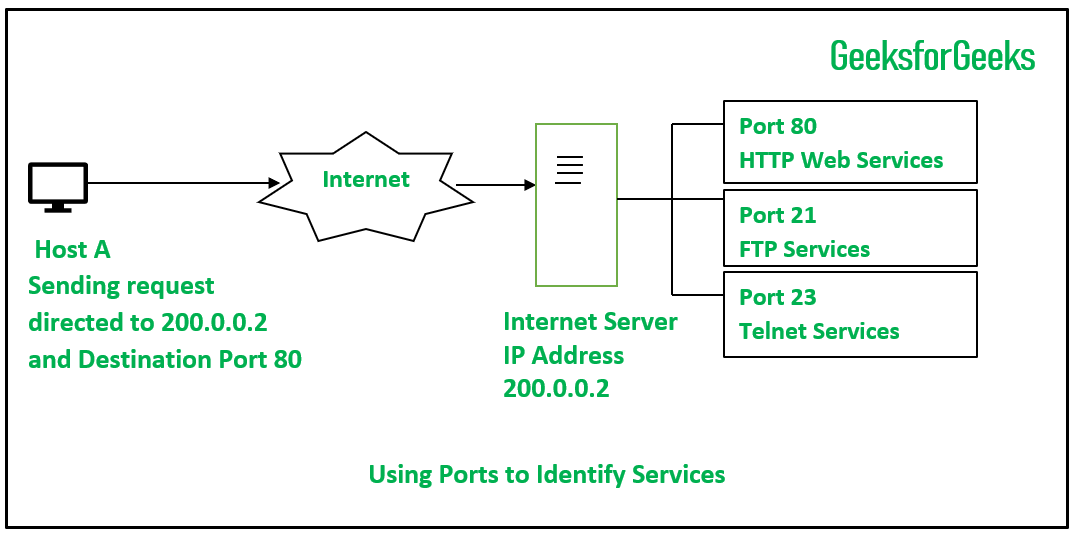
So, to answer the fundamental question directly: DNS primarily uses port 53. This port is allocated by the Internet Assigned Numbers Authority (IANA) specifically for DNS services. However, the story doesn’t end there, as DNS leverages port 53 in two distinct ways—using both the User Datagram Protocol (UDP) and the Transmission Control Protocol (TCP)—each serving a unique purpose crucial for the internet’s functionality. This core piece of information underpins everything from simple web browsing to complex cloud infrastructures, directly influencing technological trends, brand reputation, and economic outcomes for businesses worldwide.
Understanding DNS: The Internet’s Essential Phonebook
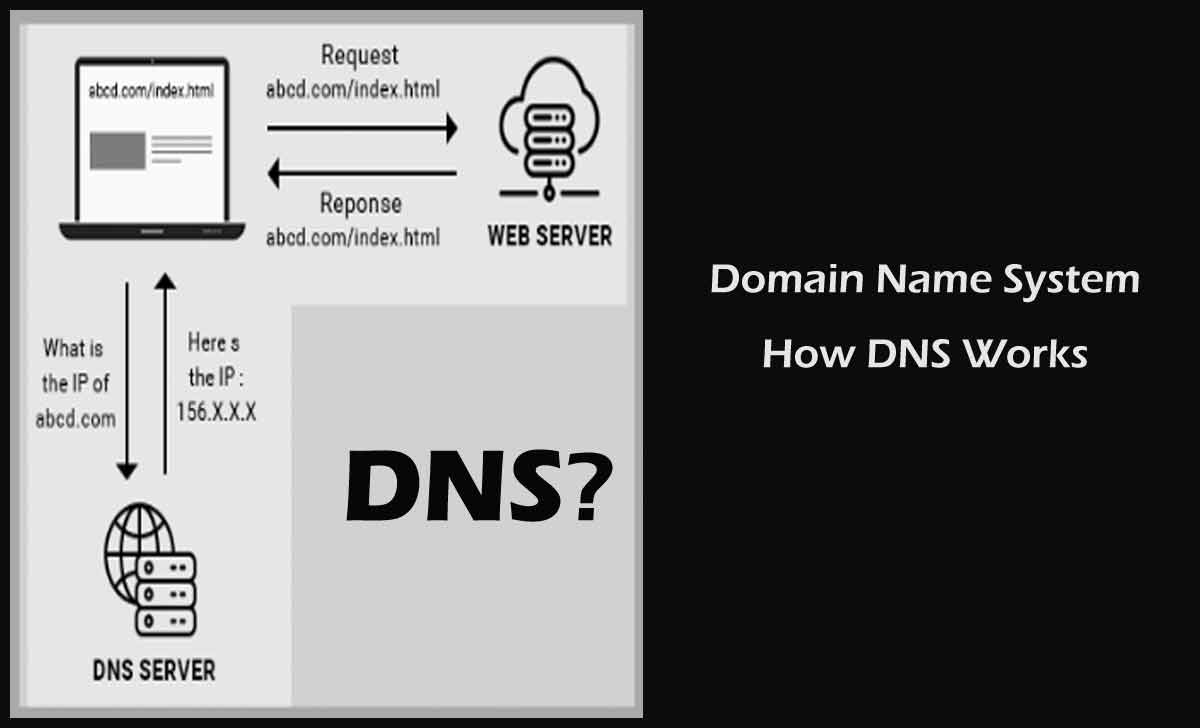
At its core, DNS is often likened to the internet’s phonebook. When you type a domain name like “example.com” into your browser, your computer doesn’t instantly know where to find that website. It needs the corresponding IP address (e.g., 192.0.2.1). DNS is the system that provides this translation, acting as a distributed global database that maps domain names to IP addresses. Without DNS, we’d have to remember long strings of numbers for every website, an impossible task that would render the internet virtually unusable.
This translation process is incredibly fast and efficient, thanks in large part to the protocols and ports involved. The fundamental role of DNS extends beyond mere website access; it’s vital for email delivery, secure connections, and the operation of countless online applications and services that define our digital experience. From streaming media to AI tools fetching data, and from software updates to real-time communication apps, DNS is the invisible orchestrator ensuring every digital interaction finds its correct destination.
The Dual Role of Port 53: UDP vs. TCP
The distinction between UDP and TCP on port 53 is vital for understanding DNS’s efficiency and reliability.
-
UDP Port 53 (User Datagram Protocol): This is the workhorse for most standard DNS queries. UDP is a connectionless protocol, meaning it doesn’t establish a persistent connection before sending data. It’s fast and lightweight, making it ideal for the small, quick requests that characterize typical DNS lookups. When your computer asks for “example.com”‘s IP address, it sends a UDP packet to a DNS server on port 53. The server quickly responds with another UDP packet containing the IP address. This speed is critical for quick page loads and responsive applications, directly impacting user experience and, by extension, brand perception. While UDP doesn’t guarantee delivery, the nature of DNS queries (short, idempotent, and often cached) makes UDP suitable, as lost packets can simply be re-sent with minimal delay.
-
TCP Port 53 (Transmission Control Protocol): While UDP handles the majority of client-to-server queries, TCP is used for more complex and larger data transfers within the DNS ecosystem, particularly for “zone transfers.” A zone transfer occurs when a secondary DNS server requests a full copy of a domain’s DNS records from a primary DNS server. This ensures that all authoritative DNS servers for a given domain have identical and up-to-date information. TCP, being a connection-oriented protocol, establishes a reliable connection, guarantees delivery, ensures data integrity, and handles larger data volumes much more effectively. TCP on port 53 is also crucial for DNSSEC (DNS Security Extensions) and sometimes for initial queries if the UDP response is truncated or exceeds a certain size. The robustness offered by TCP ensures the stability and consistency of the global DNS database, a non-negotiable requirement for digital security and the integrity of online brand identities.
A Simplified Walkthrough of a DNS Query
To fully appreciate the role of port 53, let’s trace a typical DNS query:
- Request Initiation: You type “yourbrand.com” into your browser. Your computer first checks its local cache. If not found, it queries its configured DNS resolver (often provided by your ISP or a public DNS service like Google’s 8.8.8.8). This query is sent via UDP port 53.
- Recursive Resolver: Your ISP’s DNS resolver doesn’t necessarily know the answer immediately. It acts recursively, querying other DNS servers on your behalf.
- Root Servers: If necessary, the resolver queries one of the internet’s 13 root name servers. These servers don’t know the IP address for “yourbrand.com” but know which servers are responsible for the “.com” top-level domain (TLD). This communication also uses UDP port 53.
- TLD Name Servers: The root server directs the resolver to the “.com” TLD name servers. These servers know which authoritative name servers are responsible for “yourbrand.com.” Again, communication is via UDP port 53.
- Authoritative Name Servers: Finally, the resolver queries the authoritative name servers for “yourbrand.com.” These servers hold the definitive records for the domain and return the correct IP address for “yourbrand.com” to the resolver, typically over UDP port 53.
- Resolution and Connection: The resolver sends the IP address back to your computer. Your browser then uses this IP address to establish a direct connection to the web server hosting “yourbrand.com.”
This entire process often takes mere milliseconds, a testament to the efficient design underpinned by port 53.
Beyond the Basics: DNS in the Modern Digital Landscape
The evolution of technology has continually pushed the boundaries of what DNS can do and how it must adapt. In today’s landscape of pervasive digital threats and a growing demand for privacy, DNS is no longer just about translation; it’s a critical layer for security and data protection. New protocols and extensions built upon the foundation of port 53 are emerging, reflecting broader trends in digital security and user privacy. These advancements are crucial for businesses in protecting their digital assets, maintaining brand trust, and complying with data regulations.
Securing DNS: The Rise of DNSSEC, DoH, and DoT
As the internet grew, so did the sophistication of attacks. Traditional DNS queries, especially over UDP, are unencrypted and vulnerable to various forms of manipulation, such as DNS spoofing or cache poisoning, where attackers redirect users to malicious websites. To combat this, several critical security enhancements have been developed:
- DNSSEC (DNS Security Extensions): DNSSEC adds a layer of cryptographic signatures to DNS data, allowing resolvers to verify the authenticity and integrity of DNS responses. It ensures that the IP address you receive hasn’t been tampered with. While the actual DNSSEC records are fetched via port 53 (sometimes requiring TCP due to larger data sizes), its implementation provides a chain of trust that makes DNS significantly more robust against spoofing attacks. For any brand, implementing DNSSEC is a powerful statement of commitment to security and trustworthiness, protecting both the brand’s reputation and its users from being misdirected to fraudulent sites.
- DoH (DNS over HTTPS): This protocol encrypts DNS queries by wrapping them in HTTPS traffic, typically over port 443 (the standard port for secure web traffic). By making DNS lookups indistinguishable from regular secure web traffic, DoH makes it harder for third parties (like ISPs or network administrators) to snoop on your browsing activity or block specific domains.
- DoT (DNS over TLS): Similar to DoH, DoT encrypts DNS queries using Transport Layer Security (TLS), usually over port 853. While DoH often blends into standard web traffic, DoT typically operates on its dedicated port, making it easier for network administrators to identify and manage, but potentially also to block.
These innovations address critical security and privacy concerns, shifting some DNS traffic away from unencrypted port 53 for privacy-conscious users and applications. For tech companies developing new apps or AI tools, incorporating DoH/DoT can be a significant feature, offering enhanced privacy to users and boosting the product’s security posture.
DNS and the Evolving Threat Landscape
The centrality of DNS makes it a prime target for various cyberattacks. Beyond spoofing, attackers often leverage DNS in Distributed Denial of Service (DDoS) attacks, aiming to overwhelm DNS servers to make websites and services unreachable. Techniques like DNS amplification use open DNS resolvers to magnify attack traffic. Furthermore, DNS is exploited in phishing campaigns, malware command-and-control (C2) communications, and data exfiltration.
Staying ahead of these threats requires robust DNS infrastructure and proactive security measures. Many organizations are turning to advanced DNS security solutions that offer protection against DDoS, provide real-time threat intelligence, and filter malicious domains. Understanding that port 53 is a primary gateway for many internet interactions underscores the importance of securing it, not just with firewalls, but with intelligent threat detection and response systems. For businesses dealing with sensitive data or offering critical online services, investing in these advanced DNS security layers is paramount to maintaining operational integrity and customer trust.
DNS as a Cornerstone for Brand Trust and Digital Presence
In the digital economy, a brand’s online presence is its storefront, its communication channel, and often its primary revenue stream. The ability of customers to access a brand’s website or utilize its online services is directly dependent on DNS functioning flawlessly. Any hiccup, delay, or outage in DNS directly impacts brand reputation, user experience, and ultimately, customer loyalty. DNS, though unseen by the average user, is an invisible hand shaping how a brand is perceived in the digital realm.
The Invisible Hand: How DNS Shapes User Experience
Imagine a customer trying to access an e-commerce site, only to be met with a “site not found” error, or experiencing painfully slow page loads. While the issue might seem like a server problem, it could very well be a DNS resolution delay or failure. Such experiences are incredibly frustrating for users and instantly erode trust. A fast, reliable DNS service ensures that when a user types a domain name, the request is quickly and accurately resolved, leading to a smooth, positive interaction with the brand.
Conversely, a poor DNS setup can lead to:
- Downtime: If authoritative DNS servers are misconfigured or under attack, the brand’s website and services become unreachable. This is an immediate and severe blow to availability.
- Latency: Slow DNS resolution adds to overall page load times. Even a few hundred milliseconds can significantly increase bounce rates and negatively impact user engagement.
- Security Breaches: If DNS is compromised, users could be redirected to phishing sites, leading to data theft and severe reputational damage.
- Inconsistent Access: Geographically dispersed users might experience different levels of service if DNS is not optimized for global reach, leading to an uneven brand experience.
For brands, optimizing DNS performance means prioritizing low latency, high availability, and robust security. Leveraging CDN (Content Delivery Network) integration with DNS, geo-DNS routing, and intelligent traffic management all contribute to a superior user experience, which in turn fosters positive brand perception and customer retention.
Protecting Your Brand: Strategies for DNS Resilience
Building a resilient DNS infrastructure is a strategic imperative for any brand. It involves more than just having a few name servers; it requires a holistic approach to design, security, and monitoring.
- Diversification and Redundancy: Relying on a single DNS provider or a single set of name servers is a significant risk. Brands should implement redundant DNS services, ideally with geographically diverse servers and multiple providers, to ensure that if one fails, others can take over seamlessly.
- DNSSEC Implementation: Activating DNSSEC on your domains is a fundamental step to prevent DNS spoofing and ensure the integrity of your brand’s online identity. It tells users and resolvers that your domain’s DNS records are legitimate and haven’t been tampered with.
- Custom Vanity Nameservers: For larger brands, using custom vanity nameservers (e.g., ns1.yourbrand.com) can reinforce brand identity and make DNS configurations appear more professional and trusted. It also offers greater control over the DNS infrastructure.
- Proactive Monitoring and Alerts: Implementing sophisticated monitoring tools that track DNS health, query response times, and potential attack vectors is crucial. Rapid detection of issues allows for swift remediation, minimizing potential downtime and brand damage.
- Managed DNS Services: Many brands opt for premium managed DNS services. These providers specialize in DNS resilience, offering advanced features like DDoS protection, global anycast networks for reduced latency, and expert support, allowing brands to focus on their core business while ensuring robust online accessibility. This is a strategic investment in brand continuity and trust.
The Financial Implications of DNS Performance and Downtime
In the interconnected global economy, every second of online availability translates directly into financial metrics. DNS, as the gateway to all online services, has profound financial implications. From direct revenue loss due to outages to indirect costs associated with reputational damage and lost productivity, a robust DNS strategy is not just a technical requirement; it’s a critical financial decision. For businesses, from small online shops leveraging online income streams to large corporations managing complex financial tools, the integrity of DNS directly impacts the bottom line.
When DNS Fails: Calculating the Cost of Downtime
The financial cost of DNS failure can be staggering. For e-commerce businesses, an hour of downtime during peak season can mean thousands or even millions in lost sales. For SaaS companies, it means service disruption, breach of SLAs (Service Level Agreements), and potential customer churn, leading to lost subscription revenue. For a financial institution, a DNS outage could halt trading, payment processing, and access to banking services, resulting in massive financial losses, regulatory penalties, and a catastrophic hit to public trust.
The costs are multifaceted:
- Direct Revenue Loss: Immediate loss of sales, subscriptions, transactions, and ad revenue.
- Lost Productivity: Employees unable to access internal systems, cloud applications, or communication tools.
- Reputational Damage: Erosion of customer trust, negative publicity, and long-term brand damage, which is incredibly difficult and expensive to repair. This indirectly impacts future revenue streams.
- SLA Penalties: Financial penalties owed to customers or partners for failure to meet agreed-upon service levels.
- Security Incident Response: Costs associated with investigating and mitigating any security breaches resulting from compromised DNS.
- SEO Impact: Prolonged downtime can negatively impact search engine rankings, reducing organic traffic and requiring additional marketing spend to recover.
These costs quickly accumulate, making the investment in robust DNS infrastructure not an expense, but an essential risk mitigation strategy and a safeguard for financial stability.

Smart Investments: Leveraging DNS for Business Growth and Security
Recognizing the critical financial impact, businesses are increasingly viewing DNS management as a strategic investment rather than a mere IT overhead. Smart investments in DNS can lead to significant returns in terms of uptime, performance, security, and ultimately, business growth.
- Premium DNS Services: Investing in a reputable managed DNS provider often brings a suite of benefits:
- Enhanced Performance: Global Anycast networks ensure low latency for users worldwide, leading to faster page loads and better user experience, which correlates with higher conversion rates and sales.
- DDoS Protection: Advanced anti-DDoS features specifically designed for DNS can absorb massive attacks, keeping services online even under heavy assault. This protects against direct revenue loss from outages.
- Advanced Features: Geo-load balancing, failover, and intelligent traffic management ensure that users are always directed to the healthiest and closest server, improving availability and efficiency.
- DNS Security Solutions: Beyond basic DNSSEC, integrating DNS security platforms that offer real-time threat intelligence, malicious domain blocking, and advanced analytics can significantly reduce exposure to phishing, malware, and other cyber threats. This investment protects against financial fraud, data breaches, and the associated costs.
- Compliance and Auditing: For businesses in regulated industries (e.g., finance, healthcare), ensuring DNS integrity and traceability is crucial for compliance. Investing in DNS solutions that provide comprehensive logging and auditing capabilities can prevent hefty fines and maintain legal standing.
- Business Continuity Planning: Incorporating DNS resilience into overall business continuity and disaster recovery plans ensures that the most fundamental layer of online connectivity is secured, allowing for quick recovery in the face of unexpected events.
By strategically allocating resources to a robust and secure DNS infrastructure, businesses are not just protecting against potential losses; they are actively investing in a foundation that supports continuous online operations, fosters customer trust, and enables sustained financial growth in an increasingly digital world. The unassuming port 53, therefore, is far more than a technical detail; it’s a critical nexus where technology, brand integrity, and financial prosperity converge.
In conclusion, port 53 serves as the primary gateway for DNS, handling the vital translation of domain names to IP addresses that makes the internet navigable. Its dual reliance on UDP for speed and TCP for reliability underpins the very fabric of online communication. As technology advances, DNS continues to evolve, incorporating new protocols like DoH and DoT to address modern demands for privacy and security. For brands, a robust and secure DNS infrastructure is paramount to maintaining reputation, ensuring positive user experiences, and sustaining digital presence. Financially, DNS directly impacts revenue, operational costs, and risk management, making strategic investment in its resilience a non-negotiable aspect of modern business. Understanding “what port is DNS” is thus a gateway to comprehending the intricate dependencies that power our digital lives, influencing everything from the apps we use to the wealth we generate.
aViewFromTheCave is a participant in the Amazon Services LLC Associates Program, an affiliate advertising program designed to provide a means for sites to earn advertising fees by advertising and linking to Amazon.com. Amazon, the Amazon logo, AmazonSupply, and the AmazonSupply logo are trademarks of Amazon.com, Inc. or its affiliates. As an Amazon Associate we earn affiliate commissions from qualifying purchases.