
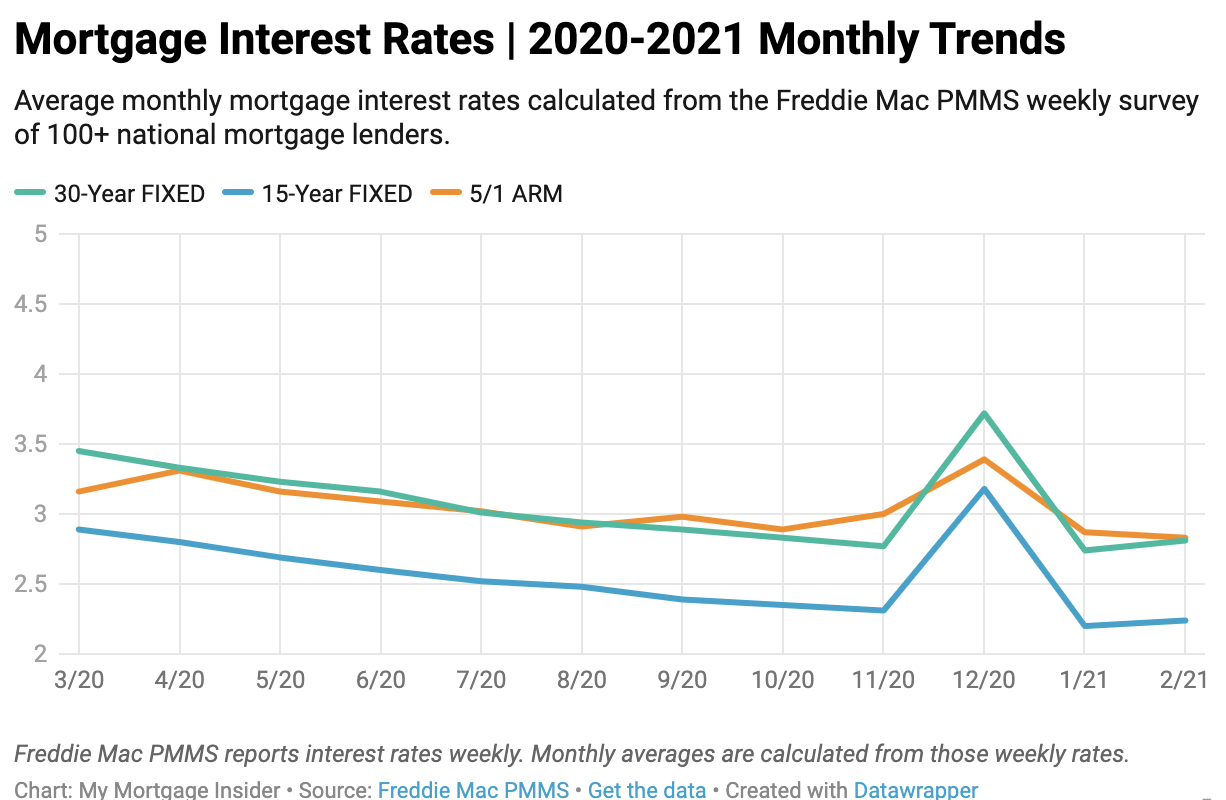
Navigating the world of real estate and personal finance can often feel like tracking a moving target. For prospective homeowners and those looking to refinance, the question “What are the current mortgage rates?” is more than a casual inquiry—it is a pivot point for a lifelong financial commitment. In the current economic climate, mortgage rates have undergone significant volatility, shifting from the historic lows of the early 2020s to the more restrictive levels seen in recent years. Understanding these rates requires a comprehensive look at the macroeconomic forces, the mechanics of the lending industry, and the personal financial metrics that determine what a bank will ultimately offer you.
Understanding the Factors That Drive Today’s Mortgage Rates
Mortgage rates do not exist in a vacuum. They are the result of a complex interplay between global economics, domestic policy, and market sentiment. While many borrowers look at the sticker price of a loan, the “why” behind that number is rooted in several key financial pillars.
Inflation and Economic Growth
Inflation is perhaps the most significant driver of long-term mortgage rates. When inflation is high, the purchasing power of the dollar declines. Lenders, who are essentially “renting” money to you for 15 to 30 years, must ensure that the interest they collect compensates for the loss of value over time. If inflation is projected to stay high, mortgage rates will naturally trend upward to protect the lender’s margin. Conversely, when economic growth slows or the economy enters a recessionary phase, demand for loans often drops, and rates may be lowered to stimulate borrowing and spending.
The Bond Market and 10-Year Treasury Yields
While many believe mortgage rates are directly tied to the stock market, they are actually more closely aligned with the bond market—specifically the 10-year Treasury note. Mortgage-backed securities (MBS) compete with Treasuries for investor attention. When the yield on the 10-year Treasury rises, mortgage rates almost always follow suit. Investors view Treasury notes as “risk-free” assets; therefore, mortgage bonds must offer a higher yield (a “spread”) to compensate for the additional risk of a homeowner defaulting or paying off the loan early.
Global Market Stability
In times of geopolitical uncertainty or global financial instability, investors often flock to the safety of U.S. debt. This “flight to quality” can drive down Treasury yields, which can lead to a temporary dip in mortgage rates even if domestic inflation is high. Understanding this global context helps borrowers realize that a conflict abroad or a central bank decision in Europe can, quite literally, change the monthly payment on a bungalow in the Midwest.
The Impact of the Federal Reserve on Your Monthly Payment
A common misconception in personal finance is that the Federal Reserve “sets” mortgage rates. While the Fed does not dictate the exact interest rate a bank offers a consumer, its actions create the environment in which those rates are determined.
How the Federal Funds Rate Indirectly Affects Mortgages
The Federal Open Market Committee (FOMC) sets the “federal funds rate,” which is the interest rate banks charge each other for overnight loans. When the Fed raises this rate to combat inflation, it becomes more expensive for banks to borrow money. These costs are passed down to consumers in the form of higher interest rates on credit cards, auto loans, and eventually, mortgages. While the correlation isn’t 1:1, the federal funds rate serves as the baseline for the entire spectrum of debt.
Quantitative Tightening vs. Easing
Beyond interest rates, the Fed also influences the housing market through its balance sheet. During the pandemic, the Fed engaged in “Quantitative Easing” (QE) by purchasing billions of dollars in mortgage-backed securities. This injected liquidity into the market and kept rates artificially low. Currently, as the Fed undergoes “Quantitative Tightening” (QT) by letting those securities roll off its balance sheet, the supply of mortgage bonds in the open market increases. When supply goes up and the Fed is no longer a guaranteed buyer, prices for those bonds fall and yields rise, leading to the higher mortgage rates we see today.
Interpreting Fed Communication
Market participants are obsessed with “Fed speak.” Every speech by a Federal Reserve governor is dissected for clues about future rate hikes or cuts. For a homebuyer, paying attention to the “dot plot”—a chart that shows where each Fed official expects interest rates to be in the future—can provide a roadmap for whether it is better to lock in a rate now or wait for a potential decrease in the coming quarters.
Different Types of Mortgage Products: Which One Is Right for You?

The “current rate” is not a single number; it is a spectrum based on the type of loan product you choose. Your financial goals, risk tolerance, and the duration you plan to stay in the home should dictate which product you select.
Fixed-Rate Mortgages: The 15-Year vs. 30-Year Debate
The 30-year fixed-rate mortgage is the gold standard of American homeownership. It offers a stable, predictable monthly payment for three decades. However, the 15-year fixed-rate mortgage generally offers a significantly lower interest rate—often 0.5% to 1% lower than its 30-year counterpart. The trade-off is a much higher monthly payment because the principal is being amortized over half the time. For those with high disposable income, the 15-year option provides massive savings in total interest paid over the life of the loan.
Adjustable-Rate Mortgages (ARMs)
In high-rate environments, ARMs often see a resurgence in popularity. An ARM typically offers a lower “teaser” rate for an initial period (usually 5, 7, or 10 years). After that period, the rate adjusts annually based on market indices. This can be a savvy financial move if you plan to sell the home or refinance before the adjustment period begins. However, it carries the risk of “payment shock” if rates are significantly higher when the adjustment kicks in.
Government-Backed Loans: FHA, VA, and USDA
For many, the current “conventional” mortgage rates are out of reach. Government-backed loans provide alternatives. FHA loans, geared toward those with lower credit scores or smaller down payments, often have lower interest rates but require mandatory mortgage insurance premiums (MIP). VA loans, available to veterans and active-duty service members, often offer the most competitive rates in the market with no down payment requirement. USDA loans support rural development and offer similar benefits for eligible properties.
Strategic Tips for Securing the Best Possible Rate
Even when national averages are high, individual borrowers have the power to influence the rate they are quoted. Mortgage pricing is essentially an assessment of risk; the lower your risk profile, the lower your rate.
Optimizing Your Credit Score and Debt-to-Income Ratio
Lenders reserve their best rates for borrowers with credit scores of 740 or higher. Before applying, it is vital to audit your credit report, dispute any errors, and pay down revolving debt. Furthermore, your Debt-to-Income (DTI) ratio—the percentage of your gross monthly income that goes toward debt—should ideally be below 36%. A lower DTI indicates to the lender that you have the financial “breathing room” to handle a mortgage payment even if your income fluctuates.
The Power of a Larger Down Payment and LTV Ratios
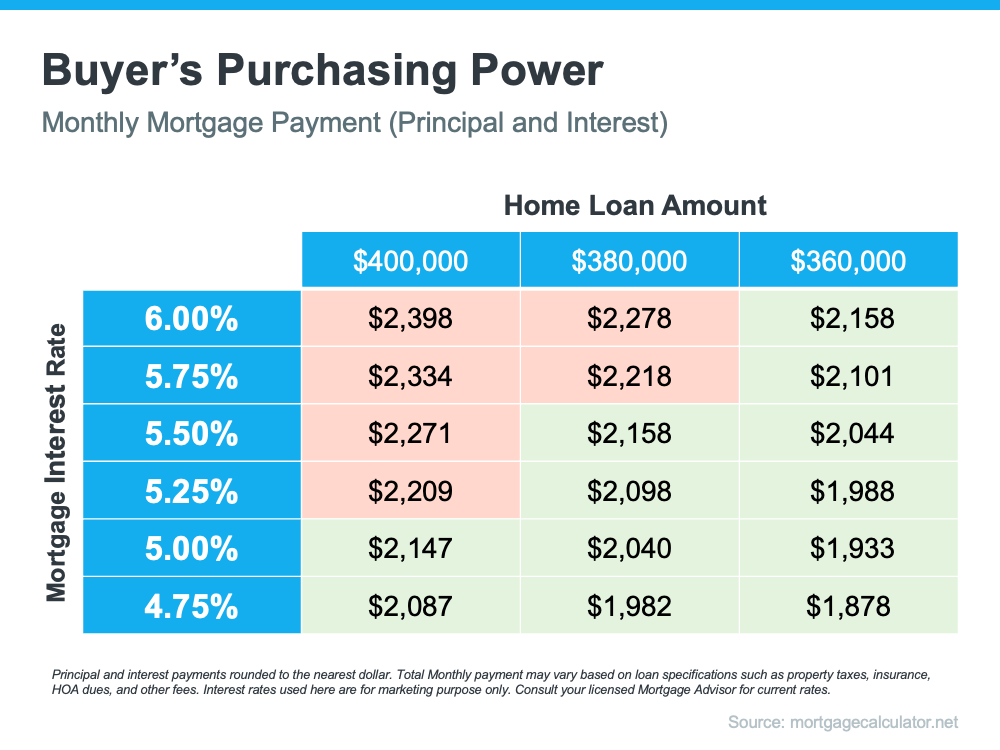
The Loan-to-Value (LTV) ratio is a primary pricing factor. If you put down 20%, you avoid Private Mortgage Insurance (PMI) and signal to the lender that you have significant “skin in the game.” If you can push that down payment to 25% or 30%, you may move into a different pricing tier, resulting in a lower interest rate. In a high-rate environment, every fraction of a percentage point saved can equate to tens of thousands of dollars over the life of the loan.
To Buy or Not to Buy: Mortgage Points
Borrowers often have the option to “buy down” their interest rate by paying “points” at closing. One point typically costs 1% of the loan amount and reduces the interest rate by approximately 0.25%. This is an upfront investment. To determine if this is a smart move, you must calculate the “break-even point”—the number of months it will take for the monthly savings to equal the upfront cost. If you plan to stay in the home for 20 years, buying points is often a wise financial strategy. If you plan to move in five years, it is usually a waste of capital.
Long-term Outlook: What to Expect from the Real Estate Market
The future of mortgage rates is inextricably linked to the broader health of the economy. As we look toward the 2025 horizon, several factors will dictate whether rates will normalize or remain “higher for longer.”
Inventory Challenges and Pricing Pressures
The current housing market is characterized by a “lock-in effect.” Millions of homeowners have mortgages with rates between 2% and 4% and are unwilling to sell and trade up into a 7% rate. This has kept housing inventory at historic lows, which keeps home prices high even as borrowing costs rise. For the market to truly normalize, we likely need to see a narrowing of the gap between current market rates and the rates held by existing homeowners.
When to Refinance: Indicators to Watch
For those who bought at the peak of the recent rate hikes, the “refinance watch” is on. Most financial advisors suggest that a 0.75% to 1% drop in rates is the threshold where refinancing becomes financially viable after accounting for closing costs. Monitoring the Consumer Price Index (CPI) and employment reports will give you a head start; if inflation continues to cool and unemployment rises slightly, the Fed will likely pivot toward rate cuts, opening a window for refinancing.
Conclusion: Taking a Proactive Stance
Understanding current mortgage rates is not just about reading a headline; it is about understanding the machinery of the global economy and how it applies to your personal balance sheet. By staying informed on the Federal Reserve’s trajectory, optimizing your credit profile, and choosing the right loan product, you can navigate even the most challenging high-rate environments. Homeownership remains a cornerstone of long-term wealth building, and the interest rate is simply one variable in a larger equation of financial success. Whether rates are 3% or 8%, the disciplined investor looks at the long-term value, the tax advantages, and the power of equity to make an informed, confident decision.
aViewFromTheCave is a participant in the Amazon Services LLC Associates Program, an affiliate advertising program designed to provide a means for sites to earn advertising fees by advertising and linking to Amazon.com. Amazon, the Amazon logo, AmazonSupply, and the AmazonSupply logo are trademarks of Amazon.com, Inc. or its affiliates. As an Amazon Associate we earn affiliate commissions from qualifying purchases.