
The “R” rating from the Motion Picture Association of America (MPAA, now MPA) stands as a significant marker in the world of cinema, signaling content restricted to audiences 17 and older unless accompanied by a parent or adult guardian. More than just a cautionary label, the R-rating encapsulates a vast and diverse spectrum of filmmaking, from critically acclaimed dramas and groundbreaking thrillers to boundary-pushing comedies and visceral horror. It’s a designation that influences everything from a film’s production budget and marketing strategy to its eventual box office performance and its place in the cultural zeitgeist. Understanding “what movies are rated R” requires delving beyond mere thematic classifications; it demands an exploration into the underlying technological shifts in distribution, the intricate branding exercises undertaken by studios, and the complex financial ecosystems that support and profit from mature storytelling.
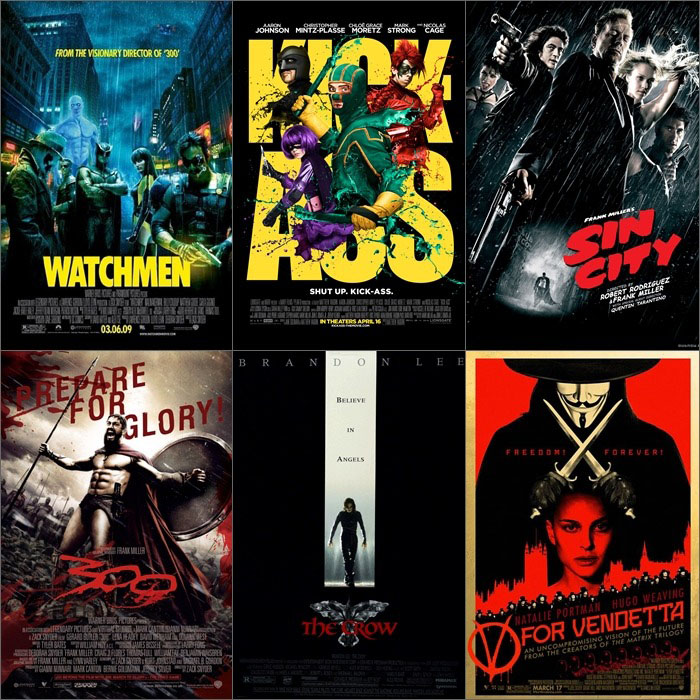
In an era defined by rapid technological advancements, evolving brand strategies, and dynamic financial models, the R-rated film has found new avenues for expression and consumption. Streaming platforms have democratized access, sophisticated marketing campaigns have honed niche audiences, and diverse investment strategies have propelled projects that might once have been considered too risky for mainstream consumption. This article will dissect the R-rating, exploring its core definitions, its profound intersections with modern technology, the intricate branding challenges it presents, and its undeniable financial impact on the global entertainment industry.
Decoding the R-Rating: More Than Just an Age Restriction
At its core, the R-rating is a guidance system, a parental advisory issued by the MPA for films containing adult material. This material can span strong language, intense violence, sexual content, nudity, or drug use, or a combination thereof. However, the exact criteria are often subjective and subject to ongoing debate and societal shifts. For filmmakers, an R-rating can be both a creative liberation and a commercial constraint, allowing them to explore themes and narratives without the pressures of broad appeal, yet potentially limiting their immediate audience reach.
The journey of an R-rated film from concept to screen is a complex dance between artistic vision and commercial viability. Directors and screenwriters often embrace the R-rating as an opportunity to deliver uncompromised storytelling, tackling complex human experiences with the nuance and grit they believe necessary. This creative freedom can lead to some of the most memorable and impactful cinematic works, challenging viewers and sparking important conversations. However, studios must weigh the artistic benefits against the potential financial implications, carefully calibrating their investment in projects that might alienate a younger, often larger, segment of the movie-going public.
The MPAA’s Framework and Its Evolution
The MPAA rating system was established in 1968, a direct response to a more liberal Hollywood and public desire for guidance on film content. The “R” rating, along with G, PG, and later PG-13 and NC-17, aimed to provide parents with information to make informed decisions for their children. Over the decades, the interpretation of what constitutes an R-rating has evolved, reflecting changing societal norms and sensitivities. What was considered shockingly violent or sexually explicit in the 1970s might be viewed differently today, and vice-versa. For example, language deemed strong enough for an R-rating has seen its thresholds shift, as has the depiction of violence and drug use.
This evolution is not merely academic; it has tangible impacts on film production and distribution. Filmmakers often consider the desired rating from the outset, sometimes self-censoring or planning alternative cuts to achieve a specific rating for wider distribution. Conversely, some actively pursue an R-rating, knowing it aligns with their artistic intent and the expectations of their target audience. The “hard R” has become a selling point for certain genres, signaling an uncompromising vision that promises an unfiltered experience. This dynamic tension between creative freedom and commercial practicality is a constant feature in the landscape of R-rated cinema, shaping not only individual films but also the broader direction of the industry.
Psychological and Social Impact of R-Rated Content
The discussion surrounding R-rated content frequently extends beyond mere classification to its potential psychological and social impact. Critics and researchers have long debated the effects of mature themes, violence, and sexual content on audiences, particularly younger viewers who might gain unauthorized access. While the R-rating is designed to restrict exposure for minors, its existence also acknowledges the power of cinema to influence perceptions, challenge norms, and provoke emotional responses.
For adult audiences, R-rated films often serve as vehicles for exploring difficult subjects, confronting uncomfortable truths, and offering profound insights into the human condition. They can be cathartic, thought-provoking, and even transformative. However, the responsibility of filmmakers extends to how these themes are handled, ensuring that depictions, particularly of sensitive subjects like violence or drug use, are contextualized and purposeful rather than gratuitous. From a societal perspective, R-rated films contribute to cultural discourse, often pushing boundaries and reflecting the anxieties, desires, and conflicts of their time. They become benchmarks for artistic freedom and the ongoing negotiation between creative expression and public sensibility, reinforcing the idea that cinema is not just entertainment, but a powerful medium with significant cultural weight.
The Intersection of R-Rated Cinema and Technology
The landscape of how we consume and interact with R-rated films has been profoundly reshaped by technology. From the initial production process to the final act of viewing, technological advancements have both opened new doors for filmmakers and introduced new challenges for distributors and parents alike. The digital revolution has fundamentally altered the economics, accessibility, and security surrounding mature content, making it a critical area for anyone interested in the future of entertainment.
Consider the evolution from physical media to streaming: where once an R-rated film might have required a trip to the video store or a specific cinema, it is now often just a click away on a myriad of devices. This immediacy, while convenient, brings with it a host of considerations related to parental control, data privacy, and the sheer volume of content available. Technology isn’t just a delivery mechanism; it’s an intrinsic part of how these films are made, marketed, and experienced, demanding innovative solutions and responsible practices across the entire value chain.
Streaming Platforms and Digital Distribution: A New Frontier
The advent of streaming platforms like Netflix, HBO Max, Amazon Prime Video, and Hulu has revolutionized the distribution and consumption of R-rated content. These platforms offer vast libraries of films accessible on-demand, transforming the viewing experience from a communal, event-based activity to a personalized, often solitary one. For R-rated films, this means unprecedented reach and an extended shelf life, allowing niche or controversial titles to find their audience far beyond their initial theatrical run. Algorithms play a crucial role here, intelligently recommending R-rated titles to users based on their viewing history, preferences, and demographic data. This personalized curation can expose viewers to a broader range of mature content, but it also raises questions about echo chambers and the potential for algorithmic bias in content exposure.
Furthermore, digital distribution has blurred the lines between theatrical releases and home viewing. Many R-rated films now premiere simultaneously on streaming services and in cinemas, or have significantly shorter theatrical windows before moving to digital. This model offers flexibility for both studios and viewers, but it also complicates traditional revenue streams and measurement metrics. The convenience of digital access, however, is undeniable, making R-rated cinema more accessible than ever before, prompting a need for robust technological solutions to manage this new frontier responsibly.
Parental Controls and Digital Security in the Age of Streaming
With the widespread availability of R-rated content just a click away, the role of parental controls and digital security has become paramount. Streaming services have invested heavily in features that allow parents to set profiles, restrict content based on ratings, and password-protect specific viewing options. These technological safeguards are crucial tools for families navigating the digital landscape, providing a layer of protection against accidental or unauthorized viewing of mature material by children. However, the effectiveness of these controls relies on parents actively configuring and monitoring them, highlighting a shared responsibility between tech providers and users.
Beyond household controls, the broader challenge of digital security encompasses age verification. Ensuring that individuals accessing R-rated content are indeed 17 or older often involves more complex technological solutions, especially for pay-per-view or subscription services. The privacy implications of collecting age-related data are also significant, requiring robust data protection measures and adherence to regulations like GDPR or CCPA. As VR/AR technologies become more sophisticated, potentially immersing users even more deeply into cinematic experiences, the need for advanced, secure age verification and content moderation will only grow, posing new frontiers for digital security and ethical tech development.
AI and Future Filmmaking: Crafting and Moderating Mature Content
The role of artificial intelligence in filmmaking is rapidly expanding, and its implications for R-rated content are particularly intriguing. AI tools are already assisting in various stages of production, from script analysis and character development to CGI and post-production effects. For R-rated films, AI could enhance the realism of violence, create incredibly nuanced character expressions for mature emotional scenes, or even generate entire sequences that push creative boundaries while maintaining cost efficiency. Imagine AI-driven editing that optimizes the pacing of a suspenseful R-rated thriller or AI-generated visual effects that bring fantastical, mature worlds to life with unprecedented detail.
Looking further ahead, AI might even play a role in content moderation and compliance. Could AI algorithms eventually assist in pre-screening films for MPAA ratings, flagging specific elements that might contribute to an R-rating? While human oversight will always be crucial for artistic and subjective decisions, AI could streamline the process, identifying patterns in language, visuals, or themes. Conversely, ethical considerations around AI-generated content become especially pertinent for R-rated material, ensuring that AI tools are used responsibly and do not perpetuate harmful stereotypes or generate exploitative content. The future of R-rated cinema will undoubtedly be shaped by how effectively and ethically we integrate these powerful AI technologies.

Branding R-Rated Cinema: Strategy, Identity, and Reputation
For studios and filmmakers, an R-rating isn’t just a label; it’s a foundational element of a film’s brand strategy. It dictates not only who the target audience is but also how the film will be positioned in the market, what kind of imagery will be used in its marketing, and the overall tone of its public discourse. Crafting a successful brand for an R-rated film requires a nuanced understanding of its mature themes, a clear articulation of its artistic intent, and a strategic approach to managing its public perception, especially given the potential for controversy.
The branding of R-rated cinema often involves walking a tightrope: celebrating the film’s edgy, adult nature without alienating potential viewers or attracting undue negative attention. It’s about building an identity that resonates with its intended audience, creating anticipation, and ensuring that the film’s reputation aligns with its artistic goals. This intricate process involves everything from the initial title and poster design to the director’s public persona and the social media buzz surrounding the release.
Marketing the Mature Message: Building a Brand Identity
Marketing an R-rated film is a specialized art form. Unlike family-friendly movies, R-rated content often thrives on a certain level of edginess, controversy, or explicit appeal that becomes central to its brand identity. Studios strategically craft campaigns that highlight the film’s mature themes, whether it’s intense action, dark humor, psychological depth, or raw emotional honesty. Trailers for R-rated films are often cut with an awareness of their restricted audience, allowing for more provocative imagery or language that would be unsuitable for broader audiences. Social media campaigns often lean into the film’s adult nature, using platforms to engage with fans who appreciate boundary-pushing content.
Successful examples include films like Deadpool, which masterfully leveraged its R-rating as part of its meta-humor and anti-hero brand, creating a distinct identity that stood out in the superhero genre. Similarly, Joker embraced its dark, psychological themes in its marketing, attracting an adult audience drawn to its gritty realism and compelling character study. These strategies demonstrate how the R-rating can be transformed from a potential limitation into a unique selling proposition, defining the film’s brand and attracting its dedicated audience through bold, uncompromised messaging.
Personal Branding and Creative Freedom
The personal branding of directors and actors often intertwines deeply with the R-rated projects they choose. Filmmakers like Quentin Tarantino, Martin Scorsese, or Paul Thomas Anderson have built their personal brands on crafting R-rated narratives, known for their distinctive voices, uncompromising visions, and often explicit content. Their names alone can signal a certain level of creative freedom and mature storytelling, drawing audiences who trust their artistic integrity to deliver powerful, adult experiences. Similarly, actors who frequently take on challenging, R-rated roles can cultivate a personal brand as serious dramatic performers or versatile artists willing to explore the darker facets of human nature.
This symbiosis between personal branding and R-rated content is a powerful force in attracting investment and talent to such projects. A director’s or actor’s reputation for delivering compelling, mature performances can be a significant draw for audiences and a signal to studios that a project, despite its R-rating, has significant artistic and commercial potential. Their established brand effectively vouchsafes the quality and intent behind the mature themes, turning what might otherwise be perceived as a commercial risk into a compelling artistic endeavor that is both critically and commercially viable.
Reputation Management in a Scrutinized Industry
Operating within the R-rated space necessitates meticulous reputation management. Films that tackle controversial or explicit themes are inherently susceptible to greater scrutiny, from critics, moral watchdogs, and the general public. A studio or production company’s reputation can be significantly impacted by how it handles these potentially contentious projects. This includes everything from how they respond to criticism and manage public relations crises to ensuring responsible advertising that aligns with the film’s true content and rating.
In the digital age, reputation management is an ongoing process, with social media acting as a constant amplifier of public opinion. A single misstep in marketing or an unforeseen controversy can rapidly escalate, affecting box office numbers and long-term brand perception. Conversely, effective reputation management can transform potential backlash into constructive dialogue, framing the film’s mature content within its artistic context and reinforcing the studio’s commitment to challenging, thought-provoking cinema. For R-rated films, maintaining a positive and respected brand reputation is not just about avoiding controversy, but about strategically navigating it to underscore artistic integrity and cultural relevance.
The Financial Equation: Money, Investment, and the Business of R-Rated Films
Beyond the creative and branding aspects, the R-rating has profound financial implications that shape the entire business model of a film. From attracting initial investment to generating online income, the financial equation for R-rated movies is unique, balancing the potential for high artistic acclaim and cultural impact against the perceived limitations of a restricted audience. While an R-rating might initially suggest a narrower commercial appeal, history has shown that these films can be massive financial successes, often defying expectations and proving the commercial viability of mature, uncompromising storytelling.
The monetary stakes for R-rated productions are significant, involving careful budgeting, strategic investment, and sophisticated revenue generation strategies that adapt to an evolving market. Understanding the financial tools and considerations behind these films is crucial for grasping the full scope of their impact on the entertainment industry.
Box Office Performance vs. Artistic Merit
The financial success of R-rated films presents a fascinating paradox. While the R-rating inherently limits the size of the potential audience (by excluding those under 17 without an adult), many R-rated movies have achieved tremendous box office success, sometimes outperforming their PG-13 counterparts. Films like Joker, Deadpool, The Passion of the Christ, and American Sniper have all garnered hundreds of millions, if not billions, globally. This demonstrates that a compelling story, strong critical reception, and effective marketing can overcome the age restriction. Often, an R-rating signals a certain level of artistic integrity or a commitment to a specific genre that resonates deeply with adult audiences, who are willing to pay for an uncompromised cinematic experience.
However, the R-rating also means studios must be more strategic with their budgets. While some R-rated films command blockbuster budgets, many operate with more moderate financing, relying on strong storytelling, unique concepts, and critical buzz to drive profitability. The goal is often not just mass appeal, but maximizing return on investment from a dedicated, adult demographic. For many R-rated films, critical acclaim and awards recognition are as important as box office numbers, as they enhance the studio’s prestige and attract future talent and investment, contributing to a broader definition of “success.”
Investment and Funding for Mature Projects
Securing investment for R-rated projects requires a delicate balance of artistic vision and commercial foresight. Investors and studios must assess the risk associated with a restricted audience against the potential for high returns through critical acclaim, strong word-of-mouth, and eventual long-tail revenue from streaming and home video. Some studios have carved out niches for R-rated content, specializing in genres like horror or adult dramas where the rating is often expected and even desired by the target audience. The “indie” financing world is also a crucial incubator for R-rated projects, providing capital for films that might be considered too niche or risky for major studio backing, often with the understanding that a smaller budget can lead to a higher profit margin if the film finds its audience.
Financial tools and models are increasingly sophisticated in assessing these risks. Data analytics can predict audience reception based on similar R-rated titles, while robust financial projections account for varying distribution strategies (theatrical, VOD, streaming exclusives). Investment in R-rated films is not merely a gamble; it’s a calculated decision based on market trends, brand power of talent, and a deep understanding of the adult entertainment market. The shift towards diversified revenue streams, particularly digital, has also made R-rated projects more attractive to investors, as their appeal can endure for years beyond their initial release.

Online Income, Piracy, and Financial Tools in the Digital Age
The digital age has fundamentally reshaped how R-rated films generate income. Beyond traditional box office receipts, online income streams have become critical. Subscription video-on-demand (SVOD) services, transactional video-on-demand (TVOD) for rentals and purchases, and ad-supported video-on-demand (AVOD) all contribute significant revenue. For R-rated content, these platforms offer an extended life, allowing films to continue generating income long after their theatrical runs, often finding new audiences through algorithmic recommendations. The “long tail” of digital distribution is particularly beneficial for mature films that might have niche appeal but passionate fan bases.
However, the digital landscape also presents the significant financial challenge of piracy. R-rated content, especially highly anticipated titles, is frequently targeted by illegal downloads and streams, representing a substantial loss of potential income for studios and rights holders. Combating piracy requires sophisticated digital security measures, legal action, and ongoing technological innovation. Furthermore, the financial tools used in production and distribution have evolved. Cloud-based platforms facilitate remote collaboration, project management software tracks budgets in real-time, and advanced analytics tools provide insights into consumer behavior and revenue trends across diverse digital channels. These tools are indispensable for managing the complex financial ecosystems of R-rated films in an increasingly global and digital market.
In conclusion, the question “what movies are rated R” unlocks a far deeper conversation than simple content classification. It reveals a dynamic intersection of artistic vision, technological innovation, strategic branding, and complex financial models. R-rated cinema, far from being a niche category, plays a pivotal role in challenging perceptions, driving cultural conversations, and demonstrating the robust commercial viability of mature storytelling in the 21st century. As technology continues to evolve, branding strategies become more sophisticated, and financial landscapes shift, the R-rated film will undoubtedly continue to push boundaries, entertain, and provoke, solidifying its essential place in the global entertainment industry.
aViewFromTheCave is a participant in the Amazon Services LLC Associates Program, an affiliate advertising program designed to provide a means for sites to earn advertising fees by advertising and linking to Amazon.com. Amazon, the Amazon logo, AmazonSupply, and the AmazonSupply logo are trademarks of Amazon.com, Inc. or its affiliates. As an Amazon Associate we earn affiliate commissions from qualifying purchases.