
Beyond the vibrant art and nostalgic charm, Pokémon cards have quietly — and sometimes not so quietly — transformed from a childhood pastime into a serious commodity, with individual cards fetching prices that can rival luxury cars or even small homes. This surprising ascent in value isn’t just a fleeting trend; it’s a complex interplay of rarity, condition, demand, sophisticated technology, powerful branding, and shrewd financial understanding. For collectors, investors, and even casual observers, understanding the alchemy that transmutes mere cardboard into a tangible asset is crucial. This article delves into the multi-faceted dynamics at play, exploring how innovation, strategic branding, and economic principles converge to define the true worth of these iconic collectibles.

The Core Pillars of Pokémon Card Value: Rarity, Condition, and Demand
At the heart of any collectible’s value lies a foundational triad: how scarce it is, what state it’s in, and how many people desire it. Pokémon cards are no exception, with each of these factors playing a pivotal role in dictating market prices, from a few cents to hundreds of thousands of dollars.
Rarity: The Scarcity Principle
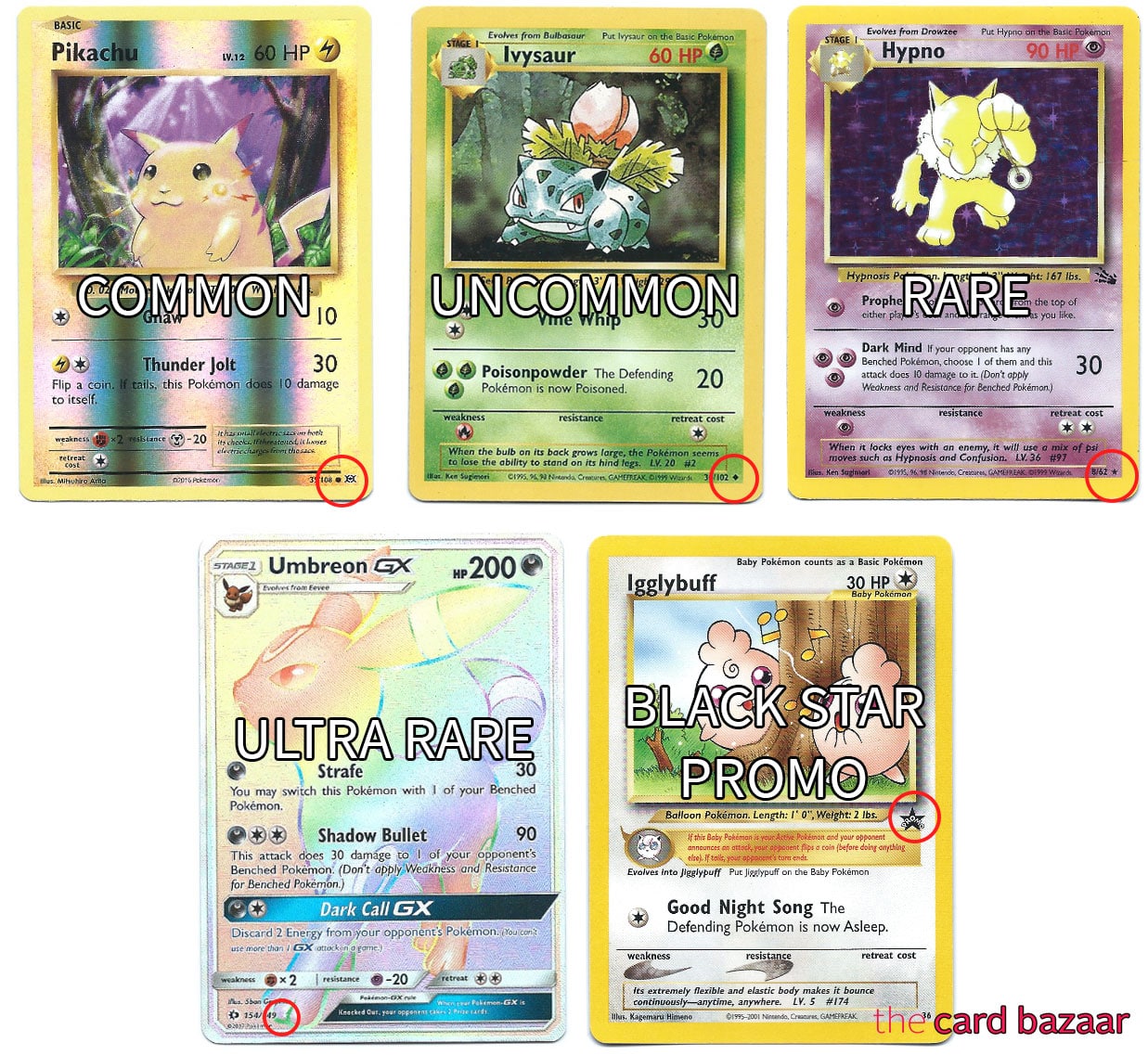
The most immediate and intuitive driver of a Pokémon card’s value is its rarity. The fewer copies of a particular card that exist, the more coveted and expensive it becomes. This scarcity can manifest in several ways:
- Limited Print Runs: Early sets, especially the 1st Edition Shadowless Base Set, had significantly smaller print runs than subsequent releases. Cards from these early printings, particularly holographic rares, are inherently scarce. Prominent examples include the 1st Edition Charizard, Blastoise, and Venusaur, which are titans in the collectible world.
- Promotional Cards: Cards distributed at specific events, tournaments, or through limited-time promotions often have highly restricted availability. These can range from tournament prize cards given to top players to exclusive releases tied to movie premieres or special campaigns. Their distribution methods naturally limit their numbers, making them highly sought after years later.
- Error Cards: Manufacturing mistakes, such as misprints, missing symbols, or incorrect text, can paradoxically increase a card’s value. While technically flaws, these errors make a card unique and often represent a tiny fraction of the total print run before the error was corrected. The “no rarity” symbol Jungle Pikachu or the infamous “Red Cheek” Pikachu are classic examples where an error creates distinct rarity.
- Specific Card Attributes: Beyond just the card itself, specific attributes like “secret rares” (cards numbered beyond the official set list), “alternate art” versions, or unique holographic patterns (“gold star” cards) are designed to be exceptionally difficult to pull from booster packs, thus ensuring their rarity from the outset.
- Regional Exclusivity: Some cards were only released in certain geographical regions, adding another layer of scarcity for collectors worldwide. This international dimension of scarcity adds a global competitive element to the market.
The thrill of discovering a rare card, whether through opening a pack or scouring the secondary market, taps into a primal collector’s instinct, driving up prices as demand outstrips the limited supply.
Condition: The Pristine Premium
Once a card’s rarity is established, its physical condition becomes paramount. Even the rarest card will see its value severely diminished if it’s creased, scratched, or water-damaged. Conversely, a common card in impeccable, “gem-mint” condition can surprisingly outperform a rare card in poor shape. This emphasis on condition has given rise to a sophisticated industry centered around professional card grading.
- The Grading Process: Companies like PSA (Professional Sports Authenticator), BGS (Beckett Grading Services), and CGC (Certified Guaranty Company) are the arbiters of card condition. Collectors submit their cards to these services, where experts meticulously inspect them for flaws across categories like centering, corners, edges, and surface. Each card is then assigned a numerical grade, typically on a 1-10 scale, with 10 representing “Gem Mint” or “Pristine.”
- Technological Precision: Modern grading isn’t just about human eyes. These companies leverage advanced technology, including high-resolution imaging, precision calipers, and even AI-assisted visual analysis tools, to ensure consistency and accuracy in their assessments. This technological edge provides a standardized, objective measure of condition that is trusted by the market.
- Encapsulation and Security: Graded cards are then encased in tamper-evident, sonically sealed plastic holders. This “slab” not only preserves the card’s condition but also displays its grade and unique certification number. The security features and immutability of these slabs are crucial, providing peace of mind to buyers and helping to prevent counterfeiting, which is a significant concern in high-value markets.
- Market Impact: A high grade, particularly a PSA 10 or BGS Black Label, can exponentially increase a card’s value. The difference in price between a PSA 9 and a PSA 10 of the same card can often be hundreds or even thousands of dollars, underscoring the market’s premium on perfection. This pursuit of the highest possible grade fuels a segment of the hobby focused on “cracking” packs and preserving cards flawlessly from the moment they are pulled.
Demand: The Power of Brand and Nostalgia
Rarity and condition would mean little without robust demand. The enduring appeal of Pokémon, both as a global phenomenon and a deeply nostalgic touchstone, ensures a consistent and often fervent desire for its cards.
- The Unassailable Pokémon Brand: Pokémon isn’t just a card game; it’s a multi-billion-dollar media empire encompassing video games, animated series, movies, merchandise, and more. This ubiquitous presence ensures a constant influx of new fans while maintaining loyalty among older generations. The brand’s sheer cultural longevity and global recognition create a stable foundation for demand that few other collectibles can match.
- Nostalgia and Generational Appeal: A significant driver of demand, especially for vintage cards, is nostalgia. Many adult collectors are rekindling childhood passions, seeking out the cards they once treasured or wished they had. This emotional connection creates a powerful incentive to collect, transforming cards from simple objects into tangible memories. As these collectors age and gain more disposable income, their capacity to spend on these nostalgic items increases, driving market prices upward.
- Pop Culture Relevance: Pokémon consistently stays relevant in popular culture through new game releases, animated content, and collaborations. This continuous engagement ensures that the brand remains fresh and exciting, attracting new generations of collectors and reinforcing the interest of existing ones. Celebrities and influencers also occasionally showcase their collections, creating viral moments that further boost public interest and demand.
- Specific Pokémon Popularity: While the brand as a whole is strong, the popularity of individual Pokémon can dramatically influence card values. Charizard, for instance, consistently reigns as one of the most popular and expensive Pokémon due to its iconic status and fierce design. Other fan favorites like Pikachu, Blastoise, and Mewtwo also command high prices, reflecting their broad appeal within the franchise.
The Technological Edge in a High-Stakes Market
The modern Pokémon card market is far from a simple exchange of cardboard. Technology has become an indispensable tool, enhancing everything from authentication and grading to market analysis and secure transactions, transforming what was once a niche hobby into a sophisticated global marketplace.
Precision Grading: AI, Computer Vision, and Data Analytics
The pursuit of objective and consistent grading has led grading companies to embrace cutting-edge technology, moving beyond purely human judgment.
- AI and Computer Vision: Leading grading services are increasingly employing artificial intelligence and computer vision systems. These technologies can meticulously analyze card features such as centering, edge wear, surface imperfections, and holographic patterns with unparalleled precision and consistency. AI algorithms can be trained on vast datasets of graded cards to identify subtle flaws that even experienced human graders might occasionally miss, or to ensure that grading standards are applied uniformly across millions of submissions. This not only speeds up the grading process but also enhances trust in the assigned grades by minimizing subjective variation.
- High-Resolution Imaging: Before, during, and after grading, cards are often scanned with ultra-high-resolution cameras. These images are used for detailed analysis, archival purposes, and to provide collectors with a digital record of their card’s state at the time of grading. This level of detail is crucial for identifying counterfeits and tracking the precise condition of a card.
- Data Analytics for Market Insights: The vast amounts of data generated by grading services — specific card details, grades assigned, submission volumes, and market prices of graded cards — are invaluable. This data is fed into sophisticated analytics platforms that can identify market trends, predict future value fluctuations, and help set more accurate pricing benchmarks. For investors and dealers, this data-driven approach is critical for making informed buying and selling decisions, transforming gut feelings into strategic financial moves.
Digital Marketplaces and Secure Transactions
The internet has democratized access to the Pokémon card market, creating global marketplaces and necessitating robust digital security measures.
- E-commerce Platforms and Accessibility: Websites like eBay, TCGplayer, and dedicated auction houses have created a vibrant online ecosystem where cards can be bought and sold internationally. These platforms offer unparalleled reach, connecting sellers with a global pool of buyers, which directly impacts demand and price discovery. Advanced search filters, detailed listings, and seller reputation systems help buyers navigate this vast digital landscape.
- Blockchain and Authentication: As the value of cards escalates, so does the risk of counterfeiting and fraud. Emerging technologies like blockchain are being explored to create immutable digital certificates of authenticity for cards. By linking a physical card to a unique, unalterable record on a blockchain, it becomes nearly impossible to forge or misrepresent a card’s identity or ownership history. This enhanced security builds buyer confidence, especially for high-value transactions.
- Payment Security and Escrow Services: Online transactions for expensive collectibles require robust financial security. Secure payment gateways, encryption protocols, and even third-party escrow services (where funds are held until both buyer and seller confirm satisfaction) are essential. These technologies protect both parties from fraud and ensure that high-value exchanges happen smoothly and safely, further legitimizing the market as a serious financial arena.
Collection Management and Authentication Tools
Technology also empowers individual collectors to manage their assets more effectively and protect against risks.
- Mobile Apps and Databases: A plethora of apps and online databases allow collectors to catalog their collections, track market values, monitor trends, and even simulate card openings. These tools leverage real-time market data to provide up-to-date valuations, helping collectors understand the current worth of their holdings and make informed decisions about when to buy, sell, or hold.
- Counterfeit Detection Technology: The rise in valuable cards has unfortunately led to an increase in sophisticated counterfeits. Technology is fighting back with tools like UV lights, micro-spectrometers, and even AI-powered image recognition software that can analyze card materials, print quality, and holographic patterns to distinguish fakes from genuine articles. These tools are becoming increasingly accessible, empowering collectors to perform their own initial checks.
- Digital Wallets for Fractional Ownership: For extremely high-value cards, the concept of fractional ownership is gaining traction. Technology facilitates this by allowing multiple individuals to collectively own a single card, with their stakes represented by digital tokens in a secure wallet. This broadens investment opportunities and makes highly expensive assets accessible to a wider range of investors, mirroring trends seen in other alternative asset classes.
Branding and Its Financial Resonance
The world of Pokémon cards is a testament to the colossal power of branding. Beyond the appeal of individual cards, the strength of the Pokémon brand itself, along with the branding of key industry players, significantly underpins and elevates market value.
The Unassailable Pokémon Brand
The Pokémon brand is a global juggernaut, a cultural phenomenon that transcends generations and geographies. This omnipresent brand strength is arguably the most fundamental driver of sustained demand and financial value for its cards.
- Cultural Longevity and Multi-Media Empire: Since its inception in 1996, Pokémon has maintained an extraordinary presence across video games, animation, movies, merchandise, and various spin-offs. This continuous cultural relevance means that the brand is constantly refreshed for new audiences while retaining its profound nostalgic grip on older fans. Unlike many fleeting fads, Pokémon has demonstrated remarkable longevity, ensuring that its collectible assets remain perpetually in demand.
- Global Recognition and Trust: The iconic Pikachu and the vast roster of Pokémon are recognized worldwide. This global familiarity fosters trust and immediate appeal, making cards desirable in virtually any market. The consistent quality and marketing efforts by The Pokémon Company International have solidified its reputation as a premier entertainment franchise, translating directly into premium value for its products.
- The Power of Storytelling and Emotional Connection: Pokémon’s success is rooted in its compelling world-building and the emotional connections players form with their favorite creatures. This deep-seated affection and sense of adventure are intrinsically linked to the cards, imbuing them with sentimental value that often translates into financial willingness to pay premium prices. It’s not just cardboard; it’s a piece of a beloved narrative.
The Brand of Authenticity: Grading Companies as Industry Benchmarks
In a market where condition and authenticity are paramount, the reputations of professional grading companies have become brands in themselves, acting as crucial arbiters of trust and value.
- Standardization and Market Influence: Brands like PSA, Beckett (BGS), and CGC have become industry benchmarks. Their consistent grading scales and rigorous processes provide a standardized language for assessing card quality. This standardization is vital for a global market, allowing buyers and sellers to transact with confidence, knowing that a “PSA 9” means the same thing whether the card is bought in Tokyo or New York.
- Trust and Liquidity: A card encased in a reputable grading company’s slab instantly gains credibility and enhanced market liquidity. The brand name on the slab acts as a third-party endorsement of the card’s authenticity and condition. This trust factor significantly reduces transactional risk, making graded cards easier to sell and often at higher price points compared to raw, ungraded counterparts.
- Premium for Perfection: The premium attached to a “PSA 10 Gem Mint” or “BGS Black Label Pristine” isn’t solely based on the card’s physical attributes but also on the grading company’s brand promise of perfection. Achieving these top grades is incredibly difficult, and the brand prestige associated with them contributes significantly to the card’s astronomical value. Collectors are not just buying a perfectly conditioned card; they are buying the validation of a trusted, high-status brand.
Personal Branding and the Collector Ecosystem
Beyond corporate entities, individuals and communities also leverage branding to influence the market and foster engagement within the Pokémon card ecosystem.
- Influencers and Content Creators: Prominent collectors, content creators, and YouTubers build strong personal brands by sharing their collecting journeys, showcasing rare finds, and offering market insights. Their authenticity and expertise attract large followings, making them influential figures who can shape trends, drive demand for specific cards, and even boost the visibility of emerging artists or niche collecting areas.
- Community and Reputation: Within the broader collecting community, individuals and businesses cultivate reputations for integrity, knowledge, and fair dealing. This “personal branding” is essential for building trust in peer-to-peer transactions, group buys, or when offering advisory services. A strong reputation can lead to repeat business, exclusive access to rare cards, and a respected standing within the hobby.
- The Appeal of a Curated Collection: Collectors who strategically build highly thematic or pristine collections often develop a personal brand around their aesthetic or collecting focus. Showcasing such a collection, whether online or at conventions, can inspire others and elevate the perceived value of specific cards within that curated context.
Investing in Cardboard: The Financial Frontier
What began as a game has evolved into a legitimate alternative asset class, attracting not only nostalgic collectors but also serious investors. The financial dynamics of the Pokémon card market are increasingly complex, mirroring traditional investment landscapes.
Market Dynamics and Investment Strategies
Understanding the forces that drive buying and selling decisions is critical for anyone looking to enter the Pokémon card market with an investment mindset.
- Supply and Demand Equilibrium: Like any market, card values are fundamentally governed by supply and demand. Limited supply (rarity) coupled with high demand (brand strength, nostalgia, popularity) drives prices upward. Investors constantly monitor new releases, population reports from grading companies, and market sentiment to anticipate shifts in this equilibrium.
- Market Cycles and Speculation: The Pokémon card market, much like the stock market, experiences cycles. Periods of heightened hype (e.g., during major Pokémon anniversaries or celebrity endorsements) can lead to rapid price appreciation, followed by plateaus or corrections. Speculation plays a significant role, with investors buying cards in anticipation of future price increases, often based on rumors, impending game releases, or media attention. This can create bubbles, which while potentially lucrative, also carry significant risk.
- Long-Term vs. Short-Term Investments: Investors typically adopt either a long-term “hold” strategy, focusing on ultra-rare vintage cards that are expected to appreciate steadily over decades, or a short-term “flip” strategy, identifying undervalued cards, grading them, and reselling quickly for a profit. Both approaches require deep market knowledge and a tolerance for risk.
- Diversification and Portfolio Management: Sophisticated investors often view Pokémon cards as part of a diversified alternative asset portfolio, alongside art, luxury watches, or fine wine. They apply principles of portfolio management, balancing different types of cards (vintage vs. modern, rare vs. popular, graded vs. ungraded) to mitigate risk and maximize potential returns.
From Hobby to Online Income: Monetizing Your Collection
For many, the passion for Pokémon cards can translate into tangible online income, leveraging various strategies to monetize their collections or market expertise.
- Reselling and Arbitrage: A common income stream comes from buying cards at lower prices and reselling them at a profit. This can involve arbitrage – finding price discrepancies between different platforms or regions – or identifying undervalued cards that are likely to appreciate after being professionally graded. Mastering this requires keen market awareness and negotiation skills.
- Online Stores and Consignment: Dedicated online stores, whether on platforms like Shopify or eBay, allow individuals to scale their reselling efforts, offering a curated inventory of cards. Some collectors also offer consignment services, leveraging their expertise and platform access to sell cards on behalf of others for a commission, effectively running a small business.
- Content Creation and Monetization: As mentioned in branding, content creators monetizing their passion through platforms like YouTube, Twitch, and Patreon can generate income. This includes opening packs, reviewing sets, discussing market trends, and showcasing their collections, often through advertising revenue, sponsorships, or direct fan support.
- Financial Tools and Data-Driven Decisions: Generating income from cards increasingly relies on financial tools. Spreadsheets, dedicated portfolio tracking apps, and subscription services offering real-time market data are used to track inventory, calculate profit margins, analyze sales trends, and manage finances effectively, transforming a hobby into a quantifiable business.

Navigating Risks and Future Trends
Like any investment, the Pokémon card market is not without its perils, and understanding future trends is crucial for long-term success.
- Speculation and Market Bubbles: The rapid appreciation of some cards, particularly during peak hype cycles, raises concerns about market bubbles. While exciting, excessive speculation can lead to dramatic price corrections, leaving late entrants with losses. Investors must exercise caution and conduct thorough due diligence.
- Authenticity and Counterfeiting: The prevalence of high-quality counterfeits is a persistent threat. The ability to authenticate cards, whether through professional grading or advanced technological tools, is paramount to protecting investments and maintaining market integrity. As counterfeiting technology evolves, so too must detection methods.
- Market Saturation and New Releases: The constant influx of new Pokémon sets and products can dilute the market, making it harder for specific modern cards to retain value long-term. Investors must discern between genuinely rare and sought-after new releases and mass-produced items that may not appreciate significantly.
- Evolving Technology and Fractional Ownership: The future may see even greater integration of technology, with concepts like fractional ownership becoming more mainstream, potentially allowing broader access to high-value assets. Furthermore, advancements in digital security and blockchain technology could revolutionize how cards are authenticated, traded, and even represented in the metaverse. These trends will likely shape how value is perceived and transacted in the years to come.
In conclusion, the enduring value of Pokémon cards is a fascinating confluence of factors. It stems from the inherent scarcity of certain printings and the pristine condition achieved through advanced grading technologies. This is amplified by the colossal, ever-evolving Pokémon brand, which taps into deep wells of nostalgia and continuous cultural relevance. Finally, a sophisticated financial ecosystem, driven by shrewd investment strategies and supported by digital marketplaces and security tools, transforms these pieces of cardboard into legitimate, often lucrative, assets. For those who understand this intricate blend of passion, innovation, and economics, the world of Pokémon cards offers not just a cherished hobby, but a compelling venture into the financial frontier of collectibles.
aViewFromTheCave is a participant in the Amazon Services LLC Associates Program, an affiliate advertising program designed to provide a means for sites to earn advertising fees by advertising and linking to Amazon.com. Amazon, the Amazon logo, AmazonSupply, and the AmazonSupply logo are trademarks of Amazon.com, Inc. or its affiliates. As an Amazon Associate we earn affiliate commissions from qualifying purchases.