
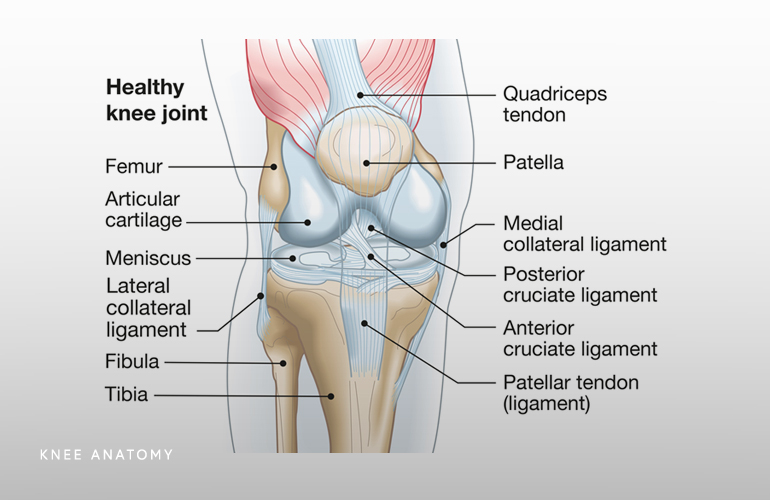
The human knee is a marvel of biomechanical engineering, a complex hinge joint that allows for a wide range of motion while simultaneously bearing significant loads. Integral to its stability are four primary ligaments: the anterior cruciate ligament (ACL), posterior cruciate ligament (PCL), medial collateral ligament (MCL), and the lateral collateral ligament (LCL). When someone asks “what ligament is on the outside of your knee,” they are specifically referring to the Lateral Collateral Ligament (LCL).
Understanding the LCL, its function, and potential injuries is not merely an academic exercise in anatomy. In our increasingly interconnected world, the quest for such knowledge quickly intertwines with broader themes of technology, brand perception in healthcare, and significant financial considerations. From leveraging AI for diagnosis to the branding of medical services and the economic impact of recovery, a seemingly simple question about knee anatomy opens doors to a multidisciplinary exploration of modern health and wellness.
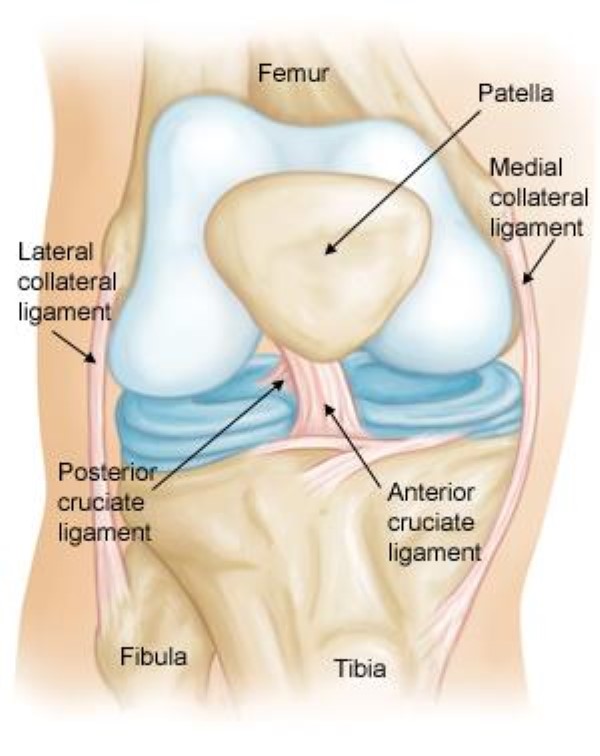
The Lateral Collateral Ligament (LCL): Your Knee’s Outer Sentinel
The LCL plays a critical role in maintaining the structural integrity of the knee, specifically guarding against forces that would push the lower leg too far inward, a movement known as varus stress. Its distinct location and function are crucial for stable movement.
Anatomy and Function
The Lateral Collateral Ligament (LCL), also known as the fibular collateral ligament (FCL), is a strong, cord-like structure located on the outermost side of the knee joint. Unlike its medial counterpart, the MCL, which is broader and blends with the joint capsule, the LCL is a distinct, rope-like ligament that runs outside the joint capsule itself. It originates from the lateral epicondyle of the femur (thigh bone) and extends downwards to attach to the head of the fibula (the smaller bone in the lower leg, on the outside).
The primary function of the LCL is to provide stability to the lateral (outer) side of the knee. It resists varus stress, preventing the tibia (shin bone) from moving excessively inward relative to the femur. This action is vital during movements that involve twisting, pivoting, or side-to-side motion, protecting the knee from buckling outwards. Along with the popliteus muscle and tendon, the LCL forms part of the posterolateral corner (PLC) of the knee, a complex region whose integrity is paramount for rotational stability. Without a functional LCL, the knee would be prone to instability and potential damage during everyday activities and especially in sports.
Common Injuries and Their Causes
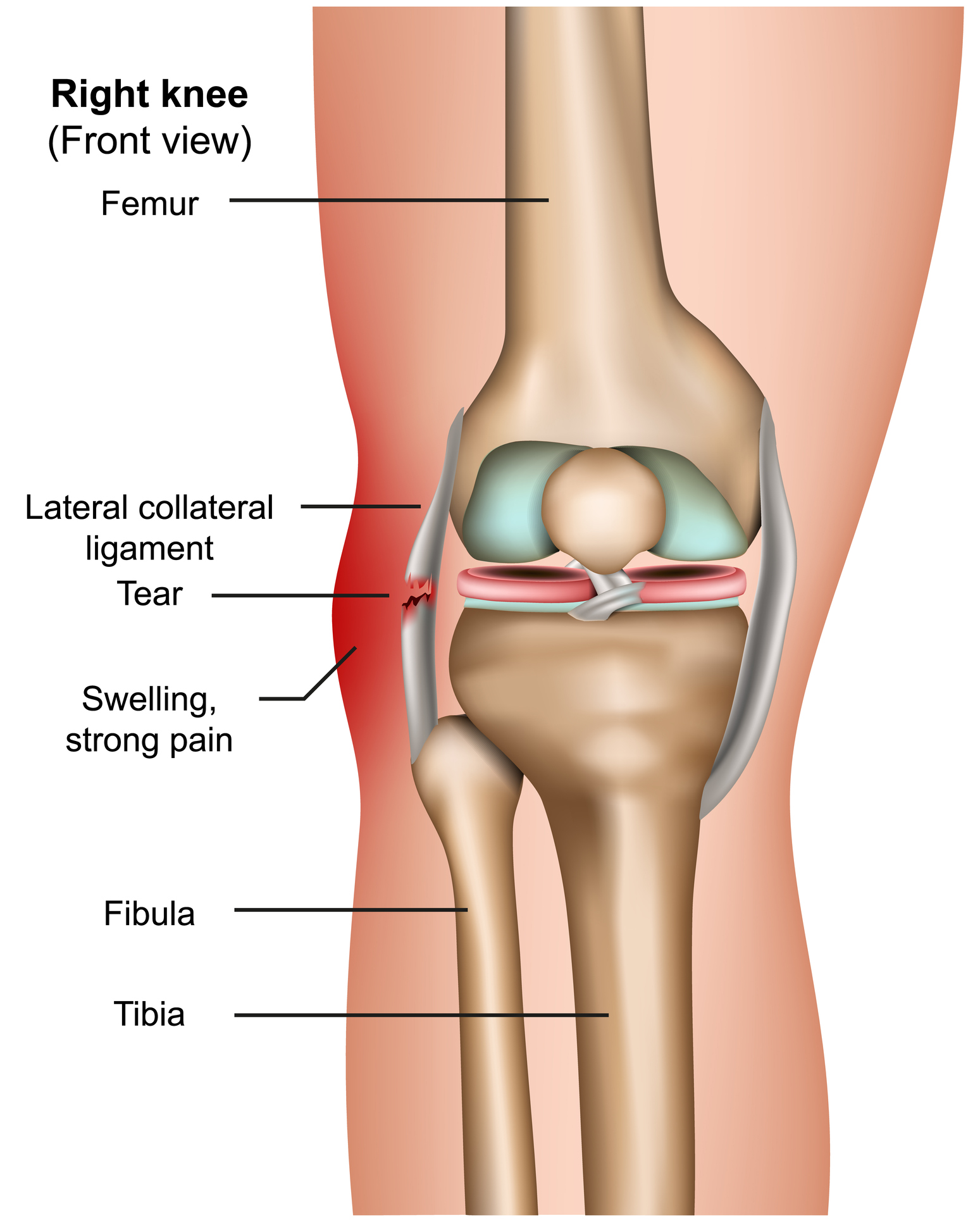
LCL injuries typically occur when there is a direct blow to the inside of the knee, forcing the knee into a varus position and stretching or tearing the ligament. This can also happen with hyperextension of the knee or severe twisting forces. Unlike the MCL, which is more frequently injured, isolated LCL tears are less common and often occur in conjunction with other knee ligament injuries, particularly those involving the posterolateral corner (PLC), or sometimes even the ACL or PCL.
LCL injuries are graded based on their severity:
- Grade 1 (Mild Sprain): The ligament is stretched but still intact. There may be some tenderness and minor pain, but no significant instability.
- Grade 2 (Moderate Sprain): The ligament is partially torn. There is noticeable pain, swelling, and some instability of the knee, especially when a varus stress is applied.
- Grade 3 (Severe Sprain): The ligament is completely torn, resulting in significant pain, swelling, and considerable instability. This grade often involves damage to other structures of the knee.
Athletes participating in contact sports like football, rugby, or skiing are particularly susceptible to LCL injuries due to the nature of impacts and rapid changes in direction. However, anyone can sustain an LCL injury through falls or accidents that exert undue varus stress on the knee.
Diagnosis and Treatment Overview
Diagnosing an LCL injury usually begins with a thorough physical examination by an orthopedic specialist. The doctor will assess the knee for pain, swelling, and perform specific stress tests to evaluate the ligament’s integrity. The “varus stress test,” where the examiner applies an inward force to the knee while it’s slightly bent, is key to identifying LCL laxity.
Imaging studies are often used to confirm the diagnosis and assess the extent of the injury, as well as to rule out other co-occurring damage. X-rays can check for fractures, while Magnetic Resonance Imaging (MRI) is the gold standard for visualizing soft tissues like ligaments, providing detailed information about the LCL tear and any associated injuries.
Treatment for LCL injuries varies depending on the grade of the sprain:
- Conservative Treatment (Grades 1 and 2): Most mild to moderate LCL sprains respond well to non-surgical approaches. This typically involves rest, ice, compression, and elevation (RICE), along with pain medication. Physical therapy is crucial, focusing on strengthening the muscles around the knee, improving range of motion, and gradually restoring stability and function. Bracing may be used to protect the ligament during healing.
- Surgical Treatment (Grade 3): Complete LCL tears, especially those involving multiple ligaments or significant instability, often require surgical intervention. This can involve repairing the torn ligament by stitching it back together or reconstructing it using a graft, often taken from another part of the patient’s body (autograft) or from a donor (allograft). Post-surgical rehabilitation is extensive and essential for a successful recovery.
Recovery time can range from a few weeks for mild sprains to several months for surgical repairs, emphasizing the importance of dedicated rehabilitation and adherence to medical advice.
Bridging Biology and the Digital Age: LCL Insights Through Tech
The medical field, including orthopedics and sports medicine, has been profoundly transformed by technological advancements. For a specific anatomical question like “what ligament is on the outside of your knee,” technology plays a pivotal role, from enhanced diagnostics to personalized rehabilitation and accessible health information.
AI and Diagnostic Imaging
Artificial Intelligence (AI) is revolutionizing how we diagnose musculoskeletal injuries, including those to the LCL. AI algorithms can be trained on vast datasets of MRI and X-ray images to identify subtle patterns that might be missed by the human eye, or to expedite the diagnostic process. For instance, AI can quickly segment and analyze images, flagging potential tears or abnormalities in the LCL with high accuracy. This not only aids radiologists in making faster and more precise diagnoses but can also help prioritize urgent cases.
Beyond initial diagnosis, AI-powered tools can also assist in tracking the healing process, predicting treatment outcomes, and even in surgical planning by creating highly detailed 3D models of the knee joint. Furthermore, wearable technology, equipped with biometric sensors, can monitor gait, movement patterns, and recovery progress post-injury, providing real-time data to patients and their physical therapists, ensuring adherence to rehabilitation protocols and early detection of potential setbacks.
Digital Health Platforms and Telemedicine
The rise of digital health platforms and telemedicine has dramatically changed access to healthcare, particularly relevant for specialized fields like orthopedics. Patients seeking information about LCL injuries can access reputable online resources, educational videos, and support forums, empowering them with knowledge about their condition.
Telemedicine platforms allow patients to consult with orthopedic specialists or physical therapists remotely. This is especially beneficial for initial assessments, post-operative follow-ups, and ongoing physical therapy sessions for LCL rehabilitation. Through video calls, therapists can guide patients through exercises, assess their form, and adjust treatment plans without the need for an in-person visit. This accessibility reduces geographical barriers, saves time, and provides continuity of care, which is crucial for conditions requiring long-term rehabilitation like LCL injuries. Digital platforms also facilitate secure sharing of medical records and imaging results between different healthcare providers, ensuring a coordinated approach to patient care.
The Role of Information Technology in Injury Prevention and Recovery
Information Technology (IT) encompasses a wide array of tools and systems that contribute to injury prevention and recovery. Mobile applications for exercise and fitness often include routines specifically designed for knee strengthening and stability, which can indirectly help prevent LCL injuries. These apps might track activity levels, provide personalized workout plans, and offer instructional videos for proper exercise form.
Data analytics plays a significant role in sports medicine, where performance data from athletes can be analyzed to identify risk factors for specific injuries, including LCL tears. By understanding biomechanical stressors and training loads, coaches and medical staff can implement preventive strategies. For recovery, IT-driven solutions include virtual reality (VR) and augmented reality (AR) systems that offer immersive and engaging rehabilitation exercises. These technologies can make monotonous physical therapy more interactive and motivate patients to adhere to their programs, which is vital for full recovery from an LCL injury. From biofeedback devices that help retrain muscle activation to sophisticated gait analysis systems, IT provides a robust framework for optimizing both injury prevention and the recovery trajectory.
The Branding of Health: From LCL Rehabilitation to Medical Devices
In the crowded landscape of modern healthcare, branding plays an increasingly vital role. For conditions like LCL injuries, effective branding not only conveys expertise and trustworthiness but also influences patient choice, shapes public perception, and drives the adoption of specific medical solutions.
Building Trust in Medical Information
When individuals search for answers about medical conditions like “what ligament is on the outside of your knee,” they are seeking reliable information. Hospitals, clinics, medical associations, and health tech companies actively build their brands by providing accurate, evidence-based, and easily understandable health content. A strong brand in healthcare signifies credibility and authority. This means publishing articles, videos, and infographics that break down complex anatomical details and injury descriptions in accessible language. Websites with clear navigation, expert-authored content, and transparent sources cultivate trust. Conversely, poorly designed, unverified, or misleading health information can quickly erode a brand’s reputation. For orthopedic practices, consistently delivering high-quality information about LCL injuries, treatment options, and recovery pathways is a cornerstone of establishing patient confidence and attracting those in need of specialized care.
Marketing Medical Solutions
The marketing of medical solutions for LCL injuries spans a wide spectrum, from promoting orthopedic surgeons and physical therapists to branding medical devices like knee braces and rehabilitation equipment. Orthopedic practices differentiate themselves through their brand identity, highlighting specialist expertise, patient success stories, advanced technology (e.g., robotic surgery), and a compassionate patient care approach. Marketing campaigns might emphasize rapid recovery protocols, personalized treatment plans, or a holistic approach to musculoskeletal health.
Similarly, companies manufacturing knee braces for LCL support or rehabilitation equipment use branding to position their products as superior in terms of comfort, durability, effectiveness, and innovation. This involves strategic use of testimonials, clinical studies, and endorsements from medical professionals or athletes. The messaging often focuses on restoring mobility, accelerating healing, and preventing re-injury, all while conveying a sense of quality and reliability. Effective branding in this space goes beyond mere advertising; it’s about connecting with patients’ needs and aspirations for a healthy, active life.
Personal Branding for Health Professionals
In the digital age, individual health professionals – particularly orthopedic surgeons, sports medicine physicians, and physical therapists – are increasingly leveraging personal branding. A strong personal brand allows specialists to share their expertise on topics like LCL injuries, educate the public, and build a reputation as a thought leader in their field. This can involve maintaining a professional website, actively engaging on platforms like LinkedIn or X (formerly Twitter), creating educational content on YouTube, or participating in online Q&A sessions.
By consistently sharing insights on injury prevention, diagnosis techniques, surgical innovations, or rehabilitation tips for LCL tears, professionals can build a loyal following and establish themselves as trusted sources of information. This not only enhances their professional standing but also serves as a valuable patient acquisition strategy. Patients are often drawn to doctors who demonstrate transparency, expertise, and a commitment to patient education, all of which are amplified through thoughtful personal branding efforts.
The Financial Impact of LCL Injuries: Costs, Coverage, and Economic Considerations
An LCL injury, particularly a severe one requiring surgery and extensive rehabilitation, carries significant financial implications for individuals, families, and even healthcare systems. Understanding these costs and how they are managed is crucial in navigating the recovery process.
The Direct Costs of Care
The direct costs associated with an LCL injury can be substantial. These typically include:
- Initial Consultation and Diagnosis: Doctor’s visits, physical examinations, X-rays, and MRI scans. An MRI alone can cost hundreds to thousands of dollars, depending on location and insurance.
- Treatment: For conservative treatment, costs include physical therapy sessions (which can be numerous over several months), pain medications, and possibly a knee brace. Surgical intervention is far more expensive, encompassing surgeon’s fees, anesthesia fees, operating room charges, hospital stays, and the cost of any grafts or implants. These can easily range from $15,000 to $50,000 or more in many developed countries.
- Post-Operative Rehabilitation: Ongoing physical therapy is a critical component of recovery after LCL surgery, and these sessions, often lasting for months, accumulate significant costs. Specialized equipment or home exercise tools might also add to the expense.
- Follow-up Appointments: Regular check-ups with the orthopedic surgeon or physical therapist to monitor progress.
These direct costs can quickly become overwhelming without adequate financial planning or insurance coverage.
Insurance Navigation and Financial Planning
Navigating the complexities of health insurance is paramount when dealing with an LCL injury. Understanding one’s policy, including deductibles, co-pays, co-insurance, and out-of-pocket maximums, is essential. A high deductible plan might mean paying thousands of dollars before insurance coverage fully kicks in. Patients need to verify that their chosen healthcare providers and facilities are in-network to avoid higher out-of-network charges.
Financial planning for unexpected medical expenses often involves setting aside an emergency fund. For those without comprehensive insurance or facing high out-of-pocket costs, options might include payment plans offered by hospitals, medical credit cards, or exploring patient assistance programs. Seeking advice from a financial advisor or hospital billing department can help individuals understand their options and manage the financial burden effectively. The financial stress of an injury can sometimes be as debilitating as the physical one, making informed financial decisions crucial for a holistic recovery.
Economic Implications for Individuals and Businesses
Beyond direct medical costs, LCL injuries can have significant economic implications. For individuals, a severe injury may lead to a loss of income if they are unable to work during recovery. This is particularly impactful for hourly wage earners or those whose jobs require physical activity. Even salaried employees might deplete sick leave or face reduced productivity. Long-term disability could become a factor in cases of incomplete recovery or persistent complications, affecting career trajectories and earning potential for years.
For businesses, especially those in sports, construction, or other physically demanding sectors, employee LCL injuries can lead to decreased productivity, the need for temporary workers, increased workers’ compensation claims, and higher insurance premiums. The broader economic cost of musculoskeletal injuries like LCL tears is substantial, encompassing not just healthcare expenditures but also lost productivity, disability benefits, and the strain on social support systems. Understanding these multifarious financial repercussions underscores the importance of both injury prevention and efficient, accessible healthcare systems.
In conclusion, the seemingly straightforward question, “What ligament is on the outside of your knee?” unveils a rich tapestry of anatomical knowledge, cutting-edge technological applications, sophisticated brand strategies in healthcare, and profound financial considerations. From the microscopic fibers of the Lateral Collateral Ligament to the macroeconomic impact of injuries, the journey of understanding our bodies in the 21st century is inextricably linked to the advancements and complexities of technology, branding, and money. It highlights the importance of not just knowing our anatomy but also appreciating the interconnected ecosystem that supports health, recovery, and well-being in the modern world.
aViewFromTheCave is a participant in the Amazon Services LLC Associates Program, an affiliate advertising program designed to provide a means for sites to earn advertising fees by advertising and linking to Amazon.com. Amazon, the Amazon logo, AmazonSupply, and the AmazonSupply logo are trademarks of Amazon.com, Inc. or its affiliates. As an Amazon Associate we earn affiliate commissions from qualifying purchases.