
In the dynamic world of real estate, few tools have permeated public consciousness quite like Zillow’s Zestimate. Launched in 2006, Zestimate quickly became a household name, transforming the way millions of people research property values. Before its advent, getting an estimate of a home’s worth often required contacting a real estate agent or paying for an appraisal. Zestimate offered a revolutionary, instant, and free alternative, accessible to anyone with an internet connection.
At its core, Zestimate is an automated valuation model (AVM) designed to provide an estimated market value for properties across the United States. It’s a single number that appears prominently on every Zillow property listing, often serving as the first point of reference for homeowners, prospective buyers, and curious onlookers alike. However, behind this seemingly simple figure lies a sophisticated blend of technology, data science, and brand strategy, with significant implications for personal and business finance. This article will delve into the intricacies of Zestimate, exploring the technological engine that drives it, its profound impact on brand perception, and its critical role in financial decision-making within the broader context of a website focusing on Tech, Brand, and Money.
The Algorithmic Engine: How Zestimate Works
The accuracy and ubiquity of Zestimate are testament to the power of modern data science and machine learning. Far from being a simple calculation, the Zestimate is the output of a complex algorithm that continuously analyzes vast datasets to produce its valuation. Understanding this technological backbone is crucial to appreciating both its utility and its inherent limitations.
Data Science and Machine Learning at Its Core
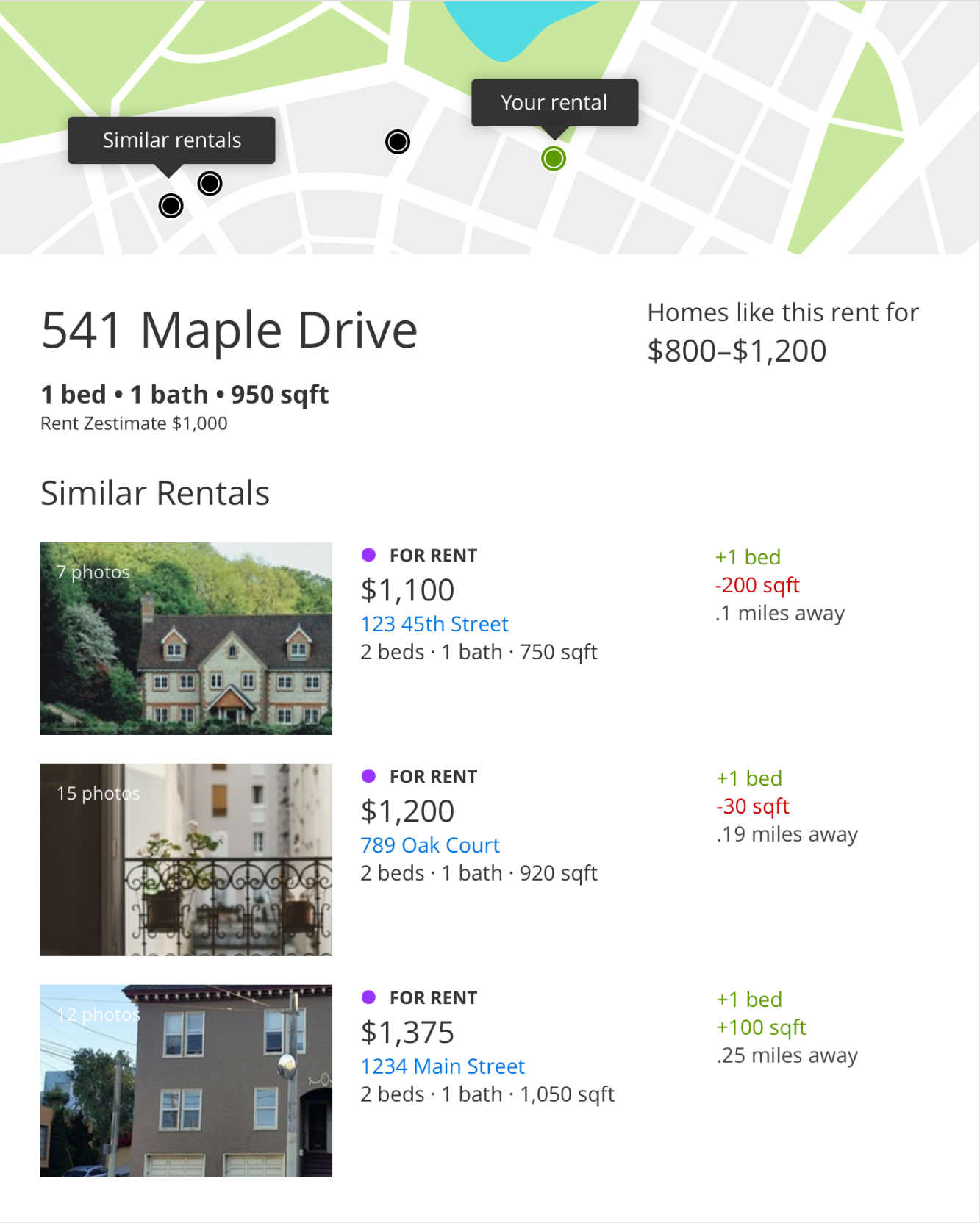
Zillow’s Zestimate engine is a prime example of big data in action. It ingests and processes an incredible volume of information from a multitude of sources. Public records form the foundational layer, including property characteristics like square footage, number of bedrooms and bathrooms, lot size, and previous sale prices. Beyond this, Zillow integrates user-submitted data, such as recent upgrades, remodels, or unique features that might not be captured in official records. Crucially, the algorithm also incorporates hyper-local market trends, including recent comparable home sales (comps) in the immediate vicinity, property tax assessments, foreclosure data, and even factors like neighborhood amenities and school districts.
The magic happens through advanced machine learning models. These aren’t static equations; they are sophisticated algorithms that learn and adapt. Techniques such as regression analysis, neural networks, and other predictive analytics methods are employed to identify patterns and relationships within the data. For instance, the models learn how certain features (e.g., a renovated kitchen, an extra bathroom) or market conditions (e.g., low inventory, high demand) impact sale prices in different areas. The algorithms are constantly refined and retrained with new data, allowing the Zestimate to react, albeit sometimes with a delay, to changes in the real estate market. This iterative improvement is a hallmark of AI tools, making the Zestimate a living, evolving estimate rather than a fixed appraisal.
This contrasts sharply with traditional appraisal methods, which rely heavily on a human expert’s subjective judgment and physical inspection. While a human appraiser brings invaluable local knowledge and can account for nuanced property conditions, their process is time-consuming and costly. Zestimate offers a scalable, instant, and free alternative, albeit one with a different set of pros and cons.
Strengths and Limitations of an Automated Valuation Model (AVM)
The rise of AVMs like Zestimate has undeniably revolutionized access to real estate information, but like all technology, they come with a distinct set of strengths and weaknesses.
Strengths:
- Speed and Accessibility: The most obvious advantage is instant access to a property valuation, anytime, anywhere, for free. This democratizes information that was once the purview of real estate professionals.
- Transparency (to a degree): Zillow often provides some of the data points used in the Zestimate calculation, allowing users to understand some of the factors influencing the number.
- Broad Market Overview: It provides a quick snapshot of market trends and property values across vast geographical areas, useful for initial research or casual browsing.
- Starting Point for Discussion: For many, the Zestimate serves as a crucial starting point for discussions with real estate agents, mortgage lenders, or during personal financial planning.
Limitations:
- Data Dependency and Quality: The Zestimate is only as good as the data it feeds on. In areas with sparse or outdated public records, or low transaction volume, its accuracy can diminish significantly. “Garbage in, garbage out” applies here – if property characteristics are incorrectly recorded or missing, the Zestimate will reflect those inaccuracies.
- Lack of Human Nuance: This is perhaps the most significant limitation. The algorithm cannot physically inspect a property. It cannot account for:
- Internal Condition and Upgrades: A beautifully renovated kitchen vs. a dilapidated one; an unpermitted addition; unique architectural features; curb appeal.
- Specific Lot Characteristics: A premium view, excessive road noise, proximity to undesirable features (e.g., power lines, industrial areas).
- Market Sentiment: Local buzz, bidding wars, or specific neighborhood dynamics that might not be immediately quantifiable by data.
- Micro-Market Variations: Even within a few blocks, property values can differ dramatically due to schools, street quality, or other intangible factors.
- Lag in Market Reactivity: While constantly updated, the algorithm can sometimes lag behind rapidly shifting market conditions, especially during periods of high volatility (e.g., sudden boom or bust).
- Geographic Variation in Accuracy: Zillow itself provides a “median error rate” for its Zestimates, which varies by location. Generally, they are more accurate in areas with a high volume of transactions and homogeneous housing stock, and less accurate in rural areas or places with unique or custom-built homes.
Zestimate as a Brand Pillar: Shaping Real Estate Narratives
Beyond its technical underpinnings, Zestimate holds immense power as a brand. It has not only become synonymous with online home valuation but has also profoundly influenced the narrative around property values, shaping consumer expectations and the strategies of real estate professionals.
The Power of a Household Name and Its Influence
Zillow’s branding of “Zestimate” is a case study in successful product naming and market penetration. It’s memorable, unique, and clearly communicates its function. By providing a free and accessible tool, Zillow effectively “democratized” access to property value information. Before Zestimate, only real estate professionals, appraisers, and those with proprietary data access truly knew what homes were “worth.” Zillow empowered homeowners and prospective buyers with a powerful, albeit estimated, piece of information.
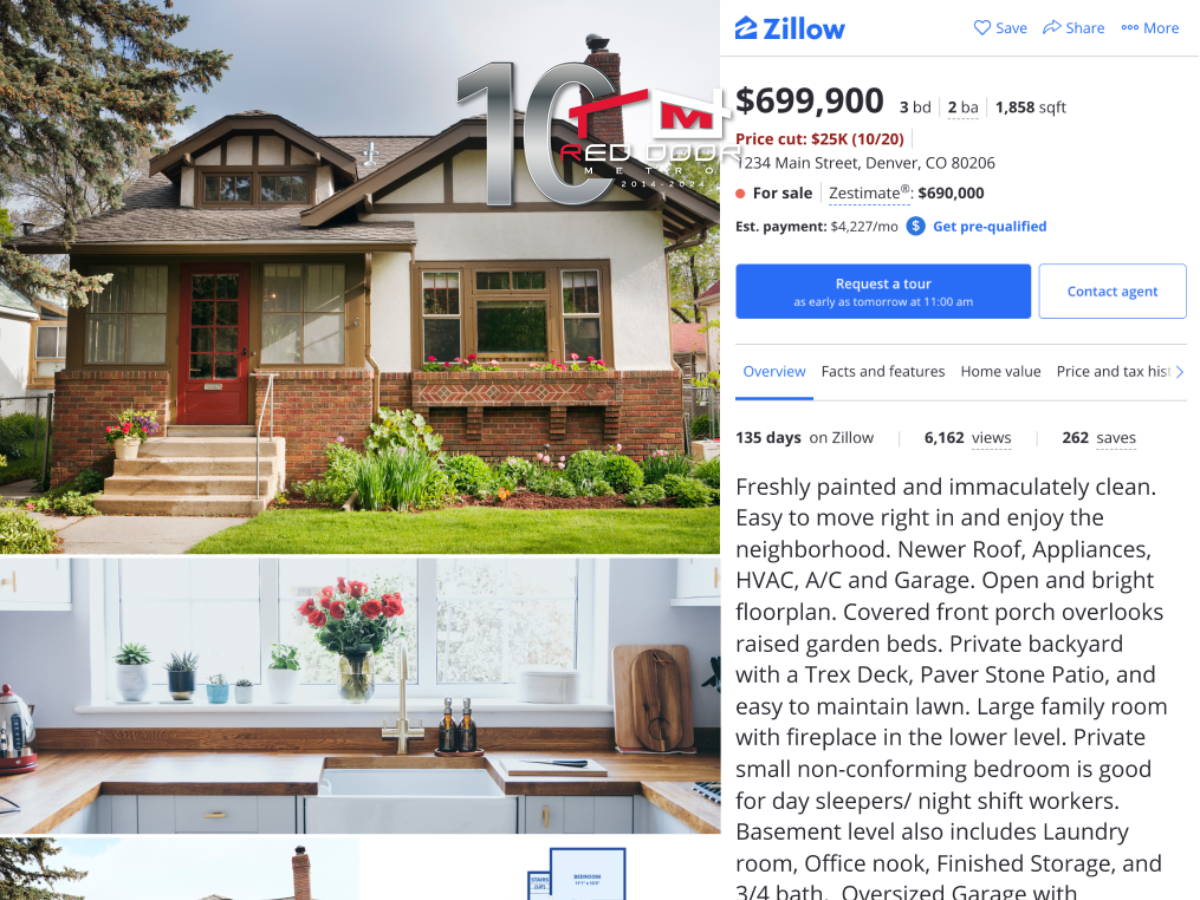
This democratization has had a profound influence on consumer expectations. Homeowners frequently reference their Zestimate when considering selling, refinancing, or simply tracking their largest asset. Buyers often use it as a benchmark when evaluating properties, sometimes even before engaging with an agent. The psychological impact is undeniable: people often anchor their perception of a home’s value to the Zestimate, leading to both excitement when it’s high and disappointment when it’s low. This anchoring effect can significantly impact initial negotiation positions and even influence the overall tenor of a real estate transaction. Zillow successfully positioned Zestimate as an authoritative voice, whether deserved or not, in the initial stages of real estate exploration.
Managing Reputation and Misconceptions
The power of the Zestimate brand also comes with significant challenges, particularly concerning its accuracy and reputation. While incredibly popular, the Zestimate has faced considerable criticism from homeowners, sellers, and real estate professionals who often find it to be significantly off the mark for specific properties. These discrepancies can lead to frustration, unrealistic expectations, and even disputes during a transaction.
Zillow has actively worked to manage this reputation. They prominently display disclaimers regarding the Zestimate’s accuracy and encourage users to consult with local real estate professionals and obtain professional appraisals. Their platform includes educational content explaining how the Zestimate is calculated and its limitations. The branding challenge for Zillow has been to maintain its image as an innovative technology leader while also being responsible and transparent about the limitations of its automated tool. This means positioning Zestimate as a valuable starting point for valuation, rather than the definitive word.
The dynamic between Zestimate and real estate agents is particularly interesting. Many agents initially viewed Zestimate as a threat, as it provided information agents previously controlled. Now, it’s often an integral part of their job to “debunk” or contextualize the Zestimate for their clients. Agents frequently have to explain why a property’s actual market value might differ from its Zestimate, using their local expertise, recent comparable sales, and knowledge of specific property conditions. This shift has forced agents to become more adept at data interpretation and client education, highlighting the ongoing tension and eventual symbiosis between AI tools and human expertise in the real estate sector.
Navigating the Financial Landscape with Zestimate
While Zestimate is a marvel of technology and a branding triumph, its most significant implications lie in the realm of personal and business finance. From individual homeowners tracking their net worth to investors scouting opportunities, Zestimate has become an undeniable part of the financial toolkit, albeit one that requires careful interpretation.
For Homeowners and Potential Buyers/Sellers
Homeowners: For millions, Zestimate is a quick way to gauge the value of their largest asset. It fuels curiosity about wealth creation, influences decisions about refinancing (to tap into equity), and provides a general sense of their financial standing. It’s a convenient, if imperfect, way to track property value fluctuations over time without engaging a professional.
Buyers: Prospective buyers often use Zestimate as an initial research tool. It helps them understand general price ranges in neighborhoods, compare potential properties, and set realistic expectations for what they might afford. However, relying solely on Zestimate for negotiation can be risky. If the Zestimate is lower than the asking price, a buyer might mistakenly believe they have strong leverage. Conversely, if it’s higher, they might feel pressured to offer more. Smart buyers integrate Zestimate with other financial research, including agent-provided comparables, market trend analysis, and their own budget constraints.
Sellers: Zestimate often plays a significant psychological role for sellers. An unexpectedly high Zestimate can set unrealistic pricing expectations, leading to an overpriced home that languishes on the market. Conversely, a low Zestimate can cause frustration and a feeling of undervaluation. Real estate agents frequently face the challenge of educating sellers on the difference between a Zestimate and a professional comparative market analysis (CMA) or appraisal, which factors in real-time market conditions and specific property attributes that the algorithm cannot “see.” For sellers, Zestimate should serve as a loose guide, never the sole basis for listing price.
Investors: For real estate investors, Zestimate can be a valuable initial screening tool. Its instant availability allows investors to quickly scan thousands of properties, identifying potential opportunities (e.g., properties that appear undervalued by Zestimate compared to neighborhood averages) or quickly discarding properties that seem overpriced. However, seasoned investors understand that deep due diligence, including physical inspections, detailed financial modeling, and professional appraisals, is always essential before making an investment decision. Zestimate is one data point in a much larger, complex financial calculation.
Beyond a Single Number: Integrating Zestimate into Financial Strategy
The true utility of Zestimate in financial planning emerges when it’s viewed not as a definitive valuation, but as a robust, technologically driven data point within a broader financial strategy.
Financial Planning: Understanding estimated home equity is critical for personal financial planning. It impacts net worth calculations, retirement planning scenarios, and decisions about leveraging home equity for major life events or other investments (e.g., via a Home Equity Line of Credit – HELOC). While lenders will always require a professional appraisal for such loans, the Zestimate provides a quick, indicative figure that helps homeowners track their financial position.
Real Estate Investing: In real estate investing, Zestimate can help identify general market trends or areas of interest. For example, if Zestimates in a particular zip code are consistently rising faster than average, it might signal a burgeoning market. However, for specific investment property analysis, investors must look beyond Zestimate to factors like rental income potential, cap rates, operating expenses, and local tenant demand. It’s a quick filter, not a substitute for rigorous financial modeling.
Refinancing Decisions: When considering refinancing a mortgage, a homeowner’s equity plays a major role. Zestimate can provide a preliminary idea of current home value, helping to determine if there’s enough equity to make refinancing worthwhile or to remove private mortgage insurance (PMI). Again, for the actual loan approval process, a lender will commission an official appraisal.
Ultimately, integrating Zestimate into financial decisions means understanding its place in the ecosystem of financial tools. It’s a powerful and accessible piece of technology that offers valuable insights, but it doesn’t replace the nuanced understanding provided by human experts. Real estate agents, licensed appraisers, and financial advisors bring context, local knowledge, and an understanding of individual financial goals that no algorithm, however sophisticated, can fully replicate. Their expertise is crucial for interpreting Zestimate data, mitigating its limitations, and guiding truly informed financial choices.
Conclusion
Zillow’s Zestimate stands as a landmark achievement in the intersection of technology, brand strategy, and personal finance. It harnessed the power of big data and machine learning to create an instantly accessible tool that fundamentally changed how individuals interact with real estate valuation. By democratizing information, Zestimate empowered millions, making property values a matter of public access rather than professional privilege.
However, the journey of Zestimate also highlights the critical need to understand the tools we use. While an extraordinary technological feat, it remains an automated estimate, susceptible to data limitations and incapable of replicating the nuanced judgment of a human expert. Its brand strength has anchored it in the public consciousness, yet Zillow continuously navigates the challenge of managing expectations and clarifying its role as a starting point, not the definitive word.
For homeowners, buyers, sellers, and investors, Zestimate is an invaluable part of the digital toolkit. It provides a quick, free, and broadly accurate snapshot, perfect for initial research, curiosity, and a general understanding of market trends. But truly informed financial decisions in real estate demand a multi-faceted approach. This means combining the insights from Zestimate with the professional expertise of real estate agents, the precision of a licensed appraiser, and a thorough understanding of one’s personal financial goals. In the evolving landscape of digital real estate, Zestimate serves as a testament to innovation – a powerful tool that, when understood and used wisely, significantly enhances our ability to navigate the complex world of property and finance.
aViewFromTheCave is a participant in the Amazon Services LLC Associates Program, an affiliate advertising program designed to provide a means for sites to earn advertising fees by advertising and linking to Amazon.com. Amazon, the Amazon logo, AmazonSupply, and the AmazonSupply logo are trademarks of Amazon.com, Inc. or its affiliates. As an Amazon Associate we earn affiliate commissions from qualifying purchases.