
The world of professional and amateur sports is a crucible of human potential, pushing the limits of physical prowess, strategic thinking, and mental fortitude. Yet, amidst the spectacular feats of athleticism, lies the ever-present shadow of injury. One such injury, often misunderstood or underestimated, is “turf toe.” While its name might evoke images of specific playing surfaces, its impact resonates far beyond the artificial grass, touching upon critical aspects of technology, personal and corporate branding, and significant financial implications. This article delves into turf toe, not merely as a medical condition, but through the multifaceted lens of a modern digital economy and the intricate ecosystems surrounding sports.
Understanding Turf Toe: Beyond the Sidelines
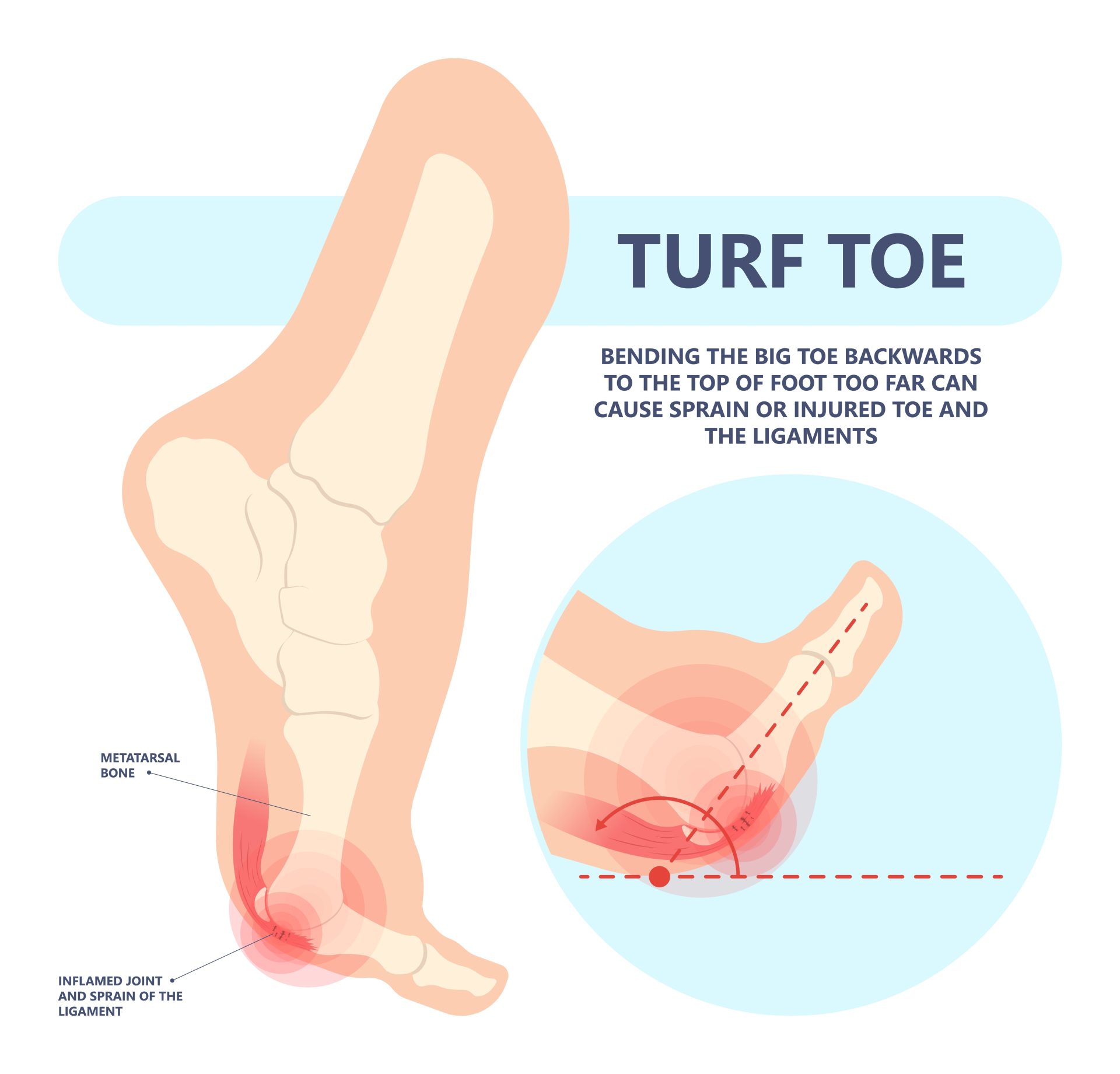
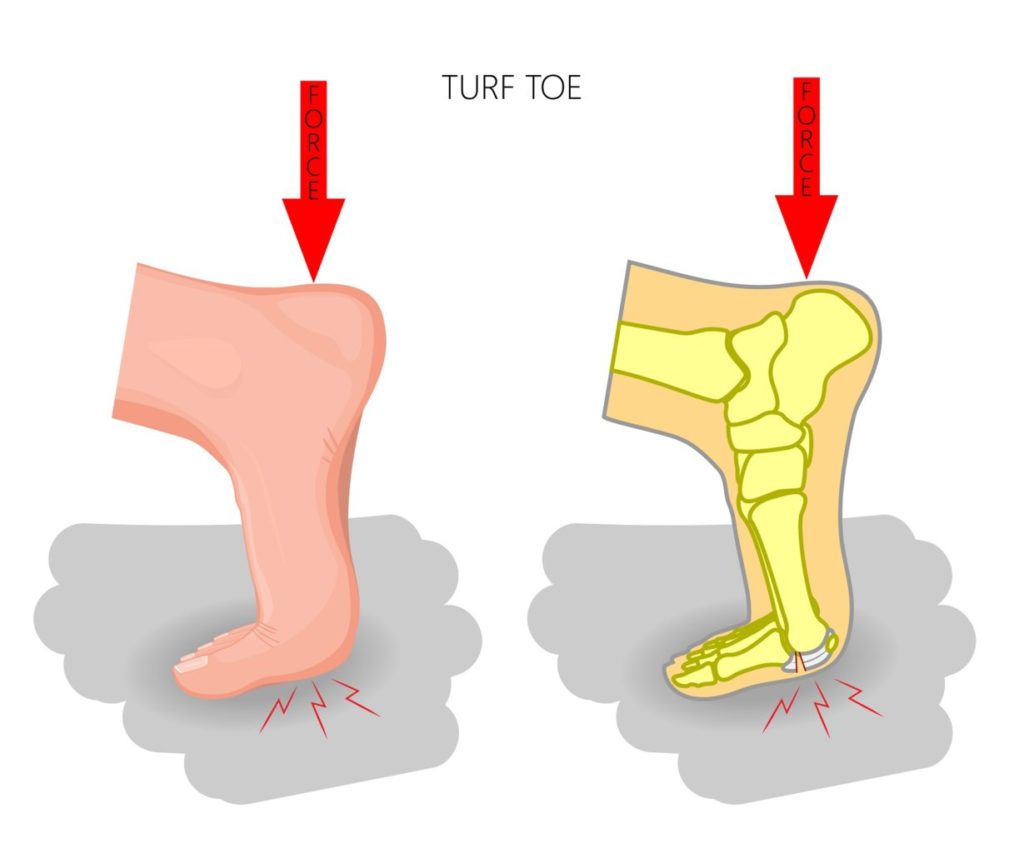
At its core, turf toe is a sprain of the ligaments surrounding the big toe joint (the metatarsophalangeal or MTP joint). It typically occurs when the big toe is hyperextended or jammed, often while wearing flexible shoes on hard surfaces, leading to a tearing of the soft tissue at the base of the toe. The name itself is derived from its prevalence on artificial turf, which tends to be harder and less forgiving than natural grass, increasing friction and making the foot more susceptible to sticking and jamming.
A Brief Overview of the Injury
While a medical diagnosis would detail the grades of sprain (from mild stretching to complete rupture), for our purposes, it’s essential to understand its disruptive nature. A turf toe injury can range from mild discomfort and swelling to severe pain, instability, and a debilitating inability to push off the big toe—a fundamental motion in almost all athletic activities, from running and jumping to pivoting and cutting. This seemingly minor digit injury can sideline athletes for weeks or even months, impacting their performance, career trajectory, and overall quality of life. The recovery process is often protracted, demanding patience, diligent rehabilitation, and sometimes surgical intervention.
The Modern Athlete’s Challenge: A Digital Perspective
In today’s interconnected world, an athlete’s physical well-being is intrinsically linked to their public persona, their financial stability, and the technological tools at their disposal. An injury like turf toe, therefore, isn’t just a physiological setback; it’s a multi-dimensional challenge. For a professional athlete, it can mean lost game time, reduced earning potential, and a dent in their personal brand. For an amateur, it might mean the inability to pursue a passion, affecting mental health and recreational goals.
The modern sports landscape, increasingly driven by data analytics, performance metrics, and fan engagement through digital platforms, means that every aspect of an athlete’s journey—including injury and recovery—is observed, tracked, and often amplified. This context sets the stage for exploring how technology, brand management, and financial acumen become crucial allies in navigating and mitigating the effects of turf toe.
The Technological Edge: Prevention, Diagnosis, and Recovery
The intersection of sports medicine and technology is rapidly evolving, offering unprecedented opportunities for understanding, preventing, and recovering from injuries like turf toe. From advanced diagnostic tools to innovative rehabilitation strategies, technology is reshaping how we approach athlete welfare.
Smart Gear and Predictive Analytics: Proactive Protection
The quest to minimize injury risk begins even before an athlete steps onto the field. Footwear technology, for instance, has seen immense advancements. Shoe manufacturers are leveraging biomechanical data, material science, and computational design to create cleats and soles that offer optimal support, flexibility, and traction while minimizing the risk of hyperextension. This involves developing stiffer forefoot designs to prevent excessive toe bending, or materials that offer a better balance of grip and release on various playing surfaces.
Beyond footwear, smart apparel and wearable sensors are becoming invaluable. These devices can track an athlete’s gait, foot pressure distribution, landing mechanics, and overall biomechanics in real-time. Paired with AI-driven predictive analytics platforms, this data can identify subtle shifts in movement patterns that might indicate increased vulnerability to specific injuries, including turf toe. Coaches and trainers can then intervene with targeted exercises or adjustments to training regimens, moving from reactive treatment to proactive prevention. Imagine an AI detecting a slight over-pronation or a reduction in toe-off force, flagging a potential turf toe risk weeks before it manifests as an actual injury.
Digital Diagnostics and AI-Powered Rehabilitation: The Future of Healing
Once an injury occurs, technology plays a pivotal role in accurate diagnosis and effective recovery. While traditional X-rays and MRIs remain crucial, advancements in medical imaging, such as higher-resolution scans and 3D modeling, provide more precise insights into the extent of ligament damage. Telemedicine platforms and virtual consultations are also making specialist care more accessible, allowing athletes to receive expert opinions regardless of their geographical location, particularly valuable for those in remote areas or traveling for competitions.
For rehabilitation, AI and digital tools are revolutionizing the process. Personalized recovery apps can guide athletes through prescribed exercises, track their progress, and provide real-time feedback on technique. Gamified rehabilitation programs, accessed via smartphones or VR headsets, can make monotonous exercises more engaging and motivate consistent adherence. For instance, an app might use computer vision to analyze an athlete’s toe flexibility exercises, ensuring correct form and progression, or an AI might dynamically adjust exercise intensity based on biometric feedback and reported pain levels. Furthermore, robotics and exoskeletons are emerging in advanced rehab centers, offering assisted movement and targeted strengthening, particularly for severe cases.
The Role of Wearables and Apps in Athlete Wellness
Wearable technology extends beyond prevention and recovery, integrating into the daily life of an athlete to promote holistic wellness. Devices that monitor sleep patterns, heart rate variability, stress levels, and recovery biomarkers can provide a comprehensive picture of an athlete’s physiological state. For someone recovering from turf toe, understanding their overall systemic recovery and energy levels is crucial to prevent re-injury or overtraining.
Mobile applications serve as digital coaches, nutritionists, and mental health support systems. They can offer guided meditation for pain management, track hydration, or provide educational content on injury prevention. For athletes managing turf toe, these apps can be a centralized hub for their rehabilitation protocol, medication reminders, appointment scheduling, and communication with their medical team. The data collected from these wearables and apps can be aggregated and analyzed to inform better training strategies and optimize return-to-play protocols, ensuring that athletes are not just physically healed, but optimally conditioned and mentally prepared.
Brand Impact: From Athlete Identity to Corporate Reputation
An injury, especially a recurring or performance-limiting one like turf toe, has significant repercussions beyond the physical. It directly influences the personal brand of an athlete, the reputation of the teams and leagues they play for, and the brands of sports equipment manufacturers.
Personal Branding and the Injured Athlete: Rebuilding and Reinventing
For professional athletes, their body is their brand. It represents peak performance, resilience, and often, a captivating narrative. An injury like turf toe can disrupt this narrative, leading to a decline in visibility, performance, and potentially, marketability. Sponsors are keen on athletes who are consistently performing and visible. A prolonged absence due to injury can impact endorsement deals and future contract negotiations.

However, an injury also presents an opportunity for brand reinvention. Athletes like Steph Curry (who has dealt with ankle issues) or Tiger Woods (famous for his numerous comebacks) have demonstrated that navigating injury with grace, transparency, and a tenacious spirit can actually strengthen a personal brand. By documenting their recovery journey, sharing insights into their mental fortitude, or advocating for injury prevention, athletes can connect with fans on a deeper, more human level. They can leverage social media and other digital platforms to maintain engagement, provide updates, and even pivot into content creation, online coaching, or advocacy during their downtime. This transformation from “injured athlete” to “resilient icon” or “advocate for player safety” can be a powerful brand play.
Sports Brands and Player Safety: Crafting a Responsible Image
The rise of injuries, particularly on specific playing surfaces or with certain equipment, can significantly impact the brand reputation of sports leagues, teams, and equipment manufacturers. For example, if a league’s artificial turf fields are consistently linked to a higher incidence of turf toe, it can lead to public scrutiny, player dissatisfaction, and negative media attention. This affects fan perception, player recruitment, and even legal liabilities.
Sports organizations are increasingly recognizing the importance of player safety not just as an ethical imperative, but as a critical component of their brand identity. Leagues that invest in state-of-the-art facilities, comprehensive medical staff, and cutting-edge injury prevention research enhance their reputation as player-centric and progressive. Similarly, sports equipment brands that innovate in injury-protective gear (like specialized footwear designed to mitigate turf toe) gain a competitive edge and build trust with athletes and consumers. A brand that actively promotes athlete well-being, transparently addresses injury concerns, and invests in solutions, fosters loyalty and positive public perception. This responsibility extends to transparent communication about injury risks and recovery timelines, fostering trust among stakeholders.
The Business of Rehabilitation: Building Trust and Authority
The sports medicine industry itself operates as a brand. Clinics, physical therapy centers, and individual specialists build their reputation—their brand—on successful patient outcomes, advanced techniques, and athlete endorsements. For instance, a sports rehab clinic known for successfully treating complex foot and ankle injuries like turf toe might become a go-to destination for professional athletes, significantly boosting its brand equity and attracting more clients.
Digital marketing and content creation play a crucial role here. A clinic publishing authoritative articles on turf toe prevention, recovery exercises, or interviewing expert sports podiatrists establishes itself as a thought leader. Utilizing SEO, social media campaigns, and engaging video content can amplify their reach and demonstrate their expertise, building a strong online brand that translates into real-world patient acquisition and trust. For these businesses, their “product” is successful recovery and return to play, and their brand is built on the efficacy and empathy of their service.
The Financial Playbook: Costs, Investments, and Opportunities
Beyond the physical and branding implications, turf toe carries substantial financial weight. For athletes, teams, and the broader sports ecosystem, it represents a complex interplay of costs, strategic investments, and even new economic opportunities.
The Hidden Costs of Injury: A Financial Reckoning
The most immediate financial impact of turf toe is the direct medical cost: diagnostic imaging, consultations with specialists, physical therapy sessions, potential surgery, medication, and post-operative care. For athletes without comprehensive insurance or in regions with high healthcare costs, these expenses can be crippling.
However, the “hidden costs” are often far greater. For professional athletes, an injury means lost playing time, which can directly translate to lost wages, performance bonuses, or even the termination of contracts if the recovery is prolonged or recurring. Endorsement deals, which form a significant portion of many athletes’ income, can be jeopardized by reduced visibility or perceived fragility. For teams, an injured star player means reduced on-field performance, potentially impacting ticket sales, merchandise revenue, and team brand value. There’s also the cost of paying a recovering player who isn’t contributing, or investing in temporary replacements. This financial reckoning underscores the imperative for robust injury prevention and rapid, effective rehabilitation.
Investing in Athlete Longevity: A Smart Financial Move
Given the significant costs associated with injuries, investing in prevention and cutting-edge rehabilitation becomes a sound financial strategy rather than a mere expense. For sports organizations, this means allocating budgets for advanced training facilities, employing larger medical and sports science teams, integrating sophisticated athlete monitoring technologies, and ensuring access to the best rehabilitation equipment and expertise.
For athletes themselves, investing in preventative measures like custom orthotics, specialized footwear, regular biomechanical assessments, and proactive physical therapy can be a wise personal finance decision, safeguarding their career and earning potential. Consider it an investment in their primary asset: their body and its performance. Similarly, smart financial planning, including comprehensive insurance policies and diversified investment portfolios, offers a crucial safety net against unforeseen career interruptions due to injury. This proactive financial management is increasingly recognized as vital for athletes whose careers can be short and precarious.
Monetizing Recovery: New Avenues for Injured Professionals
While injury can represent financial loss, the digital age also presents new opportunities for monetization during recovery. Athletes, especially those with established personal brands, can leverage their recovery journey to create compelling content. This could include vlogs detailing their rehabilitation exercises, social media posts sharing insights into mental resilience, or even paid collaborations with sports tech or health brands that align with their recovery narrative.
For individuals with expertise in sports or fitness who are sidelined by turf toe, this period can be used to develop online coaching programs, create digital training guides, or host webinars on injury prevention. The rise of the creator economy allows athletes to diversify their income streams beyond their direct performance on the field. They can monetize their knowledge, experience, and even their vulnerability, turning a challenging period into a platform for new ventures and financial growth. This entrepreneurship during recovery offers a proactive approach to financial stability and brand maintenance.
Looking Ahead: The Intersecting Future of Sports, Tech, Brand, and Money
The future of sports and athlete welfare will be defined by an even deeper integration of technology, strategic brand management, and astute financial planning. Injuries like turf toe, once seen purely as medical incidents, are now understood as complex events with far-reaching implications across these domains.
The Holistic Approach to Athlete Care
The evolution towards a holistic approach to athlete care is paramount. This means moving beyond treating an injury in isolation and instead considering the athlete’s entire ecosystem—their physical state, mental health, training regimen, financial stability, and public persona. Technology will serve as the backbone for this holistic view, providing data-driven insights into every aspect of an athlete’s well-being. From AI coaches analyzing performance to virtual reality for mental resilience training, and personalized digital health passports, the integration will be seamless. Sports organizations and individual athletes will increasingly invest in these comprehensive systems to optimize performance and longevity, seeing it as a crucial competitive advantage and a safeguard against unforeseen setbacks.
Innovation as the Ultimate Game Changer
Ultimately, innovation remains the ultimate game changer. In the context of turf toe, this means continued advancements in material science for footwear and playing surfaces, increasingly sophisticated biomechanical analysis, and personalized rehabilitation protocols powered by AI and machine learning. It also means innovative business models for sports medicine, insurance products tailored to athlete careers, and creative new ways for athletes to build and leverage their brand even when off the field. The journey from understanding “what is turf toe” to effectively preventing, treating, and mitigating its consequences, is a testament to the powerful synergy that emerges when technology, brand strategy, and financial wisdom converge in the dynamic world of sports.
aViewFromTheCave is a participant in the Amazon Services LLC Associates Program, an affiliate advertising program designed to provide a means for sites to earn advertising fees by advertising and linking to Amazon.com. Amazon, the Amazon logo, AmazonSupply, and the AmazonSupply logo are trademarks of Amazon.com, Inc. or its affiliates. As an Amazon Associate we earn affiliate commissions from qualifying purchases.