
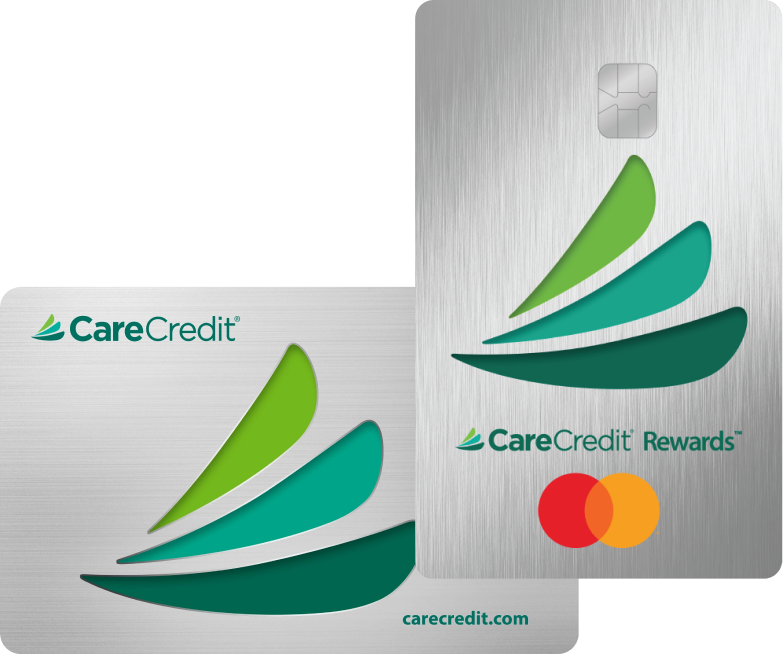
CareCredit has emerged as a prominent name in the world of healthcare financing, offering a solution for individuals seeking to manage the costs of medical, dental, vision, and cosmetic procedures. In essence, it functions as a credit card specifically designed for healthcare expenses, providing a way to pay for treatments and services that might otherwise be out of reach due to immediate financial constraints. This article will delve into the intricacies of CareCredit, exploring its purpose, how it works, its benefits and drawbacks, and its place within the broader landscape of personal finance.
Understanding the Core Functionality of CareCredit
At its heart, CareCredit operates as a revolving line of credit, akin to a traditional credit card, but with a crucial distinction: it is exclusively for healthcare and wellness expenses. This specialization allows it to partner with a vast network of providers across various medical and aesthetic fields, making it a widely accepted payment option. The primary objective of CareCredit is to bridge the gap between necessary or desired treatments and the immediate affordability of those services.
How CareCredit Works: The Mechanics of a Healthcare Credit Card
The process of using CareCredit typically begins with an application, either online or through a participating provider. Upon approval, a credit limit is assigned, which can then be used to pay for eligible services. Unlike a general-purpose credit card, CareCredit funds are earmarked for specific types of expenses. When a patient opts to use CareCredit, the provider submits a claim, and the funds are disbursed. The patient then receives a monthly statement detailing their balance, payments made, and any accrued interest.
One of the most attractive features of CareCredit, and a key driver of its popularity, is its promotional financing offers. These often include options like “No Interest if Paid in Full within X Months” or low introductory Annual Percentage Rates (APRs) for a specified period. It’s crucial to understand that these are promotional, and failure to meet the terms can result in significant interest charges, often retroactively applied to the original purchase amount. For instance, a common offer is 6, 12, or 24 months of no interest. If the entire balance is not paid off within that promotional period, the interest that would have accrued from the purchase date is added to the outstanding balance.
Eligibility and Application Process
To apply for CareCredit, individuals typically need to be at least 18 years old and have a valid Social Security Number. The application process is generally straightforward and can be completed online in a matter of minutes. The issuer, Synchrony Bank, will review the applicant’s creditworthiness to determine eligibility and the credit limit. Factors such as credit score, income, and existing debt obligations will influence the decision. While a good credit score can increase the chances of approval and potentially a higher credit limit, CareCredit is also accessible to individuals with less-than-perfect credit, although they might face higher interest rates after promotional periods.
Navigating the Benefits of CareCredit
The primary appeal of CareCredit lies in its ability to make healthcare more accessible by breaking down upfront cost barriers. For individuals facing unexpected medical bills or desiring elective procedures, CareCredit offers a structured way to finance these expenses without depleting savings or relying on high-interest personal loans.
Immediate Access to Treatment and Procedures
Perhaps the most significant benefit of CareCredit is the ability to receive treatment without delay. Many medical and dental procedures, especially those that are elective or cosmetic, require payment upfront. CareCredit provides the financial means to proceed with these treatments, whether it’s a dental implant, LASIK surgery, or a necessary medical device. This can be particularly important for procedures that offer long-term health or quality-of-life improvements.
Promotional Financing Options: A Double-Edged Sword
The promotional financing offers are a cornerstone of CareCredit’s value proposition. The “no-interest” periods can be incredibly beneficial if used wisely. For example, a patient undergoing a multi-stage dental treatment can spread the payments over a 24-month no-interest period, making the cost much more manageable. Similarly, financing a significant purchase like hearing aids or a specialized medical device with a low introductory APR can ease the financial burden.
However, this benefit comes with a significant caveat. It is imperative for users to fully understand the terms and conditions of these promotions. Missing a payment or failing to pay off the entire balance before the promotional period ends can lead to substantial interest charges. This retroactive interest can make the initial purchase much more expensive than anticipated, turning a seemingly attractive offer into a costly one. Therefore, diligent budgeting and a clear repayment plan are essential to maximizing the benefit of these promotional offers.
Wide Network of Participating Providers
CareCredit boasts an extensive network of healthcare providers, encompassing over 250,000 locations nationwide. This wide acceptance means that patients can often use CareCredit for a broad range of services, from routine dental check-ups and eye exams to more complex surgical procedures, veterinary care, and even wellness services like spa treatments and chiropractic care. This broad applicability makes it a versatile financial tool for a multitude of health and personal care needs.
Critical Considerations and Potential Drawbacks
While CareCredit offers distinct advantages, it is crucial for consumers to approach its use with a clear understanding of its potential downsides and to compare it with other financing options.
High Interest Rates After Promotional Periods
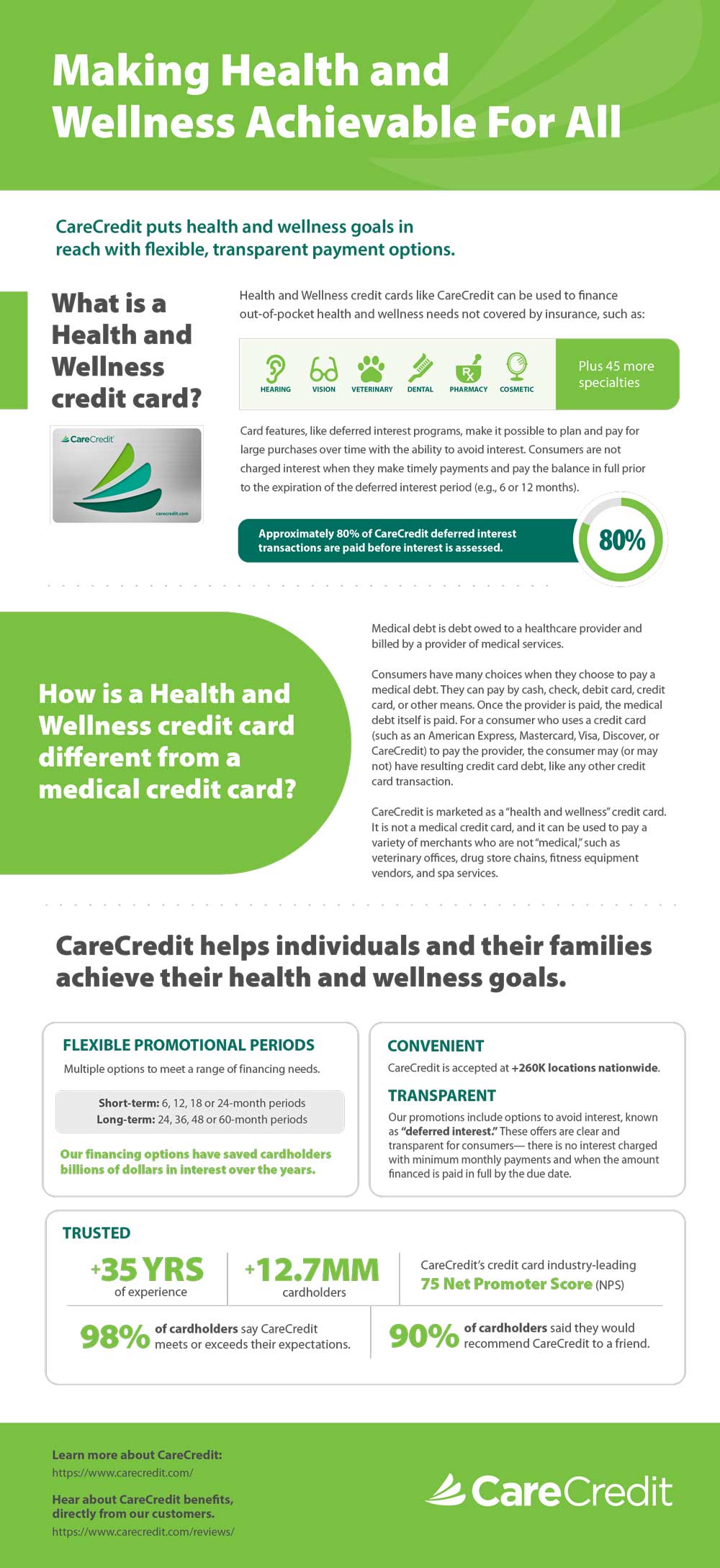
As mentioned earlier, the most significant drawback of CareCredit can be the high interest rates that apply once promotional periods conclude. If the balance is not paid in full within the specified time frame, the APR can jump significantly, often to rates comparable to or even higher than traditional credit cards. This is particularly problematic for longer-term financing where the balance might not be fully cleared before the promotional period ends. The retroactive application of interest can lead to a surprisingly large sum being added to the outstanding balance.
Impact on Credit Score
Like any credit product, responsible use of CareCredit can positively impact your credit score. However, late payments, missed payments, or high utilization of the credit limit can negatively affect your creditworthiness. It’s important to remember that CareCredit is a form of credit, and its management should be integrated into your overall credit management strategy. Opening multiple CareCredit accounts or applying frequently can also lead to hard inquiries on your credit report, which can temporarily lower your score.
Not a Substitute for Health Insurance
It is vital to understand that CareCredit is a financing tool, not a replacement for health insurance. While it can help cover out-of-pocket expenses, deductibles, and co-pays, it does not reduce the overall cost of healthcare services, nor does it provide coverage for medical necessity as insurance does. It is a method of payment, enabling individuals to pay for services that insurance may not fully cover or that are not covered at all.
Limited Use to Healthcare and Wellness
The specialized nature of CareCredit, while a strength in terms of provider network, also means it cannot be used for general purchases. This limits its flexibility compared to a traditional credit card. If you’re looking for a credit card for everyday spending or other non-healthcare related expenses, CareCredit would not be a suitable choice.
Alternatives to CareCredit and Strategic Financial Planning
When considering financing for healthcare expenses, it’s prudent to explore all available options and to integrate such decisions into a broader financial plan.
Traditional Credit Cards and Personal Loans
Traditional credit cards can be an option, especially if you have a card with a 0% introductory APR on purchases. These offers, if managed carefully, can provide interest-free financing for a set period. Personal loans from banks or credit unions may also offer competitive interest rates, particularly for individuals with good credit. The advantage of a personal loan is often a fixed repayment term and a predictable interest rate, which can make budgeting easier.
Health Savings Accounts (HSAs) and Flexible Spending Accounts (FSAs)
For individuals with high-deductible health plans, Health Savings Accounts (HSAs) offer a tax-advantaged way to save for medical expenses. Contributions are tax-deductible, the funds grow tax-free, and withdrawals for qualified medical expenses are also tax-free. Flexible Spending Accounts (FSAs), offered by employers, allow pre-tax dollars to be set aside for healthcare expenses, though they often have a “use-it-or-lose-it” policy at the end of the year. While these are not financing tools in the same sense as CareCredit, they represent valuable pre-saving strategies that can mitigate the need for borrowing.
Payment Plans Directly with Providers
Many healthcare providers offer their own in-house payment plans. These arrangements can sometimes be more flexible and may even be interest-free, especially for smaller balances or if negotiated directly. It’s always worth inquiring with your provider about their payment options before resorting to a third-party financing service.
The Importance of a Comprehensive Financial Plan
Ultimately, the decision to use CareCredit or any other financing option should be part of a well-thought-out financial plan. This involves understanding your budget, assessing your ability to repay, and prioritizing your spending. For healthcare expenses, it’s wise to build an emergency fund to cover unexpected costs, thus reducing reliance on credit. When considering CareCredit, it’s essential to calculate the total cost of the procedure, including potential interest charges if the promotional period is not met, and compare this with alternative financing methods.
Conclusion: A Tool for Accessibility, Not a Substitute for Prudence
CareCredit serves a valuable purpose in making healthcare and wellness services more accessible by providing a dedicated financing solution. Its promotional offers, particularly the “no-interest” periods, can be highly beneficial when utilized strategically and with a clear repayment plan. The wide network of participating providers further enhances its utility for a broad range of medical, dental, and cosmetic needs.
However, potential users must approach CareCredit with caution and a thorough understanding of its terms. The high interest rates that can apply after promotional periods, coupled with the retroactive interest charge, necessitate diligent financial management and a commitment to timely repayment. It is not a substitute for health insurance or a blanket solution for all healthcare costs.
By understanding how CareCredit works, weighing its benefits against its drawbacks, and considering it alongside other financial options and robust personal finance strategies, consumers can make informed decisions that support their health and financial well-being. When used responsibly, CareCredit can be a powerful tool to access necessary and desired care; when mismanaged, it can become a significant financial burden. The key lies in prudence, planning, and a commitment to financial discipline.
aViewFromTheCave is a participant in the Amazon Services LLC Associates Program, an affiliate advertising program designed to provide a means for sites to earn advertising fees by advertising and linking to Amazon.com. Amazon, the Amazon logo, AmazonSupply, and the AmazonSupply logo are trademarks of Amazon.com, Inc. or its affiliates. As an Amazon Associate we earn affiliate commissions from qualifying purchases.