
Cash App has rapidly become a ubiquitous tool for peer-to-peer payments, making it easier than ever to split bills, send gifts, or pay back friends. However, like any financial service, it operates within certain limits to ensure security and compliance. Understanding these limits is crucial for users to avoid transaction failures and to manage their funds effectively. This article will delve into the various sending and receiving limits on Cash App, explore the factors that influence these limits, and discuss how users can potentially increase them.
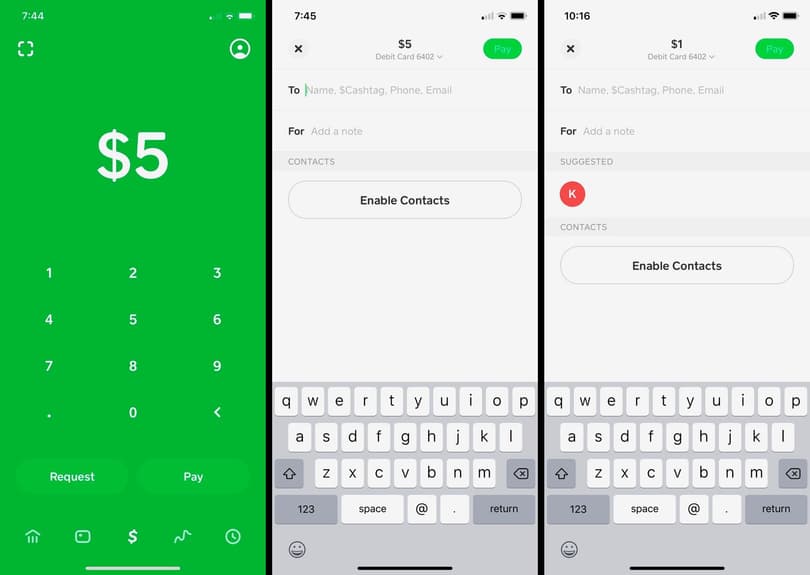
Understanding Cash App’s Sending and Receiving Limits
Cash App employs a tiered system for its transaction limits, which are designed to balance user convenience with fraud prevention and regulatory requirements. These limits are typically set on a daily, weekly, and monthly basis.
Daily Sending Limits
The standard daily sending limit on Cash App for unverified users is generally $200. This means that within a 24-hour period, you cannot send more than $200 to other Cash App users. This limit is a baseline to allow new users to test the service without significant risk. For verified users, this limit is considerably higher, often reaching $1,000 per day. Verification typically involves providing your full name, date of birth, and the last four digits of your Social Security number.
Weekly Sending Limits
Beyond the daily threshold, Cash App also imposes weekly sending limits. For unverified accounts, this limit is often set at $1,000 per week. Once again, verified users enjoy a significantly increased weekly limit, which can extend up to $7,500. It’s important to note that the weekly period is usually measured from Monday to Sunday, though this can vary slightly based on system updates.
Monthly Sending Limits
While daily and weekly limits are more frequently encountered, monthly sending limits are also in place, particularly for higher transaction volumes. The exact monthly limits can fluctuate based on Cash App’s policies and individual account standing. However, generally, verified accounts can send up to $17,500 per month. This higher limit is designed to accommodate more substantial transactions, such as large shared expenses or business-related payments.
Receiving Limits
While the focus is often on sending, Cash App also has limits on how much money you can receive. Unverified users typically have a limit of $1,000 per month that they can receive. Upon verification, this limit is substantially increased, allowing verified users to receive up to $17,500 per month. These receiving limits are in place to prevent the platform from being used for illicit activities and to maintain regulatory compliance.
Factors Influencing Cash App Transaction Limits
Several factors can influence the specific transaction limits an individual user encounters on Cash App. These are not static numbers and can be adjusted by Cash App based on various considerations.
Account Verification Status
As highlighted above, the most significant factor determining your transaction limits is whether your Cash App account is verified. Unverified accounts are subject to much lower limits to mitigate the risk of fraudulent activity. The verification process not only increases your sending and receiving capacity but also enhances the security of your account by confirming your identity. This process is a standard practice for most financial institutions to comply with “Know Your Customer” (KYC) regulations.

Account History and Activity
Cash App’s internal risk assessment algorithms also play a role in setting and adjusting transaction limits. Users with a long history of positive and legitimate transactions are more likely to be trusted with higher limits. Conversely, accounts with suspicious activity, frequent chargebacks, or interactions with flagged accounts might see their limits reduced or even suspended. This dynamic approach allows Cash App to adapt to the user’s behavior and maintain a secure ecosystem.
Payment Method
The method you use to fund your Cash App transactions can also indirectly influence your limits. For instance, if you are sending money directly from a linked bank account, the bank itself might have its own daily or weekly transfer limits, which would then affect how much you can send via Cash App. Similarly, if you are using a debit card, the card issuer’s limits will apply. While Cash App’s limits are distinct, they can be constrained by the underlying limits of the financial instruments linked to the account.
Cash App’s Internal Policies and Risk Assessment
Ultimately, Cash App has the discretion to set and modify transaction limits based on its own internal policies, risk assessment models, and regulatory obligations. These policies are subject to change without prior notice, though Cash App usually communicates significant changes through its app or website. It’s always a good practice to check the latest information directly within the Cash App application or on their official support pages.
Strategies to Increase Your Cash App Transaction Limits
If you find yourself hitting the sending or receiving limits on Cash App, there are several steps you can take to potentially increase them. These strategies focus on building trust with Cash App and providing the necessary information to verify your identity and activity.
Complete Account Verification
The most impactful step to increase your limits is to complete the full verification process for your Cash App account. This involves providing your Social Security number, full name, and date of birth. Once verified, your sending and receiving limits will significantly increase, allowing for much larger transactions. This is a straightforward process within the app and is highly recommended for anyone who plans to use Cash App regularly for more than basic payments.
Link a Bank Account and Use Cash App Debit Card
Linking a bank account to your Cash App allows for smoother and often higher-value transactions, as it establishes a more direct financial connection. Furthermore, obtaining and using the Cash App Debit Card (also known as the Cash Card) can sometimes lead to increased transaction capabilities. Using the Cash Card for purchases and receiving direct deposits can further solidify your account’s legitimacy in Cash App’s eyes, potentially leading to higher limits over time.
Maintain a Positive Account History
As mentioned earlier, Cash App monitors user activity. Consistently using Cash App for legitimate transactions, avoiding disputes or chargebacks, and maintaining a positive relationship with the platform can contribute to higher trust levels. This gradual process of building a reliable history is a subtle but effective way to demonstrate responsible usage, which Cash App’s algorithms may factor into limit increases.

Contact Cash App Support
In certain situations, if you have a legitimate need for higher transaction limits and have already completed all verification steps, you can try contacting Cash App support directly. They may be able to review your account on a case-by-case basis and potentially grant temporary or permanent limit increases, especially for users with specific financial needs or business purposes. However, this is not guaranteed and depends on Cash App’s assessment of your account and the circumstances.
By understanding the various limits and the factors that influence them, users can navigate Cash App with confidence and ensure their transactions are processed smoothly. Prioritizing account verification and maintaining good standing with the platform are key to unlocking higher transaction capabilities and making the most of this popular financial tool.
aViewFromTheCave is a participant in the Amazon Services LLC Associates Program, an affiliate advertising program designed to provide a means for sites to earn advertising fees by advertising and linking to Amazon.com. Amazon, the Amazon logo, AmazonSupply, and the AmazonSupply logo are trademarks of Amazon.com, Inc. or its affiliates. As an Amazon Associate we earn affiliate commissions from qualifying purchases.