
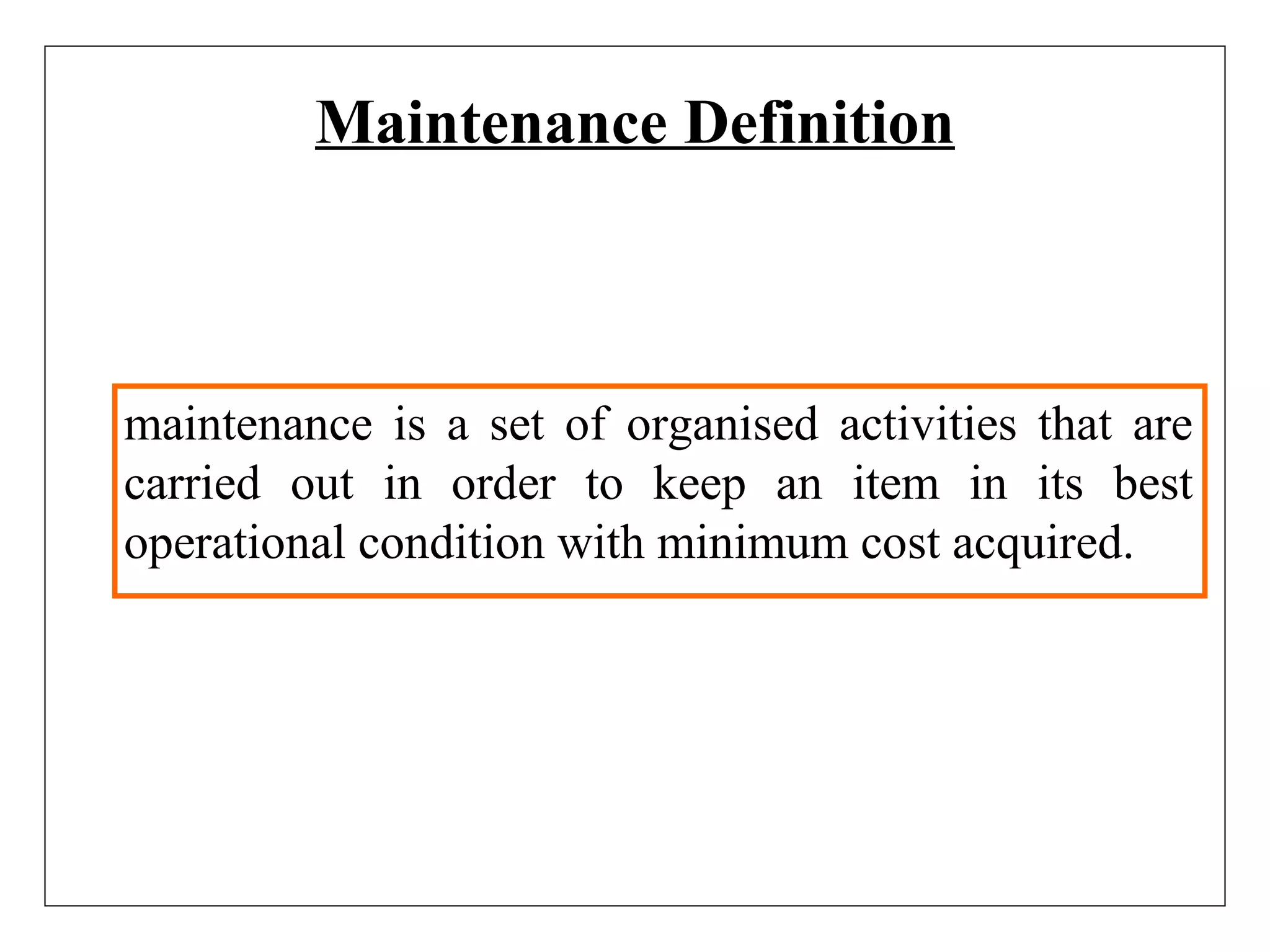
In the realm of technology, “maintenance” is far more than just a buzzword; it’s the bedrock upon which reliable, secure, and performant digital systems are built and sustained. It’s the proactive, ongoing effort to ensure that software, hardware, and entire IT infrastructures function optimally, adapt to evolving needs, and remain resilient against threats. Neglecting maintenance is akin to neglecting the foundations of a skyscraper – the eventual structural failures, costly repairs, and potential collapse are not a matter of if, but when.
This comprehensive approach to keeping technology in peak condition is multifaceted, encompassing a spectrum of activities designed to prevent problems, fix issues swiftly, and enhance the overall user and business experience. From the smallest mobile app to the most complex enterprise server farm, maintenance is the unsung hero that allows technology to deliver on its promise of efficiency, innovation, and connectivity. Understanding its true meaning and scope is crucial for individuals, developers, and organizations alike to harness the full potential of their digital assets and avoid the pitfalls of technological decay.
The Pillars of Technological Maintenance
Technological maintenance can be broadly categorized into several core pillars, each addressing a distinct but interconnected aspect of ensuring system health. These pillars work in concert to create a robust framework for managing and optimizing technology.
Proactive Prevention: The Art of Staying Ahead
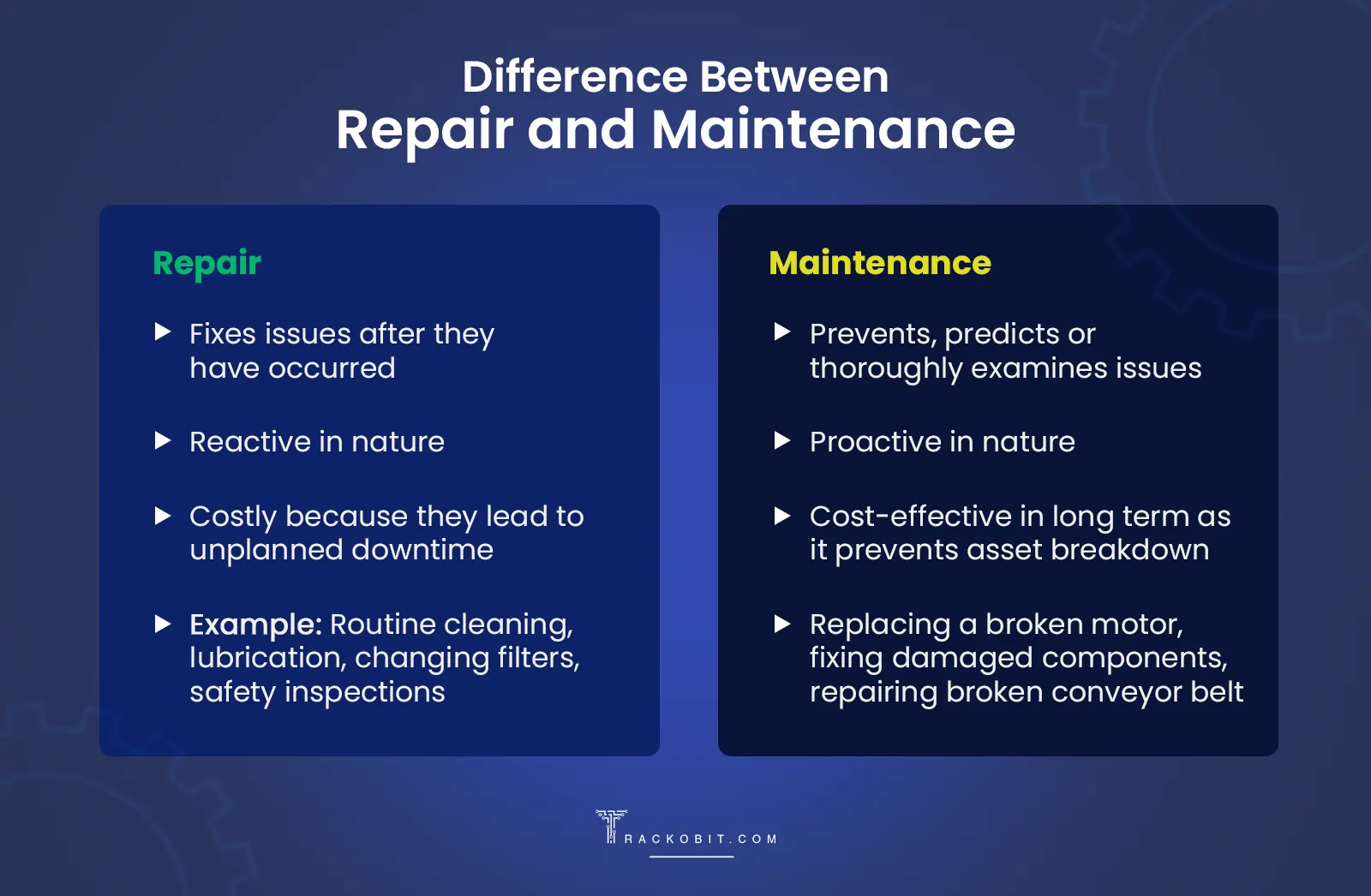
The most effective form of maintenance is preventative. This involves a suite of strategies and practices aimed at identifying and mitigating potential issues before they manifest as actual problems, thereby minimizing downtime, data loss, and security breaches.
Regular Updates and Patch Management
Software, by its very nature, is dynamic. New features are added, bugs are discovered, and security vulnerabilities are exposed with alarming regularity. Patch management is the systematic process of identifying, acquiring, testing, deploying, and verifying software updates and patches. This isn’t just about closing security holes; it’s also about performance enhancements, compatibility improvements, and the introduction of new functionalities that can drive business value. Neglecting updates leaves systems exposed to known exploits, making them prime targets for cyberattacks. Think of it as regularly changing the locks on your house to ensure outdated keys no longer grant access.
System Monitoring and Performance Tuning
Continuous monitoring of system performance is essential for early detection of anomalies. This involves tracking key metrics such as CPU usage, memory consumption, disk I/O, network traffic, and application response times. By establishing baseline performance levels, IT teams can quickly identify deviations that might indicate an impending hardware failure, a resource bottleneck, or a poorly optimized application. Performance tuning, then, is the process of adjusting system parameters, reconfiguring software, or optimizing code to bring performance back within acceptable ranges and improve overall efficiency. This proactive approach ensures that systems don’t just function, but function at their best, leading to better user experiences and reduced operational costs.
Data Backup and Disaster Recovery Planning
While not always explicitly labeled “maintenance,” regular and verified data backups are a critical component of technological upkeep. In the event of hardware failure, cyberattack, or natural disaster, a robust backup strategy is the first line of defense against catastrophic data loss. Beyond just backups, a comprehensive disaster recovery (DR) plan outlines the procedures and infrastructure needed to restore IT operations quickly and efficiently following an unforeseen event. This includes defining recovery point objectives (RPO) and recovery time objectives (RTO), ensuring business continuity and minimizing the financial and reputational impact of downtime.
Reactive Remediation: Swift and Effective Problem Solving
Despite the best preventative measures, issues can and do arise. Reactive maintenance focuses on the rapid identification and resolution of problems once they occur. The goal here is to minimize the impact of an incident, restore functionality as quickly as possible, and prevent recurrence.
Troubleshooting and Debugging
When a system or application malfunctions, the process of troubleshooting and debugging begins. This involves a systematic investigation to pinpoint the root cause of the problem. Troubleshooting requires a combination of technical expertise, logical deduction, and the use of diagnostic tools. Debugging, specifically in the context of software, involves identifying and removing errors (bugs) in the code. Efficient troubleshooting and debugging are paramount for reducing downtime and maintaining user satisfaction. A swift resolution can prevent a minor glitch from escalating into a major crisis.
Bug Fixing and Hotfixes
Once a bug is identified, the process of fixing it is initiated. This might involve code modifications, configuration changes, or even hardware replacement. For critical issues that require immediate attention, “hotfixes” are often deployed. These are urgent patches designed to address a specific problem quickly without undergoing the full testing cycle typically associated with regular updates. While hotfixes offer rapid relief, they are often temporary solutions that are later incorporated into more comprehensive updates.
Hardware Replacement and Repair
Physical components of technology are subject to wear and tear, and can fail unexpectedly. Hardware maintenance includes the regular inspection, testing, and, when necessary, repair or replacement of faulty components like hard drives, RAM, power supplies, or network interface cards. Proactive replacement of aging hardware, based on its expected lifespan, can prevent sudden failures and ensure continued operational reliability.
Evolutionary Enhancement: Adapting and Improving
Maintenance isn’t just about keeping things running; it’s also about ensuring that technology remains relevant, efficient, and capable of meeting evolving demands. This involves a forward-looking perspective that anticipates future needs and integrates improvements.
Performance Optimization and Refactoring
Over time, software can become bloated, inefficient, and difficult to maintain. Performance optimization involves analyzing and improving the speed, responsiveness, and resource utilization of systems and applications. This can involve algorithmic improvements, database tuning, or caching strategies. Refactoring, on the other hand, is the process of restructuring existing computer code without changing its external behavior. The goal is to improve code readability, reduce complexity, and make it easier to add new features or fix bugs in the future. This is akin to renovating a house to make it more functional and modern without changing its outward appearance.
Security Hardening and Vulnerability Assessment
In the ever-evolving landscape of cyber threats, security maintenance is a continuous process. Security hardening involves implementing measures to protect systems and data from unauthorized access, use, disclosure, disruption, modification, or destruction. This includes configuring firewalls, implementing strong access controls, encrypting sensitive data, and conducting regular vulnerability assessments. Vulnerability assessment is the practice of systematically identifying weaknesses in systems and applications that could be exploited by attackers. Regular assessments, followed by remediation efforts, are crucial for staying ahead of emerging threats.
Feature Updates and Platform Upgrades
As user needs and technological capabilities advance, software and platforms often require updates that introduce new features or significant architectural changes. Planning for and executing these updates is a form of evolutionary maintenance. This could involve upgrading to a new version of an operating system, migrating to a cloud platform, or implementing a major overhaul of an application’s user interface. These upgrades, while requiring careful planning and execution, are essential for staying competitive and providing users with the best possible experience.
The Impact of Effective Tech Maintenance
The benefits of a robust and well-executed maintenance strategy are profound and far-reaching, impacting operational efficiency, financial health, and strategic advantage.
Enhanced Reliability and Uptime
The most immediate and tangible benefit of consistent maintenance is increased reliability and uptime. By proactively addressing potential issues and swiftly resolving actual problems, organizations can significantly reduce unexpected downtime. This translates directly into uninterrupted business operations, consistent service delivery, and improved customer satisfaction. For businesses that rely heavily on technology, even short periods of downtime can result in substantial financial losses and reputational damage.
Improved Performance and Efficiency
Well-maintained systems operate at their optimal capacity. Regular performance tuning and optimization ensure that applications run faster, processes are more streamlined, and resources are utilized efficiently. This not only enhances the user experience but also leads to cost savings by reducing the need for over-provisioned hardware and minimizing wasted computational power. Efficient systems allow employees to be more productive, as they spend less time waiting for slow applications or dealing with technical glitches.
Strengthened Security Posture
In an era where cyber threats are constantly evolving, maintaining a strong security posture is non-negotiable. Regular updates, patch management, and vulnerability assessments are fundamental to protecting sensitive data and critical infrastructure from malicious actors. A proactive approach to security maintenance significantly reduces the risk of data breaches, ransomware attacks, and other costly security incidents, safeguarding both the organization’s assets and its reputation.
Extended Lifespan of Technology Assets
Investing in regular maintenance can significantly extend the useful life of hardware and software. By addressing wear and tear, optimizing performance, and ensuring compatibility, organizations can delay costly replacement cycles. This not only represents a direct cost saving but also allows for more strategic planning of technology investments, aligning upgrades with business objectives rather than reacting to inevitable failures.
Cost Reduction Through Preventative Measures
While maintenance requires an investment of time and resources, it is invariably more cost-effective than the alternative: dealing with major failures. The cost of repairing a catastrophic system failure, recovering from a data breach, or dealing with extended downtime far outweighs the ongoing expenses of a well-managed maintenance program. Maintenance shifts IT spending from reactive, emergency fixes to planned, preventative investments.
The Lifecycle of Maintenance: From Planning to Evolution
Understanding maintenance also requires appreciating its dynamic nature, which spans a continuous lifecycle from initial planning to ongoing evolution.
Initial Planning and Strategy
The foundation of effective maintenance lies in a well-defined strategy. This involves assessing current systems, identifying potential risks, and establishing clear objectives for uptime, performance, and security. A robust maintenance plan will outline the specific activities to be performed, the frequency of those activities, the resources required, and the metrics that will be used to measure success. This initial phase sets the stage for all subsequent maintenance efforts.
Implementation and Execution
This is where the rubber meets the road. The maintenance plan is put into action through the execution of scheduled tasks, such as applying patches, performing backups, running diagnostic checks, and conducting security audits. This phase requires skilled personnel, appropriate tools, and disciplined processes to ensure that all activities are carried out effectively and efficiently. Automation plays a crucial role here, streamlining repetitive tasks and reducing the potential for human error.
Monitoring and Reporting
Continuous monitoring is integral to both preventative and reactive maintenance. Systems are constantly observed for performance anomalies, security threats, and error logs. The data gathered from monitoring provides valuable insights into system health and identifies areas that require attention. Regular reporting of these metrics to stakeholders ensures transparency and facilitates informed decision-making regarding resource allocation and future planning.
Review and Continuous Improvement
Maintenance is not a static process. The technology landscape, user demands, and threat vectors are constantly changing. Therefore, a critical aspect of the maintenance lifecycle is regular review and continuous improvement. This involves analyzing the effectiveness of current maintenance practices, identifying areas for enhancement, and adapting the strategy to incorporate new technologies, emerging threats, and evolving business requirements. This iterative process ensures that the maintenance program remains relevant and effective over time.
Conclusion: The Indispensable Role of Technological Maintenance
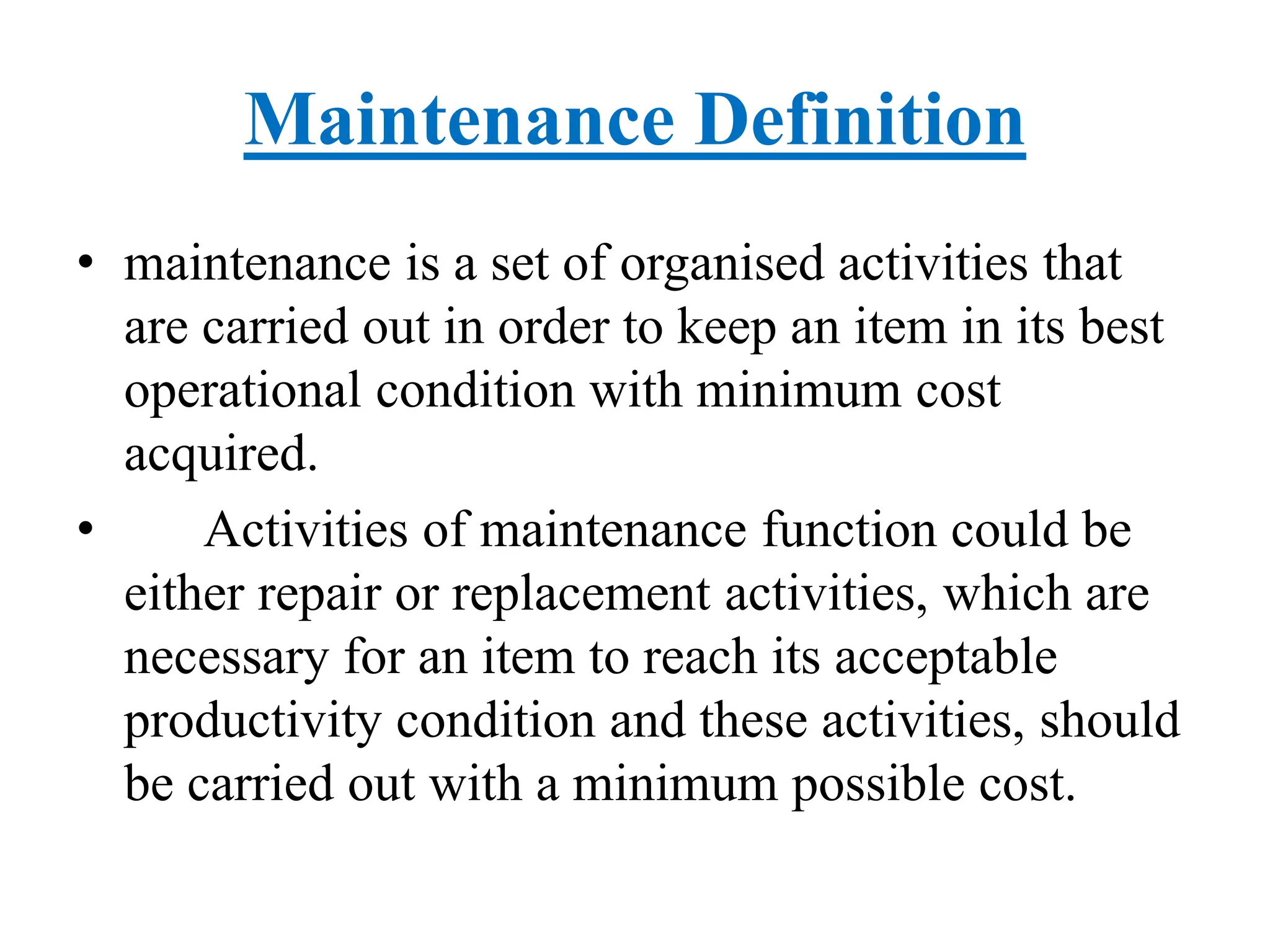
In essence, “maintenance” in the context of technology is the ongoing commitment to ensuring the health, security, and optimal performance of digital systems. It is a proactive, systematic, and evolutionary process that encompasses a wide range of activities, from regular updates and monitoring to swift problem resolution and strategic upgrades. Far from being a mere operational overhead, effective technological maintenance is a strategic imperative. It is the invisible force that powers innovation, protects valuable assets, and enables businesses and individuals to thrive in an increasingly digital world. To neglect maintenance is to invite instability, compromise security, and ultimately, hinder progress. Embracing a culture of diligent and intelligent maintenance is therefore not an option, but a necessity for anyone relying on technology to achieve their goals.
aViewFromTheCave is a participant in the Amazon Services LLC Associates Program, an affiliate advertising program designed to provide a means for sites to earn advertising fees by advertising and linking to Amazon.com. Amazon, the Amazon logo, AmazonSupply, and the AmazonSupply logo are trademarks of Amazon.com, Inc. or its affiliates. As an Amazon Associate we earn affiliate commissions from qualifying purchases.