
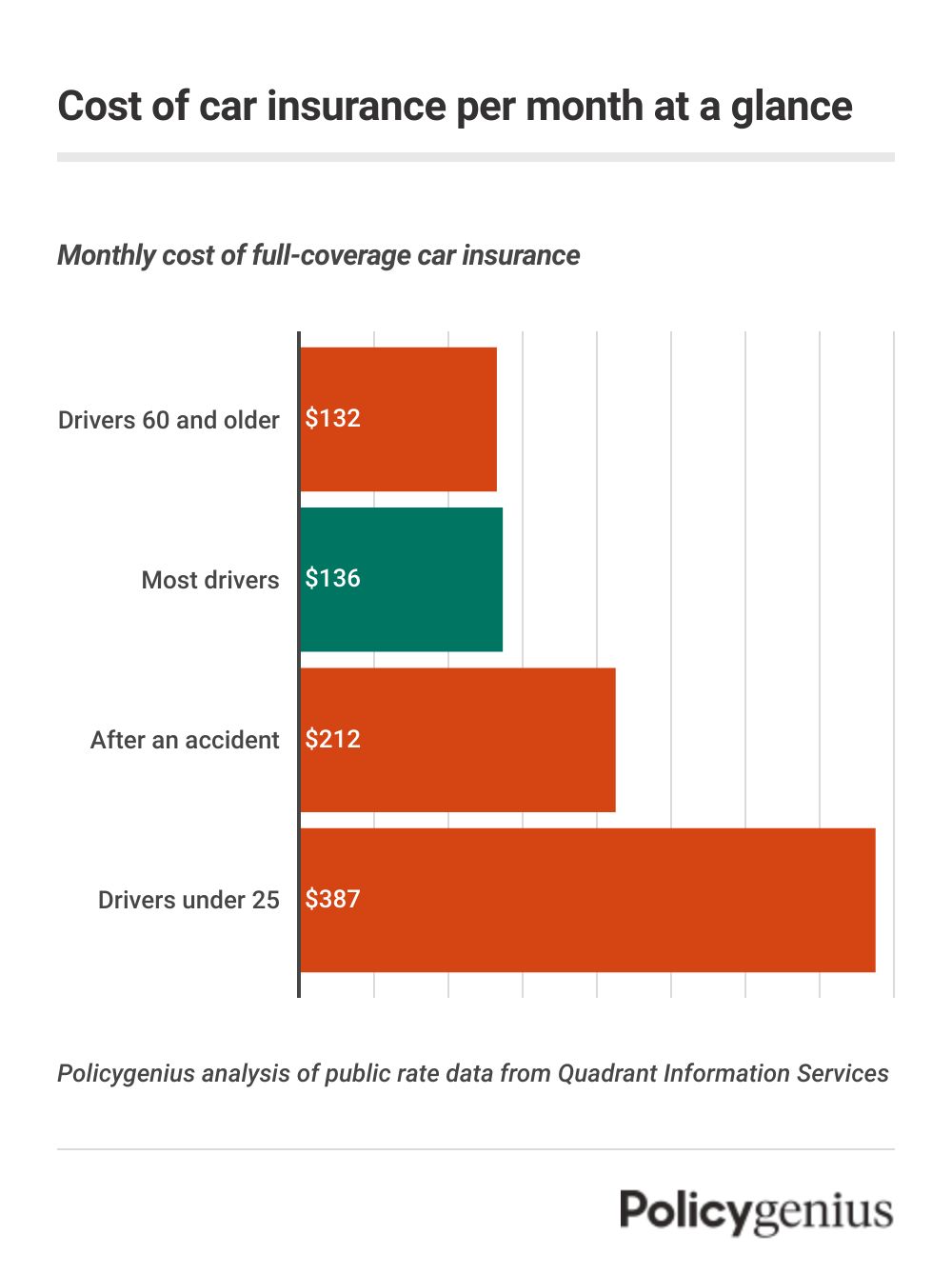
Car insurance is a necessary expense for most drivers, but understanding its monthly cost can feel like deciphering a cryptic code. It’s not a one-size-fits-all figure; rather, it’s a dynamic sum influenced by a complex interplay of personal factors, vehicle specifics, and broader market forces. For many, the question of “how much a month is car insurance?” is a constant point of financial consideration, impacting budgets and driving habits. This article delves deep into the multifaceted world of car insurance pricing, aiming to demystify the factors that contribute to your monthly premium and, crucially, empower you with knowledge to potentially lower it.
Understanding the Core Determinants of Your Premium
The monthly cost of car insurance is not arbitrary. Insurers meticulously assess risk, and your premium is a direct reflection of how they perceive your likelihood of filing a claim. This assessment is built upon a foundation of several key categories, each carrying significant weight.
Your Personal Profile: The Driver’s Risk Assessment
At the heart of every insurance premium is you, the driver. Your personal characteristics are the primary lens through which insurers evaluate risk.
Driving Record and History
This is arguably the most significant factor. A clean driving record, devoid of accidents, speeding tickets, or other violations, signals to insurers that you are a responsible driver, less likely to incur costs for them. Conversely, a history of claims or infractions will almost invariably lead to higher premiums. Insurers often look back several years (typically 3-5) to assess your driving history. The severity and recency of violations also play a role; a recent DUI will have a far greater impact than a minor speeding ticket from five years ago.
Age and Experience
Younger drivers, particularly those under 25, statistically face higher premiums. This is due to a higher incidence of accidents and risk-taking behavior associated with this demographic. As drivers gain more experience and reach their late 20s and beyond, premiums tend to decrease, reflecting a perceived lower risk. Senior drivers, while sometimes benefiting from lower rates, may see increases again as they age due to potential declines in reaction time or vision.
Gender
While often a point of contention, statistics have historically shown that men, particularly younger men, tend to have higher accident rates than women. Consequently, some insurance companies may charge men slightly higher premiums, although this difference is becoming less pronounced in many regions due to evolving actuarial data and regulations.
Marital Status
Married individuals often receive slightly lower insurance rates compared to single individuals. Insurers theorize that married drivers tend to be more responsible and less likely to engage in risky behaviors.
Location and Where You Park
The ZIP code in which you live is a critical factor. Areas with higher rates of car theft, vandalism, or traffic accidents will naturally have higher insurance costs. Insurers also consider the density of traffic and the likelihood of claims in your specific neighborhood. Furthermore, where you park your car also matters. Parking in a secure, locked garage or driveway is generally viewed as safer than parking on a busy street, which increases the risk of theft or damage.
Credit Score
In many U.S. states, credit history is a significant factor in determining car insurance premiums. Insurers have found a correlation between good credit scores and lower rates of claims. This is based on the assumption that individuals who manage their finances well are also more likely to be responsible in other areas of their lives, including driving. However, it’s important to note that some states prohibit or restrict the use of credit scores for this purpose.
Your Vehicle: The Asset Being Insured
The car itself is another major component in the pricing equation. The type of vehicle you drive, its value, and its safety features all influence your premium.
Make, Model, and Year
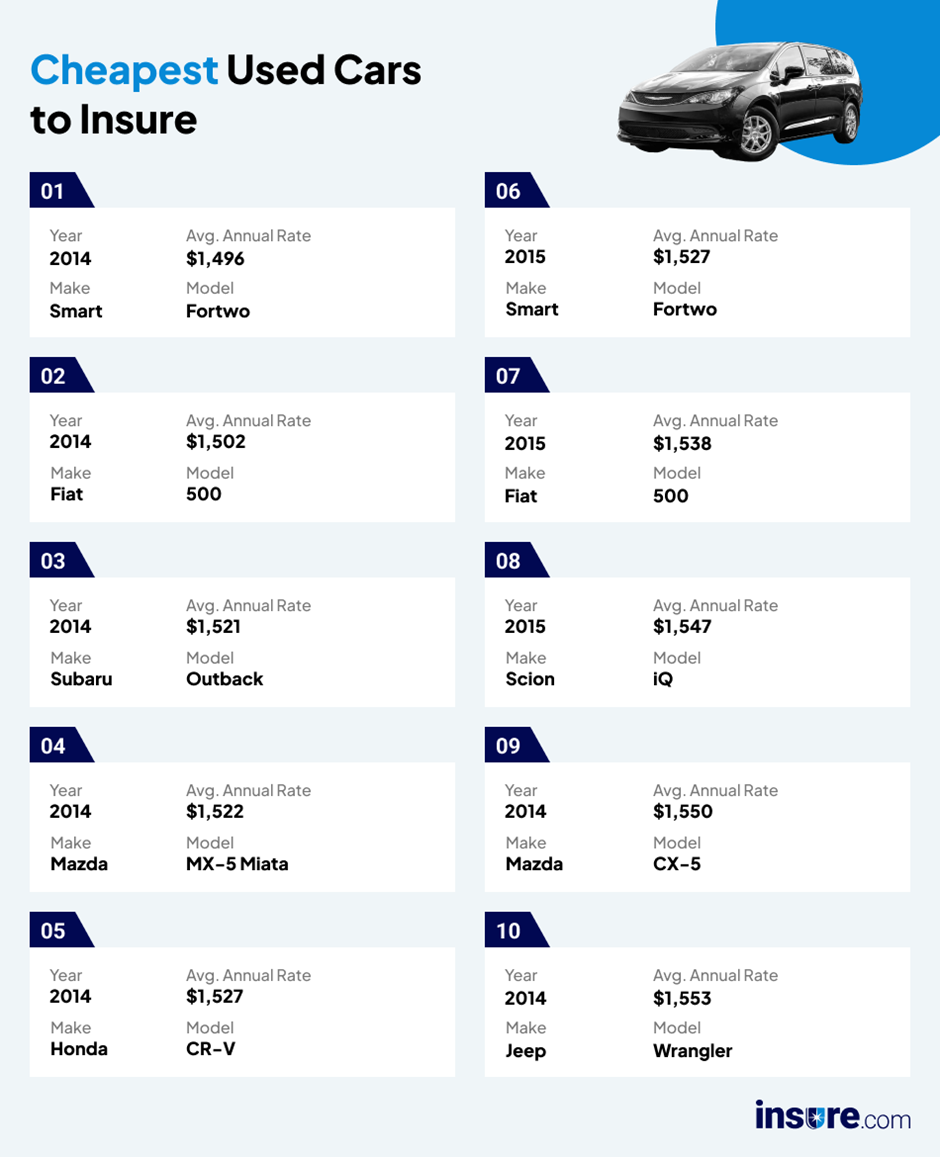
Luxury, sports, and high-performance vehicles typically come with higher insurance costs. This is due to several reasons: they are more expensive to repair or replace, they are often targets for theft, and their powerful engines can encourage more aggressive driving. Conversely, older, less expensive, and more common models generally have lower insurance premiums.
Safety Features and Anti-Theft Devices
Cars equipped with advanced safety features such as anti-lock brakes, airbags, electronic stability control, and rearview cameras can lead to lower premiums. These features help reduce the likelihood or severity of accidents. Similarly, the presence of anti-theft devices like car alarms or tracking systems can also result in discounts, as they deter theft.
Engine Size and Performance
Vehicles with larger, more powerful engines are often associated with higher risks, as they can facilitate faster speeds and more aggressive driving. This can translate to higher insurance premiums compared to vehicles with smaller, more fuel-efficient engines.
Vehicle Value and Repair Costs
The overall value of your car directly impacts collision and comprehensive insurance costs. A more expensive car will cost more to repair or replace after an accident or theft, leading to higher premiums. Similarly, cars that are known to be expensive or difficult to repair will also incur higher insurance rates.
Understanding Coverage Options and Their Impact
Beyond the inherent risks associated with you and your vehicle, the type and level of coverage you choose will fundamentally shape your monthly bill.
Liability Coverage: Protecting Others and Your Finances
Liability coverage is mandatory in most places and protects you financially if you cause an accident that injures others or damages their property.
Bodily Injury Liability (BIL)
This coverage pays for the medical expenses, lost wages, and pain and suffering of individuals injured in an accident for which you are at fault. Higher limits of BIL will increase your premium but offer greater protection.
Property Damage Liability (PDL)
This coverage pays for damage to another person’s property, such as their vehicle, fence, or building, if you are responsible for the accident. Similar to BIL, higher PDL limits mean higher premiums but more comprehensive financial security.
Collision and Comprehensive Coverage: Protecting Your Vehicle
These coverages are optional in many states but are crucial for protecting your own vehicle.
Collision Coverage
This pays for damage to your car resulting from a collision with another vehicle or object (like a tree or guardrail), regardless of who is at fault. The cost of collision coverage is influenced by the value of your car and your chosen deductible.
Comprehensive Coverage
This covers damage to your car from events other than collisions, such as theft, vandalism, fire, natural disasters (hail, floods), and falling objects. Like collision coverage, it is also affected by your car’s value and your deductible.
Additional Coverages and Endorsements
Beyond the core coverages, various add-ons can further personalize your policy and impact its cost.
Uninsured/Underinsured Motorist (UM/UIM) Coverage
This coverage protects you if you are involved in an accident with a driver who has no insurance or insufficient insurance to cover your damages. It’s a vital layer of protection that can significantly mitigate your financial losses in such scenarios.
Medical Payments (MedPay) or Personal Injury Protection (PIP)
These coverages help pay for medical expenses for you and your passengers, regardless of who is at fault for the accident. PIP, often called “no-fault” insurance, can also cover lost wages and other related expenses. The extent of this coverage will influence your premium.
Rental Reimbursement
This optional coverage helps pay for a rental car if your vehicle is being repaired due to a covered claim. While it adds to your monthly cost, it provides significant convenience during the repair process.
Gap Insurance
This is particularly relevant for those financing or leasing a new car. If your car is totaled, gap insurance covers the difference between what you owe on your loan or lease and the actual cash value of your car, which is often less.
Deductibles
Your deductible is the amount you agree to pay out-of-pocket before your insurance coverage kicks in for a claim. Choosing a higher deductible (e.g., $1000 instead of $500) will generally lower your monthly premium, as you are taking on more of the initial financial risk. Conversely, a lower deductible will result in a higher monthly premium.
Strategies to Potentially Lower Your Monthly Car Insurance Bill
Understanding the factors that influence your premium is the first step. The next is actively implementing strategies to reduce your costs without compromising essential protection.
Maximizing Discounts and Bargaining Power
Insurance companies offer a wide array of discounts that can significantly reduce your premium. Diligently exploring and applying for all eligible discounts is a cornerstone of cost-effective car insurance.
Multi-Policy Discounts
Bundling your car insurance with other policies from the same insurer, such as homeowners, renters, or life insurance, can often lead to substantial savings. Insurers appreciate the loyalty and reduced administrative overhead associated with having multiple policies from a single customer.
Safe Driver Discounts
Many insurers offer discounts for maintaining a clean driving record, completing defensive driving courses, or being a long-term customer with good payment history. These discounts reward responsible driving behavior and loyalty.
Good Student Discounts
For young drivers (typically high school or college students), a strong academic record can qualify for a good student discount. This acknowledges that students who perform well academically may also be more responsible and focused in other aspects of their lives, including driving.
Vehicle Safety Discounts
As mentioned earlier, cars equipped with advanced safety features or anti-theft devices often qualify for specific discounts. Ensure your insurer is aware of all such features present in your vehicle.
Low Mileage Discounts
If you drive significantly less than the average driver, you might be eligible for a low mileage discount. Some insurers offer telematics programs where they track your driving habits (mileage, speed, braking) via an app or device, rewarding safe and minimal driving with lower rates.
Payment Method Discounts
Paying your premium in full upfront or setting up automatic payments from your bank account can sometimes earn you a small discount.
Smart Shopping and Policy Optimization
The insurance market is competitive, and your current provider might not be offering you the best deal. Active shopping and informed policy adjustments are crucial.
Comparing Quotes Regularly
It’s imperative to shop around and compare quotes from multiple insurance companies at least once a year, and especially before your policy renews. Prices can fluctuate significantly between insurers for the exact same coverage. Don’t be afraid to switch providers if you find a better rate.
Adjusting Coverage Levels and Deductibles
Periodically review your coverage needs. As your car ages and depreciates, you might consider dropping collision and comprehensive coverage, as the cost of these coverages might eventually outweigh the car’s actual cash value. Conversely, if your financial situation has improved, you might consider increasing your deductibles to lower your monthly premium.
Telematics and Usage-Based Insurance
Consider telematics programs or usage-based insurance (UBI). These programs use technology to monitor your driving habits. If you’re a safe driver with low mileage, you could see significant savings. However, be aware that these programs can also penalize risky driving behavior.
Considering Higher Deductibles
As previously discussed, a willingness to pay more out-of-pocket in the event of a claim by choosing a higher deductible can directly reduce your monthly premium. Carefully assess your financial comfort level with this approach.

Exploring Different Types of Insurance Providers
Beyond the large national carriers, consider working with independent insurance agents who can shop policies from a variety of companies, including smaller regional insurers, which might offer more competitive rates for your specific needs.
In conclusion, the monthly cost of car insurance is a complex equation with numerous variables. By understanding the core determinants of your premium – your personal profile, your vehicle, and your chosen coverage – you are empowered to take control. Actively seeking out discounts, comparing quotes diligently, and making informed decisions about your coverage and deductibles are not just financial maneuvers; they are essential strategies for securing the right protection at the most affordable price. Regularly reviewing your policy and staying informed about market changes will ensure your car insurance remains an efficient and effective part of your overall financial plan.
aViewFromTheCave is a participant in the Amazon Services LLC Associates Program, an affiliate advertising program designed to provide a means for sites to earn advertising fees by advertising and linking to Amazon.com. Amazon, the Amazon logo, AmazonSupply, and the AmazonSupply logo are trademarks of Amazon.com, Inc. or its affiliates. As an Amazon Associate we earn affiliate commissions from qualifying purchases.