
The Affordable Care Act (ACA), commonly known as Obamacare, has fundamentally reshaped the landscape of health insurance in the United States. Its core mission is to expand access to affordable health coverage, ensuring that more Americans can receive the medical care they need without facing prohibitive costs. Understanding who qualifies for Obamacare is the first crucial step in navigating this complex system and securing vital health insurance. While the law aims for broad accessibility, specific eligibility criteria determine who can enroll and what financial assistance they might receive.
Understanding the Core Eligibility Requirements
At its heart, Obamacare is designed to be inclusive, but eligibility hinges on several key factors. These include your income, household size, and whether you are eligible for other forms of coverage. It’s not a one-size-fits-all program, and navigating these initial requirements is essential to determine your potential access to subsidized plans or Medicaid expansion.

Citizenship and Residency Status
A fundamental requirement for qualifying for Obamacare is having a valid immigration status. This typically includes U.S. citizens, U.S. nationals, and individuals with “qualified” non-citizen immigration status. The latter category encompasses a broad range of individuals legally residing in the U.S., such as lawful permanent residents (green card holders), refugees, asylum seekers, and individuals granted temporary protected status, among others.
It’s important to note that not all non-citizen statuses qualify. Certain visa holders or those in the U.S. without authorization may not be eligible for coverage through the Health Insurance Marketplace or for Medicaid. The specific documentation required will depend on your immigration status, and it’s advisable to have your immigration documents readily available when applying.
Income Thresholds and the Premium Tax Credit
Perhaps the most significant factor in determining eligibility for financial assistance under Obamacare is your household income. The ACA utilizes a sliding scale based on the Federal Poverty Level (FPL) to determine eligibility for premium tax credits (subsidies). These tax credits are designed to lower your monthly health insurance premiums, making coverage more affordable.
Generally, individuals and families with incomes between 100% and 400% of the FPL are eligible for premium tax credits. The exact dollar amounts for these FPL percentages are updated annually by the U.S. Department of Health and Human Services. For example, if you fall within this income range, your monthly premium will be reduced, and you will only pay a portion of the total cost, with the government covering the rest through the tax credit.
For those with incomes below 100% of the FPL, eligibility for subsidies through the Marketplace is generally not available. However, many of these individuals may qualify for Medicaid, especially in states that have expanded their Medicaid programs. The interplay between income and Medicaid eligibility is a critical distinction to understand.
Household Size and Composition
Your household size plays a crucial role in determining your eligibility for Obamacare and the amount of financial assistance you may receive. When applying for coverage, you’ll need to report all individuals who will be covered under the plan and who file taxes jointly or are claimed as dependents.
The FPL percentages are calculated based on the number of people in your household. A larger household will have a higher FPL threshold for a given percentage. This means that a family of four with an income of $60,000 might qualify for subsidies, whereas a single individual with the same income might not. Accurately reporting your household size is therefore paramount for correct eligibility calculations.
Navigating Medicaid Expansion and Other Coverage Options
Beyond the Health Insurance Marketplace and its subsidies, Obamacare also facilitated the expansion of Medicaid, significantly broadening coverage for low-income individuals and families. Understanding if you qualify for Medicaid is another critical pathway to obtaining health insurance.
Medicaid Eligibility in Expansion vs. Non-Expansion States
The ACA allowed states to expand their Medicaid programs to cover all adults with incomes up to 138% of the FPL. States that have adopted this expansion have significantly increased the number of residents eligible for free or low-cost health coverage. If you reside in an expansion state and your income falls within this range, you are likely eligible for Medicaid.

In states that have not expanded Medicaid, the eligibility criteria for adults can be much stricter. Typically, eligibility in non-expansion states is limited to specific groups such as pregnant women, individuals with disabilities, and parents with very low incomes. If you live in a non-expansion state and your income is above the stringent eligibility limits for traditional Medicaid, but below 400% of the FPL, you may still be eligible for premium tax credits to purchase a plan through the Health Insurance Marketplace.
Eligibility for Children’s Health Insurance Program (CHIP)
For families with children whose incomes are too high for Medicaid but who may still struggle to afford private insurance, the Children’s Health Insurance Program (CHIP) provides another avenue for coverage. CHIP is designed to offer low-cost health coverage to children in families who earn too much to qualify for Medicaid but cannot afford to buy private insurance.
CHIP eligibility varies by state but generally covers children up to age 19. Like Medicaid, it often has income limits, which are set at a higher percentage of the FPL than Medicaid. Many states also offer CHIP coverage to pregnant women. Combining CHIP with Medicaid or Marketplace plans can create a comprehensive coverage solution for families.
Special Enrollment Periods and Life Events
While the primary enrollment period for Obamacare typically occurs once a year, individuals may qualify for a Special Enrollment Period (SEP) if they experience certain qualifying life events. These events can occur outside of the standard open enrollment window and allow individuals to enroll in or change their health insurance plan.
Common qualifying life events include losing other health coverage (such as through job loss), getting married, having a baby, adopting a child, moving to a new area, or experiencing a significant change in income that affects your eligibility for subsidies. You generally have 60 days from the date of the qualifying life event to enroll in a new plan. Missing this window may mean you have to wait until the next open enrollment period to get coverage.
Employer-Sponsored Insurance and Marketplace Eligibility
A crucial aspect of Obamacare eligibility revolves around whether you have access to affordable health coverage through an employer. The ACA aims to ensure that individuals who lack such coverage can obtain it, but the rules around employer-sponsored insurance can affect your eligibility for Marketplace subsidies.
The “Affordability” and “Minimum Value” Tests for Employer Coverage
The ACA establishes specific guidelines for what constitutes “affordable” and “minimum value” employer-sponsored health coverage. If your employer offers health insurance that meets these criteria, and the cost of your individual premium contribution is less than a certain percentage of your household income (the affordability threshold, which changes annually), then you generally will not qualify for premium tax credits on the Health Insurance Marketplace.
Similarly, coverage is considered to have “minimum value” if the plan covers at least 60% of the total allowed cost of benefits expected to be incurred by the plan. If your employer’s plan fails to meet either the affordability or minimum value test, you may still be eligible for premium tax credits on the Marketplace, even if the employer offers coverage. It is important to carefully review the information provided by your employer regarding their health insurance plan to determine its affordability and value.
Determining Your Need for Marketplace Coverage
If your employer offers health insurance, but you believe it does not meet the affordability or minimum value standards, or if you choose not to enroll in it, you may still be eligible to purchase a plan through the Health Insurance Marketplace and potentially receive financial assistance. However, if your employer does offer qualifying coverage, and you do not enroll in it, you may be subject to the individual mandate penalty (if applicable in your state), and you will not be eligible for premium tax credits.
The decision of whether to accept employer-sponsored insurance or seek coverage through the Marketplace is a significant one. It’s essential to compare the costs, benefits, and network of your employer’s plan against the options available on the Marketplace, taking into account any potential subsidies you might qualify for.
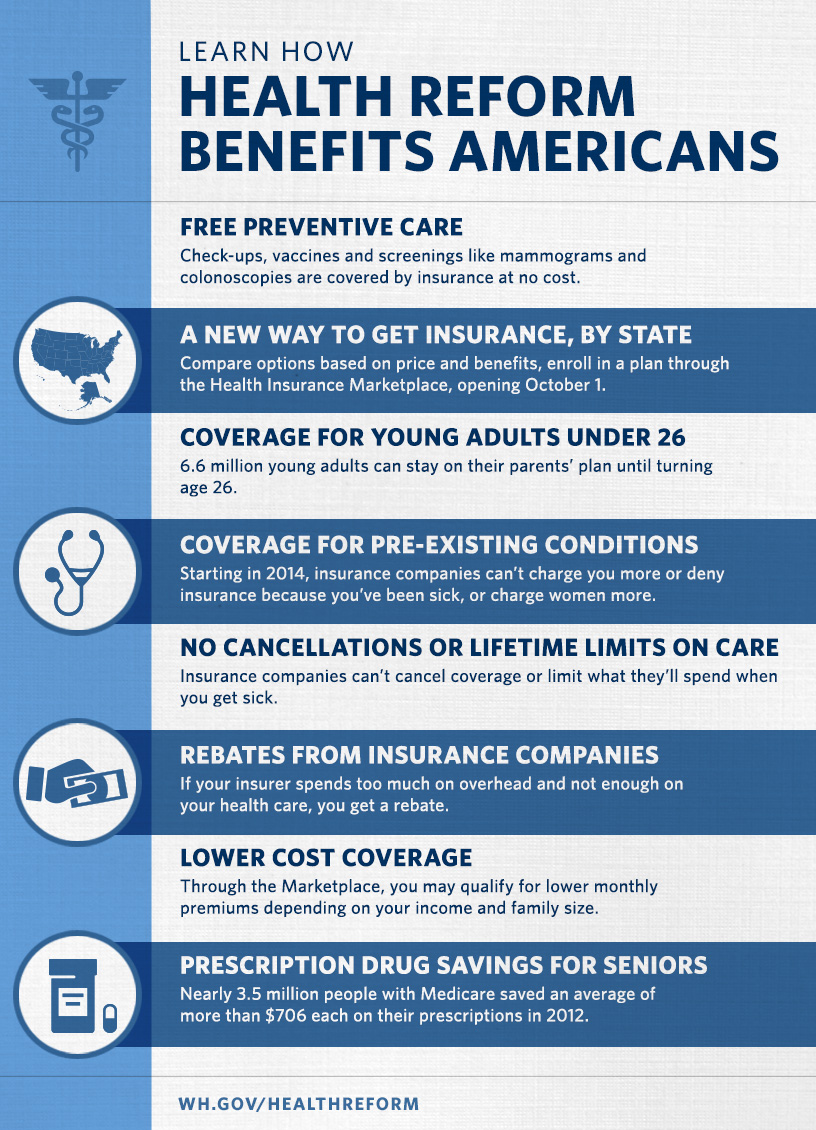
Conclusion: Navigating Your Eligibility for Obamacare
The question of “who qualifies for Obamacare” is multifaceted, touching upon citizenship, income, household size, access to employer-sponsored insurance, and the specific Medicaid policies of your state. The Affordable Care Act has created a framework designed to make health insurance accessible to a broader segment of the population, offering financial assistance in the form of premium tax credits and expanding Medicaid to lower-income individuals and families.
Navigating these eligibility requirements can seem daunting, but resources are available to help. The Health Insurance Marketplace website (HealthCare.gov) is the primary portal for exploring plans and applying for subsidies. Many states also operate their own marketplaces. Additionally, navigators and assisters – trained professionals who can provide free, unbiased help – are available in communities across the country to guide individuals through the application process. By understanding the core principles of eligibility and utilizing available resources, individuals can effectively determine their qualification for Obamacare and secure the health coverage they need.
aViewFromTheCave is a participant in the Amazon Services LLC Associates Program, an affiliate advertising program designed to provide a means for sites to earn advertising fees by advertising and linking to Amazon.com. Amazon, the Amazon logo, AmazonSupply, and the AmazonSupply logo are trademarks of Amazon.com, Inc. or its affiliates. As an Amazon Associate we earn affiliate commissions from qualifying purchases.