
The question of what constitutes a “good salary” is remarkably subjective, yet undeniably critical to our financial well-being and life satisfaction. It’s a metric that transcends mere numbers, touching upon individual aspirations, geographic realities, and evolving economic landscapes. While no single dollar amount universally defines a “good salary,” understanding the factors that influence this perception is crucial for personal financial planning, career advancement, and societal economic health. This exploration delves into the multifaceted nature of a good salary, dissecting the key determinants and offering a framework for assessing your own financial standing.
The Relativity of a “Good Salary”: Beyond the Absolute Number
The most immediate realization when contemplating a “good salary” is its inherent relativity. What might be a life-changing income in one region could be barely enough to scrape by in another. This geographical disparity is not a minor detail; it forms the bedrock of salary expectations.
Cost of Living: The Unseen Deductor
The most significant variable in defining a “good salary” is the cost of living in a particular area. This encompasses a wide array of expenses, from housing and transportation to groceries and healthcare.
Housing Costs: The Elephant in the Room
Housing is frequently the largest single expense for individuals and families. Rent or mortgage payments in major metropolitan areas or desirable coastal regions can dwarf those in more rural or less economically vibrant locales. A salary that allows for comfortable homeownership or a spacious rental in a low-cost-of-living area might be insufficient for even basic accommodation in an expensive city. For instance, a $70,000 salary might afford a family a modest but comfortable life in a midwestern town, while in San Francisco or New York City, it might barely cover rent for a single person.
Everyday Expenses: The Silent Drain
Beyond housing, the daily costs of living play a significant role. Transportation expenses, including car payments, insurance, gas, and public transit fares, can vary dramatically. The price of food, utilities, childcare, and even entertainment are all subject to local market forces. A salary that allows for regular dining out and leisure activities in one city might necessitate strict budgeting for these same activities in another. Understanding these local price differences is paramount to assessing whether a salary provides genuine financial comfort rather than just a number.
Lifestyle Aspirations: The Personal Benchmark
Beyond covering essential needs, a “good salary” is often measured against our personal desires and lifestyle aspirations. This is where the subjective nature truly takes hold, as different individuals prioritize different aspects of their lives.
Discretionary Spending Power: The Freedom to Choose
A good salary provides discretionary spending power, allowing individuals to pursue hobbies, travel, invest in personal development, or simply enjoy life’s pleasures without constant financial strain. This could mean affording regular vacations, investing in expensive equipment for a hobby, or attending cultural events. The ability to make these choices freely, without compromising on essential needs, is a hallmark of a good salary for many.
Savings and Investment Goals: Building for the Future
For many, a good salary isn’t just about present consumption but also about building future security. This includes the ability to save for retirement, invest in assets that can grow wealth, or build an emergency fund for unforeseen circumstances. The capacity to meet these long-term financial goals, beyond just day-to-day expenses, is a critical component of what many consider a “good salary.” This might mean having enough leftover to contribute significantly to a 401(k) or other investment accounts.
Supporting Family and Dependents: A Core Responsibility
For individuals with families or dependents, a “good salary” takes on an additional layer of responsibility. It means being able to provide for children’s needs, including education, healthcare, and extracurricular activities. It also entails ensuring adequate financial support for a spouse or partner, and potentially aging parents. The financial burden of supporting others significantly elevates the benchmark for what is considered a sufficient income.
Measuring “Good”: Metrics and Benchmarks
While subjective, there are objective metrics and benchmarks that can help frame the discussion around what constitutes a good salary. These tools and perspectives offer a more quantifiable approach to assessing financial adequacy.
Median and Average Salaries: The Societal Yardstick
One common way to gauge a salary is by comparing it to the median or average salaries within a specific industry, profession, or geographic region. These figures provide a snapshot of what others in similar situations are earning.
National and Local Averages: Setting a Baseline
National average salaries can offer a broad perspective, but local averages are far more relevant due to cost-of-living variations. For example, the national average salary for a software engineer might be $120,000, but in a high-cost-of-living city like Seattle, this might be considered average, while in a lower-cost city, it could be considered exceptionally good. Many government labor statistics bureaus and private job search websites provide this kind of data.

Industry-Specific Benchmarks: Understanding Your Niche
Different industries have vastly different pay scales. A “good salary” in the non-profit sector will likely differ significantly from a “good salary” in the finance or tech industries. Understanding the salary ranges within your specific field is essential for setting realistic expectations and negotiating effectively. This often involves researching industry reports and salary surveys specific to your profession.
The “Rule of Thumb” Percentages: Practical Guidelines
Beyond raw numbers, various rules of thumb can help assess salary adequacy in relation to essential spending. These are not rigid laws but rather helpful guidelines.
The 50/30/20 Rule: Balancing Needs, Wants, and Savings
The 50/30/20 rule suggests that after-tax income should be allocated as follows: 50% for needs (housing, utilities, food, transportation), 30% for wants (entertainment, hobbies, dining out), and 20% for savings and debt repayment. A salary that allows for adherence to this rule without undue sacrifice in any category is often considered good. If you find yourself consistently exceeding 50% for needs or struggling to allocate 20% to savings, your salary might not be sufficient for your desired lifestyle and financial goals.
Housing Affordability Ratios: Keeping a Roof Over Your Head
A common guideline for housing affordability is that rent or mortgage payments should not exceed 30% of your gross monthly income. Exceeding this threshold can put significant strain on your budget, leaving less for other essential expenses and discretionary spending.
The Evolving Landscape: Factors Influencing Salary Perception
The definition of a “good salary” is not static. It is constantly influenced by economic shifts, technological advancements, and societal changes.
Inflation and Economic Growth: The Eroding Power of Money
Inflation erodes the purchasing power of money over time. A salary that was considered excellent a decade ago might be merely adequate today due to rising prices. Similarly, periods of strong economic growth can drive up wages and increase the general perception of what constitutes a good income. Conversely, economic downturns can lead to wage stagnation or even declines, recalibrating salary expectations downward.
Career Progression and Skill Development: The Investment in Yourself
As individuals gain experience, develop new skills, and take on greater responsibilities, their earning potential typically increases. A good salary today might be a stepping stone to an even better salary in the future, especially for those who actively invest in their career development. The ability to earn more over time, through promotions and skill acquisition, is a key aspect of long-term financial success.
Societal Norms and Expectations: The Influence of Others
Societal norms and the perceived financial status of peers can also influence what is considered a “good salary.” In cultures or communities where conspicuous consumption is valued, the benchmark for a good salary might be higher. Conversely, in more frugal societies, the emphasis might be on financial independence and security rather than high earnings.
Defining Your “Good Salary”: A Personal Calculation
Ultimately, determining what constitutes a “good salary” is a deeply personal endeavor. It requires a clear understanding of your own financial needs, desires, and goals, as well as an awareness of the economic realities of your environment.
Budgeting and Financial Tracking: Knowing Your Numbers
The first step in defining your personal “good salary” is to gain a comprehensive understanding of your current finances. This involves meticulous budgeting and tracking of your income and expenses. Knowing where your money goes is essential for identifying areas where you can save, areas where you might be overspending, and the actual financial resources required to maintain your desired lifestyle.
Goal Setting: The Compass for Your Earnings
Setting clear financial goals is crucial. Whether your aim is to buy a house, fund your children’s education, retire early, or travel the world, these goals will dictate the income required to achieve them. A salary might be considered “good” if it allows you to make consistent progress towards your most important financial objectives.
Regular Re-evaluation: Adapting to Change
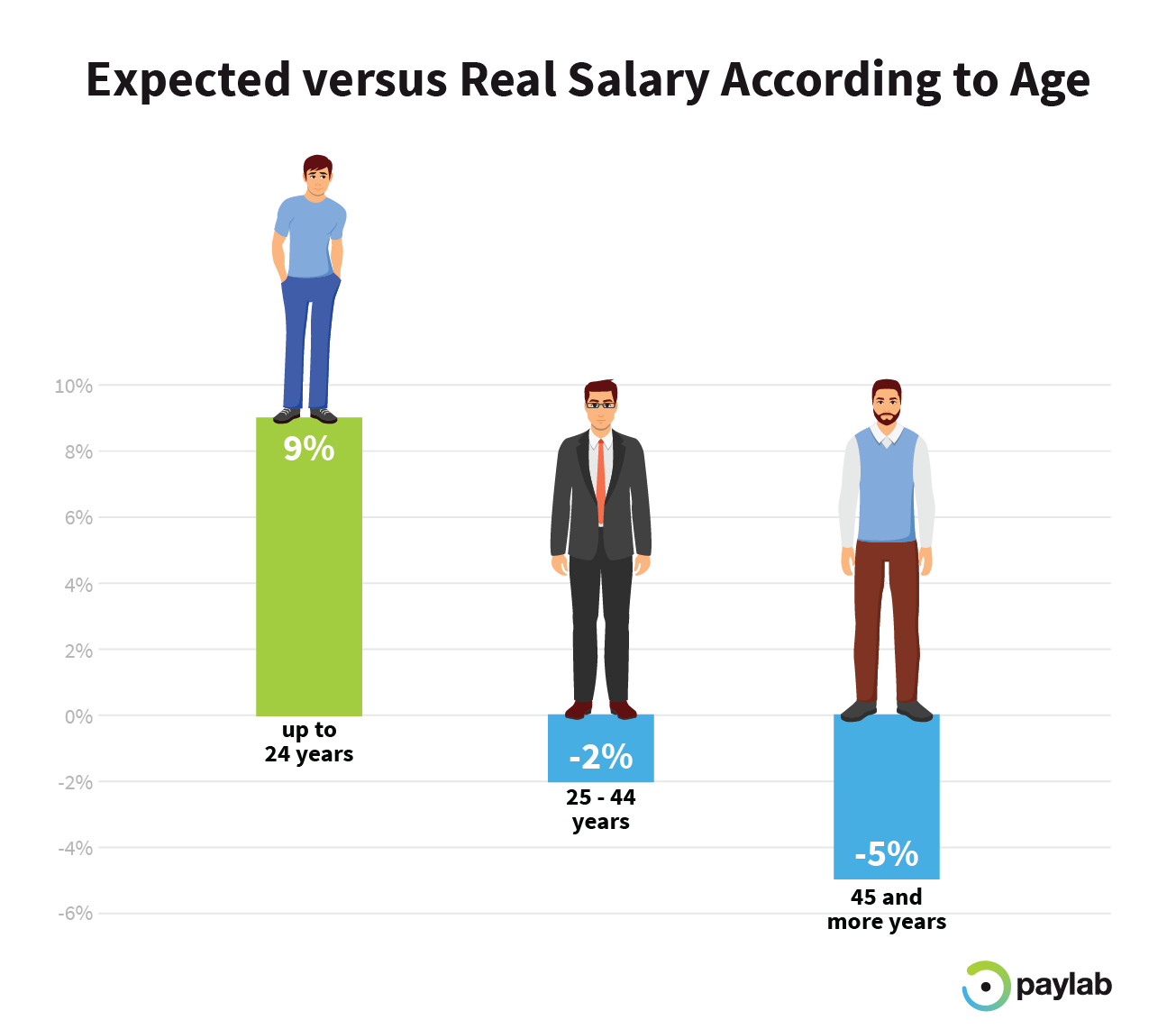
The financial landscape and your personal circumstances are rarely static. Therefore, it’s important to regularly re-evaluate your definition of a “good salary.” As your career progresses, your family situation changes, or economic conditions shift, your salary needs and expectations should be adjusted accordingly. This ongoing assessment ensures that your financial life remains aligned with your aspirations and realities.
In conclusion, the concept of a “good salary” is a dynamic and multifaceted one. It is influenced by cost of living, lifestyle aspirations, societal benchmarks, and personal financial goals. While absolute figures are elusive, by understanding these contributing factors and engaging in thoughtful self-assessment, individuals can arrive at a meaningful and actionable definition of what constitutes a good salary for their own unique journey.
aViewFromTheCave is a participant in the Amazon Services LLC Associates Program, an affiliate advertising program designed to provide a means for sites to earn advertising fees by advertising and linking to Amazon.com. Amazon, the Amazon logo, AmazonSupply, and the AmazonSupply logo are trademarks of Amazon.com, Inc. or its affiliates. As an Amazon Associate we earn affiliate commissions from qualifying purchases.