
In the world of high-stakes finance, timing is often just as critical as the assets themselves. For the modern investor, understanding when the stock market closes—and what happens after that final bell rings—is a foundational pillar of successful money management. While the short answer is that the major U.S. exchanges close at 4:00 PM Eastern Time, the reality of global finance is far more nuanced. Navigating the hours of operation for the New York Stock Exchange (NYSE) and the NASDAQ is not merely about knowing when the doors lock; it is about understanding liquidity, volatility, and the strategic windows that can make or break an investment portfolio.
The Standard Trading Session: Understanding the Core Hours
For the vast majority of retail and institutional investors, the standard trading session represents the “golden hours” of the financial world. This period provides the highest levels of liquidity and the tightest bid-ask spreads, making it the most cost-effective time to execute trades.
The NYSE and NASDAQ Schedule
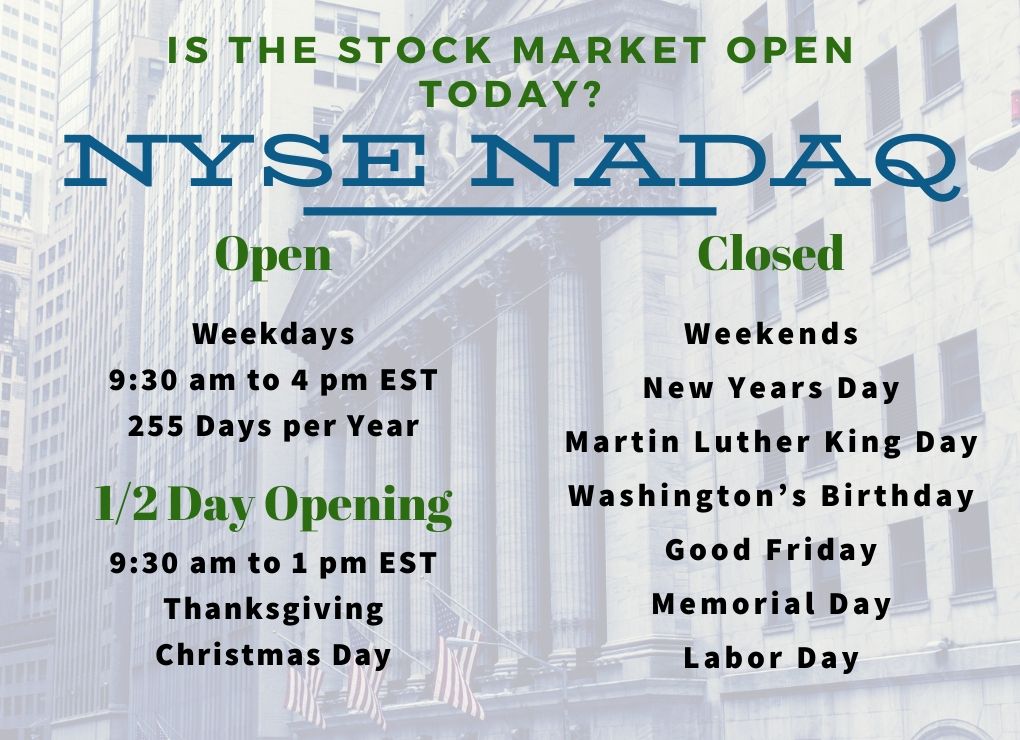
The two largest stock exchanges in the world, the New York Stock Exchange and the NASDAQ, operate on a synchronized schedule. They open at 9:30 AM ET and close promptly at 4:00 PM ET, Monday through Friday. This 6.5-hour window is the heartbeat of the American economy. During these hours, “market orders” are filled almost instantaneously because there are thousands of buyers and sellers active at any given second. For the personal finance enthusiast, this is the safest time to trade, as the high volume of participants ensures that stock prices are reflective of all currently available public information.
The Importance of the Closing Bell
The closing bell at 4:00 PM is more than just a tradition; it is a critical data point for the entire financial industry. The “closing price” of a stock is used to calculate the Net Asset Value (NAV) of mutual funds, the performance of 401(k) plans, and the official benchmarks for indices like the S&P 500 and the Dow Jones Industrial Average. In the final minutes leading up to the close, a phenomenon known as the “closing auction” occurs. This is a highly complex process where the exchange’s computers aggregate all buy and sell interest to find a single price that maximizes the number of shares traded. This ensures a stable and fair exit price for the day.
Beyond the Bell: The World of Extended-Hours Trading
While the physical floors might quiet down after 4:00 PM, the digital pulse of the market continues. Electronic Communication Networks (ECNs) allow investors to trade long after the traditional closing bell has rung. However, entering this arena requires a deeper understanding of financial risk.
After-Hours Dynamics
The after-hours session typically runs from 4:00 PM to 8:00 PM ET. This period is often characterized by significant price swings. Why? Because this is when most publicly traded companies release their quarterly earnings reports. If a tech giant reports profits that exceed expectations at 4:15 PM, the stock price might surge immediately. Investors who know how to navigate after-hours trading can react to this news before the market opens the following morning. However, because there are fewer participants, the “liquidity” is much lower. This means you might have to pay a significantly higher price to buy a stock or accept a lower price to sell it compared to the standard session.
Pre-Market Opportunities
On the other side of the clock is the pre-market session, which can begin as early as 4:00 AM ET, though most active trading starts around 8:00 AM ET. Pre-market trading is often influenced by international news, such as economic data releases from Europe or geopolitical shifts in Asia. For the disciplined investor, the pre-market offers a “first look” at how the U.S. markets might open. It is a period used primarily by institutional investors and professional day traders to position themselves before the retail crowd enters at 9:30 AM.
Global Time Zones and the “Follow the Sun” Strategy

In a globalized economy, the stock market never truly sleeps. When the NYSE closes in New York, the focus shifts to the West, and eventually, the cycle restarts in the East. Professional money managers often use a “follow the sun” approach to manage international portfolios.
Major Global Exchanges and Their Windows
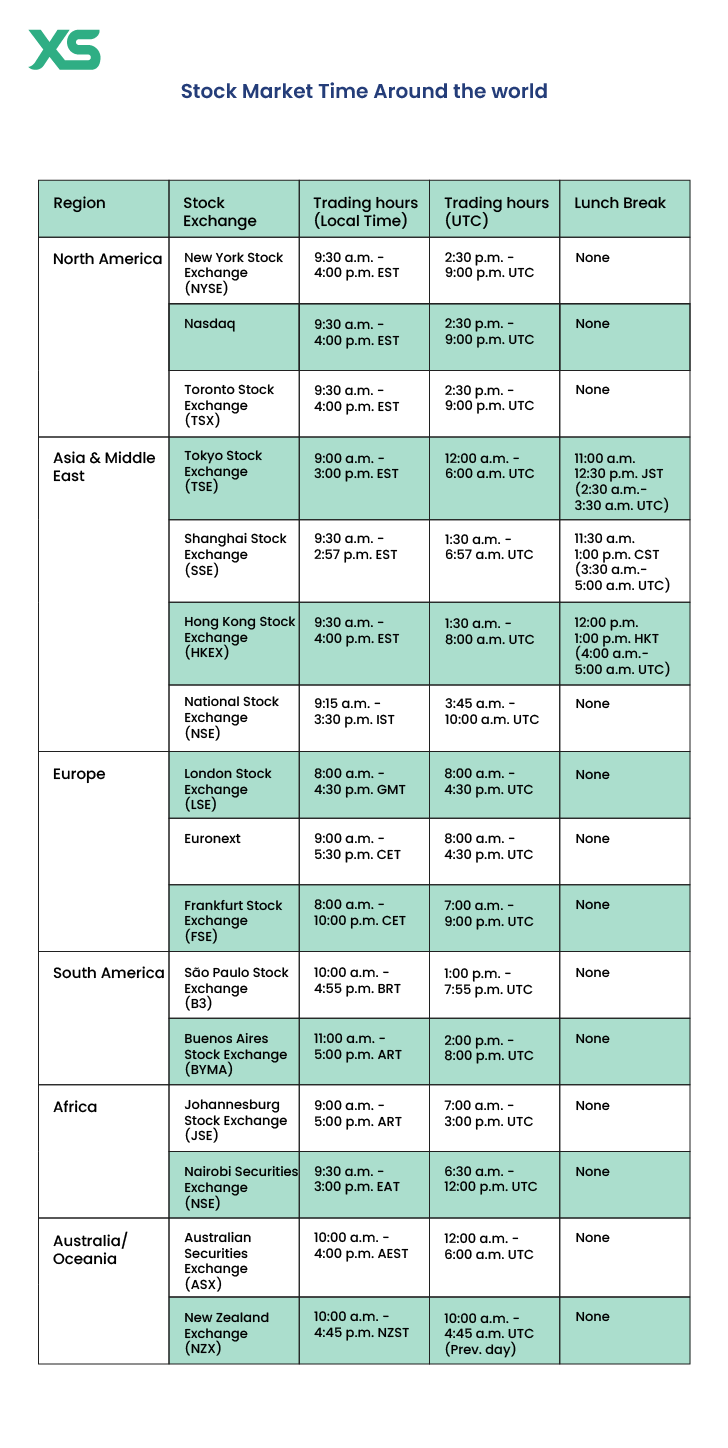
To be a well-rounded investor, one must look beyond Wall Street. The London Stock Exchange (LSE) is a pivot point for European finance, typically operating from 3:00 AM to 11:30 AM ET. This creates a crucial overlap with the U.S. morning session, often leading to increased volatility between 9:30 AM and 11:30 AM ET. Meanwhile, the Tokyo Stock Exchange (TSE) and the Hong Kong Stock Exchange dominate the Asian session, running roughly from 7:00 PM to 2:00 AM ET. Understanding these times is essential for those who invest in international ETFs or ADRs (American Depositary Receipts), as the “close” of a foreign market will dictate the starting price of those assets in the U.S.
The Impact of Cross-Border Liquidity
The closing of one market often triggers a chain reaction in another. For instance, if the Hang Seng Index in Hong Kong closes down 3% due to regulatory changes, it is highly likely that U.S.-listed Chinese stocks will see a sell-off the moment the New York market opens. Money management today requires an awareness of this “financial relay race.” By knowing when these international markets close, an investor can anticipate “gap ups” or “gap downs” in their domestic portfolio and set “limit orders” to protect their capital.
Market Holidays and Early Closures: Planning Your Financial Calendar
Just as important as the daily closing time are the days when the market doesn’t open at all. In the United States, the stock market follows a specific federal holiday schedule that every investor should mark on their calendar to avoid the frustration of “dead” trading days.
The Federal Holiday Calendar
The NYSE and NASDAQ are closed for major holidays, including New Year’s Day, Martin Luther King Jr. Day, Presidents’ Day, Good Friday, Memorial Day, Juneteenth, Independence Day, Labor Day, Thanksgiving, and Christmas. On these days, liquidity vanishes entirely. For a person managing their own brokerage account, these breaks are essential for re-evaluating long-term strategy without the noise of daily price fluctuations. It is also important to note that if a holiday falls on a weekend, the market typically closes on the nearest Friday or Monday in observance.
Strategic Half-Day Sessions
There are specific days of the year when the market closes early, usually at 1:00 PM ET. These typically occur on the day after Thanksgiving (Black Friday) and sometimes on Christmas Eve or July 3rd, depending on how the calendar falls. These “half-sessions” are notorious for low volume. In the world of finance, low volume can lead to erratic price movements. Professional traders often advise against making significant portfolio adjustments during these hours, as the lack of institutional participation means that a single large trade can skew the price of a stock unfairly.
The Impact of Market Timing on Investment Success
Understanding when the market closes is not just a logistical necessity—it is a strategic advantage. The way a stock finishes its day can tell you a lot about its future momentum.
Liquidity vs. Volatility
The “Closing Cross”—the final minutes of the day—is often the most volatile period. Professional “smart money” tends to trade toward the end of the day, while “retail money” (individual investors) tends to trade in the first hour of the morning. By observing how a stock performs in the final 30 minutes before the 4:00 PM close, you can gauge institutional sentiment. If a stock closes at its “daily high,” it suggests strong buying conviction that may carry over into the next day. Conversely, a weak close often signals further declines.
Long-term Investing vs. Active Timing
For the long-term “buy and hold” investor, the specific minute the market closes might seem irrelevant. However, even for those building a retirement fund, timing the “close” matters for cost-averaging. Executing a buy order at 3:55 PM often results in a more “fair” price than at 9:35 AM, when the market is still digesting overnight news and spreads are wide. By mastering the clock, you ensure that more of your money goes into the asset itself rather than being lost to the “slippage” of inefficient timing.
In conclusion, the question “When does the stock market close?” is the gateway to a deeper understanding of financial mechanics. Whether you are navigating the standard 9:30–4:00 window, exploring the risks of after-hours trading, or tracking global exchanges, the clock is a fundamental tool in your investment arsenal. Respecting the market’s rhythm allows you to trade with more confidence, lower costs, and a clearer perspective on the global flow of capital.
aViewFromTheCave is a participant in the Amazon Services LLC Associates Program, an affiliate advertising program designed to provide a means for sites to earn advertising fees by advertising and linking to Amazon.com. Amazon, the Amazon logo, AmazonSupply, and the AmazonSupply logo are trademarks of Amazon.com, Inc. or its affiliates. As an Amazon Associate we earn affiliate commissions from qualifying purchases.