
For the modern investor, timing is often as critical as the asset itself. While the digital age allows us to check our portfolios at 3:00 AM from a smartphone, the actual buying and selling of equities are governed by a strict set of operational hours. Understanding when the stock market opens and closes—and what happens during the hours in between—is fundamental to managing risk, ensuring liquidity, and executing a successful financial strategy.
This guide delves into the nuances of the financial clock, exploring standard hours, the volatility of extended trading, and the global cycle of the “Money” niche.
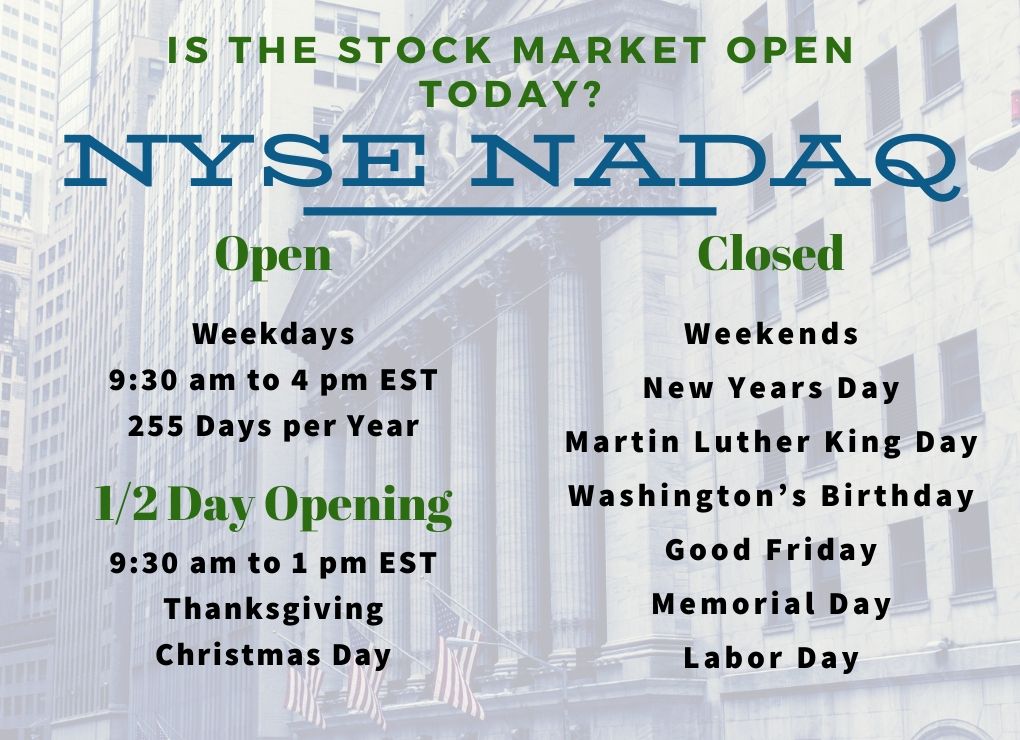
The Core: Standard Trading Hours in the United States
The heartbeat of the American financial system is centered in New York City. The two primary exchanges, the New York Stock Exchange (NYSE) and the NASDAQ, follow a synchronized schedule that provides the most liquid and stable environment for trading.
The Standard Session (9:30 AM – 4:00 PM ET)
The standard trading session is the period when the vast majority of retail and institutional trading occurs. Opening at 9:30 AM Eastern Time and closing at 4:00 PM Eastern Time, Monday through Friday, this six-and-a-half-hour window is characterized by high liquidity and narrower bid-ask spreads. This is the period when “market orders” are most efficiently executed because there are millions of participants active at once.
The Significance of the Opening and Closing Bells
The “Opening Bell” at 9:30 AM is more than just a ceremony; it marks the moment of price discovery. Overnight news—earnings reports, geopolitical shifts, or economic data—is synthesized into the first trades of the day. Conversely, the “Closing Bell” at 4:00 PM represents the finality of the day’s sentiment. Many institutional funds and ETFs execute large “market-on-close” (MOC) orders at this time to ensure they receive the official closing price, which is used to calculate Net Asset Values (NAV).
Why Time Zones Matter
For investors outside the Eastern Time Zone, the market clock can be a logistical challenge. A trader in Los Angeles must be at their terminal by 6:30 AM PT to catch the opening, while an investor in London sees the US market open in the mid-afternoon. Understanding the “Eastern Time” standard is the first step in avoiding costly mistakes, such as placing a trade thinking the market is open when it has already transitioned to a different phase of operation.
Beyond the Bell: The World of Extended-Hours Trading
The stock market does not truly sleep; it simply changes its behavior. Electronic Communication Networks (ECNs) allow investors to trade before the sun rises in New York and long after the floor has cleared.
Pre-Market Trading
Pre-market trading typically occurs between 4:00 AM and 9:30 AM ET. While the early hours (4:00 AM to 8:00 AM) are dominated by institutional players and high-frequency algorithms, the 8:00 AM to 9:30 AM window sees increased participation from retail investors. This is often where the reaction to early-morning economic indicators, such as the Consumer Price Index (CPI) or employment reports, first manifests.
After-Hours Trading
After-hours trading begins immediately at 4:00 PM ET and can run as late as 8:00 PM ET. This session is particularly crucial during “Earnings Season.” When a major company like Apple or Microsoft releases its quarterly results at 4:05 PM, the stock price can swing violently in the after-hours market. For a retail investor, this is the first opportunity to react to corporate news before the next day’s standard session.
The Risks of Extended Trading
While the flexibility of extended hours is tempting, it comes with significant caveats. First is the “Lack of Liquidity.” With fewer participants, it is harder to buy or sell large quantities of stock without moving the price. Second is “Wide Spreads.” The difference between the buy and sell price can be much larger than during the day. Finally, there is “Price Volatility.” Without the stabilizing force of the full market, prices can jump or crash on relatively small volume, leading to potential “fake-outs” where a stock rises after-hours only to plummet at the next morning’s open.
When the Market Rests: Holidays, Weekends, and Half-Days
Equally important to knowing when the market is open is knowing when it is closed. The US stock market observes several federal holidays and occasional early closures that every investor should mark on their calendar.
Major Market Holidays
The NYSE and NASDAQ close for several major holidays throughout the year. These include:
- New Year’s Day
- Martin Luther King, Jr. Day
- Presidents’ Day
- Good Friday
- Memorial Day
- Juneteenth National Independence Day
- Independence Day (July 4th)
- Labor Day
- Thanksgiving Day
- Christmas Day
If a holiday falls on a Saturday, the market usually closes on the preceding Friday. If it falls on a Sunday, the market closes on the following Monday.
Early Closures and “Half-Days”
On certain occasions—most notably the day after Thanksgiving (Black Friday) and sometimes Christmas Eve—the market operates on a shortened schedule, typically closing at 1:00 PM ET. Trading volume on these days is usually thin, as many professional traders take the day off. This can lead to quiet, drifting markets or sudden, sharp movements if unexpected news breaks.
The Weekend Gap
The market remains closed on Saturdays and Sundays. This creates what is known as the “Weekend Gap.” Since news continues to happen over the weekend—political elections, international conflicts, or emergency bank interventions—the price at which a stock opens on Monday morning may be significantly different from where it closed on Friday afternoon. Managing this “gap risk” is a core component of swing trading and long-term portfolio management.
The Global Perspective: A 24-Hour Financial Cycle
While the US markets are the largest, the global economy is an interconnected web. If you are a diversified investor, your “Money” strategy might involve monitoring markets across different continents that operate while New York is asleep.
European and Asian Markets
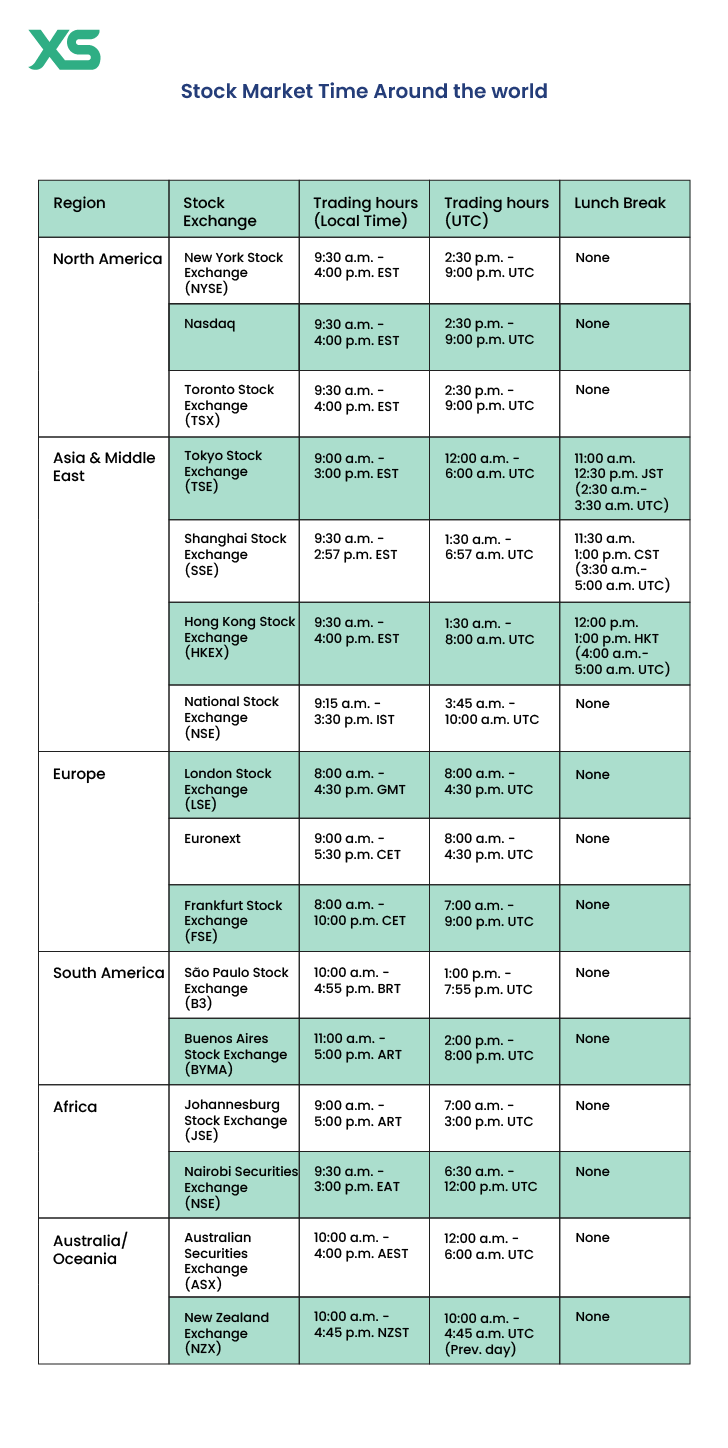
The financial day actually begins in Asia. The Tokyo Stock Exchange (TSE) and the Hong Kong Stock Exchange (HKEX) provide the first glimpse into global sentiment. As they close, the European markets, led by the London Stock Exchange (LSE) and the Euronext, take the baton. There is a brief but vital overlap between 8:00 AM and 11:30 AM ET when both the European and US markets are open simultaneously. This is often the most liquid period for global currency (Forex) and commodity trading.
The Move Toward 24/7 Trading
In recent years, there has been a push toward 24-hour trading for certain assets. While the NYSE still clings to its traditional hours, many retail brokerages now offer “24/5” trading on select stocks and ETFs. Furthermore, the cryptocurrency market—which operates 24 hours a day, 365 days a year—has set a new precedent for “always-on” finance. However, for traditional equities, the centralized closing price remains the gold standard for valuation.
International Arbitrage and Influence
Events in foreign markets can dictate the “gap” in US markets. For instance, if the Nikkei 225 in Japan drops 3% overnight, it is highly likely that US stock futures will be trading lower in the pre-market. Investors who understand these global linkages can better prepare their portfolios for the US opening bell.
Strategic Timing: Optimizing Your Entry and Exit
Knowing the hours is one thing; knowing how to use them to your advantage is another. In the world of finance, certain times of the day are better suited for specific actions.
The “Power Hour”
The final hour of trading, from 3:00 PM to 4:00 PM ET, is colloquially known as the “Power Hour.” This is when institutional investors rebalance their positions and volatility often spikes. For day traders, it is a period of high opportunity; for conservative long-term investors, it can be a time of unnecessary noise.
The Lunchtime Lull
Typically, between 12:00 PM and 1:30 PM ET, trading volume thins out as floor traders and institutional desks take their mid-day break. Markets often “drift” during this time. Professional traders often advise against placing large, sensitive trades during the lunch hour because the lack of volume can lead to less favorable execution prices.
Market Orders vs. Limit Orders based on Time
The time of day should dictate your order type. During the standard session (high liquidity), market orders are generally safe for large-cap stocks. However, during the pre-market, after-hours, or during the volatile first ten minutes of the opening bell, using “Limit Orders” is essential. A limit order ensures you don’t buy a stock for more than you intended—or sell it for less—during a momentary price spike.
Conclusion: The Disciplined Investor’s Calendar
Understanding when the stock market closes is not merely about knowing when the lights go out on Wall Street. It is about understanding the flow of liquidity, the psychology of price discovery, and the risks of trading in the shadows of the extended sessions.
By mastering the market clock, you transition from a reactive participant to a proactive strategist. Whether you are navigating the high-stakes volatility of an after-hours earnings report or simply ensuring your monthly ETF contribution executes during the peak liquidity of the standard session, timing is a tool that serves your broader financial goals. In the world of money, the clock is just as important as the dollar. Stay informed of the holidays, respect the dangers of the after-hours thinness, and always keep an eye on the global cycle to ensure your portfolio is never caught off guard.
aViewFromTheCave is a participant in the Amazon Services LLC Associates Program, an affiliate advertising program designed to provide a means for sites to earn advertising fees by advertising and linking to Amazon.com. Amazon, the Amazon logo, AmazonSupply, and the AmazonSupply logo are trademarks of Amazon.com, Inc. or its affiliates. As an Amazon Associate we earn affiliate commissions from qualifying purchases.