
For millions of investors, from the retail trader on a smartphone app to the institutional fund manager in a high-rise, the question “What did the Dow do today?” is more than a casual inquiry. It is a daily ritual, a foundational query that seeks to distill the immense complexity of the global economy into a single, digestible number. The Dow Jones Industrial Average (DJIA) serves as one of the oldest and most watched indicators of financial health in the world. However, understanding the movement of the Dow requires more than just looking at a green or red arrow; it requires an understanding of the underlying mechanics of personal finance, institutional investment, and the broader economic landscape.
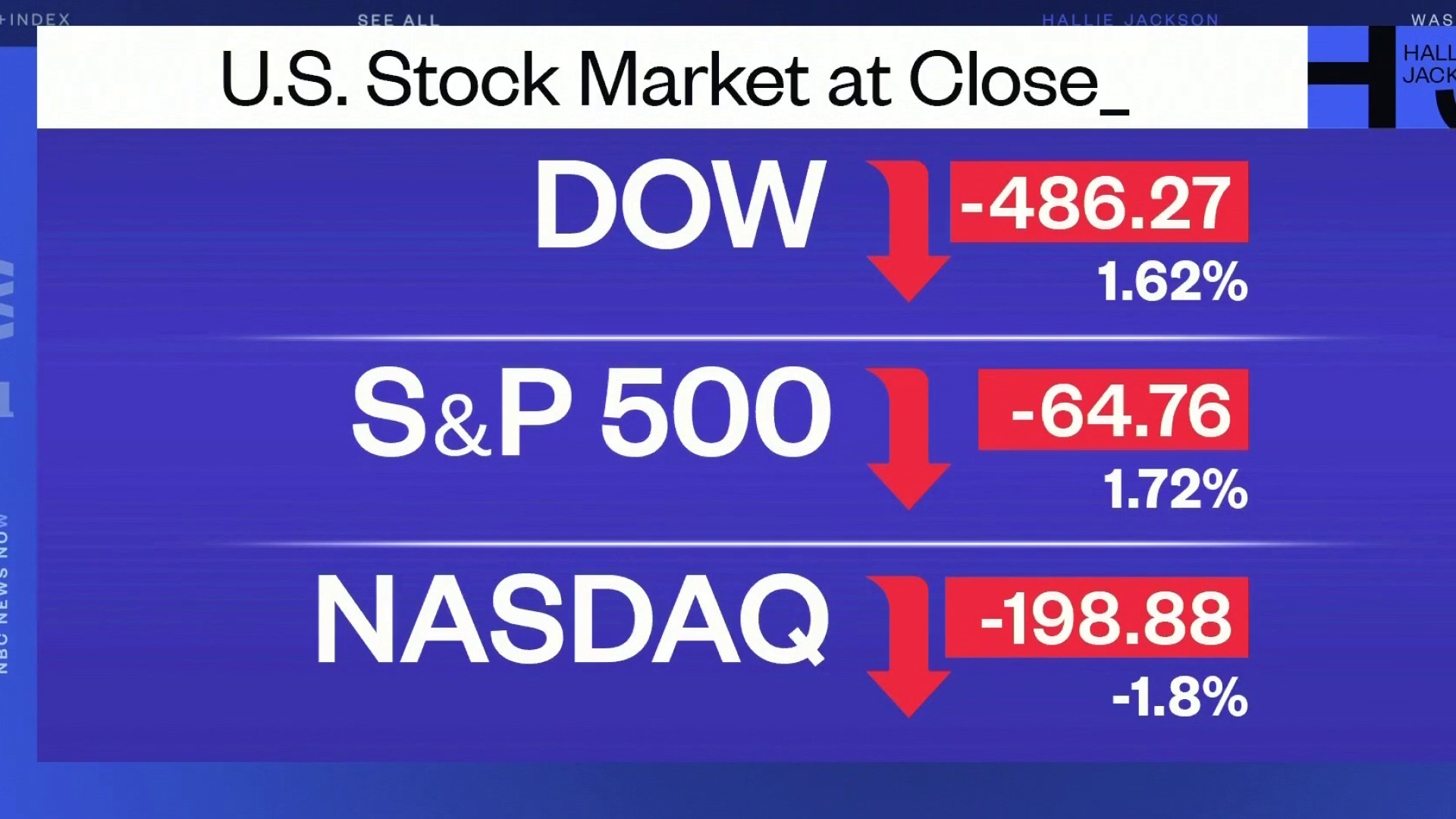
In this guide, we will explore the significance of the Dow’s daily performance, the factors that drive its fluctuations, and how you can use this information to bolster your personal investment strategy.
Understanding the Dow Jones Industrial Average: The Pulse of the Market
Before interpreting what the Dow did on any given day, one must understand what the index actually represents. Established in 1896 by Charles Dow and Edward Jones, the DJIA was originally intended to track the performance of the industrial sector of the American economy. Today, it has evolved into a blue-chip index consisting of 30 prominent companies listed on stock exchanges in the United States.
The Composition of the “Thirty”
Unlike broader indices like the S&P 500, which tracks 500 companies, the Dow focuses on a concentrated group of industry leaders. These companies are intended to represent the “backbone” of the U.S. economy, spanning sectors such as healthcare (UnitedHealth Group), technology (Microsoft, Apple), consumer goods (Coca-Cola, Walmart), and finance (Goldman Sachs, JPMorgan Chase). Because these companies are massive, stable, and influential, their collective performance is often viewed as a proxy for the general health of the American corporate landscape.
The Price-Weighted Methodology
A critical distinction for any student of finance is understanding that the Dow is a price-weighted index. This means that companies with higher stock prices have a greater influence on the index’s daily movement than companies with lower stock prices, regardless of the company’s total market capitalization. For instance, a $1 move in a stock trading at $400 affects the Dow exactly the same as a $1 move in a stock trading at $40. This is a unique quirk of the Dow that distinguishes it from the S&P 500, which is market-cap weighted. When you ask what the Dow did today, you are essentially looking at a mathematical average of the price movements of these 30 giants.
The Drivers of Daily Fluctuations: Why the Index Moves
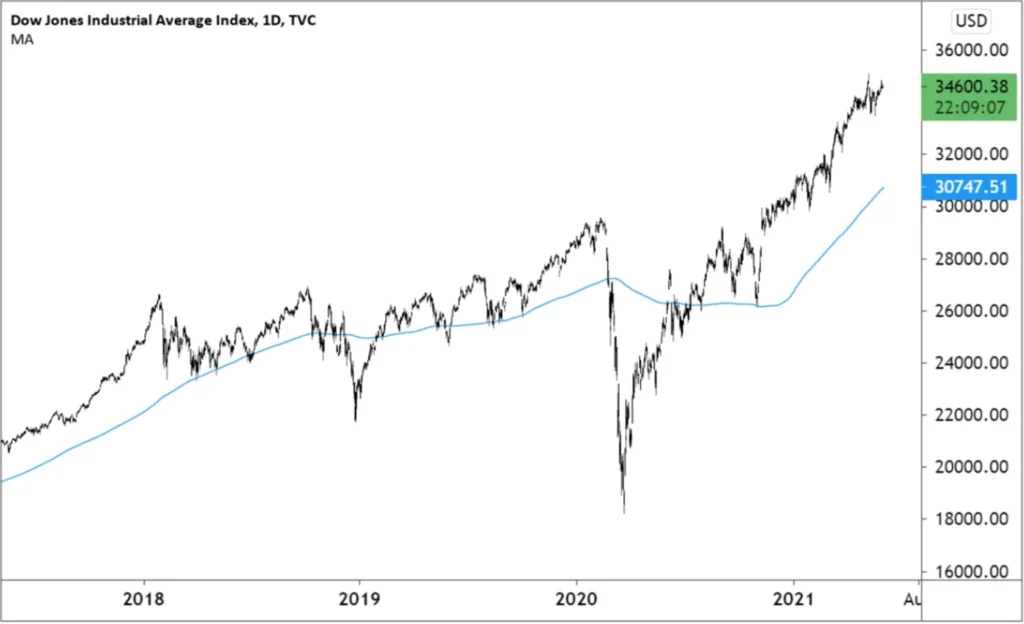
When the Dow swings 500 points in either direction, it is rarely a random event. These movements are the result of a complex interplay between macroeconomic data, corporate performance, and investor psychology.
Macroeconomic Indicators and Central Bank Policy
One of the primary reasons the Dow moves is the release of economic data. Investors keep a close eye on the Consumer Price Index (CPI), which measures inflation, and employment reports. If inflation is higher than expected, the Federal Reserve may raise interest rates to cool the economy. Higher interest rates generally lead to lower stock prices because they increase borrowing costs for companies and make fixed-income investments like bonds more attractive. Therefore, a “down” day for the Dow is often a reaction to a “hawkish” Federal Reserve or a report suggesting that the economy is overheating.
Corporate Earnings and Forward Guidance
During “earnings season,” the Dow’s performance is heavily dictated by the quarterly reports of its constituent companies. Because there are only 30 companies in the index, a significant miss or a stellar beat by a heavyweight like Apple or Goldman Sachs can single-handedly pull the index in a specific direction. Beyond just the numbers, “forward guidance”—what a company says about its future profits—is a massive driver of market sentiment. If the Dow’s giants express optimism about the coming months, the index typically climbs.
Geopolitical Events and Market Sentiment
The stock market hates uncertainty. Geopolitical tensions, trade disputes, or unexpected political shifts can cause immediate volatility. When investors are fearful, they often sell equities and move into “safe-haven” assets like gold or Treasury bonds. Conversely, periods of stability or the resolution of a conflict can lead to a “relief rally.” Understanding what the Dow did today often involves looking at the global headlines to see if “fear” or “greed” was the dominant emotion on the trading floor.
Beyond the Number: Strategic Investing vs. Daily Noise
For the average person managing a retirement account or building a side income through investing, the daily movement of the Dow can be a source of significant anxiety. However, professional financial strategy requires distinguishing between “noise” and “news.”
The Danger of Emotional Trading
Checking the Dow every day can lead to emotional exhaustion and impulsive decision-making. If the Dow is down 2% in a single day, an amateur investor might feel the urge to sell to “protect” their capital. However, history shows that the market’s best days often follow its worst. Successful personal finance management involves sticking to a long-term plan rather than reacting to the daily zig-zags of an index. The Dow’s daily performance is a snapshot, not a movie; it tells you where things are this second, not where they will be in ten years.
Dollar-Cost Averaging and Volatility
For those looking to build wealth, the Dow’s fluctuations can actually be an advantage. Through a strategy called Dollar-Cost Averaging (DCA), an investor commits to investing a fixed amount of money at regular intervals, regardless of whether the Dow is up or down. When the Dow is “down,” your fixed investment buys more shares; when it is “up,” it buys fewer. Over time, this lowers the average cost per share and removes the stress of trying to “time the market.” In this context, a “bad” day for the Dow is simply an opportunity to buy the world’s strongest companies at a discount.
Tools for Tracking and Analyzing Market Trends
In the modern era, you don’t need a Bloomberg terminal to understand what the market is doing. A variety of financial tools and platforms allow you to track the Dow and its implications for your portfolio in real-time.
Financial Dashboards and Real-Time Alerts
Apps like Yahoo Finance, CNBC, and specialized brokerage platforms (such as Vanguard, Fidelity, or Schwab) provide instant updates on the DJIA. Most of these tools allow you to set “price alerts.” For example, if you are waiting for a market correction to increase your holdings, you can set an alert to notify you if the Dow drops below a certain threshold. This turns the daily data into actionable intelligence rather than just passive information.
Analyzing the “Internal” Market Data
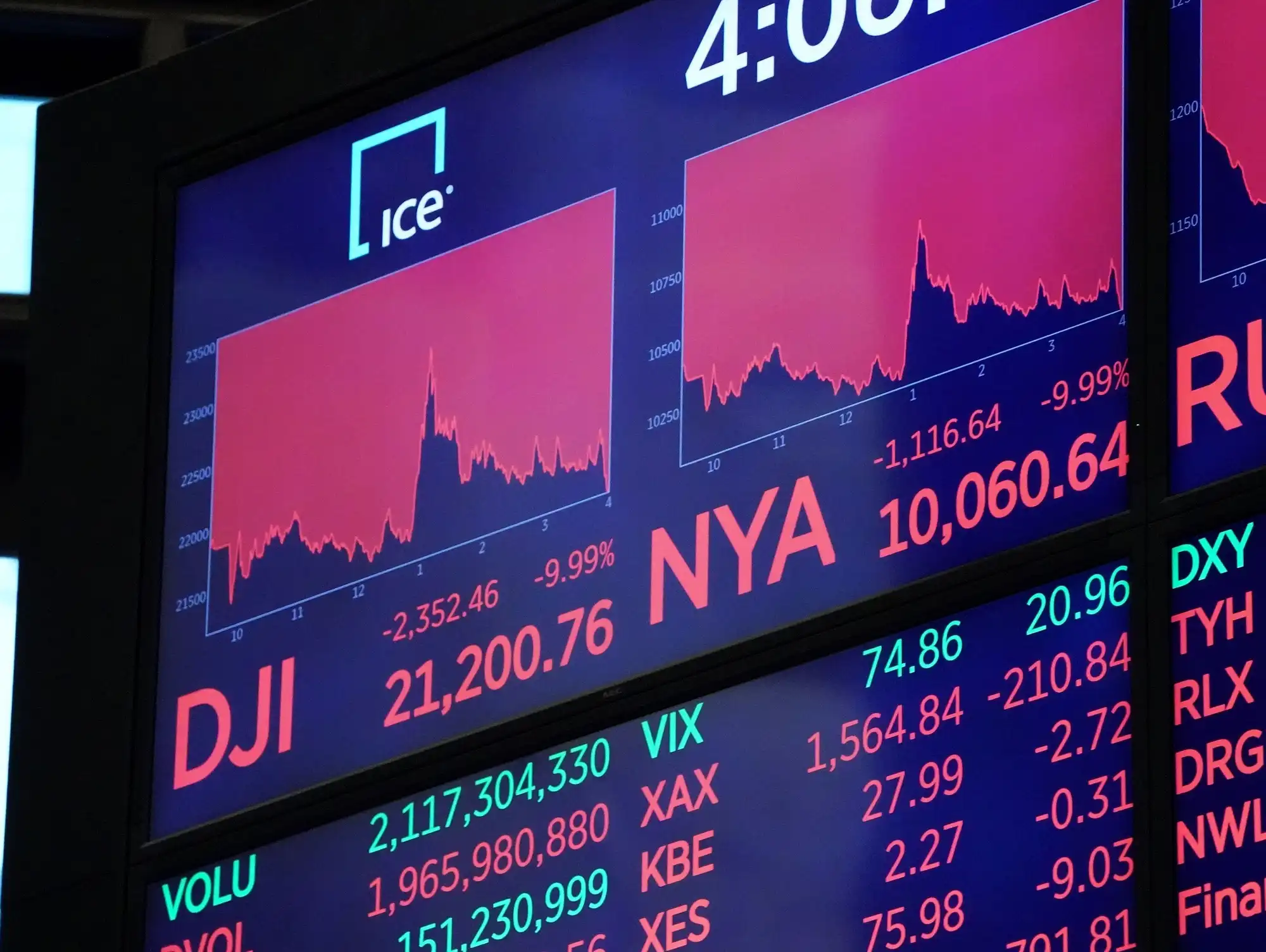
To get a deeper answer to “what did the Dow do today,” sophisticated investors look at market breadth. This involves checking how many of the 30 Dow stocks actually finished the day higher versus lower. If the Dow is up 100 points but only five stocks were in the green, it suggests that a few heavy-hitters are carrying the index, which might indicate a lack of broad-based strength. Tools that show “heat maps” of the index can help you visualize which sectors (e.g., Energy vs. Technology) performed well, providing a clearer picture of where the money is flowing.
Conclusion: Putting the Dow in Perspective
When we ask what the Dow did today, we are seeking a sense of direction in an unpredictable financial world. While the Dow Jones Industrial Average is a powerful symbol of American corporate might and a vital tool for assessing market sentiment, it is only one piece of the puzzle. A single day’s movement—whether a record-breaking surge or a precipitous drop—rarely changes the fundamental trajectory of a well-diversified long-term investment plan.
By understanding the mechanics of the price-weighted index, the macroeconomic forces that drive daily changes, and the tools available for analysis, you can move from being a passive observer of the market to an informed participant. The Dow’s daily performance is the “news,” but your investment strategy is the “story.” Keep your eyes on the long-term horizon, and use the daily updates not as a reason to panic, but as a data point in the lifelong journey of financial growth.
aViewFromTheCave is a participant in the Amazon Services LLC Associates Program, an affiliate advertising program designed to provide a means for sites to earn advertising fees by advertising and linking to Amazon.com. Amazon, the Amazon logo, AmazonSupply, and the AmazonSupply logo are trademarks of Amazon.com, Inc. or its affiliates. As an Amazon Associate we earn affiliate commissions from qualifying purchases.