
For seasoned investors and curious beginners alike, the rhythm of the New York Stock Exchange (NYSE) dictates the pulse of the global economy. Understanding exactly what time the NYSE closes is more than just a matter of knowing when a clock strikes four; it is about understanding the mechanics of liquidity, the nuances of price discovery, and the strategic windows that can make or break a portfolio. In the world of high-stakes finance, timing isn’t just a factor—it is the foundation of execution.
Understanding the Standard Trading Hours of the New York Stock Exchange
The New York Stock Exchange, located at the iconic 11 Wall Street in Lower Manhattan, operates on a very specific schedule. For the vast majority of retail investors, the trading day is defined by a six-and-a-half-hour window that facilitates the buying and selling of trillions of dollars in equities.
The Core Trading Session: 9:30 AM to 4:00 PM ET
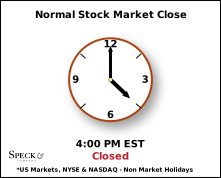
The official “closing bell” of the NYSE rings at 4:00 PM Eastern Time (ET), Monday through Friday. This marks the end of the core trading session. While the world has transitioned almost entirely to electronic trading, the NYSE maintains a physical floor where Designated Market Makers (DMMs) oversee the auction process. The period from 9:30 AM to 4:00 PM is when liquidity is at its highest, meaning there are enough buyers and sellers to ensure that trades are executed quickly and at prices that closely reflect the actual market value of a security.
The Significance of the “Closing Bell”
The closing bell is more than a ceremonial tradition; it serves a vital functional purpose in the financial world. At exactly 4:00 PM ET, the NYSE runs a “Closing Auction.” This process aggregates all the buy and sell orders that have been placed throughout the day and determines a single, official closing price for every stock listed on the exchange. This “closing price” is the benchmark used by mutual funds to calculate their Net Asset Value (NAV) and by indices like the S&P 500 to determine their daily performance.
Why 4:00 PM Matters for Retail Investors
For the individual investor managing a retirement account or a personal brokerage portfolio, the 4:00 PM close represents the deadline for “Market” orders. If you place a market order at 3:59 PM, it will likely be filled at the current price. If you wait until 4:01 PM, your order will either be queued for the following morning or moved into the “after-hours” market, where price volatility is significantly higher and liquidity is lower.
Beyond the Bell: Extended Hours and After-Hours Trading
While the physical floor may quiet down after 4:00 PM, the digital heart of the market continues to beat. Modern financial technology has enabled what is known as “extended-hours trading,” allowing participants to react to news that breaks outside of the standard window.
How After-Hours Trading Works
After-hours trading typically occurs from 4:00 PM to 8:00 PM ET. During this time, trades are executed through Electronic Communication Networks (ECNs) rather than the centralized exchange floor. This session is primarily used by institutional investors and high-net-worth individuals, though most major retail brokerages (such as Charles Schwab, Fidelity, or Robinhood) now allow their users to participate in these sessions.
Risks and Rewards of Late-Day Volatility
The primary reason investors trade after the 4:00 PM close is to react to earnings reports or major geopolitical news. For example, if a major tech company releases a disappointing quarterly report at 4:05 PM, the stock price may plummet immediately. Investors who wait until the next morning’s 9:30 AM open may find themselves “gapping down,” losing significant value before they even have a chance to sell. However, after-hours trading is risky; because there are fewer participants, the “bid-ask spread” (the difference between the buying price and selling price) is much wider, which can lead to unfavorable execution prices.
Pre-Market Sessions: Getting an Early Start
Just as there is a session after the close, there is a session before the open. Pre-market trading on the NYSE typically begins as early as 4:00 AM ET, though the volume is incredibly thin until about 8:00 AM ET. Professional traders use this time to set their strategies based on how European markets are performing or in response to overnight economic data, such as inflation reports or employment numbers.
Market Holidays and Early Closures: Planning Your Trading Calendar
The NYSE does not operate 365 days a year. To manage a professional investment strategy, one must be aware of the “market calendar,” which includes federal holidays and specific days where the exchange closes its doors early.
Standard Federal Holidays and NYSE Closures
The NYSE generally follows the U.S. federal holiday schedule, with a few exceptions. The exchange is closed on New Year’s Day, Martin Luther King Jr. Day, Washington’s Birthday (Presidents’ Day), Good Friday, Memorial Day, Juneteenth National Independence Day, Independence Day, Labor Day, Thanksgiving Day, and Christmas Day. If a holiday falls on a Saturday, the market usually closes on the preceding Friday. If it falls on a Sunday, the market closes on the following Monday.
Early Close Days and Why They Occur
There are specific days throughout the year when the NYSE closes early, typically at 1:00 PM ET. These usually occur on the day after Thanksgiving (Black Friday) and sometimes on Christmas Eve, depending on the day of the week. These early closures reflect the reduced staffing at major banks and firms, as well as lower overall trading volume. For an investor, these days are often characterized by “sideways” movement, as few institutional players are looking to make big moves.
Managing Portfolio Risk During Long Weekends
Long weekends present a unique risk known as “weekend risk.” Because the NYSE is closed for three days, any major negative event—a natural disaster, a sudden bank failure, or a geopolitical conflict—cannot be traded upon until Monday morning. Professional money managers often “hedge” their positions or reduce their exposure on the Friday before a long holiday weekend to ensure they aren’t caught off guard by a “gap” in price when the market reopens.
Global Impact and the “Closing Cross” Mechanism
The closing time of the NYSE doesn’t just affect American investors; it is a global event that triggers a chain reaction across international markets.
Understanding the NYSE Closing Cross
The “Closing Cross” is the automated process the NYSE uses to execute the final trades of the day. As 4:00 PM approaches, the exchange begins publishing “imbalance” data. This tells traders whether there are more buy orders or sell orders remaining. This transparency allows the market to find an equilibrium price. For large-scale institutional investors, participating in the Closing Cross is essential for executing “Market on Close” (MOC) orders, which ensure they receive the official daily closing price for their clients.
How the NYSE Schedule Affects International Markets
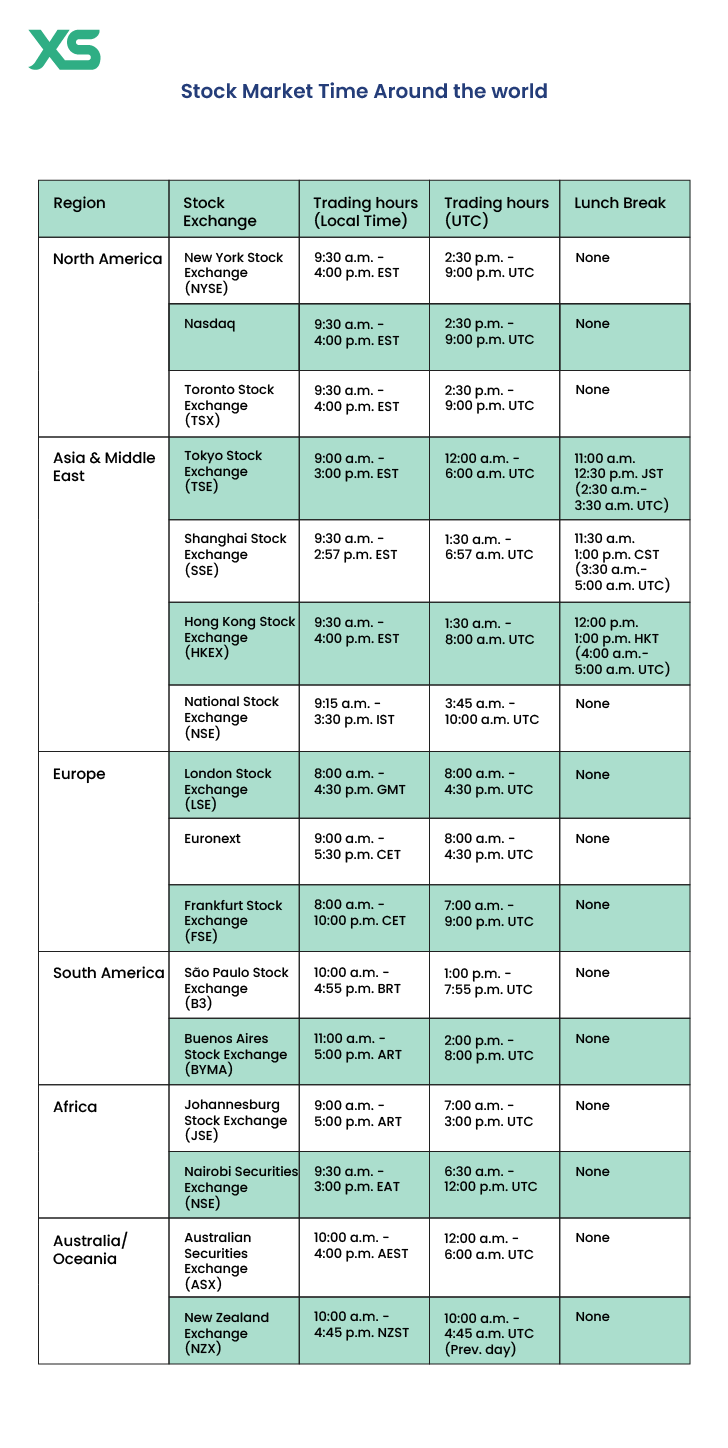
The close of the NYSE often sets the tone for the opening of Asian markets, such as the Tokyo Stock Exchange (TSE) and the Hong Kong Stock Exchange (HKEX). If the NYSE closes in deep “red” (at a loss), it often triggers a sell-off in overseas markets as investors anticipate a global downward trend. Conversely, a strong close on Wall Street often provides a “tail-wind” for international equities.
The Role of Time Zones in Global Finance
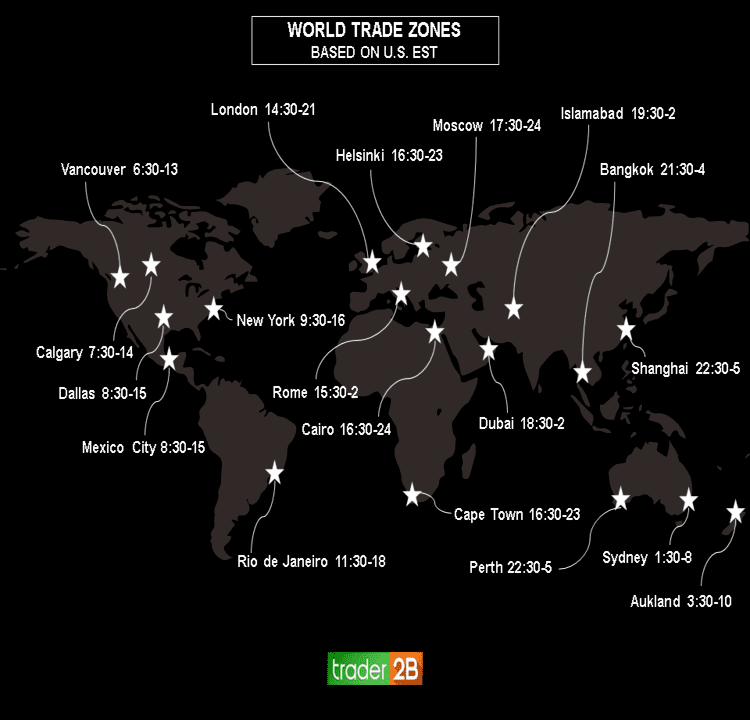
For investors located in London, the NYSE closes at 9:00 PM. For those in California, it closes at 1:00 PM. This staggered schedule creates a “24-hour” cycle of global capital. Understanding the NYSE closing time within your local time zone is crucial for managing “stop-loss” orders and ensuring that you are not caught unaware by price movements that happen while you are away from your terminal.
Optimizing Your Investment Strategy Around Market Timing
While the phrase “time in the market is better than timing the market” is a staple of personal finance, understanding the specific hours of the NYSE can help optimize entry and exit points for your investments.
The Best Times of Day to Place Trades
Data shows that the first 30 minutes (9:30 AM – 10:00 AM) and the last 30 minutes (3:30 PM – 4:00 PM) of the trading day are the most volatile and have the highest volume. For a long-term investor, it is often better to avoid these “rush hours.” Executing trades during the “mid-day lull” (typically 12:00 PM to 2:00 PM ET) often results in smoother executions, as the initial morning fervor has died down and the end-of-day scramble hasn’t yet begun.
Avoiding the “Amateur Hour” Trap
Many market veterans refer to the opening minutes of the NYSE as “Amateur Hour.” This is when retail investors react emotionally to news that happened overnight. Professional traders often wait for the market to “settle” before committing capital. By understanding that the NYSE closing time is the ultimate arbiter of value for the day, disciplined investors can avoid overpaying for stocks during the morning hype.
Utilizing Limit Orders for Non-Standard Hours
If you cannot be at your computer at 4:00 PM ET when the NYSE closes, the best tool at your disposal is the “Limit Order.” Unlike a Market Order, which executes at whatever price is available, a Limit Order allows you to set a specific price at which you are willing to buy or sell. These orders can be set to “Good ‘Til Canceled” (GTC), meaning they will remain active across multiple days of NYSE closes until your price target is hit.
In conclusion, the closing of the NYSE is more than just the end of a workday; it is a critical synchronization point for the entire world of finance. By mastering the schedule—from the core hours to the extended sessions and holiday breaks—you position yourself not just as a participant in the market, but as a strategist capable of navigating the complex ebbs and flows of global wealth.
aViewFromTheCave is a participant in the Amazon Services LLC Associates Program, an affiliate advertising program designed to provide a means for sites to earn advertising fees by advertising and linking to Amazon.com. Amazon, the Amazon logo, AmazonSupply, and the AmazonSupply logo are trademarks of Amazon.com, Inc. or its affiliates. As an Amazon Associate we earn affiliate commissions from qualifying purchases.