
The question “What stock should I buy?” is perhaps the most common entry point into the world of high-finance, yet it is also one of the most complex to answer. For the novice investor, the stock market can appear like a chaotic digital bazaar, filled with acronyms, fluctuating charts, and conflicting expert opinions. However, successful investing is rarely about finding a “hot tip” or a “get-rich-quick” ticker symbol. Instead, it is about aligning your capital with companies that exhibit long-term value, sustainable growth, and financial health.
Before clicking the “buy” button, an investor must transition from a mindset of speculation to a mindset of ownership. When you buy a stock, you are purchasing a fractional piece of a living, breathing business. To determine which stock is right for your portfolio, you must evaluate your own financial goals, understand different investment styles, and learn the fundamental metrics that separate a winning company from a failing one.
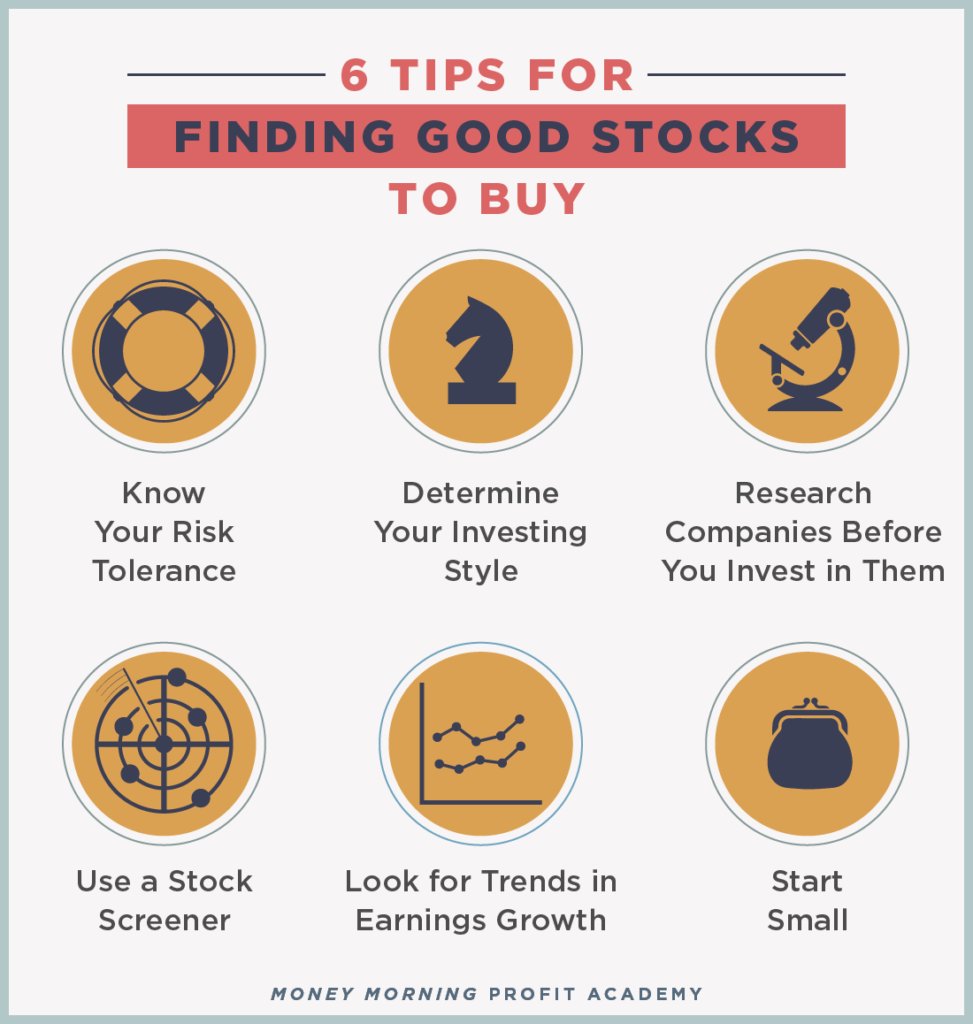
1. Establishing Your Investment Framework
Before diving into specific tickers, you must build a foundation. The “best” stock for a 22-year-old starting their career is vastly different from the best stock for a 65-year-old entering retirement. Your personal financial landscape dictates your selection process.
Assessing Your Risk Tolerance
Risk tolerance is your emotional and financial ability to withstand market volatility. If the thought of your portfolio dropping 20% in a single month keeps you awake at night, you should lean toward “Blue Chip” stocks—established giants with steady earnings. Conversely, if you have a high risk tolerance and a long time horizon, you might look toward high-growth, volatile sectors like emerging tech or biotech.
Defining Your Investment Timeline
Are you investing for a house down payment in three years or for retirement in thirty? Time is the greatest asset in the world of finance. A long-term horizon allows you to ride out the inevitable “corrections” and “bear markets.” If your timeline is short, you should prioritize capital preservation over aggressive growth.
The Importance of Liquidity and Emergency Funds
Never invest money that you might need for immediate expenses. The stock market is not a high-yield savings account; it is a place for long-term capital appreciation. Ensure you have three to six months of living expenses in a liquid account before committing funds to individual equities. This prevents “forced selling”—being forced to sell your stocks at a loss because you need cash for an emergency.
2. Choosing an Investment Strategy: Growth, Value, or Income
Once your foundation is set, you need to decide which “lane” of investing suits your objectives. Most professional portfolios are a mix of these three, but understanding their differences is crucial for stock selection.
Growth Investing: Chasing Innovation
Growth stocks belong to companies that are expected to grow sales and earnings at a faster rate than the market average. These companies often reinvest all their profits back into research, development, and expansion, meaning they rarely pay dividends.
- What to look for: High revenue growth, expanding market share, and a “disruptive” product or service.
- The Trade-off: Growth stocks are often expensive (high P/E ratios) and can be highly volatile.
Value Investing: Hunting for Market Inefficiencies
Value investing is the art of buying stocks that are trading for less than their intrinsic value. This is the philosophy famously championed by Warren Buffett. Value investors look for “unpopular” companies that have been unfairly beaten down by the market but still possess strong fundamentals.
- What to look for: Low Price-to-Earnings (P/E) ratios, high book value, and strong cash flow relative to stock price.
- The Trade-off: A stock might stay “cheap” for a very long time, or it might be a “value trap”—a company whose business model is actually in permanent decline.
Income Investing: The Power of Dividends
Income investors prioritize stocks that pay a portion of their earnings back to shareholders in the form of dividends. This is popular among those seeking passive income.
- What to look for: A history of consistent dividend increases (Dividend Aristocrats) and a sustainable payout ratio (the percentage of earnings paid as dividends).
- The Trade-off: High-dividend companies are often mature and slow-growing. You trade “moonshot” growth for steady, predictable checks.
3. Fundamental Analysis: How to Evaluate a Company
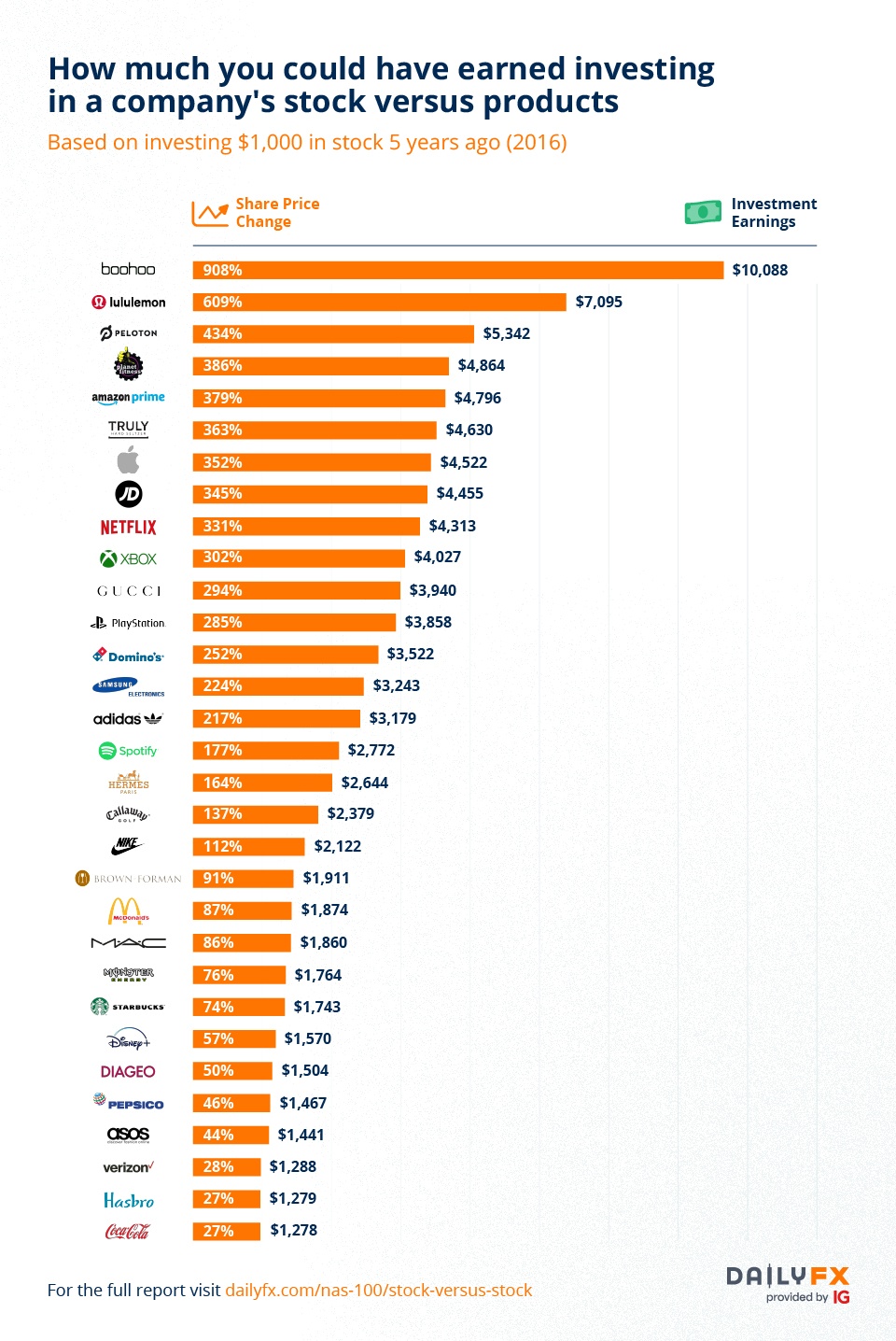
To answer “What stock should I buy?” you must look under the hood. Fundamental analysis is the process of looking at a business’s financial health and its competitive environment.
Reading the Financial Statements
There are three main documents you should review:
- The Income Statement: Shows revenue, expenses, and profit over a period. Look for consistent “top-line” (revenue) and “bottom-line” (net income) growth.
- The Balance Sheet: Shows assets, liabilities, and equity. A healthy company should have more assets than liabilities and a manageable level of debt.
- The Cash Flow Statement: Shows how much actual cash is entering and leaving the company. Look for “Free Cash Flow”—this is the money left over to pay dividends, buy back shares, or reinvest in the business.
Key Financial Ratios
- P/E Ratio (Price-to-Earnings): Compares the stock price to its earnings per share. It tells you how much the market is willing to pay for $1 of the company’s profit.
- Debt-to-Equity Ratio: Measures a company’s financial leverage. Too much debt can be a red flag, especially in a high-interest-rate environment.
- ROE (Return on Equity): Measures how effectively management is using investors’ money to generate profit.
Identifying the “Economic Moat”
Coined by Warren Buffett, a “moat” is a competitive advantage that protects a company from its rivals. This could be a powerful brand (like Coca-Cola), a high barrier to entry (like aerospace manufacturing), or a “network effect” (where a service becomes more valuable as more people use it). A company with a wide moat is much more likely to provide long-term returns.
4. Diversification and the Role of ETFs
While picking individual stocks can be rewarding, it also carries significant risk. If that one company fails, your portfolio suffers. This is where diversification comes in.
The Danger of Over-Concentration
Many new investors make the mistake of “putting all their eggs in one basket,” often in a sector they feel they understand, like Tech or Retail. However, if that specific sector takes a hit, your entire net worth can plummet. Diversification involves spreading your investments across different industries (Healthcare, Finance, Energy, Consumer Goods) and even different geographies.
Exchange-Traded Funds (ETFs) as an Alternative
If the task of analyzing individual stocks seems too daunting, consider ETFs. An ETF is a basket of hundreds or even thousands of stocks that you can buy with a single transaction. For example, buying an S&P 500 ETF gives you exposure to the 500 largest companies in the United States. This provides instant diversification and lowers the “single-stock risk.” Many successful investors use a “Core and Satellite” approach—putting the majority of their money in broad index funds (the core) and picking a few individual stocks they believe in (the satellites).
5. Developing the Investor’s Mindset
Ultimately, the most important factor in your success isn’t just which stock you buy, but how you behave once you own it. The stock market is a test of temperament as much as intelligence.
Avoiding the Hype and FOMO
The “Fear of Missing Out” (FOMO) often leads investors to buy stocks at their peak because they see everyone else making money. This is how bubbles are formed. By the time a stock is being discussed by everyone at the dinner table, the “easy money” has likely already been made. Stick to your research and avoid chasing parabolic price charts.
The Power of Compound Interest
Albert Einstein reportedly called compound interest the “eighth wonder of the world.” The goal of buying stocks is to let your money work for you. By reinvesting dividends and allowing your capital to grow over years and decades, your wealth begins to grow exponentially. This requires patience—the “get-rich-slow” method is the only one with a proven track record.
Reviewing and Rebalancing
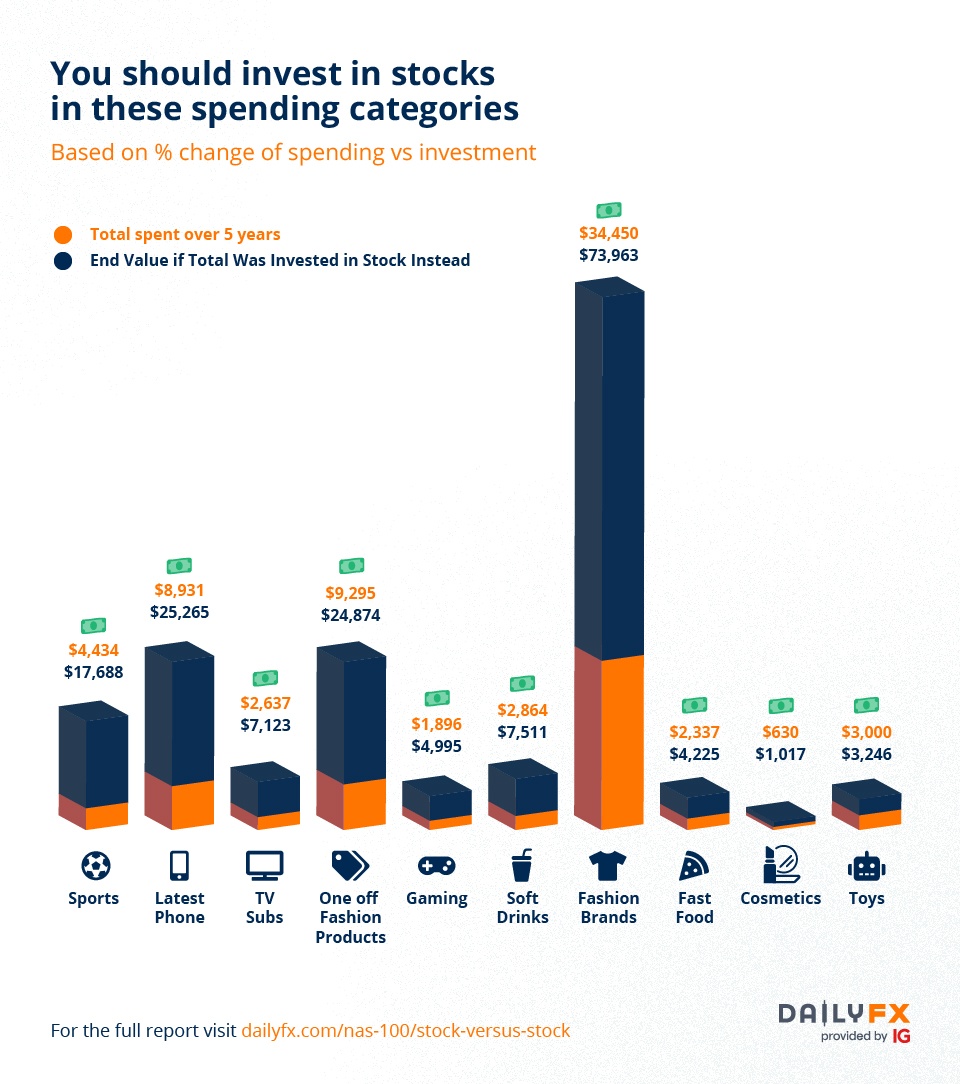
Your job doesn’t end after the purchase. You should review your portfolio at least twice a year. Has the company’s story changed? Is the management still competent? If a stock has grown so much that it now makes up 50% of your portfolio, it might be time to “rebalance”—sell a little bit of the winner to buy other undervalued assets, keeping your risk levels in check.
In conclusion, “What stock should I buy?” is not a question with a single answer. It is a journey of discovery that begins with your own financial goals and ends with a disciplined, research-backed selection process. Whether you choose aggressive growth companies, steady dividend payers, or broad-market ETFs, the key is to stay informed, stay diversified, and stay the course. Investing is a marathon, not a sprint; the best time to start was yesterday, but the second-best time is today.
aViewFromTheCave is a participant in the Amazon Services LLC Associates Program, an affiliate advertising program designed to provide a means for sites to earn advertising fees by advertising and linking to Amazon.com. Amazon, the Amazon logo, AmazonSupply, and the AmazonSupply logo are trademarks of Amazon.com, Inc. or its affiliates. As an Amazon Associate we earn affiliate commissions from qualifying purchases.