
The stock market is often viewed as a barometer for economic health and a primary vehicle for long-term wealth creation. However, this engine of prosperity is occasionally prone to sudden, violent disruptions known as stock market crashes. For the uninitiated, a crash can feel like a chaotic expiration of wealth; for the seasoned investor, it is a period of intense risk that demands a disciplined, strategic response.
A stock market crash is generally defined as a rapid and often unanticipated drop in stock prices across a significant cross-section of a stock market. While there is no specific numerical threshold that officially categorizes a “crash,” the term is typically reserved for double-digit percentage declines—often 10% to 20% or more—occurring over the span of a few days or even hours. Understanding the mechanics, history, and psychology of these events is essential for anyone looking to navigate the world of personal finance and investing.
The Anatomy of a Crash: Definitions and Market Mechanics
To understand what a stock market crash is, one must first distinguish it from other types of market movements. The financial world uses specific terminology to describe downward trends, and while they are related, they represent different levels of severity and duration.
Correction vs. Bear Market vs. Crash
A “correction” is a decline of 10% or more from a recent peak. Corrections are common and often viewed as healthy “breathers” for a market that has become overextended. A “bear market” is a more sustained decline of 20% or more from recent highs, often lasting months or years, usually accompanied by economic stagnation.
A crash is distinct because of its velocity. While a bear market might take months to grind down, a crash is a sharp, vertical drop. It is the financial equivalent of a flash flood—sudden, overwhelming, and driven by a feedback loop of panic selling.
The Role of Panic and Liquidity
At the heart of every crash is a liquidity crisis fueled by psychological panic. When prices begin to drop sharply, investors—fearing further losses—rush to sell their holdings simultaneously. This surge in “sell” orders meets a vacuum of “buy” orders. As buyers disappear, sellers are forced to accept lower and lower prices to exit their positions. This creates a downward spiral where the price drop itself triggers more selling, often exacerbated by automated trading algorithms and margin calls.
Market Circuit Breakers
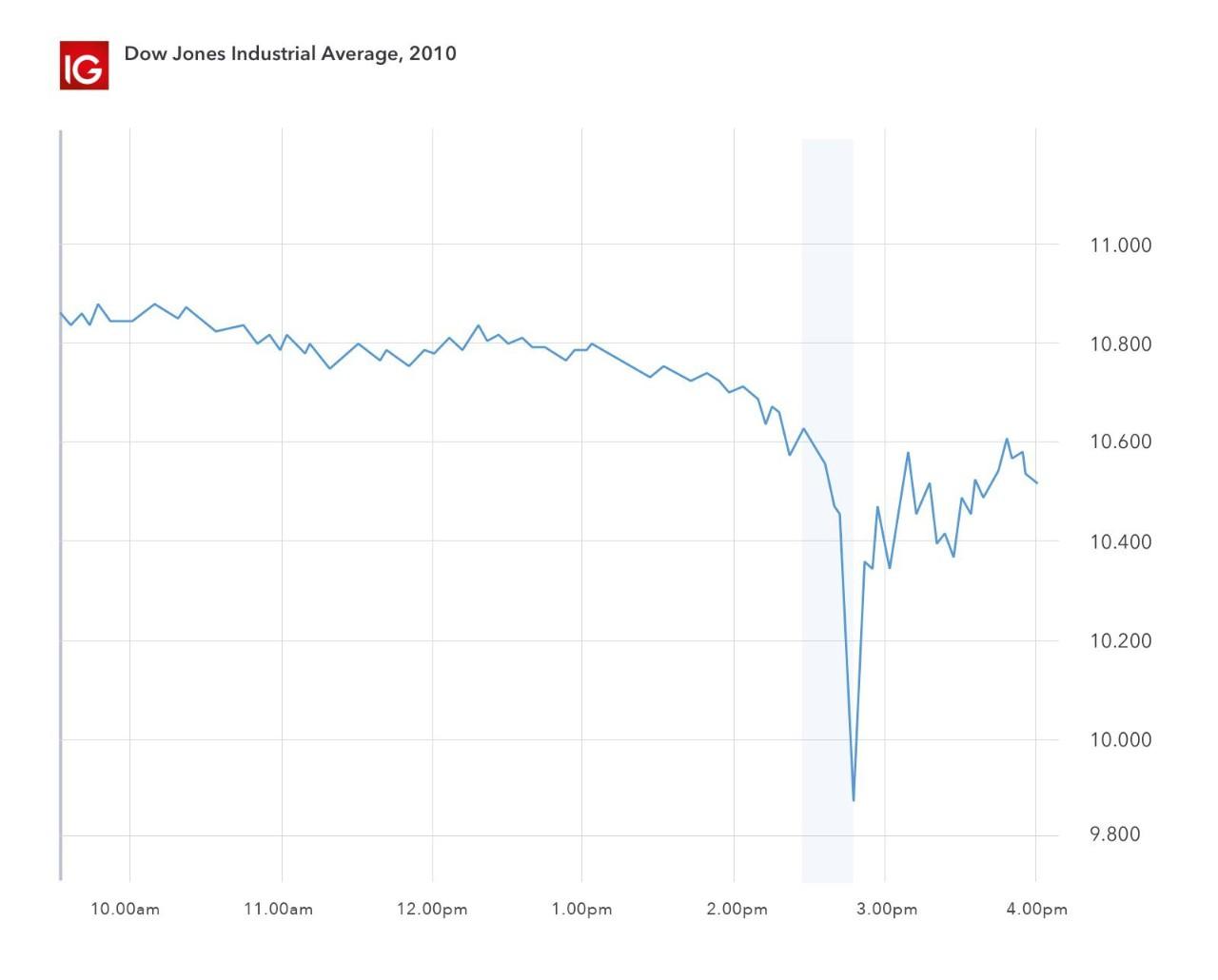
In the modern era, stock exchanges have implemented “circuit breakers” to prevent a total collapse. These are temporary halts in trading triggered by specific percentage drops in major indices like the S&P 500. For instance, a 7% drop (Level 1) or a 13% drop (Level 2) will pause trading for 15 minutes, allowing investors to catch their breath and digest information. A 20% drop (Level 3) typically shuts down the market for the remainder of the trading day. These mechanisms are designed to transform a chaotic crash into a more orderly decline.
Historical Precedents: Lessons from the Financial Frontlines
History is the best teacher when it comes to market volatility. By examining previous crashes, investors can identify recurring patterns and understand the long-term resilience of the financial system.
The Great Crash of 1929
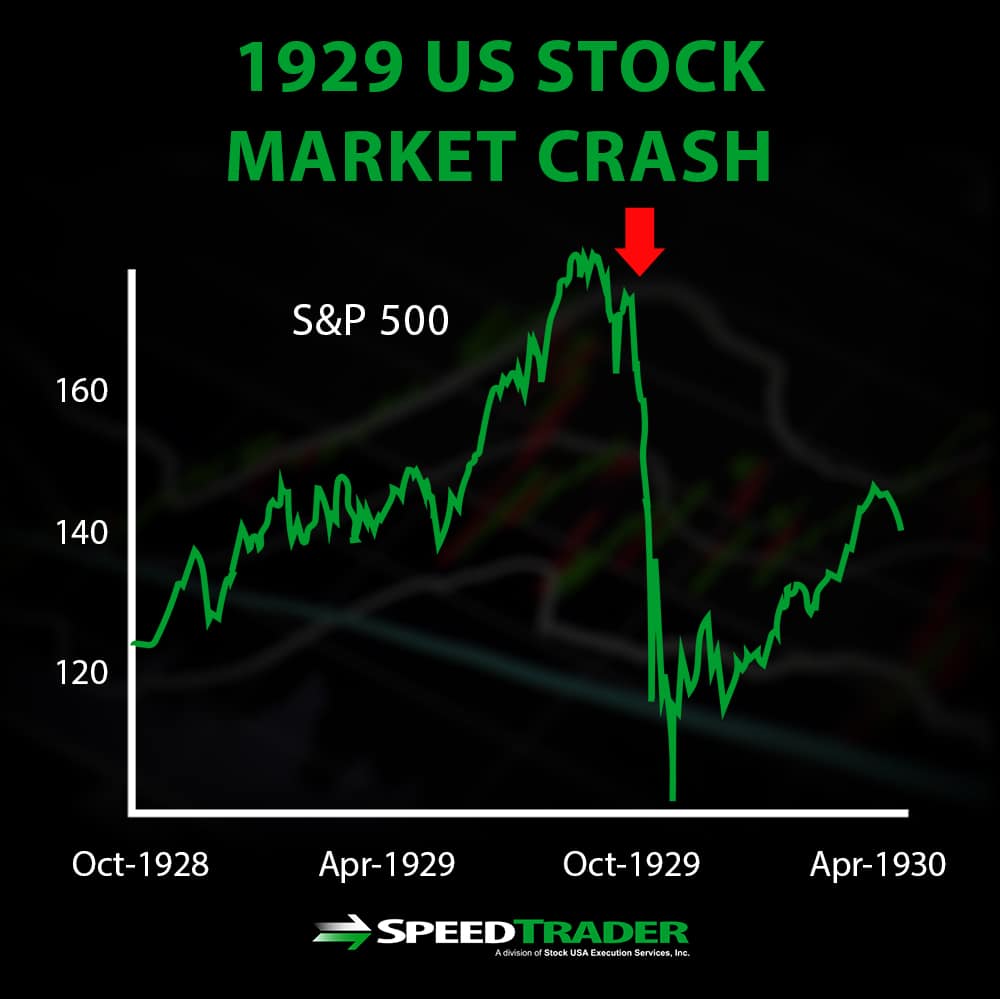
Perhaps the most famous crash in history, the 1929 collapse signaled the beginning of the Great Depression. Following a decade of rampant speculation and excessive use of leverage (borrowed money), the market peaked in September 1929 and plummeted in October. On “Black Tuesday,” the market fell 12%. The primary lesson from 1929 was the danger of “buying on margin”—when investors use debt to buy stocks, a price drop can force them to sell to pay back the loan, fueling a catastrophic feedback loop.
Black Monday (1987)
On October 19, 1987, the Dow Jones Industrial Average fell by 22.6% in a single day—the largest one-day percentage drop in history. Unlike 1929, this crash was not followed by an economic depression. Instead, it was largely attributed to “program trading,” where early computer models triggered massive sell orders simultaneously. This event led to the creation of the aforementioned circuit breakers, highlighting the need for human intervention when automated systems go rogue.
The 2008 Global Financial Crisis
The 2008 crash was rooted in the housing market and the collapse of complex mortgage-backed securities. When the “housing bubble” burst, it threatened the entire global banking system. The S&P 500 lost approximately 50% of its value from its 2007 peak to its 2009 bottom. This era taught investors about “systemic risk”—the idea that a failure in one sector (real estate) can trigger a total market collapse if the financial institutions are too deeply interconnected.
The Catalysts: Why Do Markets Suddenly Collapse?
Stock market crashes rarely happen in a vacuum. They are usually the result of a “perfect storm” of economic, psychological, and external factors that converge at once.
Economic Bubbles and Overvaluation
The most frequent precursor to a crash is an economic bubble. This occurs when the price of an asset (like tech stocks in the 1990s or housing in the 2000s) rises far above its intrinsic value, driven by “irrational exuberance.” Eventually, the gap between reality and speculation becomes unsustainable. When the first few investors start to take profits, the bubble “pops,” and the rush for the exit begins.
External Shocks and “Black Swan” Events
A “Black Swan” is an unpredictable event that has a massive impact. The COVID-19 pandemic in early 2020 is a classic example. The market crashed nearly 30% in a matter of weeks as the world grappled with the prospect of a total economic shutdown. Other external shocks include geopolitical conflicts, sudden changes in interest rates by central banks, or major corporate scandals.
The Impact of Leverage and Margin Calls
Leverage acts as an accelerant. In a bull market, borrowing money to invest amplifies gains. In a crash, it amplifies ruin. When stock prices fall to a certain level, brokers issue “margin calls,” requiring investors to deposit more cash or sell their stocks immediately. This forced selling adds massive supply to a market where there is already no demand, causing prices to “gap down” even further.
Navigating the Storm: Strategies for Individual Investors
While a market crash is frightening, it does not have to be financially fatal. Successful investors distinguish themselves not by how they act during the “good times,” but by how they manage their emotions and portfolios during a crash.
The Importance of Asset Allocation and Diversification
The first line of defense against a crash is a well-diversified portfolio. If you are 100% invested in high-growth tech stocks, a crash will hit you significantly harder than if you have a mix of equities, bonds, real estate, and cash. Proper asset allocation ensures that even if one part of your portfolio is suffering, other assets may hold their value or even rise (as gold or government bonds often do during “flight to safety” periods).
Emotional Discipline: Avoiding the “Panic Sell”
The worst thing an investor can do during a crash is sell at the bottom. Selling during a crash “locks in” your losses. Historically, the stock market has a 100% recovery rate from every crash it has ever experienced. Those who stay the course—or “HODL” in modern parlance—frequently see their portfolios recover and reach new highs within a few years. Maintaining a long-term perspective is the most difficult but most rewarding strategy in personal finance.
Seeking Opportunity in the Rubble
For those with a high risk tolerance and available cash, a stock market crash is often a generational buying opportunity. Famous investor Warren Buffett famously advised: “Be fearful when others are greedy, and greedy when others are fearful.” During a crash, fundamentally strong companies are often “thrown out with the bathwater,” meaning their stock prices drop along with the rest of the market despite their businesses remaining healthy. Purchasing high-quality assets at a 30% or 40% discount can lead to significant wealth accumulation during the subsequent recovery.
Conclusion: The Resilience of the Financial Ecosystem
A stock market crash is a violent correction of excesses, a painful but ultimately natural part of the economic cycle. While the headlines during a crash are often filled with doom and gloom, it is important to remember that markets are resilient. They are composed of millions of businesses, innovations, and human efforts that continue to strive for growth even after a setback.
By understanding that crashes are a “when,” not an “if,” investors can move away from fear and toward preparation. Through diversification, the avoidance of excessive leverage, and the cultivation of emotional discipline, you can protect your financial future. In the world of money, a crash is not the end of the story—it is simply a challenging chapter that tests the fortitude of the investor. Those who survive the storm are the ones who ultimately reap the rewards of the sunnier days that inevitably follow.
aViewFromTheCave is a participant in the Amazon Services LLC Associates Program, an affiliate advertising program designed to provide a means for sites to earn advertising fees by advertising and linking to Amazon.com. Amazon, the Amazon logo, AmazonSupply, and the AmazonSupply logo are trademarks of Amazon.com, Inc. or its affiliates. As an Amazon Associate we earn affiliate commissions from qualifying purchases.