
The journey toward financial independence often begins with a single question: “How can I invest in stocks?” For many, the stock market feels like a complex, high-stakes arena reserved for Wall Street professionals and those with vast amounts of capital. However, the reality of modern finance is far more inclusive. Today, anyone with an internet connection and a few dollars can participate in the growth of the world’s most successful companies.
Investing in stocks is one of the most effective ways to build long-term wealth. By purchasing shares, you are essentially buying a piece of a business, allowing you to share in its profits and growth. But while the barrier to entry is lower than ever, the need for a strategic approach remains paramount. To move from a curious observer to a confident investor, you must understand the mechanics of the market, prepare your personal finances, and develop a disciplined strategy.
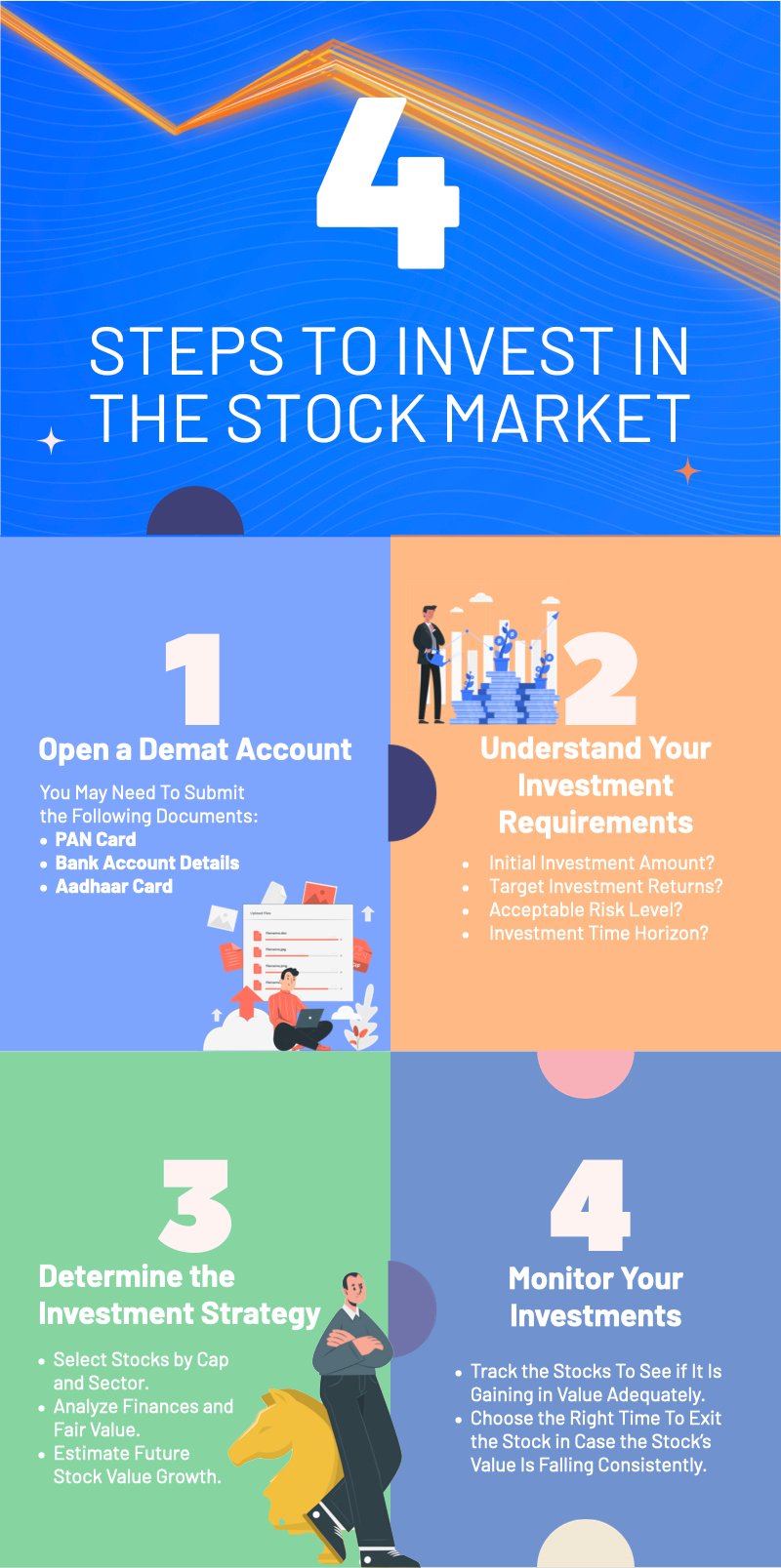
Understanding the Fundamentals of the Stock Market
Before committing your hard-earned money, it is essential to understand exactly what happens when you “invest.” The stock market is not a gambling den; it is a marketplace for ownership.
What is a Stock?
A stock, also known as equity, represents a claim on a part of a corporation’s assets and earnings. When you buy a share, you become a partial owner of that company. If the company prospers, the value of your shares typically increases, and you may even receive a portion of the profits in the form of dividends. Conversely, if the company struggles, the value of your shares may decline. The goal of the investor is to identify businesses that will create value over time, thereby increasing the value of the investor’s holdings.
How the Market Works: Exchanges and Indices
Stocks are traded on exchanges, such as the New York Stock Exchange (NYSE) or the NASDAQ. These platforms facilitate the buying and selling of shares between investors. To track the performance of the market as a whole, we use “indices.” The S&P 500, for example, tracks the performance of 500 of the largest companies in the United States. When people say “the market is up,” they are usually referring to the movement of these indices. Understanding these benchmarks is crucial because they provide a yardstick against which you can measure your own investment performance.
The Power of Compound Interest
The most significant advantage of stock market investing is compound interest—what Albert Einstein reportedly called the “eighth wonder of the world.” Compounding occurs when the returns on your investments start to earn their own returns. Over years and decades, this creates an exponential growth curve. For example, a $10,000 investment that grows at an average annual rate of 7% will double in about ten years. In twenty years, it will have quadrupled. The “secret” to stock market success is often less about picking the perfect stock and more about giving your money enough time to compound.
Preparing Your Finances Before You Dive In
Investing is a powerful tool, but it should never be done in a vacuum. Your investment strategy must be supported by a solid financial foundation. Jumping into the market while your personal finances are in disarray is a recipe for disaster.
Building an Emergency Fund
The stock market is inherently volatile. Prices fluctuate daily, and significant downturns can last for months or even years. Because of this, you should never invest money that you might need in the short term. Before buying your first stock, ensure you have an emergency fund—typically three to six months of living expenses—saved in a high-yield savings account. This “buffer” ensures that if you lose your job or face an unexpected medical bill, you won’t be forced to sell your stocks at a loss during a market dip.
Managing High-Interest Debt
It rarely makes financial sense to invest in stocks if you are carrying high-interest debt, such as credit card balances. If your credit card charges 20% interest and the stock market historically returns an average of 7% to 10% per year, you are effectively losing money by investing instead of paying off the debt. Prioritize clearing high-interest liabilities first. Once your debt is managed, the “interest” you were paying to the bank can be redirected into your investment portfolio.
Setting Your Investment Goals
Why are you investing? Are you saving for retirement forty years away, a down payment on a house in five years, or your child’s education? Your goals dictate your “time horizon” and your “risk tolerance.” A young professional saving for retirement can afford to take more risks because they have decades to recover from market swings. Someone nearing retirement, however, should focus on capital preservation. Clearly defining your goals will help you choose the right types of stocks and accounts.
Choosing Your Investment Strategy and Account Type
Once your finances are stable, you need to decide how you will actually interact with the market. There are several paths you can take, ranging from “set it and forget it” to a more hands-on approach.
Passive vs. Active Investing
Active investing involves trying to “beat the market” by picking individual stocks or timing your entries and exits based on research and trends. This requires significant time, effort, and financial literacy. Passive investing, on the other hand, involves buying a broad slice of the market (usually through index funds) and holding it for the long term. Data consistently shows that the majority of active investors fail to outperform the general market over long periods. For most beginners, a passive or “lazy” portfolio is the most reliable path to wealth.
Individual Brokerage Accounts vs. Retirement Accounts
Where you hold your stocks matters as much as what stocks you hold.
- Standard Brokerage Accounts: These offer the most flexibility. You can deposit and withdraw money at any time, but you will pay taxes on your capital gains and dividends.
- Retirement Accounts (e.g., 401k, IRA, Roth IRA): These accounts offer significant tax advantages. In a Roth IRA, for example, your investments grow tax-free, and you pay no taxes on withdrawals in retirement. The trade-off is that there are often penalties for withdrawing money before age 59½. Using these accounts is one of the most efficient ways to maximize your “money” niche returns.
The Role of Robo-Advisors
If the idea of managing your own portfolio feels overwhelming, robo-advisors (such as Betterment or Wealthfront) offer a middle ground. These digital platforms use algorithms to build and manage a diversified portfolio based on your risk tolerance and goals. They handle the “rebalancing” and tax-loss harvesting for a small fee, making them an excellent choice for those who want a professional touch without the high costs of a human financial advisor.
How to Select and Purchase Your First Stocks
Now comes the practical part: actually buying the assets. In the modern era, this process is digital and incredibly streamlined.
Diversification through ETFs and Mutual Funds
One of the most common mistakes beginners make is putting all their money into one or two famous companies. This is known as concentration risk. To mitigate this, most experts recommend Exchange-Traded Funds (ETFs) or Mutual Funds. An ETF is a basket of hundreds or even thousands of different stocks. By buying one share of an S&P 500 ETF, you are instantly diversified across the 500 largest companies in America. If one company fails, it has a negligible impact on your overall portfolio.
Fundamental Analysis for Individual Stocks
If you decide to buy individual stocks, you must perform “fundamental analysis.” This means looking at a company’s financial health, its competitive advantage (often called a “moat”), its management team, and its growth prospects. Key metrics to look at include the Price-to-Earnings (P/E) ratio, earnings growth, and debt-to-equity ratio. Never buy a stock just because it is “trending” on social media; buy it because the business is fundamentally sound and trading at a fair price.
Executing Your First Trade
To buy a stock, you will use your brokerage’s platform to place an “order.” A “Market Order” instructs the broker to buy the stock immediately at the current price. A “Limit Order” allows you to set a maximum price you are willing to pay; the trade only executes if the stock hits that price. Many modern brokers also offer “fractional shares,” allowing you to buy $10 worth of a stock even if a full share costs $3,000. This is a game-changer for those starting with small amounts of capital.
Managing Your Portfolio for the Long Term
The final stage of investing isn’t about buying; it’s about staying the course. The biggest threat to your investment success isn’t market volatility—it’s your own behavior.
The Importance of Rebalancing
Over time, some parts of your portfolio will grow faster than others, causing your original strategy to shift. For example, if you wanted 70% stocks and 30% bonds, a great year in the stock market might leave you with 80% stocks. Rebalancing is the process of selling some of your winners and buying more of your laggards to return to your target allocation. This forces you to follow the golden rule of investing: “Buy low, sell high.”
Staying Disciplined During Market Volatility
The stock market does not move in a straight line. There will be “corrections” (drops of 10%) and “bear markets” (drops of 20% or more). During these times, the media often fuels panic. Successful investors practice “Dollar-Cost Averaging,” which involves investing a fixed amount of money at regular intervals regardless of the price. This removes the emotion from the process. When prices are low, your fixed dollar amount buys more shares; when prices are high, it buys fewer.
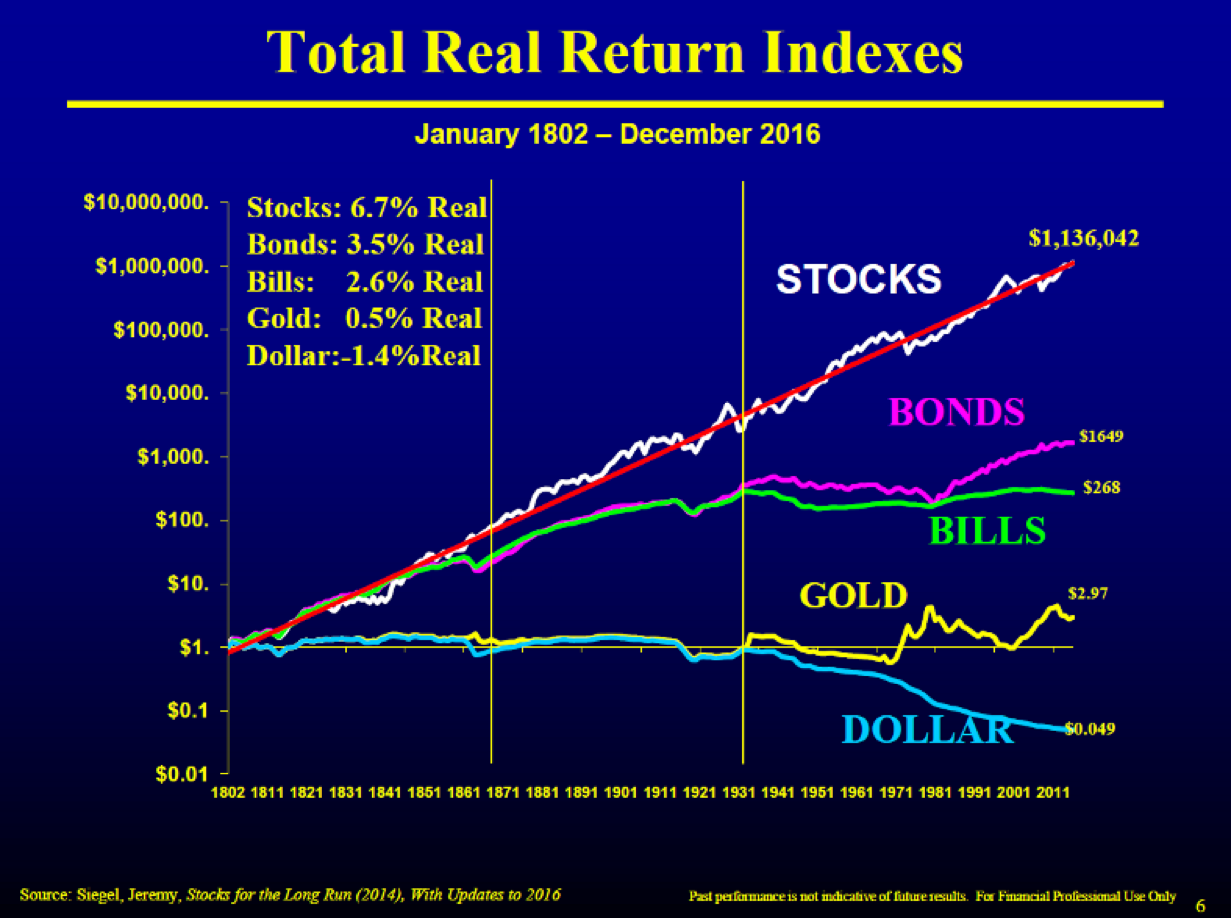
Tax Implications and Long-Term Vision
Finally, be mindful of the tax man. In many jurisdictions, holding a stock for more than a year qualifies you for “Long-Term Capital Gains” tax rates, which are significantly lower than “Short-Term” rates. Investing should be viewed as a marathon, not a sprint. By focusing on the long term, ignoring daily noise, and consistently adding to your positions, you turn the stock market into a reliable engine for financial growth.
Investing in stocks is a journey of education and discipline. While it may seem daunting at first, the path is well-worn and the rewards for those who remain patient are substantial. By understanding the basics, securing your financial foundation, and choosing a strategy that aligns with your goals, you can successfully navigate the world of finance and build a prosperous future.
aViewFromTheCave is a participant in the Amazon Services LLC Associates Program, an affiliate advertising program designed to provide a means for sites to earn advertising fees by advertising and linking to Amazon.com. Amazon, the Amazon logo, AmazonSupply, and the AmazonSupply logo are trademarks of Amazon.com, Inc. or its affiliates. As an Amazon Associate we earn affiliate commissions from qualifying purchases.