
In the world of finance, the concept of “ownership” is the bedrock of wealth creation. While there are numerous ways to put your money to work—ranging from lending it to governments via bonds to speculating on currency fluctuations—only one primary asset class offers you a seat at the table of corporate success. That asset is equity, more commonly known as stocks or shares.
When you ask which type of investment represents ownership in a company, the answer is unequivocally equity. By purchasing shares of a corporation, you are not merely betting on a price movement; you are becoming a fractional owner of a legal entity, entitled to a portion of its assets and a claim on its future earnings. This article explores the nuances of equity ownership, the different types of shares available to investors, and why this specific investment vehicle remains the most powerful tool for long-term financial growth.
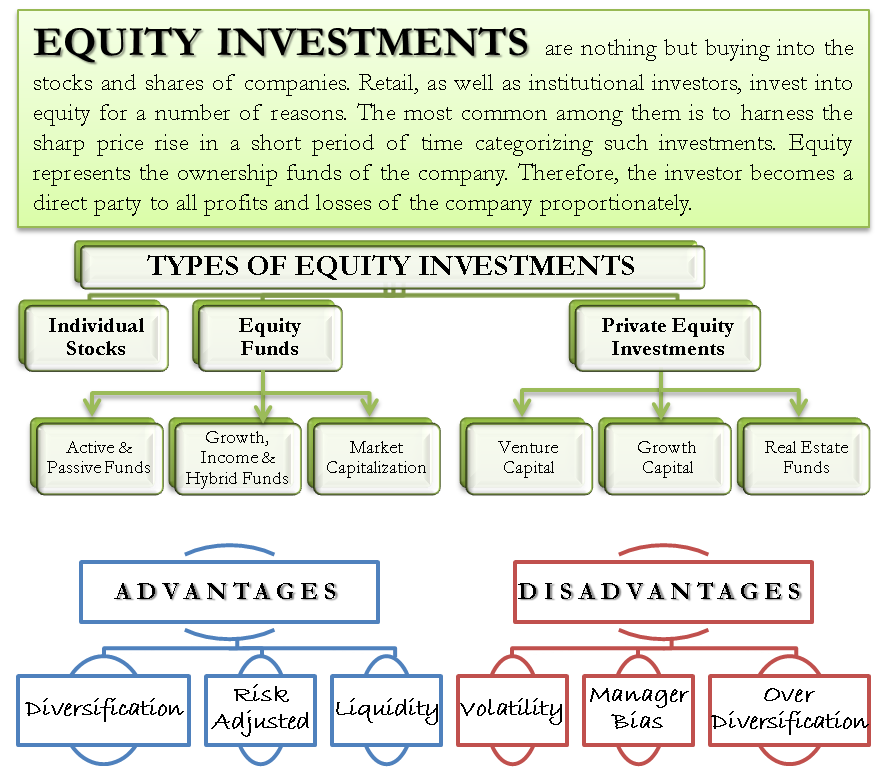
Understanding Equity: The Foundation of Corporate Ownership
At its most fundamental level, equity represents the residual claim on a company’s assets after all liabilities have been paid. When a company decides to grow, it often needs more capital than it can generate through daily operations. To raise this capital, the company can either take on debt (borrowing money that must be repaid with interest) or issue equity (selling pieces of the company to investors).
Common Stock vs. Preferred Stock
Not all ownership stakes are created equal. In the public markets, equity is generally divided into two main categories: common stock and preferred stock.
Common stock is what most retail investors refer to when they talk about “buying shares.” It represents the most basic form of ownership. Common shareholders typically have the right to vote on corporate matters, such as electing the board of directors. However, in the event of liquidation, common shareholders are at the bottom of the priority list.
Preferred stock functions as a hybrid between a stock and a bond. While it represents ownership, it usually does not carry voting rights. In exchange for giving up their voice in corporate governance, preferred shareholders receive a fixed dividend and have a higher claim on assets and earnings than common shareholders. If a company faces financial distress, preferred stockholders are paid before common stockholders, but after bondholders.
How Shares Represent Fractional Ownership
To understand ownership, one must understand the “share.” If a company issues 1,000,000 shares and you purchase 10,000 of them, you own 1% of that company. This 1% stake gives you a proportional right to the company’s success. If the company pays out $1 million in dividends, you are entitled to $10,000. If the company is sold for $100 million, your stake is worth $1 million. This direct correlation between the company’s performance and the investor’s return is what distinguishes equity from debt instruments.
The Benefits of Owning a Piece of the Pie
The reason equity is the cornerstone of most successful investment portfolios is the unique set of benefits it offers to the owner. Unlike a lender, who only receives their principal back plus a fixed interest rate, an owner has a stake in the “unlimited” upside of a business.
Capital Appreciation: The Growth Engine
The primary goal for most equity investors is capital appreciation—the increase in the market price of the shares over time. As a company grows its revenue, expands into new markets, and increases its profitability, the intrinsic value of the business rises. Because you own a piece of that business, your shares become more valuable to other investors. This “buy low, sell high” dynamic has been the primary driver of wealth for the world’s most successful investors, such as Warren Buffett.
Dividend Yields: Earning Passive Income
Beyond the fluctuation of share prices, ownership often entitles you to a share of the profits in the form of dividends. When a company is mature and generates more cash than it needs for reinvestment, it distributes that excess cash to its owners. For the long-term investor, dividends provide a steady stream of passive income. Furthermore, many investors choose to “reinvest” these dividends, buying more shares and thus increasing their ownership stake over time through the power of compounding.

Voting Rights and Corporate Governance
While the average retail investor may only own a tiny fraction of a company, the collective power of shareholders is immense. Ownership gives you a voice. Through proxy voting, shareholders can influence a company’s environmental policies, executive compensation, and strategic direction. This element of control is a unique feature of equity; you are not just a passive observer, but a participant in the democratic process of corporate capitalism.
Risks and Rewards: The Reality of Being a Shareholder
With the potential for high rewards comes a unique set of risks. Ownership is a “double-edged sword.” While you share in the profits, you also bear the burden of the company’s struggles. In the financial hierarchy, equity holders are known as “residual claimants,” meaning they get what is left over after everyone else has been satisfied.
Market Volatility and Systematic Risk
Equity markets are notoriously volatile. Unlike a savings account or a government bond, the value of your ownership stake can fluctuate wildly based on economic data, geopolitical events, or shifts in consumer sentiment. This is known as market risk. Additionally, individual companies face specific risks—poor management decisions, technological obsolescence, or increased competition can cause a company’s value to plummet, regardless of how the broader market is performing.
The Liquidation Preference: Where Shareholders Stand
The greatest risk of ownership is the risk of total loss. If a company goes bankrupt, there is a very specific order in which stakeholders are paid. First are the secured creditors (banks), followed by bondholders and other lenders. Then come the preferred stockholders. Common stockholders—the true owners—are the very last in line. In many bankruptcy cases, there is nothing left for the common shareholders, meaning their investment goes to zero. This is the “equity risk premium”—the extra return investors demand in exchange for taking on the risk of being the last to get paid.
Strategies for Building an Ownership-Based Portfolio
For the modern investor, “owning a company” does not necessarily mean researching individual balance sheets and picking single stocks. There are various ways to gain equity exposure, each with its own set of advantages.
Individual Stocks vs. Equity Funds (ETFs and Mutual Funds)
Purchasing individual stocks allows for the most direct form of ownership. You can choose specific companies that align with your values or financial goals. However, this requires significant time and expertise.
Most investors opt for Exchange-Traded Funds (ETFs) or Mutual Funds. These vehicles pool money from thousands of investors to buy a diversified basket of stocks. When you buy a share of an S&P 500 ETF, you are technically becoming a fractional owner of 500 of the largest companies in the United States simultaneously. This provides the benefits of ownership while mitigating the risk of any single company failing.
Diversification Across Sectors and Geographies
To build a resilient ownership portfolio, one must look beyond a single industry. A portfolio comprised entirely of technology stocks is vulnerable to a downturn in that specific sector. True financial security comes from owning a piece of the global economy—energy, healthcare, consumer goods, and finance, spread across both domestic and international markets. By diversifying, you ensure that your wealth is not tied to the fate of one CEO or one national economy, but rather to the collective productivity of the global private sector.

Conclusion: The Path to Wealth Through Ownership
In summary, when we look at the various vehicles for investment, stocks and shares are the only instruments that represent true ownership in a company. While bonds make you a lender and derivatives make you a speculator, equity makes you a partner.
Ownership is not a path to guaranteed riches, but it is historically the most effective path to significant wealth. By accepting the risks of market volatility and the “residual claimant” status, equity investors position themselves to capture the rewards of innovation, corporate efficiency, and economic growth. Whether you are buying a single share of a local business or investing in a global index fund, you are participating in the fundamental mechanism of the modern economy: the creation of value through shared ownership. Understanding this distinction is the first step toward moving from a consumer of the economy to a beneficiary of its success.
aViewFromTheCave is a participant in the Amazon Services LLC Associates Program, an affiliate advertising program designed to provide a means for sites to earn advertising fees by advertising and linking to Amazon.com. Amazon, the Amazon logo, AmazonSupply, and the AmazonSupply logo are trademarks of Amazon.com, Inc. or its affiliates. As an Amazon Associate we earn affiliate commissions from qualifying purchases.