
The appearance of the Spirit Halloween banner is, for many, the unofficial start of the autumn season. While the calendar might suggest August or September, the physical manifestation of the brand in a vacant storefront serves as a powerful cultural signifier. The question “Where is Spirit Halloween?” is more than a simple inquiry into geographic coordinates; it is a testament to one of the most successful and fascinating brand strategies in modern retail.
Operating under the parent company Spencer Gifts, Spirit Halloween has mastered the art of “vulture branding”—the ability to colonize the remains of defunct retail giants and transform them into high-energy, experiential hubs for a fleeting window of time. By analyzing their approach through the lens of brand strategy, corporate identity, and market positioning, we can uncover how a store that exists for only two months a year manages to dominate the collective consciousness for twelve.
The Seasonal Phoenix: Defining the Pop-Up Brand Identity
At its core, Spirit Halloween’s brand strategy is built on the concept of the “Seasonal Phoenix.” Most brands spend millions of dollars attempting to achieve permanence and stability. They want consumers to know exactly where they are at all times. Spirit Halloween, conversely, leverages its impermanence as a core brand asset.
The Visual Language of the Temporary
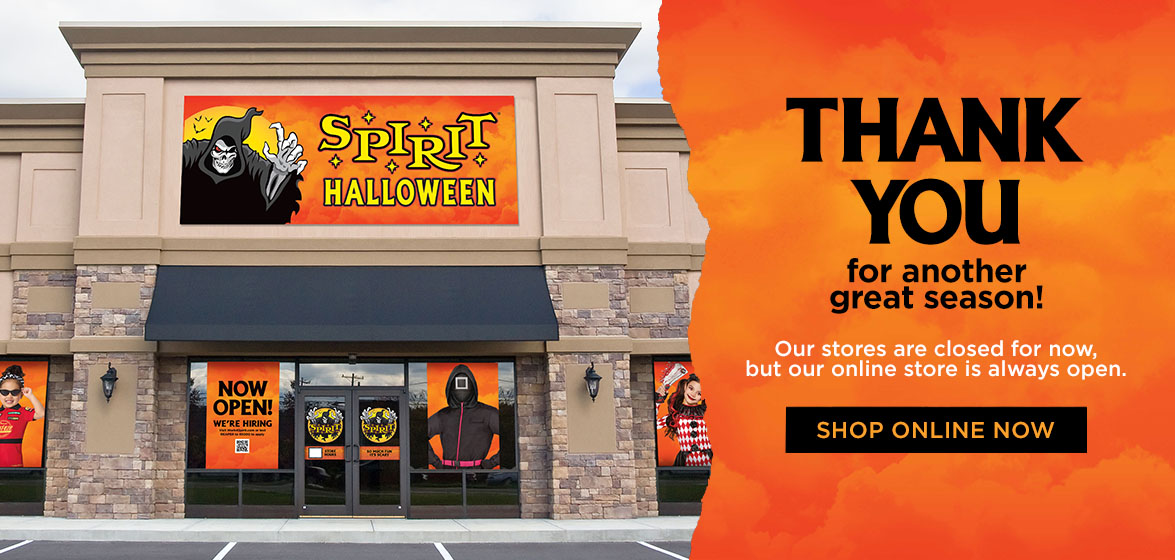
The brand’s visual identity is intentionally high-contrast and easily deployable. The signature purple and orange color palette, combined with the “Jack the Reaper” mascot, is designed to be recognized from a distance, often through the windows of a moving car. Because Spirit Halloween occupies existing storefronts, they cannot rely on permanent architecture. Instead, they utilize a standardized “brand kit” that can transform a former Bed Bath & Beyond or Sears into a spooky destination in a matter of days. This agility is a masterclass in brand consistency; regardless of the store’s previous layout, the Spirit Halloween experience remains uniform across its 1,500+ locations.
Creating the “Event” Mindset
In marketing, scarcity is a powerful psychological trigger. By being “here today, gone tomorrow,” Spirit Halloween creates an “event” mindset that permanent retailers like Target or Walmart cannot replicate. Their brand strategy positions the store as a destination rather than a convenience. When a consumer asks “Where is Spirit Halloween?” they are not looking for a place to buy a costume; they are looking to participate in a seasonal ritual. This distinction is vital to their brand equity.
Real Estate as a Canvas: The Brand Strategy of Visibility
The physical location of Spirit Halloween is its primary marketing engine. While other brands invest heavily in television or digital display ads, Spirit Halloween uses real estate as its billboard. The strategic placement of stores in high-traffic, recently vacated commercial spaces is a deliberate move to capture the “curiosity gap” of the local community.
Capitalizing on the “Dead Mall” Narrative
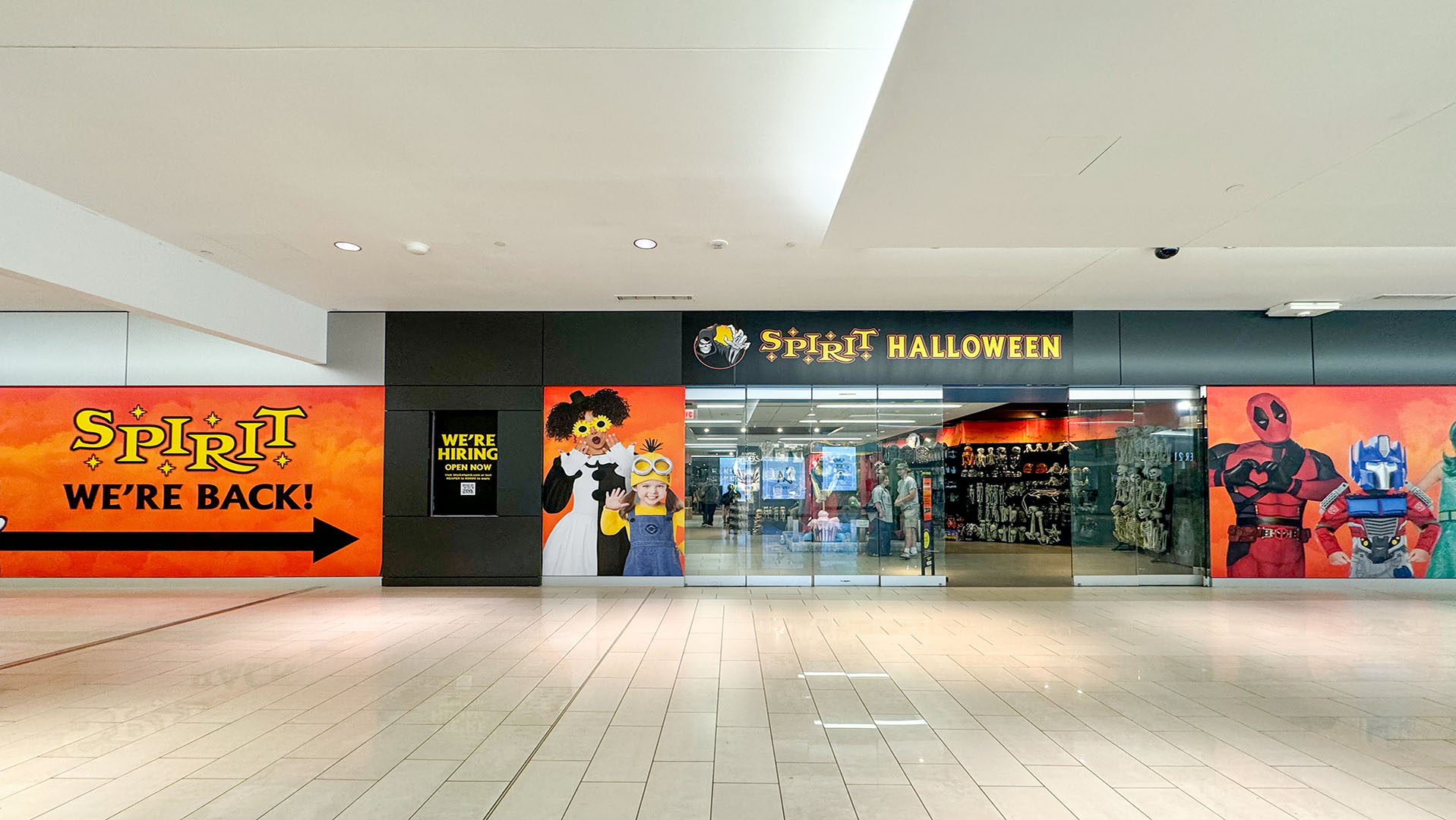
The brand has become synonymous with the decline of traditional brick-and-mortar retail, but it has flipped this narrative into a positive brand association. By occupying spaces that would otherwise sit empty, Spirit Halloween positions itself as a revitalizing force. The brand identity is linked to the idea of transformation—taking a “dead” space and bringing it back to life with a “Spirit.” This synergy between the brand name and its real estate strategy is a subtle but effective piece of corporate storytelling.
Strategic Store Placement as Brand Visibility
Spirit Halloween’s “Where” is carefully calculated using sophisticated data analytics. They target “power centers” and “strip malls” with high visibility and anchor tenants that drive daily traffic, such as grocery stores. The brand doesn’t need to build awareness through traditional means because its physical presence in a high-traffic area does the work for them. Every person driving to pick up groceries is reminded of the brand’s arrival, reinforcing the seasonal transition in the consumer’s mind.
Cultivating the “Spirit” Meme: Cultural Brand Equity
Perhaps the most impressive aspect of Spirit Halloween’s brand strategy is its evolution into a cultural meme. In recent years, the brand has transcended its status as a retail store to become a fixture of internet culture. This organic brand growth is something most corporate entities struggle to achieve.
The Meme-ification of the Pop-Up Store
The internet is flooded every year with “Spirit Halloween” memes—photoshop templates of fake costume bags or jokes about the speed at which the store occupies a newly closed business. Rather than fighting these parodies, the brand has leaned into them. This strategy demonstrates a high level of “brand self-awareness,” which resonates deeply with younger demographics like Gen Z and Millennials. By allowing the brand to be a joke, they have ensured that it remains relevant, shareable, and top-of-mind.
Engagement Beyond October 31st
The “Where is Spirit Halloween?” question persists online even in the off-season. The brand maintains a year-round social media presence that fosters a “super-fan” community. By engaging with enthusiasts who live for the “spooky season,” Spirit Halloween has built a loyal base that acts as unpaid brand ambassadors. This community-centric approach ensures that when the first banners go up in August, the market is already primed and waiting.
The Strategic Moat: How Spirit Halloween Out-Brands Big Box Competitors
Spirit Halloween faces stiff competition from retail giants like Amazon, Walmart, and Target. However, their brand strategy provides a “moat” that protects their market share. This moat is built on expertise and immersion—qualities that a general retailer cannot easily duplicate.
The Authority of the Specialist
In the eyes of the consumer, Spirit Halloween is the “authority” on all things Halloween. While Target might have a seasonal aisle, Spirit Halloween has an entire ecosystem. Their brand positioning is that of a specialist. This authority allows them to stock higher-end animatronics and licensed products that collectors and enthusiasts crave. By focusing exclusively on one niche, the brand builds a level of trust and expertise that makes it the default choice for the holiday.
Experiential Retail as a Brand Pillar
Walking into a Spirit Halloween is meant to be an experience. The store layouts often include “scare zones” with motion-activated animatronics. This experiential element is a core part of their brand identity. In an era where e-commerce (Amazon) offers convenience, Spirit Halloween offers an “experience” that cannot be downloaded. The brand strategy is to make the visit to the store a fun, family-friendly activity, ensuring that the physical location remains a vital part of the consumer journey.
Future-Proofing the Ghost: The Evolution of Seasonal Branding
As the retail landscape continues to shift toward digital-first models, Spirit Halloween is evolving its brand strategy to ensure long-term viability. The question “Where is Spirit Halloween?” is increasingly answered by “everywhere,” as the brand expands its omnichannel footprint.
Digital Transformation and E-commerce
While the physical pop-up stores are the face of the brand, their e-commerce platform is a growing component of their corporate identity. By offering year-round shopping online, they are slowly decoupling the brand from its strictly seasonal limitations. This allows them to capture revenue from themed parties, cosplay events, and theater productions throughout the year, further strengthening their position as the global leader in the category.

Lessons for Modern Marketers
Spirit Halloween’s success offers several lessons for brand strategists. First, it proves that physical presence is still a potent form of marketing if used creatively. Second, it highlights the importance of leaning into cultural trends and memes to build authentic engagement. Finally, it demonstrates that a well-defined niche, backed by an authoritative brand voice, can compete effectively against even the largest diversified retailers.
The “Where is Spirit Halloween?” phenomenon is not an accident of the real estate market; it is the result of a disciplined, creative, and highly adaptable brand strategy. By embracing its temporary nature and leaning into its role as a seasonal cultural icon, Spirit Halloween has secured its place as a permanent fixture in the retail landscape. Even when the stores vanish on November 1st, the brand remains, haunting the periphery of the consumer’s mind until the first purple banner reappears the following year.
aViewFromTheCave is a participant in the Amazon Services LLC Associates Program, an affiliate advertising program designed to provide a means for sites to earn advertising fees by advertising and linking to Amazon.com. Amazon, the Amazon logo, AmazonSupply, and the AmazonSupply logo are trademarks of Amazon.com, Inc. or its affiliates. As an Amazon Associate we earn affiliate commissions from qualifying purchases.