
The journey toward financial independence often begins with a single, pivotal question: how can you invest in the stock market? For decades, the stock market has remained one of the most effective vehicles for long-term wealth creation. While it can appear daunting to the uninitiated—filled with complex jargon, fluctuating tickers, and economic uncertainty—at its core, investing is a disciplined process of putting your capital to work.
To succeed in the stock market, one must move beyond the “get rich quick” mentality and embrace a strategic approach rooted in patience and education. This guide will walk you through the essential steps to transition from a saver to a sophisticated investor, ensuring you have the tools to navigate the financial landscape with confidence.
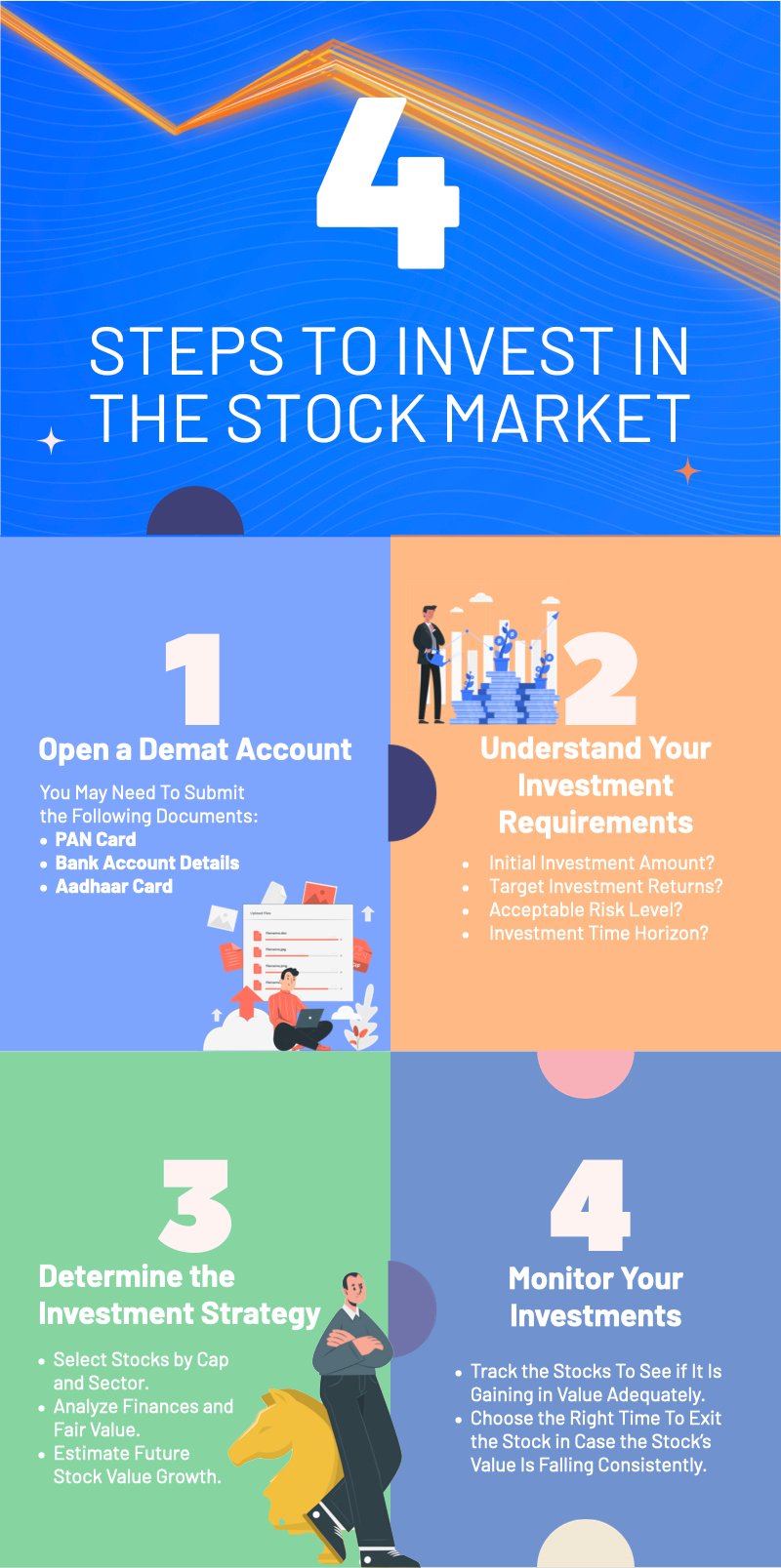
Establishing a Robust Financial Foundation
Before you purchase your first share of a company, it is imperative to ensure your personal finances are stable. Investing involves risk, and the last thing any investor should do is put money into the market that is required for immediate living expenses or high-interest debt obligations.
Assessing Your Risk Tolerance
Every investor has a different “stomach” for market volatility. Risk tolerance is determined by your financial goals, your age (time horizon), and your psychological comfort with seeing your portfolio value fluctuate. A younger investor with 30 years until retirement can afford to be aggressive, as they have time to recover from market downturns. Conversely, someone nearing retirement should prioritize capital preservation. Understanding where you sit on the spectrum—from conservative to aggressive—will dictate your entire investment strategy.
Building an Emergency Fund
The stock market is not a bank account. Because prices fluctuate, you should never be in a position where you are forced to sell your investments during a market crash just to pay for a car repair or medical bill. A foundational rule of personal finance is to maintain an emergency fund consisting of three to six months of living expenses in a high-yield savings account. This “cash cushion” provides the peace of mind necessary to stay invested during turbulent times.
Eliminating High-Interest Debt
Investing in the stock market typically yields an average annual return of 7% to 10% over the long term. If you are carrying credit card debt with an interest rate of 20% or higher, you are effectively losing money by investing. Mathematically, paying off high-interest debt is a “guaranteed return” on your money that exceeds what the stock market is likely to provide. Clear these hurdles before shifting your focus to equity growth.
Choosing the Right Investment Account and Platform
Once your foundation is set, the next step is determining where your money will live. The type of account you choose can have significant implications for your taxes and your ability to access your funds.
Tax-Advantaged Retirement Accounts
For most individuals, the best place to start is within a tax-advantaged framework. If your employer offers a 401(k) match, this is essentially “free money” and should be your first priority. Beyond employer-sponsored plans, Individual Retirement Accounts (IRAs) offer excellent benefits. A Traditional IRA provides an upfront tax deduction, while a Roth IRA allows your investments to grow tax-free, with tax-free withdrawals in retirement. These accounts are designed for the long term and carry penalties for early withdrawal, reinforcing a disciplined “buy and hold” mindset.
Taxable Brokerage Accounts
If you have already maximized your retirement contributions or if you want the flexibility to withdraw your money at any time for goals like buying a home or starting a business, a standard brokerage account is the answer. While these accounts do not offer the same tax breaks as an IRA, they provide unlimited access to your capital and a wider range of investment options.
Selecting a Brokerage Platform
In the modern era, the barrier to entry for the stock market has never been lower. Most major brokerages have eliminated trading commissions, meaning it costs $0 to buy or sell stocks. When choosing a platform, look for a firm that offers a user-friendly interface, robust research tools, and reliable customer service. Whether you choose a legacy institution or a mobile-first investment app, ensure the firm is a member of the SIPC (Securities Investor Protection Corporation), which protects your assets in the event the brokerage fails.
Understanding Asset Classes: From Individual Stocks to Index Funds
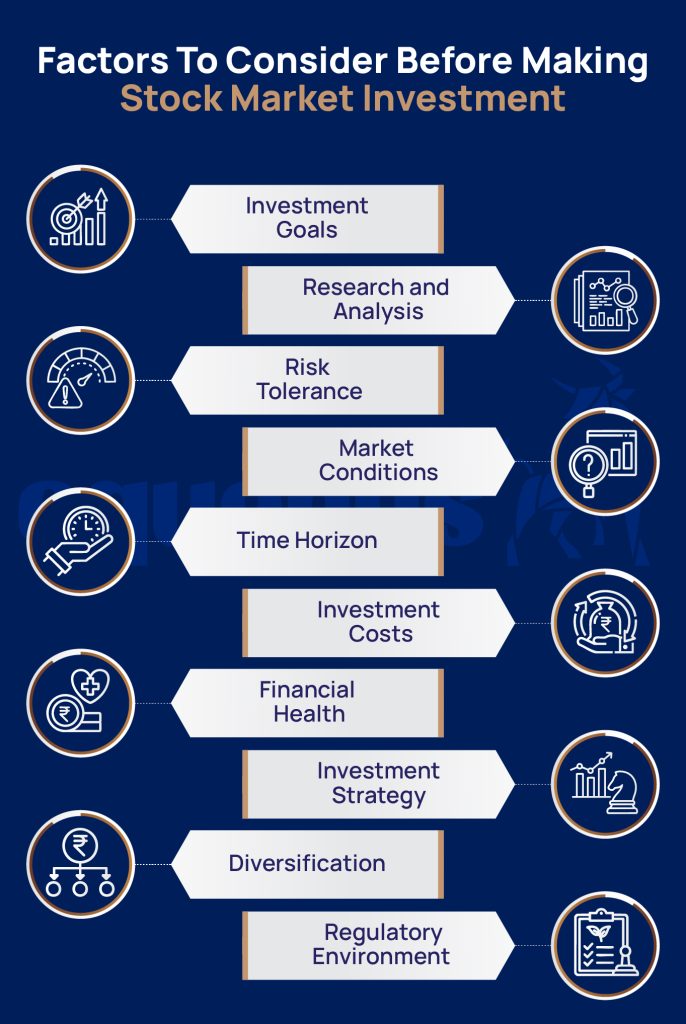
The “how” of investing is often overshadowed by the “what.” Deciding which assets to hold in your portfolio is the most critical factor in your long-term success.
Individual Stocks
Buying an individual stock means you are purchasing a piece of ownership in a specific company. If the company grows and becomes more profitable, the stock price generally rises, and you may receive dividends. However, individual stocks carry “idiosyncratic risk”—if that specific company fails or faces a scandal, your investment could vanish. Picking individual stocks requires deep fundamental analysis, including reading balance sheets and understanding competitive advantages.
Mutual Funds and ETFs
For the majority of investors, “pooling” money with others is a safer and more efficient strategy. Mutual funds and Exchange-Traded Funds (ETFs) allow you to buy a basket of hundreds or even thousands of stocks in a single transaction. This provides instant diversification. If one company in the fund goes bankrupt, it has a negligible impact on your overall portfolio. ETFs, in particular, have become popular due to their low fees and the ability to trade them throughout the day like a stock.
The Power of Index Funds
A subset of ETFs and mutual funds is the “Index Fund.” These funds don’t try to “beat” the market; instead, they aim to mirror the performance of a specific index, such as the S&P 500 (the 500 largest companies in the U.S.). Because they are passively managed, they have extremely low overhead costs. Historically, passive index investing has outperformed the majority of professional fund managers over long periods, making it the cornerstone of most successful retail investment portfolios.
Implementing Strategic Investment Methods
Success in the stock market isn’t just about what you buy; it’s about how you manage your entries and exits over time.
Dollar-Cost Averaging (DCA)
One of the biggest mistakes new investors make is trying to “time the market”—waiting for the “perfect” moment to buy when prices are low. In reality, even professionals struggle to do this. A more effective strategy is Dollar-Cost Averaging. This involves investing a fixed amount of money at regular intervals (e.g., $200 every payday), regardless of whether the market is up or down. When prices are high, your $200 buys fewer shares; when prices are low, your $200 buys more. Over time, this lowers your average cost per share and removes the emotional stress of timing.
Asset Allocation and Diversification
Diversification is the only “free lunch” in finance. It involves spreading your investments across different sectors (Tech, Healthcare, Energy), different market caps (Large-cap, Mid-cap, Small-cap), and even different geographic regions (U.S. vs. International). Proper asset allocation ensures that a downturn in one specific area of the economy won’t devastate your entire net worth.
Value vs. Growth Investing
As you become more comfortable, you may decide to lean into specific styles. Growth investing focuses on companies that are expected to grow at an above-average rate compared to the market, even if their current stock price seems high. Value investing, popularized by Warren Buffett, focuses on finding “bargain” companies that are trading for less than their intrinsic value. A balanced portfolio often contains elements of both.
Long-Term Management and Emotional Discipline
The final step in learning how to invest in the stock market is understanding that the greatest enemy of an investor is often their own reflection.
The Importance of Portfolio Rebalancing
Over time, some of your investments will grow faster than others, causing your original asset allocation to drift. If you intended to have 70% stocks and 30% bonds, a major bull market might push your stocks to 85% of your portfolio. Rebalancing is the process of selling some of your winners and buying more of your underperformers to return to your target allocation. This forces you to “buy low and sell high” in a systematic way.
Managing Emotions During Volatility
The stock market does not move in a straight line. Corrections (a 10% drop) and Bear Markets (a 20% or more drop) are a natural and necessary part of the cycle. Many investors panic and sell during these times, locking in their losses. Successful investing requires the discipline to stay the course. Remind yourself that the stock market has a 100% historical track record of recovering from every single crash it has ever experienced.
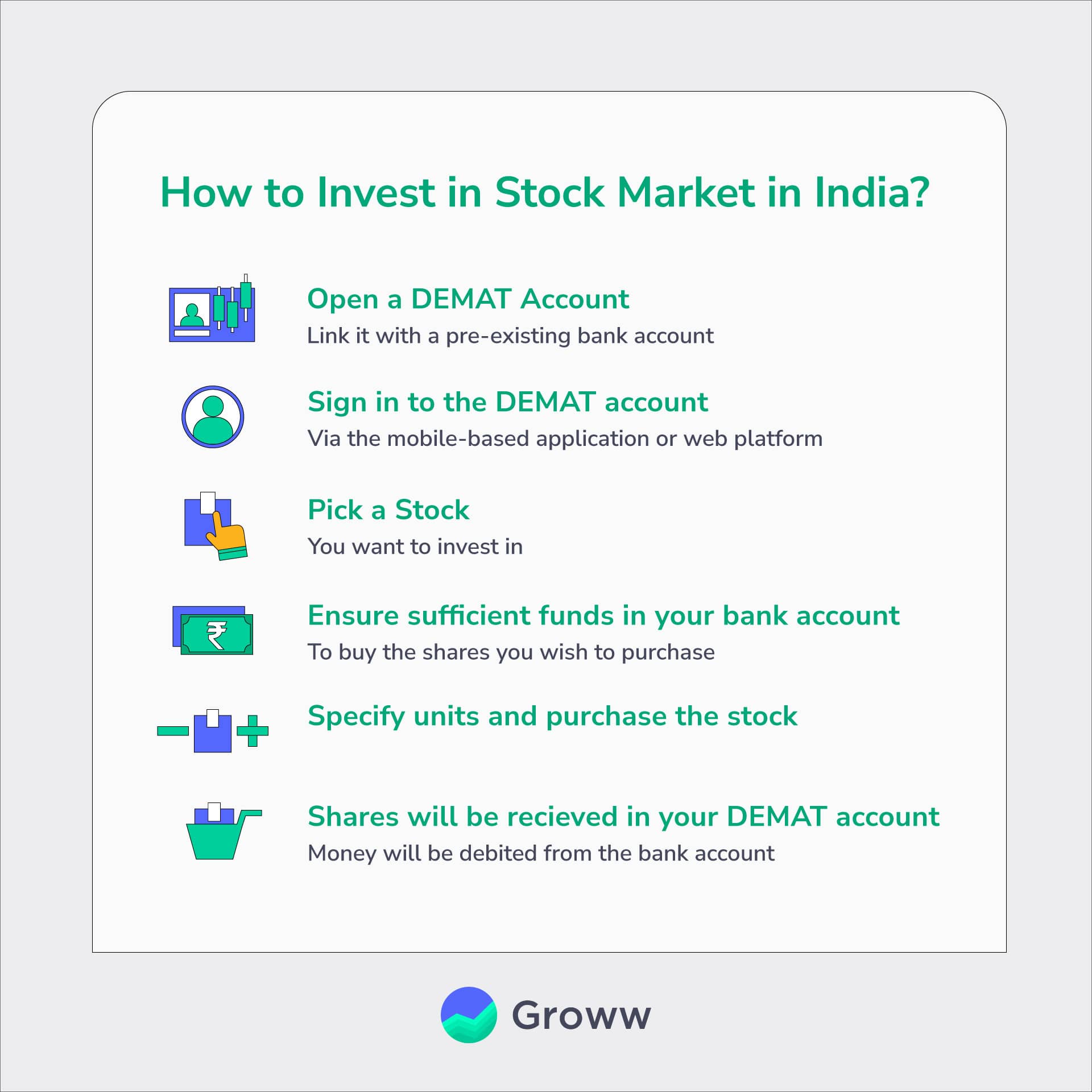
Focusing on the Long Game
The magic of the stock market lies in compound interest. In the early years, your returns might seem modest. However, as your returns begin to generate their own returns, your wealth begins to grow exponentially. By starting early, staying diversified, and keeping your costs low, you turn the stock market into a powerful engine for financial freedom. Investing is a marathon, not a sprint; those who remain patient and disciplined are the ones who ultimately reap the rewards of the global economy.
aViewFromTheCave is a participant in the Amazon Services LLC Associates Program, an affiliate advertising program designed to provide a means for sites to earn advertising fees by advertising and linking to Amazon.com. Amazon, the Amazon logo, AmazonSupply, and the AmazonSupply logo are trademarks of Amazon.com, Inc. or its affiliates. As an Amazon Associate we earn affiliate commissions from qualifying purchases.