
In the rapidly evolving landscape of mobile commerce, the distinction between a simple marketplace and a sophisticated software ecosystem has become increasingly blurred. At the forefront of this shift is the Shop app, a versatile digital tool developed by Shopify. Designed to streamline the post-purchase experience while acting as a discovery engine for millions of products, the Shop app represents a significant leap in how consumers interact with the Shopify ecosystem. This article explores the technical architecture, core features, and digital security protocols that define the Shop app, positioning it as a pivotal piece of software in the modern tech stack of e-commerce.
The Evolution of E-Commerce Software: Understanding the Shop App Ecosystem
The Shop app did not emerge in a vacuum; it is the result of strategic software evolution. To understand what the app is today, one must look at its origins as a utility tool and its transformation into a comprehensive consumer-facing platform.
From Arrive to Shop: The Transition to a Unified Consumer Experience
Initially, Shopify launched an app called “Arrive,” which focused exclusively on one pain point: package tracking. It allowed users to sync their email accounts to track deliveries from various carriers in a single interface. However, as the mobile commerce market grew, Shopify recognized the need for a more integrated solution. In 2020, Arrive was rebranded and rebuilt as “Shop.” This transition marked a shift from a single-purpose utility to a multi-functional ecosystem that integrates payment processing, brand discovery, and logistics tracking. The software was re-engineered to provide a seamless “end-to-end” journey, moving beyond simple data aggregation to becoming an active participant in the transaction lifecycle.
How the Shop App Integrates with the Shopify Backend
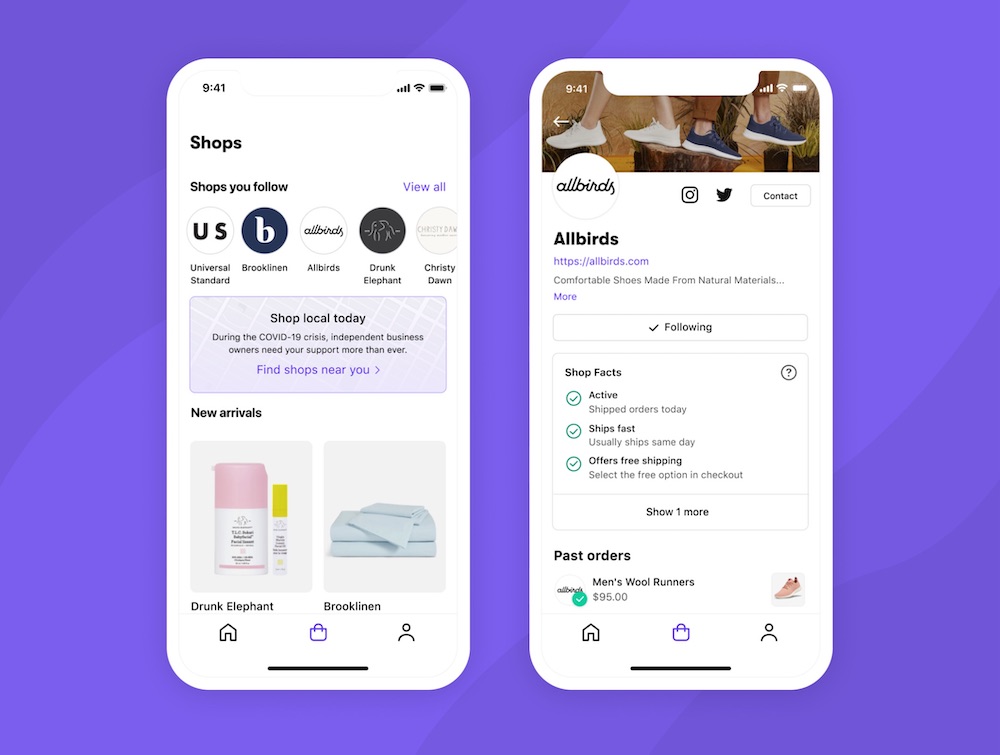
Technically, the Shop app functions as a consumer-facing extension of the Shopify merchant platform. While Shopify provides the infrastructure for millions of independent websites, the Shop app acts as a centralized node that pulls data from these disparate storefronts. Through robust API integrations, the app synchronizes merchant inventory, product descriptions, and pricing in real-time. For the user, this means that the “software” they interact with is a sophisticated aggregator that leverages Shopify’s massive data lake to provide a personalized shopping feed. The synchronization is bidirectional; actions taken in the app—such as favoriting a store or completing a purchase—are instantly reflected in the merchant’s backend analytics.
Core Technologies and Features Driving the Shop Experience
The Shop app is more than just a directory; it is powered by several proprietary technologies that enhance the efficiency of mobile transactions and data management.
Shop Pay: The Fintech Engine Powering One-Tap Checkouts
At the heart of the Shop app is Shop Pay, Shopify’s accelerated checkout solution. From a technical perspective, Shop Pay is a high-performance payment rail designed to reduce friction. By securely storing a user’s credit card, shipping, and billing information on Shopify’s PCI-compliant servers, it enables “one-tap” purchasing. The technology behind Shop Pay utilizes advanced caching and data retrieval methods to ensure that checkout pages load significantly faster than traditional manual entry forms. Furthermore, the integration of “Shop Pay Installments” incorporates “Buy Now, Pay Later” (BNPL) logic directly into the app’s code, allowing for complex financial calculations to happen instantaneously during the checkout flow.
Real-Time Order Tracking and API Integration
The legacy of the Arrive app lives on through the Shop app’s superior tracking capabilities. The app utilizes sophisticated email parsing technology and direct API hooks into major logistics carriers (such as UPS, FedEx, and USPS). When a user grants the app permission to access their email, the software scans for tracking numbers and transit updates. This data is then visualized on an interactive map within the app. This requires a high degree of interoperability between the app’s frontend and the varying data formats used by global shipping companies, demonstrating a complex layer of data normalization technology.
AI-Driven Personalization and Product Recommendations
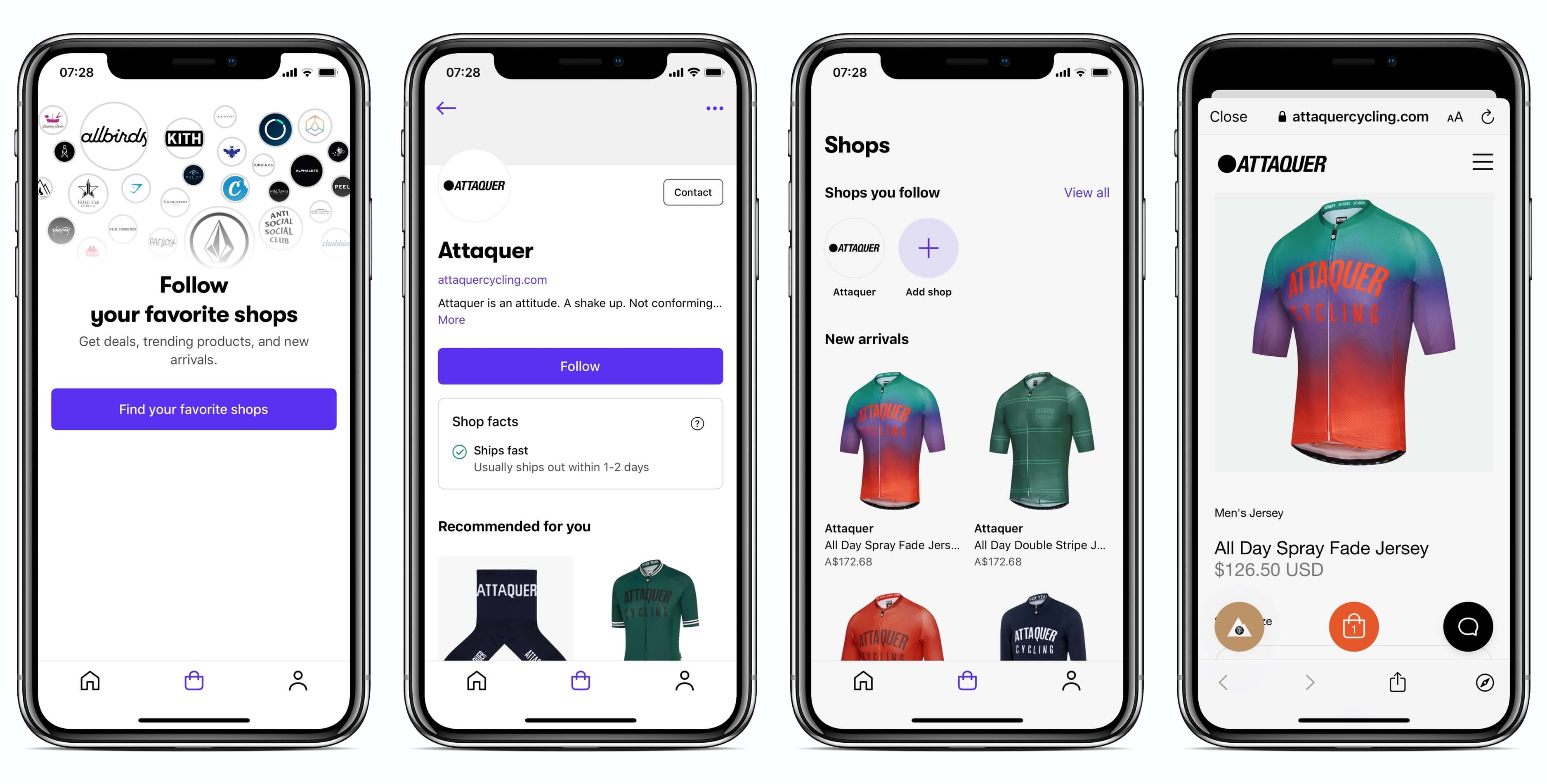
To keep users engaged, the Shop app employs machine learning algorithms to curate a “For You” feed. These algorithms analyze a user’s purchase history, browsing patterns, and followed stores to suggest products that align with their interests. The recommendation engine utilizes collaborative filtering and content-based filtering techniques, processing vast amounts of metadata to predict consumer behavior. As users interact more with the software, the AI refines its model, leading to higher conversion rates and a more tailored UI/UX experience.
Security, Privacy, and Data Integrity in Digital Shopping
When dealing with sensitive financial information and personal data, the underlying security architecture of an app is its most critical component. The Shop app utilizes several layers of protection to ensure user trust and data integrity.
End-to-End Encryption and Secure Payment Processing
Security in the Shop app begins with encryption. All data transmitted between the app and Shopify’s servers is protected using industry-standard Transport Layer Security (TLS). For payment processing, Shopify adheres to Level 1 PCI DSS compliance, the most stringent level of security certification in the payments industry. When a user utilizes Shop Pay, their payment details are encrypted and “vaulted,” meaning the actual card numbers are never stored on the mobile device itself. Instead, a “token” is used to authorize transactions, minimizing the risk of data theft even if the mobile device is compromised.
Managing User Data and Privacy Permissions
In an era of heightened privacy awareness, the Shop app provides users with granular control over their data. The software is designed to comply with global privacy regulations, including GDPR and CCPA. Users must explicitly opt-in to features like email syncing for tracking. From a technical standpoint, the app manages these permissions through secure OAuth protocols, ensuring that the app only accesses the specific data points authorized by the user. Additionally, the Shop app includes biometric authentication options—such as FaceID or fingerprint scanning—adding a hardware-level layer of security to the software’s authentication process.
The Future of Shopping Apps: AI Tools and Social Commerce
As we look toward the future of the Shop app, the roadmap is increasingly defined by the integration of Generative AI and the expansion of social commerce features.
Generative AI Assistants in the Shop Ecosystem
Shopify has already begun experimenting with AI shopping assistants integrated directly into the Shop app interface. These tools use Large Language Models (LLMs) to answer complex consumer queries, such as “What are the best eco-friendly running shoes for marathon training?” The software processes natural language inputs and searches through the millions of products in the Shopify database to provide curated responses. This represents a shift from keyword-based search to semantic search, requiring significant computational power and sophisticated NLP (Natural Language Processing) frameworks.
Bridging the Gap Between Social Media and Transactional Software
The Shop app is increasingly serving as a bridge between social media discovery and the final transaction. By integrating with platforms like Instagram and TikTok, the app allows users to “Shop the Look” or follow influencers who have curated collections within the Shop ecosystem. The technical challenge here involves maintaining a consistent state across different platforms. The Shop app’s backend must handle high-concurrency events—such as a viral social media post driving thousands of users to a single product simultaneously—without experiencing latency or system failure. This is achieved through auto-scaling cloud infrastructure and robust content delivery networks (CDNs).
Conclusion: The Shop App as a Tech-First Retail Hub
In summary, the Shop app is far more than a simple mobile application; it is a sophisticated piece of e-commerce software that synthesizes fintech, logistics tracking, and AI-driven discovery into a single user interface. By leveraging the power of the Shopify ecosystem, it provides a streamlined experience for consumers while offering a powerful distribution channel for merchants.
From its advanced Shop Pay encryption to its real-time API integrations with global carriers, the app is a testament to the power of integrated software solutions. As Shopify continues to invest in AI and social integration, the Shop app is poised to remain a dominant force in the digital landscape, redefining what it means to shop in the 21st century. Whether you are a tech enthusiast or a casual consumer, understanding the software architecture of the Shop app reveals the intricate complexity required to make modern commerce feel effortless.
aViewFromTheCave is a participant in the Amazon Services LLC Associates Program, an affiliate advertising program designed to provide a means for sites to earn advertising fees by advertising and linking to Amazon.com. Amazon, the Amazon logo, AmazonSupply, and the AmazonSupply logo are trademarks of Amazon.com, Inc. or its affiliates. As an Amazon Associate we earn affiliate commissions from qualifying purchases.