
In the rapidly evolving landscape of the digital economy, the question “what does Shopify do?” is often met with a simplistic answer: “it helps you build a website.” However, from a financial perspective, this definition is woefully incomplete. To the modern entrepreneur, investor, or side-hustler, Shopify is not merely a piece of software; it is a sophisticated financial engine designed to facilitate online income, manage business capital, and optimize the return on investment (ROI) for digital ventures.
At its core, Shopify functions as a comprehensive commerce platform that allows individuals and corporations alike to manage the entire lifecycle of revenue generation. By removing the traditional barriers to entry in the retail sector, it has transformed the concept of “starting a business” from a high-risk capital-intensive endeavor into a scalable financial strategy.
The Revenue Architecture: How Shopify Facilitates Online Income
The primary function of Shopify is to provide the infrastructure necessary to capture and process digital transactions. For any business focused on online income, the ability to convert a visitor into a paying customer is the most critical link in the value chain.
Integrated Payment Gateways and Cash Flow
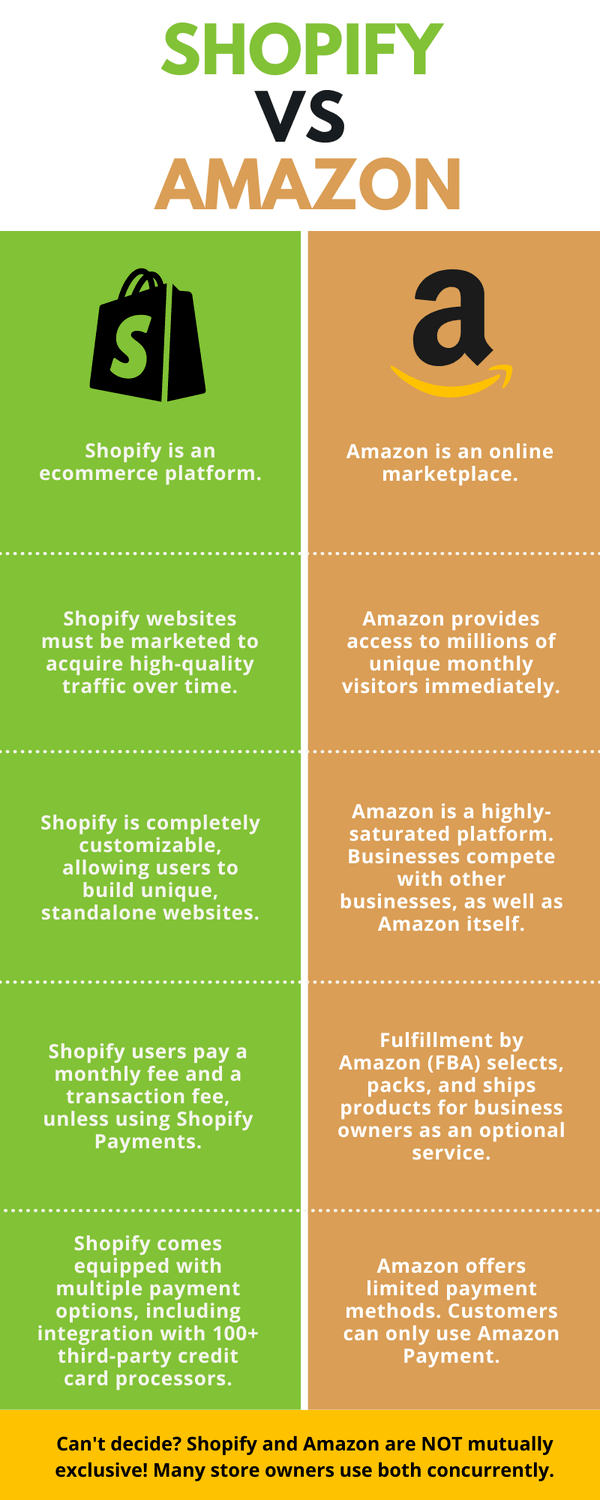
Shopify’s most significant financial contribution is its proprietary payment processing system, Shopify Payments. Traditionally, a business owner would need to negotiate with third-party merchant banks, set up separate gateway accounts, and manage complex fee structures. Shopify streamlines this by integrating the financial plumbing directly into the platform. This allows for faster “time-to-money,” meaning the gap between a sale and the arrival of funds in a business bank account is minimized, which is crucial for maintaining healthy liquidity.
Subscription Models and Recurring Revenue
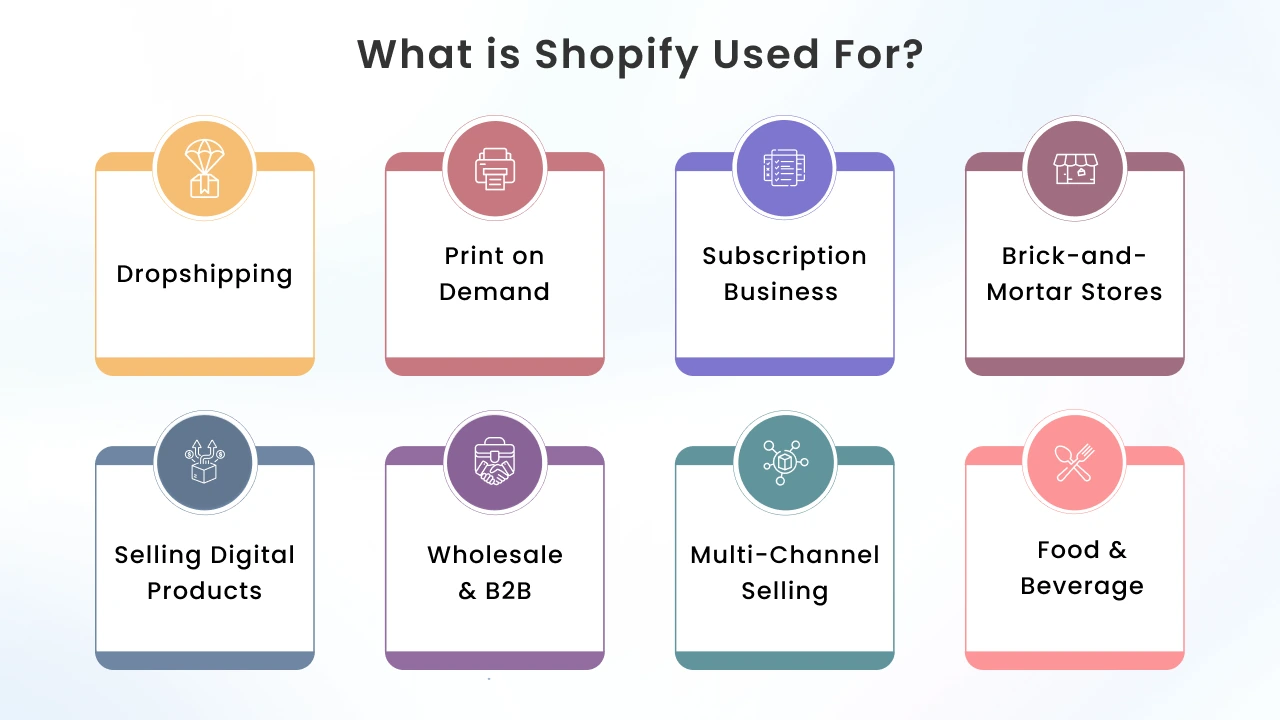
For those looking to build a stable financial asset, Shopify facilitates the transition from one-off sales to recurring revenue models. Through its robust API and app ecosystem, businesses can implement subscription services. From a financial planning perspective, recurring revenue is the “holy grail,” as it allows for more accurate cash flow forecasting and increases the overall valuation of the business should the owner decide to sell it as a digital asset.
Multi-Currency and Global Market Arbitrage
In the niche of online income, the ability to sell globally is a major force multiplier. Shopify’s financial tools allow sellers to list products in local currencies while receiving payouts in their home currency. This enables entrepreneurs to engage in a form of market arbitrage—sourcing products or services in lower-cost regions and selling them in high-purchasing-power markets like the US, EU, or UK, all while the platform handles the complex currency conversions and fluctuating exchange rates.
Scaling the Side Hustle: From Passion Project to Profitable Asset
Many users approach Shopify as a vehicle for a side hustle. Within the “Money” niche, the transition from a hobbyist to a serious business owner is defined by the scalability of the platform’s financial tools.
Lowering the Barrier to Entry (CapEx vs. OpEx)
Historically, starting a retail business required significant Capital Expenditure (CapEx)—renting a physical space, buying bulk inventory, and installing Point of Sale (POS) hardware. Shopify shifts this model toward Operational Expenditure (OpEx). By paying a monthly subscription fee, entrepreneurs can launch a venture with minimal upfront risk. This “lean” financial approach allows for the testing of multiple side hustles without the threat of catastrophic financial loss.
The Economics of Dropshipping and Print-on-Demand
Shopify is the central hub for low-inventory business models like dropshipping. This is a purely financial play: the entrepreneur acts as a middleman, capturing the spread between the wholesale price and the retail price without ever touching the product. By eliminating the need for warehouse overhead and inventory investment, Shopify allows for a high “Return on Assets” (ROA), as the business owner does not have capital tied up in physical goods that may or may not sell.
Leveraging Automation for Passive Income
To achieve true financial freedom, a side hustle must eventually move toward automation. Shopify’s ecosystem allows for the integration of automated fulfillment and customer service. When the operational tasks are outsourced to software, the business owner’s time is freed up to focus on high-level financial strategy and marketing. This transformation turns a time-intensive job into a passive income-generating asset.
Financial Management Tools: Beyond the Digital Storefront
Beyond the “Buy” button, Shopify serves as a back-office financial suite. For a business to be sustainable, it requires more than just sales; it requires rigorous financial management and access to capital.
Shopify Capital: Frictionless Business Funding
One of the most innovative features for growing businesses is Shopify Capital. Unlike traditional bank loans that require extensive paperwork, credit checks, and collateral, Shopify uses its own data to offer merchant cash advances. Because Shopify sees a store’s daily sales and historical performance, it can provide funding based on proven revenue. This allows businesses to invest in inventory or marketing during peak seasons (like Black Friday) without the typical hurdles of corporate finance.
Real-Time Analytics and Profit Margin Tracking
You cannot manage what you do not measure. Shopify provides a comprehensive financial dashboard that tracks Gross Merchandise Value (GMV), average order value, and customer acquisition costs. For an entrepreneur focused on the “Money” niche, these metrics are the vital signs of the business. The platform allows users to see exactly where their margins are being squeezed—whether through shipping costs, transaction fees, or marketing spend—enabling data-driven decisions to increase net profitability.
Tax and Compliance Automation
As a business grows, financial complexity increases, particularly regarding sales tax and international VAT. Shopify’s automated tax engines calculate the correct tax rates based on the customer’s location and the merchant’s nexus. From a risk management perspective, this is invaluable. It protects the business owner from the financial liability of non-compliance, ensuring that the “online income” generated isn’t wiped out by future legal or tax penalties.
The Economics of E-commerce: Investment, Margins, and ROI
To understand what Shopify does, one must view it through the lens of an investor. Every dollar put into a Shopify store—whether in the form of subscription fees, app costs, or ad spend—is an investment aimed at a specific yield.
Calculating the True Cost of Ownership
While the entry price of Shopify is low, a sophisticated financial approach involves calculating the Total Cost of Ownership (TCO). This includes the monthly plan, credit card processing fees, and the cost of third-party apps used to increase conversion rates. Professional Shopify merchants treat these as “Cost of Goods Sold” (COGS) or operating expenses, constantly optimizing the tech stack to ensure that the “burn rate” does not exceed the profit margins.
Customer Lifetime Value (LTV) vs. Acquisition Cost (CAC)
The core of Shopify’s financial utility lies in its ability to help merchants manage the relationship between CAC and LTV. Through email marketing integrations and loyalty programs, Shopify helps businesses increase the LTV of a customer. In financial terms, if it costs $20 to acquire a customer (CAC) and that customer spends $100 over their lifetime (LTV) with a 50% margin, the ROI is clear. Shopify provides the tools to track and widen this spread, which is the fundamental driver of business wealth.
Exit Strategy: The Store as a Tradable Asset
Finally, Shopify creates a “liquid” business asset. Because the platform is the industry standard, Shopify stores are highly “flippable.” Marketplaces like Empire Flippers or Quiet Light Brokerage frequently list Shopify-based businesses for multiples of their annual profit (often 3x to 5x). For the entrepreneur, this means Shopify does more than just generate monthly income; it allows for the creation of a capital asset that can be sold for a significant lump sum, providing a path to genuine wealth accumulation or reinvestment into a new venture.
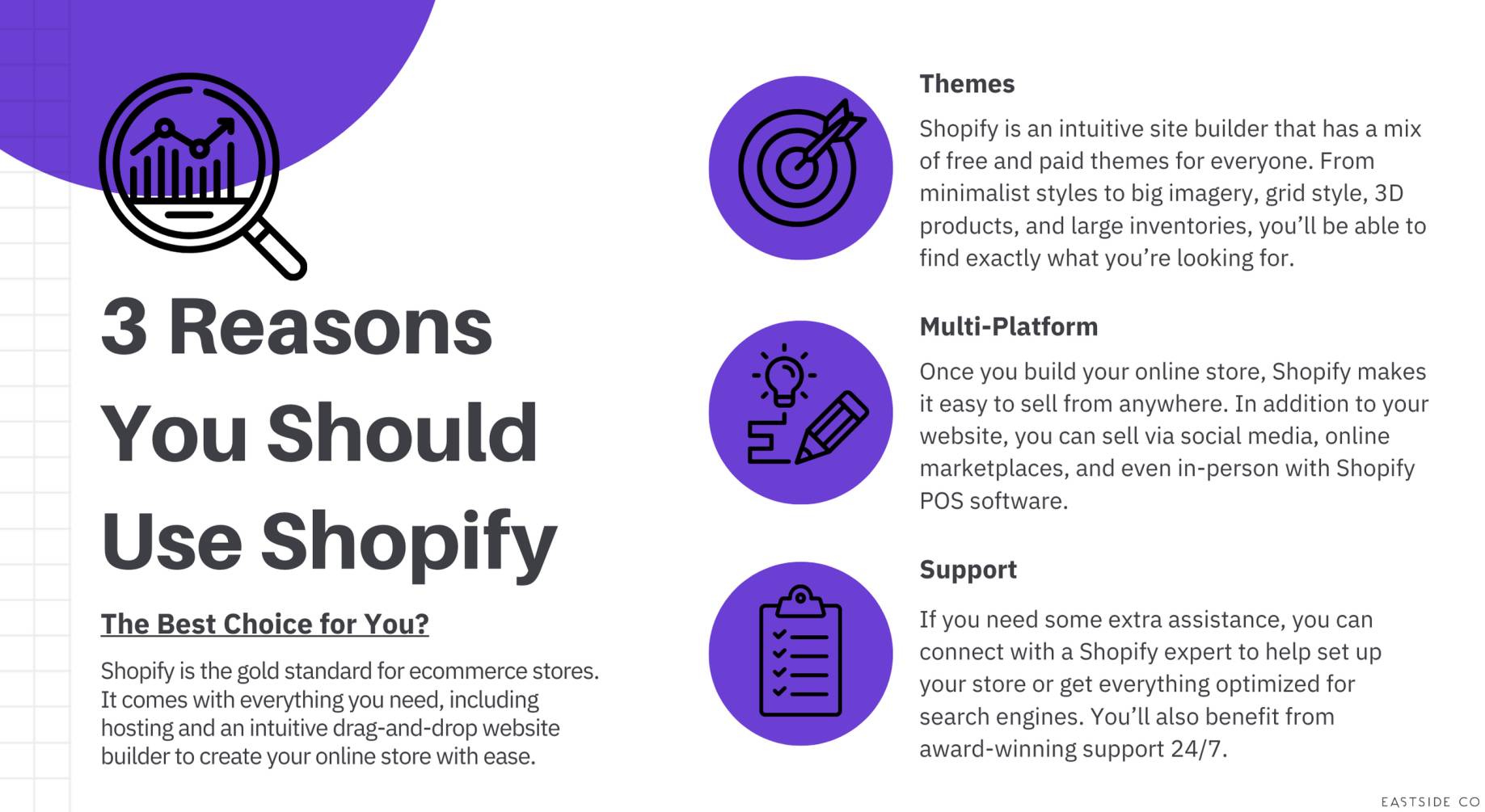
In conclusion, when asking “what does Shopify do,” the most accurate answer from a financial perspective is that it provides a scalable, secure, and data-driven ecosystem for wealth creation. It is a bridge between an idea and a profitable reality, offering the tools to manage cash flow, access growth capital, and build a valuable financial asset in the digital age. Whether you are seeking a secondary income stream or building a global corporate entity, Shopify serves as the financial foundation upon which modern commerce is built.
aViewFromTheCave is a participant in the Amazon Services LLC Associates Program, an affiliate advertising program designed to provide a means for sites to earn advertising fees by advertising and linking to Amazon.com. Amazon, the Amazon logo, AmazonSupply, and the AmazonSupply logo are trademarks of Amazon.com, Inc. or its affiliates. As an Amazon Associate we earn affiliate commissions from qualifying purchases.