
The Dow Jones Industrial Average (DJIA), often referred to simply as “the Dow,” remains the most iconic barometer of the American stock market. For over a century, investors, policymakers, and the general public have looked to this index to answer a fundamental question: How is the economy doing? To ask “where is the Dow now” is to seek an understanding of the collective health of 30 of the most significant blue-chip companies in the United States.
In the current financial landscape, the Dow sits at a fascinating crossroads. It is caught between the structural resilience of established industrial giants and the high-octane volatility of a shifting macroeconomic environment. Understanding where the Dow stands today requires more than just looking at a flashing red or green number on a screen; it requires a deep dive into interest rate trajectories, corporate earnings, and the evolving composition of the index itself.

Understanding the Current Pulse of the Dow Jones Industrial Average
The Dow is unique among major indices because it is price-weighted rather than market-capitalization-weighted. This means that companies with higher stock prices have a greater influence on the index’s movement, regardless of their total market value. When we evaluate where the Dow is now, we are looking at a concentrated snapshot of the American corporate elite.
What the Dow Represents in Today’s Economy
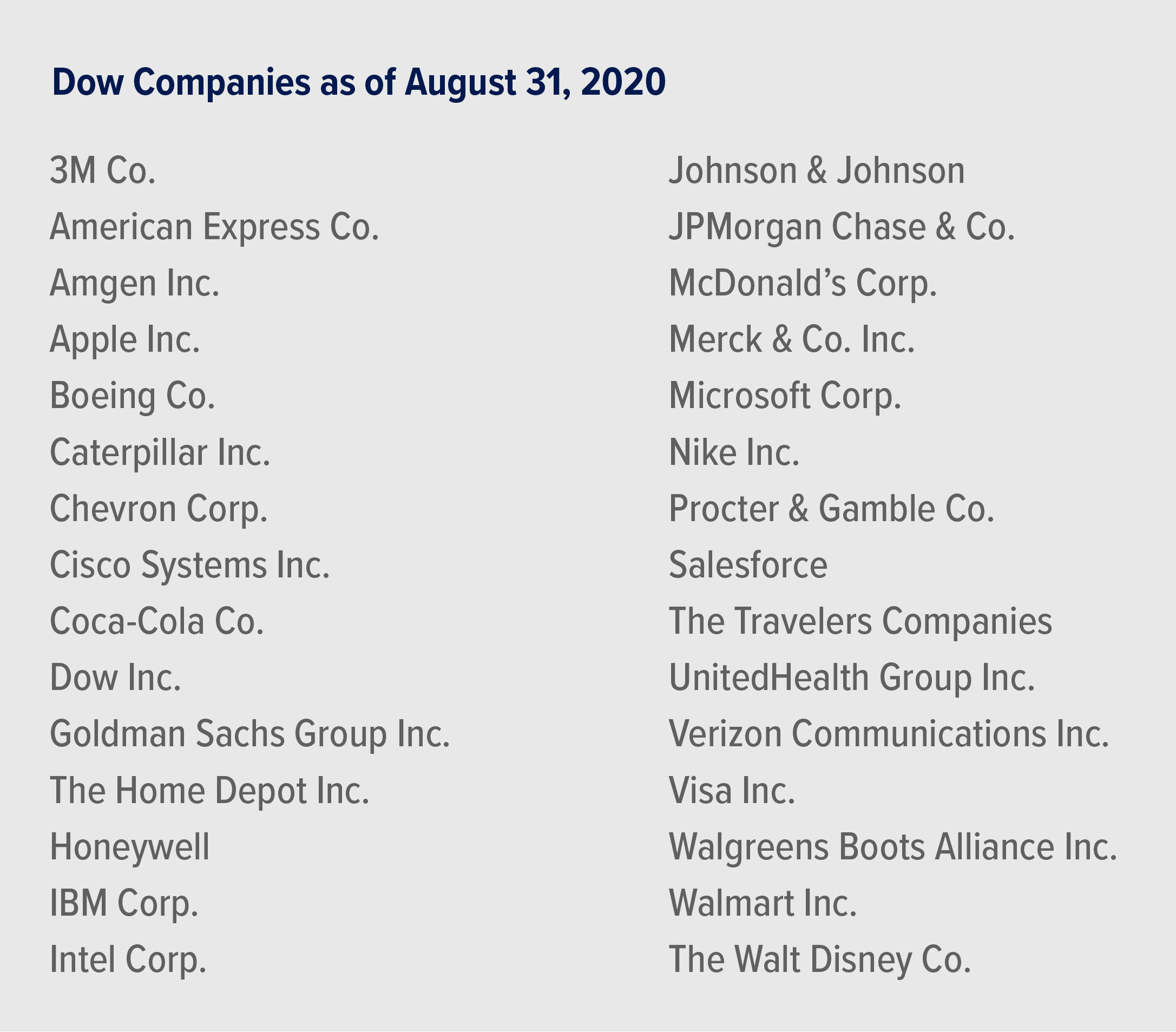
Historically, the Dow was dominated by heavy industry—steel, oil, and railroads. Today, the index is a diversified mix of technology, healthcare, financial services, and consumer goods. When the Dow moves today, it reflects the performance of stalwarts like Microsoft, UnitedHealth Group, and Goldman Sachs. Its current position serves as a temperature check for “Old Economy” stability meeting “New Economy” innovation. Because these 30 companies are global leaders, the Dow’s current level is as much a reflection of global trade and international stability as it is of domestic American consumption.
Key Drivers of Recent Market Volatility
The current state of the Dow has been defined by a tug-of-war between optimistic earnings and pessimistic macro data. Volatility has returned to the forefront as investors grapple with the transition from a period of “easy money” to one of higher capital costs. Every time the Dow approaches a new psychological milestone—such as the 40,000-point mark—it encounters resistance shaped by fears of a cooling labor market or unexpected shifts in consumer sentiment. The “now” of the Dow is a period of consolidation, where the market is attempting to price in a future that is neither a full-blown recession nor a runaway boom.
Macroeconomic Factors Shaping the Dow’s Trajectory
No index exists in a vacuum. The Dow’s current position is the direct result of the most aggressive monetary policy shifts seen in decades. To understand where the Dow is going, one must look at the levers being pulled by central banks and the broader economic environment.
The Impact of Interest Rates and the Federal Reserve
The Federal Reserve is perhaps the single most influential force acting on the Dow today. Interest rates dictate the cost of borrowing for the 30 Dow components and influence the discount rate used to value their future cash flows. When the Fed signals a “higher for longer” stance, the Dow often faces downward pressure, particularly in capital-intensive sectors like manufacturing and financials. Conversely, any hint of a “pivot” toward rate cuts tends to send the Dow surging as investors anticipate lower costs and higher valuations. The current narrative is one of cautious waiting; the Dow is essentially “holding its breath” for clarity on the Fed’s next move.
Inflationary Pressures and Consumer Spending
While inflation has moderated from its peak, its residual effects are deeply embedded in the Dow’s current valuation. Many Dow components, such as Walmart and Coca-Cola, are “price makers”—companies with the brand power to pass increased costs onto consumers. However, there is a limit to consumer resilience. Where the Dow sits now reflects a delicate balance: these companies are reporting solid revenues due to higher prices, but investors are concerned about declining unit volumes. If the consumer “cracks” under the pressure of sustained inflation, the Dow’s consumer-heavy components could lead a broader retreat.
Geopolitical Influence on Blue-Chip Stocks
The Dow is highly sensitive to geopolitical tensions due to the international footprint of its members. Supply chain disruptions in Asia, energy fluctuations in Europe, and trade tensions all manifest in the Dow’s daily movements. Currently, the index reflects a “risk-off” sentiment regarding global instability, balanced by the fact that many of its companies—particularly those in the aerospace and defense sectors—actually see increased demand during periods of global friction.
Analyzing the Components: Who is Leading and Who is Lagging?
Because the Dow is composed of only 30 stocks, the performance of just two or three “heavy hitters” can significantly skew the index. To know where the Dow is now, we must look under the hood at the individual sectors driving the momentum.
The Shift Toward Tech-Heavy Blue Chips
In recent years, the inclusion of companies like Salesforce and the continued dominance of Microsoft and Apple have changed the Dow’s DNA. These stocks have been the primary engines of growth. The current AI (Artificial Intelligence) boom has provided a massive tailwind for the Dow’s tech components, allowing the index to remain competitive even when traditional industrial sectors lag. The “now” of the Dow is increasingly digital; the index’s ability to maintain its current levels is heavily dependent on the “Magnificent” tech names within its ranks continuing to deliver on the promise of high-growth tech integration.
Industrial and Energy Sector Resilience
Despite the tech hype, the Dow’s “Industrial” middle name still carries weight. Companies like Caterpillar and Boeing remain vital to the index’s health. Currently, the industrial sector is experiencing a renaissance driven by domestic infrastructure spending and the “re-shoring” of manufacturing to the United States. However, this is countered by the energy sector, which faces volatility as global oil prices fluctuate based on OPEC+ decisions and shifting green energy mandates. The Dow’s current level represents a synthesis of these two worlds: a booming tech sector providing the “ceiling” and a stable industrial base providing the “floor.”
Technical Analysis and Market Sentiment
Financial markets are driven by data, but they are also driven by psychology. Technical analysis provides a roadmap for where the Dow is likely to find support or meet resistance.
Support and Resistance Levels to Watch
Technical analysts look at moving averages—specifically the 50-day and 200-day averages—to determine the Dow’s health. Currently, the Dow has been testing key support levels. If it holds above these averages, it signals a “bullish” consolidation phase. If it breaks below, it could trigger a deeper correction. Sentiment is currently “cautiously optimistic.” Professional traders are watching for a “breakout” move that would signal the start of a new leg up in the long-term secular bull market.
The Role of Institutional vs. Retail Investors
The Dow is the preferred vehicle for many institutional investors and pension funds because of the dividends paid by its components. In the current market, institutional “smart money” has been rotating into the Dow as a defensive play. When the Nasdaq (tech-heavy) becomes too volatile, investors often hide in the Dow’s reliable dividend-payers. This “flight to quality” is a major reason why the Dow has shown remarkable resilience in the face of economic uncertainty. The retail investor, meanwhile, often uses the Dow as a benchmark for their own retirement accounts, making its current level a significant psychological factor in overall consumer confidence.
Future Outlook: Investing Strategies for a Fluctuating Dow
As we look at where the Dow is now, the natural question is: Where is it going? For the disciplined investor, the current state of the index offers several strategic pathways.
Long-term Perspective vs. Short-term Noise
The Dow is designed for the long haul. While daily fluctuations can be dramatic, the historical trajectory of the Dow is consistently upward, reflecting the long-term growth of the American economy. The “now” should be viewed as a single data point in a much longer trend line. For those focused on wealth preservation and steady growth, the current volatility may actually represent a “time in the market” opportunity rather than a reason to “time the market.”
Diversification Beyond the 30 Components
While the Dow is an excellent indicator, savvy investors recognize its limitations. Because it only tracks 30 companies, it can miss broader market trends happening in small-cap or mid-cap stocks. The current state of the Dow suggests that while the “titans” are holding steady, there may be different stories unfolding in the S&P 500 or the Russell 2000. Using the Dow as a foundational guide while diversifying into other sectors is a prudent strategy in the current financial climate.
In conclusion, the question “where is the Dow now” reveals a market that is resilient but wary. It is an index supported by massive corporate profits and technological breakthroughs, yet anchored by the gravity of high interest rates and geopolitical uncertainty. For the investor, the Dow’s current position is a reminder of the enduring strength of the American corporate machine—a machine that continues to navigate complex waters with a historical track record of reaching new heights.
aViewFromTheCave is a participant in the Amazon Services LLC Associates Program, an affiliate advertising program designed to provide a means for sites to earn advertising fees by advertising and linking to Amazon.com. Amazon, the Amazon logo, AmazonSupply, and the AmazonSupply logo are trademarks of Amazon.com, Inc. or its affiliates. As an Amazon Associate we earn affiliate commissions from qualifying purchases.