
In the world of modern finance, the traditional “9-to-5” mindset has long been obsolete. For the savvy investor, the opportunity to build wealth and react to global economic shifts begins long before the opening bell rings at the New York Stock Exchange. Understanding when the premarket opens and how to navigate its unique landscape is a critical skill for anyone looking to master their personal finances and gain a competitive edge in the stock market.
Premarket trading offers a window into the day’s potential momentum, allowing participants to trade securities before the official market session begins. However, this early-access period operates under a different set of rules, risks, and schedules than the standard trading day. This guide explores the mechanics of premarket trading, the strategic reasons for participating, and the financial tools necessary to succeed in the “early bird” market.
Understanding the Premarket Schedule and Mechanics
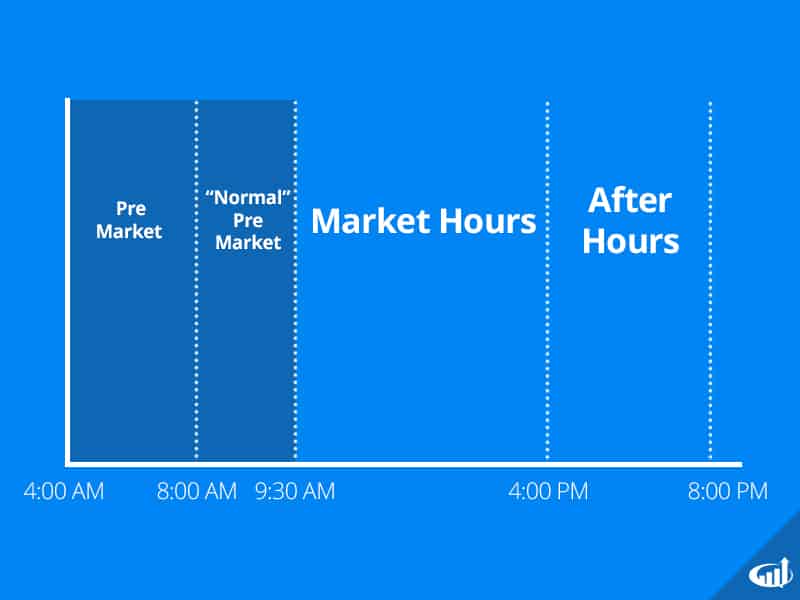
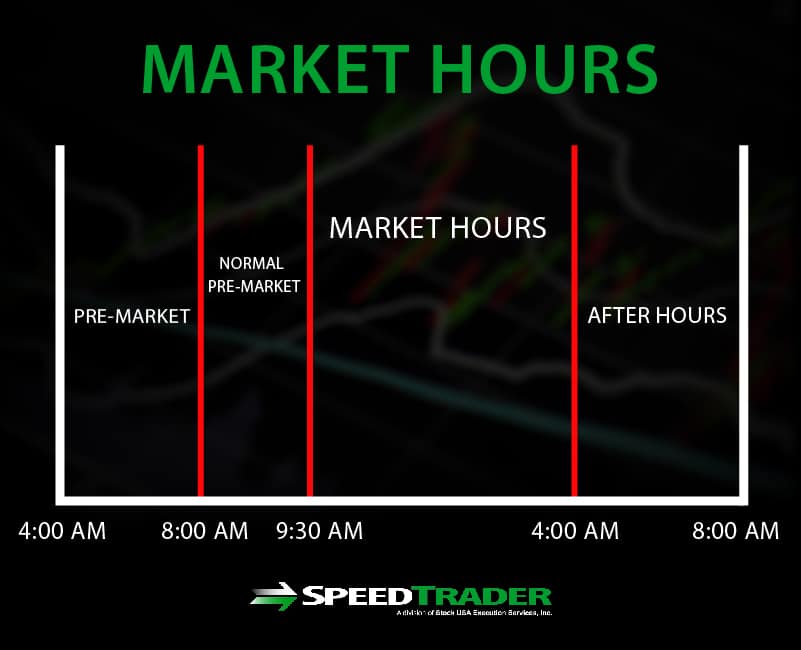
To answer the fundamental question—what time does premarket open?—one must first understand that the answer depends on your brokerage and the specific exchange. While the standard trading session on major U.S. exchanges like the NYSE and NASDAQ runs from 9:30 AM to 4:00 PM Eastern Time (ET), the premarket extends these boundaries significantly.
Standard Premarket Hours
For most major U.S. exchanges, premarket trading officially begins as early as 4:00 AM ET and continues until the market opens at 9:30 AM ET. It is important to note that while the exchanges are technically “open” at 4:00 AM, not all retail brokerages provide access at that hour. Many popular platforms for individual investors may only allow trading starting at 7:00 AM or 8:00 AM ET.
The Role of Electronic Communication Networks (ECNs)
Unlike the regular session, which utilizes designated market makers to maintain order, premarket trading relies entirely on Electronic Communication Networks (ECNs). These are automated systems that match buy and sell orders directly between participants. Because there is no central physical floor managing these trades, the liquidity is lower, and the spreads—the difference between the bid and ask price—are often wider. This technological framework is what allows for the 24/7 nature of modern global finance, but it also necessitates a more cautious approach to capital allocation.
Regional and Exchange-Specific Variations
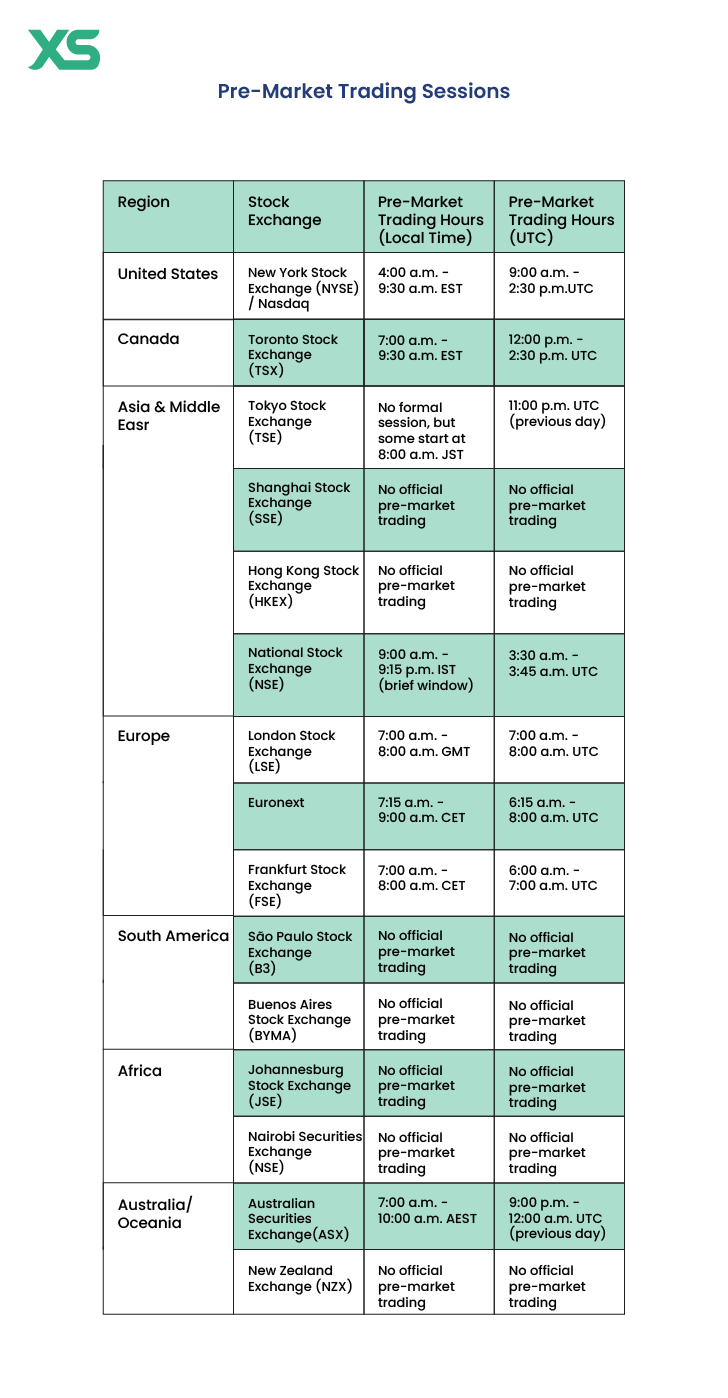
While we focus largely on the U.S. markets, the “premarket” concept is global. For investors involved in international business finance, the premarket in New York often overlaps with the closing hours of European markets and the late-night sessions in Asia. Understanding these overlaps is vital for predicting how a stock might behave when the U.S. premarket opens, as international sentiment often dictates the initial price action for multinational corporations.
Why Strategic Investors Trade Before the Bell
Trading in the premarket is not merely about being the first to act; it is about strategic positioning. High-net-worth individuals and institutional investors use this time to digest information that has accumulated overnight or since the previous day’s close.
Reacting to Earnings Reports and Economic Data
One of the primary drivers of premarket activity is the release of corporate earnings reports. Many companies choose to release their financial results at 7:00 AM or 8:00 AM ET to allow the market to digest the news before the opening bell. Similarly, key government economic indicators—such as the Consumer Price Index (CPI) or employment data—are often released at 8:30 AM ET. Investors who understand how to interpret this data can adjust their portfolios in the premarket to capitalize on the resulting price swings or to hedge against potential losses.
Price Discovery and Trend Identification
The premarket serves as a “price discovery” phase. If a stock gapping up (opening significantly higher than the previous close) on high volume during the premarket, it often signals strong institutional interest. By monitoring the premarket, an investor can identify which sectors are gaining favor and which are being sold off. This insight allows for a more informed strategy when the regular session begins, helping investors decide whether to “chase” a move or wait for a pullback.
Capitalizing on Global News Events
In an interconnected global economy, news from an overnight session in Tokyo or London can move U.S. markets instantly. Whether it is a geopolitical development, a change in central bank policy in Europe, or a supply chain disruption in Asia, the premarket is where these events are first priced into U.S. equities. For those managing a diverse portfolio, the ability to trade at 6:00 AM ET provides a vital head start in managing risk associated with global volatility.
Navigating the Risks and Rewards of Early Trading
While the allure of early profits is strong, the premarket is a “double-edged sword.” From a personal finance perspective, the risks of premarket trading are significantly higher than those during regular hours, requiring a disciplined approach to risk management.
The Challenge of Low Liquidity
The most significant risk in the premarket is the lack of liquidity. During the regular session, millions of shares are traded, ensuring that you can usually enter or exit a position at a fair price. In the premarket, there are far fewer participants. This low volume can lead to “slippage,” where the price you actually receive is far worse than the price you saw on your screen. For an investor with a smaller account, a single poorly executed trade in a thin premarket can erase weeks of gains.
Increased Volatility and False Signals
Because there are fewer trades, even a small buy or sell order can move a stock’s price disproportionately. It is common to see a stock “spike” 5% in the premarket on very low volume, only to see that gain vanish within the first five minutes of the regular session. This phenomenon is often referred to as a “bull trap” or a “fake-out.” Insightful investors learn to look at the volume accompanying premarket moves; if a price is moving significantly on low volume, it is often a signal to stay on the sidelines.
Limit Orders: A Necessary Financial Tool
Due to the volatility mentioned above, market orders (which execute at the best available current price) are generally not permitted or are highly discouraged in premarket trading. Instead, investors must use “limit orders,” which specify the maximum price they are willing to pay or the minimum they are willing to accept. This is a fundamental rule of business finance in the premarket: never leave your execution price to chance when liquidity is low.
Essential Tools and Brokerage Requirements for Premarket Access
To participate effectively in the premarket, an investor needs more than just a wake-up call; they need the right financial infrastructure. Not all brokerage accounts are created equal when it comes to extended-hours access.
Choosing a Broker with Extended-Hours Capabilities
When selecting a brokerage for investing, one should scrutinize their extended-hours policy. Some legacy brokers might charge extra fees for premarket trades, while modern fintech platforms may offer them for free but limit the hours (e.g., only starting at 8:00 AM). For those serious about active trading and side hustles in the market, a broker that offers full access from 4:00 AM to 8:00 PM (including after-hours) is essential.
Real-Time Data and Level 2 Quotes
Standard stock quotes are often delayed by 15 minutes, which is an eternity in the fast-moving premarket. Investors must ensure they have access to real-time data. Furthermore, “Level 2” quotes are invaluable during these hours. Level 2 shows the “depth of book,” revealing exactly how many shares are being bid or offered at various price levels. This allows the investor to see if there is actual “weight” behind a price move or if it is just a few small retail trades pushing the stock around.
Technical Analysis in a Thin Market
Traditional technical analysis—such as moving averages or Relative Strength Index (RSI)—can be less reliable in the premarket due to the erratic nature of the price action. However, “Volume-Weighted Average Price” (VWAP) is a tool that many professional traders use to determine the true value of a stock during the premarket. Understanding these financial tools is a prerequisite for anyone looking to transition from a passive saver to an active, informed investor.
Conclusion: Integrating Premarket Knowledge into Your Financial Strategy
Understanding what time the premarket opens is the first step in evolving your investment strategy. For the dedicated investor, the hours between 4:00 AM and 9:30 AM ET represent a period of high risk but also high opportunity. It is a time when information is fresh, and the “smart money” is positioning itself for the day ahead.
However, success in the premarket requires more than just being awake; it requires a sophisticated understanding of market mechanics, a firm grasp of risk management, and the right technical tools. By treating the premarket as a specialized environment—different from the high-liquidity regular session—you can use these early hours to protect your capital and find unique opportunities for growth. Whether you are managing a personal portfolio or looking to maximize a side hustle in day trading, mastering the premarket is a vital component of a comprehensive wealth-building strategy.
aViewFromTheCave is a participant in the Amazon Services LLC Associates Program, an affiliate advertising program designed to provide a means for sites to earn advertising fees by advertising and linking to Amazon.com. Amazon, the Amazon logo, AmazonSupply, and the AmazonSupply logo are trademarks of Amazon.com, Inc. or its affiliates. As an Amazon Associate we earn affiliate commissions from qualifying purchases.