
The Dow Jones Industrial Average (DJIA), often simply referred to as “the Dow,” remains one of the most watched stock market indices in the world. As a price-weighted measurement of 30 prominent companies listed on stock exchanges in the United States, it serves as a critical barometer for the health of the American economy and the broader global financial landscape. When people ask, “How is the Dow Jones doing?” they are usually seeking more than just a numerical value; they are looking for an assessment of market sentiment, corporate profitability, and the impact of macroeconomic policies on their personal portfolios.

Currently, the Dow Jones is navigating a complex landscape defined by shifting monetary policies, fluctuating inflation data, and a transition in leadership between defensive and growth-oriented sectors. Understanding its performance requires a multi-layered analysis of the factors driving its movements.
1. Decoding the Current Performance of the DJIA
To understand how the Dow is doing, one must first recognize the unique composition of the index. Unlike the S&P 500 or the Nasdaq, which are market-cap weighted, the Dow is price-weighted. This means that companies with higher stock prices have a greater influence on the index’s movement, regardless of their total market valuation.
The Impact of High-Price Components
In the current market environment, the performance of the Dow is heavily influenced by a handful of high-priced stocks. Companies like UnitedHealth Group, Goldman Sachs, and Microsoft carry significant weight. If these “blue-chip” giants see volatility due to earnings reports or sector-specific news, the entire index can swing dramatically, even if the other 27 companies remain stable. Recently, the Dow has shown resilience, often acting as a “safe haven” for investors looking to move away from the high volatility of the tech-heavy Nasdaq.
Performance Relative to Historical Norms
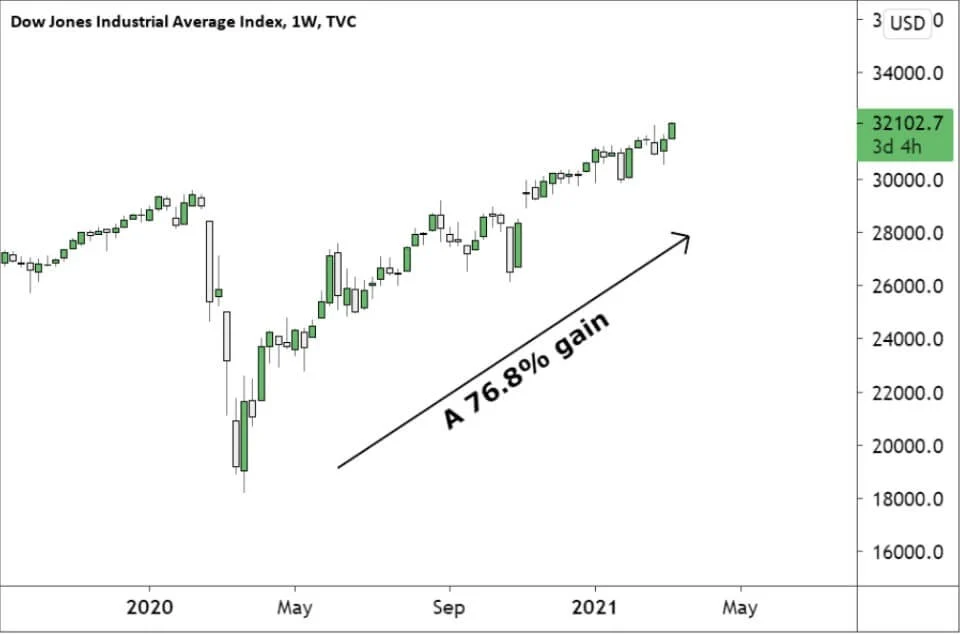
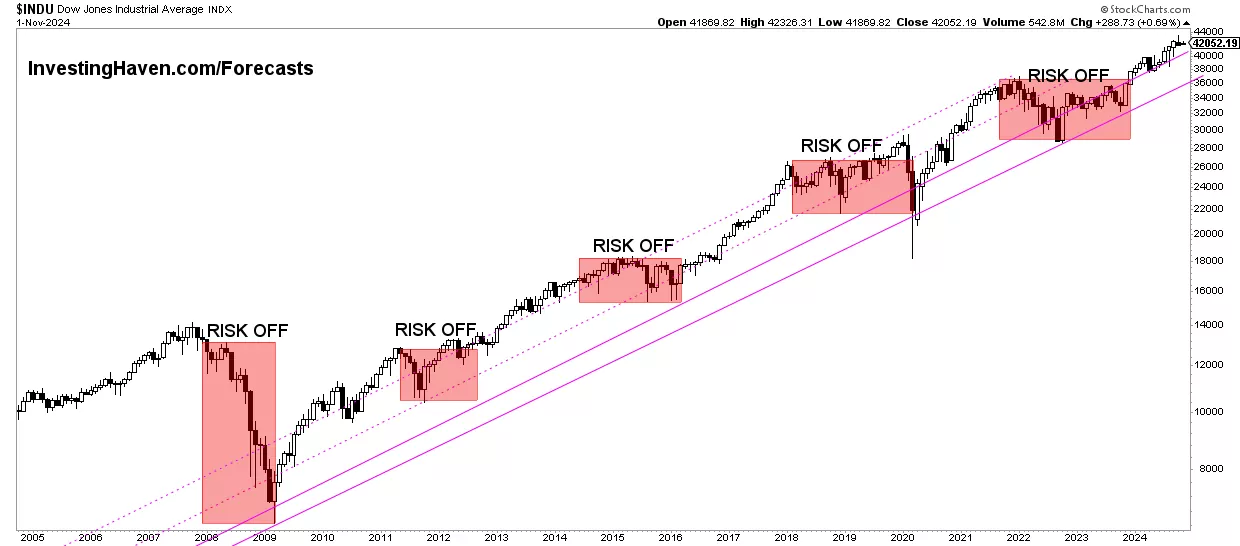
Historically, the Dow Jones has been a symbol of stability. In the current fiscal year, the index has reached several psychological milestones, flirting with record highs as investors balance optimism with caution. While it may not see the triple-digit percentage gains found in speculative sectors, its steady upward trajectory—punctuated by occasional healthy corrections—indicates a robust underlying corporate sector.
Volatility and Market Breadth
Market breadth refers to how many stocks are participating in a market move. When the Dow is doing well, analysts look to see if all 30 components are rising or if the index is being carried by just one or two sectors. Recently, we have seen a “broadening out” of the market, where sectors like industrials, financials, and consumer staples are contributing to gains, suggesting that the current performance is built on a solid foundation rather than a speculative bubble.
2. Macroeconomic Catalysts Driving the Index
No index exists in a vacuum. The performance of the Dow Jones is inextricably linked to the decisions made by the Federal Reserve and the broader data points regarding the U.S. economy.
Interest Rates and Federal Reserve Policy
The most significant factor influencing the Dow today is the trajectory of interest rates. The Federal Reserve’s “higher for longer” stance on interest rates has created a tug-of-war in the markets. Higher rates typically increase borrowing costs for corporations, which can squeeze profit margins. However, many of the companies in the Dow are cash-rich and have strong balance sheets, making them less sensitive to rate hikes than smaller, debt-heavy firms. When the Fed hints at potential rate cuts, the Dow typically reacts with a rally, as lower rates generally spur economic activity and increase the present value of future earnings.
Inflation and Consumer Sentiment
Inflation remains the “white whale” for market analysts. As the Consumer Price Index (CPI) and Personal Consumption Expenditures (PCE) price index fluctuate, the Dow responds in kind. Because the Dow includes major retailers and consumer goods companies (like Walmart and Coca-Cola), it is particularly sensitive to consumer spending habits. If inflation cools, it signals that the Fed may ease its restrictive policy, which is a “green light” for the Dow. Conversely, “sticky” inflation raises fears of a recession, often leading to sell-offs in the index.
The Role of Corporate Earnings
Ultimately, the Dow is a collection of businesses. “How the Dow is doing” is often a reflection of the most recent earnings season. In recent quarters, Dow components have largely outperformed expectations, demonstrating an ability to pass on costs to consumers while maintaining efficiency. Strong earnings from the banking sector (such as JPMorgan Chase) and the industrial sector (such as Caterpillar) have provided the necessary fuel to keep the index in positive territory despite macroeconomic headwinds.
3. Comparing the Dow with Other Major Indices
To get a full picture of the Dow’s health, it is essential to compare it with its peers: the S&P 500 and the Nasdaq Composite. This comparison reveals where the “smart money” is flowing.
Value vs. Growth
The Dow Jones is heavily weighted toward “value” stocks—established companies with steady earnings and often reliable dividends. In contrast, the Nasdaq is the home of “growth” stocks, particularly in the technology and biotech sectors. When the Dow outperforms the Nasdaq, it usually indicates a defensive market posture where investors are prioritizing stability over high-growth potential. Recently, we have seen rotations between these two, as investors weigh the potential of AI-driven growth against the safety of industrial stalwarts.
Concentration Risks
The S&P 500 contains 500 stocks, offering much broader diversification than the Dow’s 30. However, the S&P 500 has become increasingly concentrated in “Big Tech.” Because the Dow is limited to 30 companies and uses price-weighting, it provides a different perspective on the economy—one that is more focused on “Main Street” industrial and financial power than on the latest software trends. This makes the Dow a vital tool for investors who want to understand the “old economy” and its integration with modern digital trends.
The Psychological Significance of 40,000
In the world of finance, psychological levels matter. As the Dow approaches or exceeds major milestones like the 40,000 mark, it attracts significant media attention and retail investor interest. This can create a self-fulfilling prophecy where the “fear of missing out” (FOMO) drives the index higher. However, professional analysts look past these round numbers to evaluate price-to-earnings (P/E) ratios to ensure the index isn’t becoming overvalued relative to historical averages.
4. Investment Strategies for the Current Market
Knowing how the Dow is doing is only the first step; the second is knowing how to act on that information. Whether you are a seasoned investor or a beginner, the current state of the Dow offers several strategic opportunities.
Leveraging Dividend Aristocrats
Many components of the Dow Jones are considered “Dividend Aristocrats”—companies that have not only paid dividends but increased them for at least 25 consecutive years. In a market where capital gains may be muted by economic uncertainty, the consistent income provided by Dow dividends offers a safety net. Investors often use Dow-tracking ETFs (Exchange Traded Funds) like the DIA to gain exposure to these reliable yield-producers.
Dollar-Cost Averaging in Volatile Times
Given the fluctuations caused by Fed announcements and geopolitical events, trying to “time” the Dow can be a losing game. A more effective strategy is dollar-cost averaging (DCA), where an investor puts a set amount of money into a Dow-linked fund at regular intervals. This helps mitigate the risk of buying at a temporary peak and allows the investor to benefit from the index’s long-term upward bias.
Sector Rotation and Rebalancing
As the Dow moves, certain sectors within it may become overvalued while others remain bargain-priced. For example, if the financial sector has had a massive run, an investor might look toward the healthcare or consumer staples components of the Dow which may be lagging. This “sector rotation” is a common tactic used by institutional investors to maintain a balanced risk profile while the Dow navigates different economic cycles.
5. The Future Outlook: Risks and Opportunities
Looking ahead, the question of how the Dow is doing will be answered by how it handles several upcoming challenges.
Geopolitical Stability and Trade
The Dow includes massive multi-national corporations that rely on global trade. Geopolitical tensions, trade tariffs, and supply chain disruptions can all act as “drag” on the index. Investors must keep a close eye on international relations, as a significant portion of the revenue for Dow companies comes from outside the United States.
The Integration of AI and Innovation
While the Dow is often seen as the “old guard,” it is not immune to the AI revolution. Companies like Salesforce, Microsoft, and Apple are central to the Dow’s performance. The degree to which these industrial and service-oriented giants can integrate AI to improve margins and create new revenue streams will be a primary driver of the index’s growth over the next decade.
Conclusion: A Resilient Barometer
In summary, the Dow Jones Industrial Average is currently performing with a sense of “cautious optimism.” It has proven its resilience in the face of high interest rates and inflationary pressures, bolstered by strong corporate earnings and a shift toward value-oriented investing. While risks remain—particularly regarding central bank policy and global stability—the Dow continues to serve as a reliable indicator of the strength of the American corporate engine. For the individual investor, the Dow remains a foundational element of a diversified portfolio, offering a blend of stability, income, and long-term growth potential. As we move forward, watching the Dow will remain the most direct way to answer the quintessential question of the financial world: “How is the market doing?”
aViewFromTheCave is a participant in the Amazon Services LLC Associates Program, an affiliate advertising program designed to provide a means for sites to earn advertising fees by advertising and linking to Amazon.com. Amazon, the Amazon logo, AmazonSupply, and the AmazonSupply logo are trademarks of Amazon.com, Inc. or its affiliates. As an Amazon Associate we earn affiliate commissions from qualifying purchases.