
Palantir Technologies (NYSE: PLTR) has long been one of the most enigmatic and polarizing companies on Wall Street. Founded in 2003 by a group of PayPal alumni and Stanford computer scientists, the company spent nearly two decades in the private sector before making its public debut via a direct listing in September 2020. Because of its deep ties to government intelligence agencies and its secretive data-mining software, the question of “who owns Palantir” is not just a matter of financial curiosity—it is a question of who wields influence over some of the most powerful data analytics tools in the world.
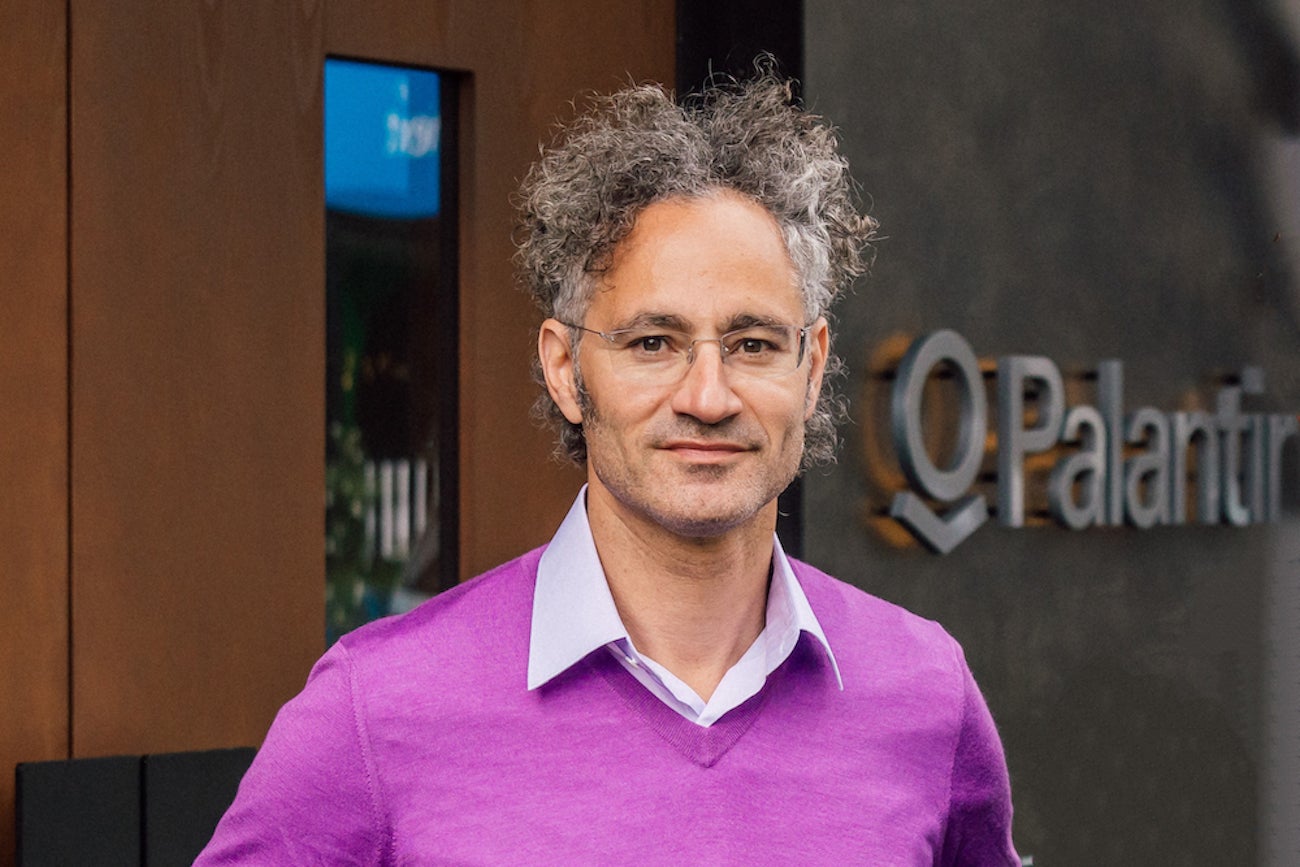
To understand Palantir’s ownership, one must look beyond a simple list of shareholders. The company’s equity structure is a complex web of institutional heavyweights, retail enthusiasts, and a founder-led governance model that ensures the original visionaries maintain a tight grip on the wheel, regardless of the fluctuations in public markets.
The Architect and the Visionary: The Foundational Stakeholders
The story of Palantir’s ownership begins with its founders. Unlike many Silicon Valley startups that eventually distance themselves from their creators, Palantir remains deeply tethered to the individuals who conceptualized its existence in the wake of the 9/11 attacks.
Peter Thiel: The Financial Backbone
Peter Thiel, the billionaire venture capitalist and co-founder of PayPal, was the primary financial architect behind Palantir. As the company’s first backer, Thiel provided the initial seed capital through his venture firm, Founders Fund, and his own personal wealth. Thiel remains one of the largest individual shareholders. His ownership represents more than just a financial stake; it represents a philosophical alignment with the company’s mission to provide the West with superior technological infrastructure. His involvement has often made Palantir a lightning rod for political scrutiny, yet his financial commitment has never wavered.
Alex Karp: The CEO with Absolute Conviction
Dr. Alex Karp, the eccentric and outspoken CEO, holds a significant portion of the company’s equity. Karp is not your typical tech executive; with a background in social theory and a penchant for philosophy, he has guided the company through its transition from a niche government contractor to a diversified enterprise software provider. Karp’s ownership is vital to the company’s identity, as he serves as the face of the firm’s ethical and operational decisions.
Stephen Cohen and the Founding Team
While Thiel and Karp are the most visible, co-founder Stephen Cohen plays a critical role in the technical and operational leadership of the firm. Along with other early employees, Cohen holds a substantial amount of Class B and Class F shares, which are instrumental in the company’s unique voting structure.
The Dual-Class Structure: Understanding Voting Power vs. Equity
In the world of personal finance and investing, “ownership” usually refers to the percentage of a company an individual holds. However, at Palantir, ownership of shares does not necessarily equate to control. The company utilizes a multi-class share structure that is designed to protect it from hostile takeovers and short-term market pressures.
Class A, Class B, and the Enigmatic Class F Shares
Palantir has three distinct classes of stock. Class A shares are what the general public buys and sells on the New York Stock Exchange; they carry one vote per share. Class B shares carry ten votes per share and are primarily held by the founders and early investors.
The most controversial and unique aspect of Palantir’s ownership is the Class F shares. This “Founder” class of stock is designed to give Thiel, Karp, and Cohen a majority of the voting power—roughly 49.99%—in perpetuity, even if they sell off a significant portion of their economic interest. This means that while institutional and retail investors may own the majority of the company’s equity, the founders retain the ultimate decision-making authority.
Why the Voting Structure Matters to Investors
From a financial perspective, this structure is a double-edged sword. For long-term bulls, it ensures that the management team can focus on “ten-year horizons” rather than quarterly earnings beats. For critics and corporate governance advocates, it represents a lack of accountability to minority shareholders. Understanding this distinction is crucial for any investor looking to “own” a piece of the company.

Institutional Dominance: How Wall Street Shapes Palantir’s Future
As Palantir matured and achieved consistent GAAP profitability, it caught the attention of the world’s largest asset managers. Institutional ownership is often viewed as a “seal of approval,” signaling that a stock has moved past its speculative phase and into the realm of core portfolio holdings.
The Rise of Passive and Active Giants
The largest owners of Palantir today are institutional investors. Firms like The Vanguard Group, BlackRock, and State Street Corporation hold massive stakes in the company. Much of this ownership is driven by Palantir’s inclusion in major indices. When Palantir was added to the S&P 500 in 2024, it triggered a massive wave of buying from exchange-traded funds (ETFs) and mutual funds that track the index.
The Role of Hedge Funds and Private Equity
Beyond the “Big Three” asset managers, several prominent hedge funds have cycled in and out of Palantir. These investors often look at Palantir’s commercial growth—specifically its Artificial Intelligence Platform (AIP)—as a driver for capital appreciation. Institutional owners provide the liquidity and stability that help dampen the volatility often associated with high-growth tech stocks.
Individual and Retail Investors: The “PLTR Community”
One of the most remarkable aspects of Palantir’s ownership structure is the sheer size and passion of its retail investor base. Palantir is frequently cited as one of the most “widely held” stocks among individual investors on platforms like Robinhood and Charles Schwab.
The Cult of “AIP” and Retail Sentiment
The retail community, often dubbed “Palantirians,” has been a significant force in the stock’s price action. These investors are typically drawn to the company’s narrative: a defender of Western democracy and a pioneer in the AI revolution. During the market fluctuations of 2021 and 2022, retail investors were instrumental in maintaining a high level of “diamond-hand” ownership, refusing to sell despite significant drawdowns.
Transparency and Communication with Small Shareholders
Unlike many corporate giants that ignore retail investors, Alex Karp and the Palantir executive team have often addressed this group directly. Through retail-focused earnings calls and social media engagement, the company has fostered a sense of “co-ownership” with the public, even if the voting power remains concentrated at the top.
Palantir as a Strategic Asset: Financial Implications for Long-term Owners
Owning Palantir is not just about owning a software company; it is about owning a stake in what many consider to be a “strategic asset” for the United States and its allies. This perspective shifts the ownership conversation from simple P/E ratios to geopolitical and macroeconomic significance.
Revenue Diversification: Government vs. Commercial
A key factor for Palantir’s owners is the shifting balance of its revenue streams. Historically, the company was “owned” by the success of its government contracts (Gotham). However, the rapid expansion into the commercial sector (Foundry and AIP) has changed the financial profile of the company. Modern owners are betting on Palantir becoming the “operating system for the modern enterprise,” a goal that, if achieved, would place it alongside giants like Microsoft and Oracle in terms of market indispensability.
The Future of Ownership: Dividends, Buybacks, and Growth
As Palantir’s balance sheet strengthens, the conversation among owners is shifting toward capital allocation. With billions in cash and no debt, the prospect of future share buybacks or even a dividend—though likely years away—begins to factor into the valuation models of long-term holders. Ownership in Palantir is increasingly viewed as a “compounding” play rather than a speculative tech trade.
Final Thoughts on Ownership
Who owns Palantir? On paper, the answer is a combination of Wall Street institutions, thousands of retail investors, and a core group of founders. But in practice, Palantir is owned by its vision. The unique Class F voting structure ensures that Peter Thiel and Alex Karp remain the ultimate stewards of the company’s destiny. For the investor, “owning” Palantir means participating in a high-stakes bet on the future of data-driven decision-making, while trusting a management team that has proven it will prioritize long-term dominance over short-term consensus.
aViewFromTheCave is a participant in the Amazon Services LLC Associates Program, an affiliate advertising program designed to provide a means for sites to earn advertising fees by advertising and linking to Amazon.com. Amazon, the Amazon logo, AmazonSupply, and the AmazonSupply logo are trademarks of Amazon.com, Inc. or its affiliates. As an Amazon Associate we earn affiliate commissions from qualifying purchases.