
Travel is often one of the largest discretionary expenses for individuals and families. Whether it is a luxury vacation or a necessary business trip, the financial stakes are high. One of the most significant risks to your travel budget is the potential for unforeseen circumstances—illness, job changes, or global events—to disrupt your plans. Understanding the cancellation policy of a major aggregator like Expedia is not just a logistical necessity; it is a critical component of personal finance management and asset protection.
Expedia operates as an intermediary between consumers and service providers (airlines, hotels, and car rental agencies). Because of this “middleman” position, their cancellation policies are a complex tapestry of Expedia’s own terms and the individual rules of their partners. This guide explores the financial intricacies of these policies to help you protect your investment.
The Financial Impact of Travel Flexibility: Refundable vs. Non-Refundable Rates
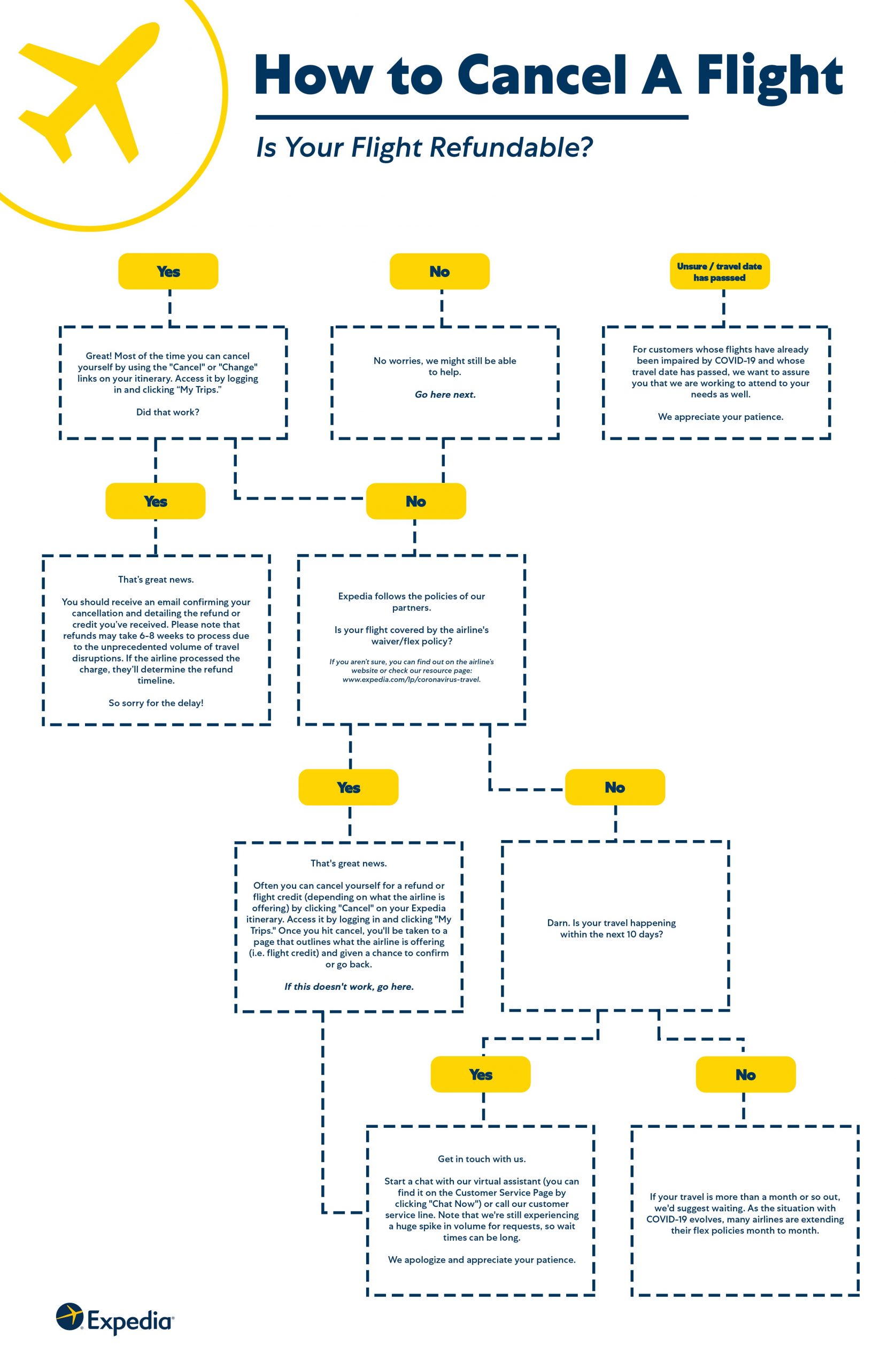
When booking through Expedia, users are often presented with a choice that fundamentally changes the financial risk profile of their purchase: the choice between a “non-refundable” rate and a “fully refundable” rate.
Understanding Non-Refundable vs. Fully Refundable Rates
In the world of personal finance, a non-refundable rate is essentially a lower-cost entry point purchased in exchange for assuming 100% of the risk. Hotels and airlines offer these discounted prices because they provide the business with guaranteed cash flow. For the traveler, saving $50 on a hotel room might seem like a smart move, but if the trip is canceled, the loss is the total cost of the booking.
Conversely, “fully refundable” rates are a form of self-insurance. You pay a premium upfront—often 10% to 20% more—to retain the right to reclaim your capital. From a financial planning perspective, the decision to book a refundable rate should be based on the volatility of your schedule and your ability to absorb the loss of the booking fee.
The Hidden Costs of Last-Minute Changes
Beyond the base price of the ticket or room, Expedia’s cancellation landscape is dotted with “change fees” and “cancellation windows.” Most hotels on the platform require cancellation at least 24 to 72 hours before check-in to trigger a full refund. Missing this window by even an hour can result in a “no-show” fee, which typically equals the cost of one night’s stay plus taxes. Recognizing these deadlines is vital for maintaining a healthy travel budget and avoiding “leakage”—small, avoidable expenses that drain your accounts.
Navigating the Hierarchy of Expedia’s Refund Framework
Expedia does not have a single, universal cancellation policy. Instead, the policy is dictated by the category of the travel product. To manage your money effectively, you must understand how these categories differ.
Flight Cancellations: Airline Rules vs. Third-Party Platforms
Flights are perhaps the most rigid category. Most major airlines allow a “24-hour window” where you can cancel a flight for a full refund, provided the booking was made at least seven days before departure. This is a federal regulation in many jurisdictions (such as the U.S. DOT rules), and Expedia facilitates this through their platform.
However, once that 24-hour window closes, the financial complexity increases. If you booked a “Basic Economy” ticket, it is likely non-refundable and non-changeable, meaning your money is essentially gone if you cannot fly. If you booked a “Main Cabin” or higher tier, you might not get a cash refund, but rather an “Expedia Flight Credit.” From a wealth management perspective, a credit is inferior to cash because it has an expiration date and is restricted to the same airline, representing a loss of liquidity.
Hotel Bookings and the Strategy of “Free Cancellation”
Hotels offer more flexibility than airlines. Many listings on Expedia specifically highlight “Free Cancellation” in green text. This is a powerful financial tool for travelers. It allows you to lock in a price early while retaining the ability to cancel if a better price appears later or if your financial situation changes.
Strategic travelers often use this to “arbitrage” their own bookings—checking Expedia periodically to see if the price for their reserved hotel has dropped, then canceling and rebooking at the lower rate.
Car Rentals and Vacation Packages
Car rentals are generally the most flexible financial product on Expedia. Most can be canceled right up until the time of pick-up without any penalty, provided you didn’t opt for a “Pre-Paid” rate.
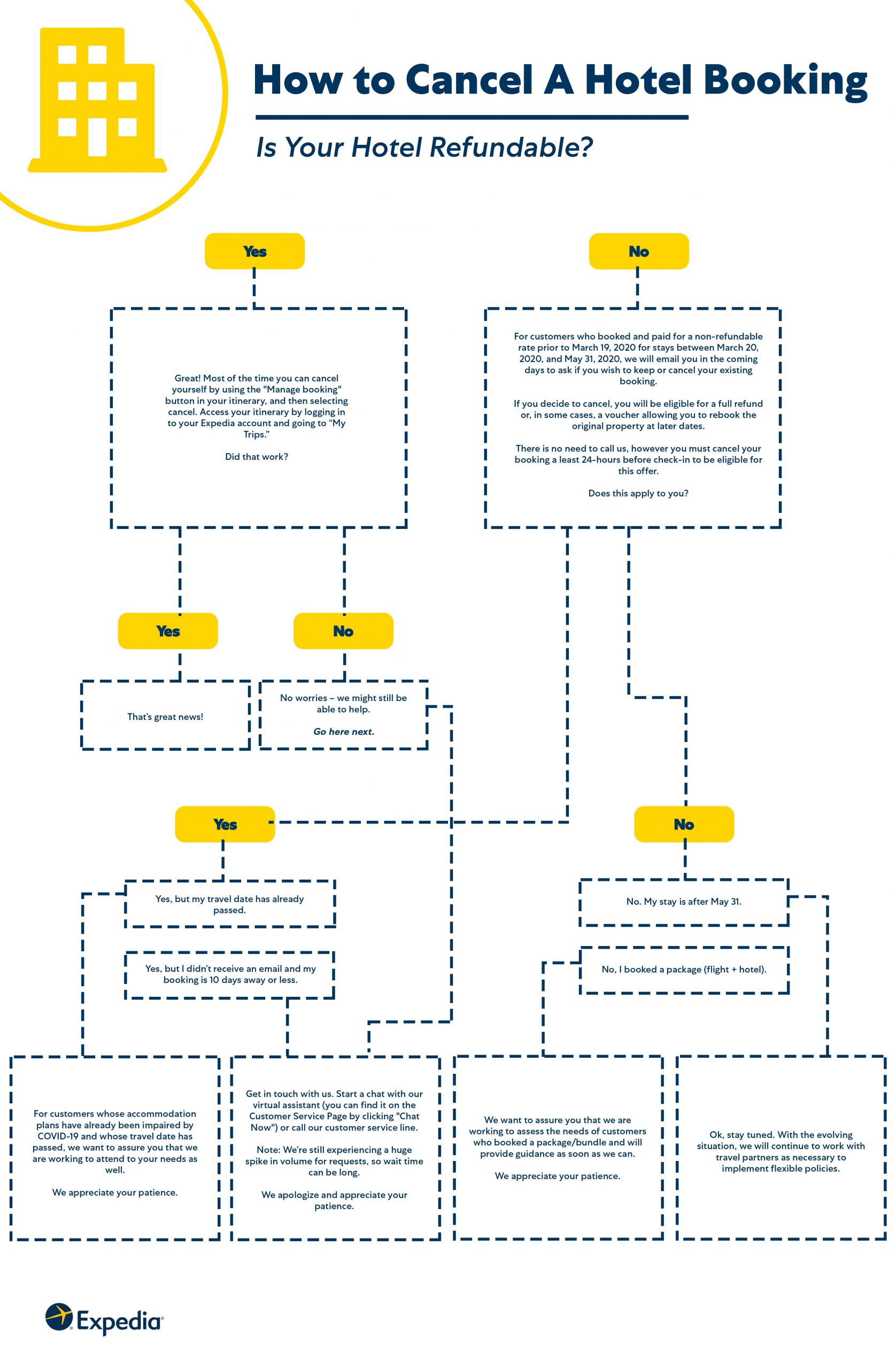
Vacation packages (bundling flight + hotel) are the most complex. Because these involve multiple vendors, canceling a package often requires navigating two or three different sets of rules simultaneously. Financially, packages offer a discount for bundling, but the “cost” of that discount is often a much stricter, more punitive cancellation policy.
Protecting Your Investment with Travel Insurance and Protection Plans
Because travel represents a significant capital outlay, many consumers look toward insurance to mitigate the risk of loss. Expedia offers its own “Travel Protection Plan” during the checkout process, but a savvy financial mind should evaluate this compared to other options.
Is Expedia’s Protection Plan Worth the Cost?
The protection plans offered by Expedia typically cover trip cancellations for specific reasons: illness, injury, or flight delays. From a ROI (Return on Investment) perspective, these plans usually cost between 7% and 10% of the total trip cost.
If you are booking a $5,000 international vacation, paying $400 for a protection plan might be a sound financial decision. However, if you are booking a $200 domestic flight, the cost of the insurance may not justify the risk, especially if your credit card already offers built-in travel protections.
Third-Party Travel Insurance: A Financial Comparison
Before purchasing Expedia’s internal protection, one should look at “Cancel For Any Reason” (CFAR) insurance from independent providers. While more expensive, CFAR insurance provides a higher level of financial security, usually refunding 50% to 75% of the trip cost regardless of why you cancel. For high-net-worth trips, this is often the preferred method of protecting against the total loss of travel funds.
Strategic Tips for Recovering Funds from Expedia
If you find yourself needing to cancel a trip, the goal shifts from “travel planning” to “asset recovery.” How you handle the cancellation process can be the difference between a full refund and a total loss.
Using the “Cancel Within 24 Hours” Rule
As mentioned, the 24-hour rule is your strongest financial ally. If you notice a mistake in your booking or your financial circumstances change immediately after clicking “buy,” act within that first day. On Expedia, this can often be done through the “My Trips” portal without ever needing to speak to a customer service representative. This ensures a 1:1 recovery of your cash to your original payment method.
Managing Disputes and Chargebacks
In extreme cases where a refund is owed according to the policy but is not being processed, some travelers turn to credit card chargebacks. This should be a last resort. From a financial relationship standpoint, filing a chargeback against Expedia can lead to your account being flagged or banned.
A better financial strategy is to maintain a “paper trail.” Take screenshots of the cancellation policy at the time of booking, as these policies can occasionally change or be removed from the live site. Having documentation of the “Free Cancellation” terms is essential when disputing a charge with either Expedia or your bank.
Leveraging Credit Card Benefits
Many premium credit cards (like the Chase Sapphire Reserve or American Express Platinum) offer built-in trip cancellation and interruption insurance. If you use these cards to pay for your Expedia booking, you may already be protected against financial loss due to illness or weather. This renders the additional Expedia protection plan redundant, saving you the premium cost and increasing your overall travel budget efficiency.
Conclusion: Making Informed Financial Decisions in Travel
In the modern economy, “money” is not just about what you earn; it is about what you keep. Understanding the cancellation policy for Expedia is a fundamental aspect of consumer financial literacy. By distinguishing between refundable and non-refundable assets, understanding the time-sensitive nature of refund windows, and utilizing the right insurance products, you can travel with the confidence that your capital is protected.
The key to financial success on Expedia is to read the “fine print” before the transaction is finalized. Every booking is a contract. By treating your travel bookings as a series of financial investments—complete with risk assessments and mitigation strategies—you ensure that your hard-earned money is spent on experiences, not lost to administrative fees and rigid policies. Professional travelers don’t just plan their destinations; they plan their exits, ensuring that if a trip cannot happen, their financial health remains intact.
aViewFromTheCave is a participant in the Amazon Services LLC Associates Program, an affiliate advertising program designed to provide a means for sites to earn advertising fees by advertising and linking to Amazon.com. Amazon, the Amazon logo, AmazonSupply, and the AmazonSupply logo are trademarks of Amazon.com, Inc. or its affiliates. As an Amazon Associate we earn affiliate commissions from qualifying purchases.