
In the contemporary landscape of global commerce, the ability to move capital quickly, securely, and across borders is no longer a luxury—it is a fundamental requirement for financial health. Whether you are an individual looking to manage personal expenses or an entrepreneur building a scalable business, digital payment gateways serve as the primary infrastructure for modern transactions. Among these, PayPal remains a titan of the fintech industry, offering a robust ecosystem that bridges the gap between traditional banking and the digital economy.
Setting up a PayPal account is more than a mere technical task; it is an act of financial positioning. It allows users to tap into global markets, manage liquidity with precision, and utilize protective measures that traditional wire transfers often lack. This guide provides a professional deep dive into the strategic selection, setup, and optimization of a PayPal account within the context of personal and business finance.
Navigating the Digital Economy: Why a PayPal Account is Essential
Before embarking on the setup process, one must understand the strategic value a PayPal account adds to a financial portfolio. In the “Money” niche, we view tools not just by their features, but by their ability to facilitate growth and protect assets. PayPal functions as a sophisticated intermediary that masks sensitive banking data from merchants while providing a streamlined interface for tracking outflows and inflows.
The Distinction Between Personal and Business Accounts
The first financial decision you must make is choosing the correct account type. This choice dictates your fee structure, your tax reporting obligations, and your access to specialized financial tools.
- Personal Accounts: These are designed for the individual consumer. They are optimized for peer-to-peer transfers—such as sending money to family or splitting a bill—and for making online purchases. For the budget-conscious user, the primary advantage is the lack of maintenance fees and the simplicity of the interface.
- Business Accounts: For those operating a side hustle, a freelance practice, or a corporate entity, the Business account is a necessity. It allows the user to operate under a company name, provides access to multi-user login permissions, and enables advanced invoicing features. From a financial management perspective, a Business account is vital for keeping personal and professional co-mingled funds separate—a cornerstone of sound accounting practice.
Global Reach and Currency Management
One of the most powerful aspects of PayPal as a financial tool is its multi-currency capability. For investors and digital nomads, the ability to hold balances in various currencies (such as USD, EUR, GBP, and CAD) provides a natural hedge against currency fluctuation. When you set up your account, you gain access to a platform that handles complex exchange rate calculations and international compliance, which would otherwise require a dedicated treasury department for a small business.
Step-by-Step Execution: Setting Up Your Financial Gateway
The transition from a traditional cash-based or localized banking mindset to a digital-first approach requires a meticulous setup process. Precision during the registration phase ensures that your capital does not get locked behind compliance flags or verification hurdles.
Registration and Identity Verification
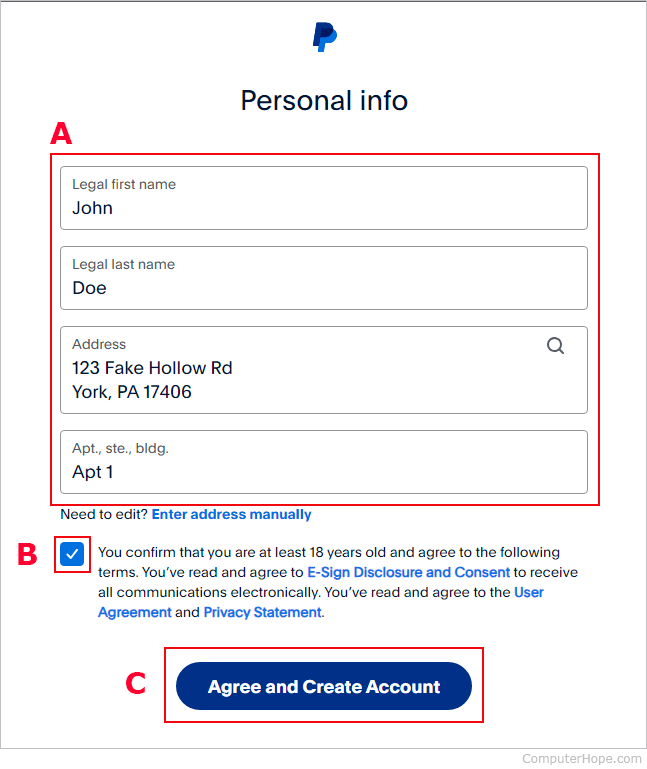
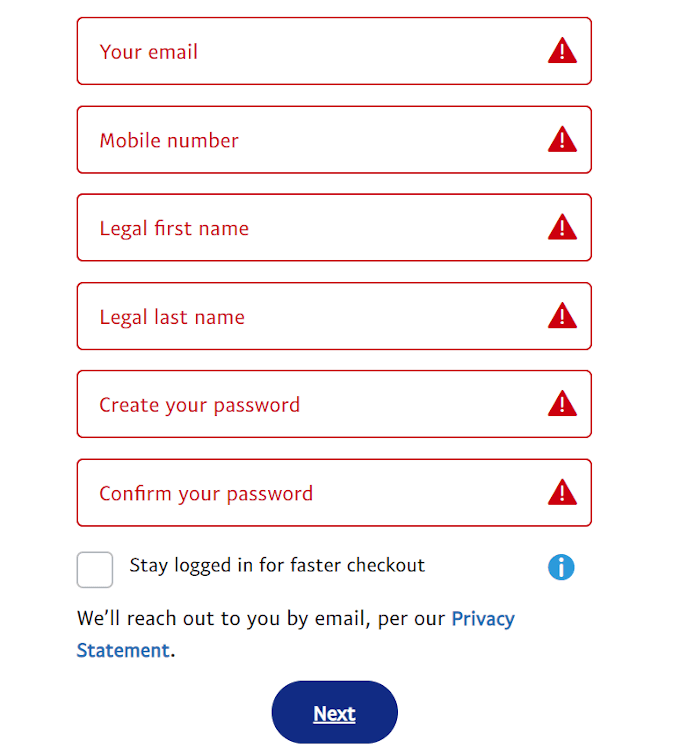
To begin, visit the official PayPal platform. The initial stage requires basic KYC (Know Your Customer) information: a legal name, a valid email address, and a physical address. However, from a professional financial standpoint, the “verification” phase is where the real work begins.
To lift withdrawal limits and increase account credibility, you must provide government-issued identification and proof of address. In the world of online income and side hustles, a “Verified” status is a badge of trust. It signals to both the platform and your transaction partners that you are a legitimate financial actor. For business users, this may also involve providing your Employer Identification Number (EIN) or other corporate registration documents to ensure compliance with anti-money laundering (AML) regulations.
Linking Banks and Credit Cards for Fluid Cash Flow
An isolated PayPal account is of little use; it must be integrated into your broader financial ecosystem. Linking a primary bank account allows for the “sweeping” of funds—moving your digital earnings into a high-yield savings account or an investment brokerage.
When linking these instruments, consider the “Money” strategy of liquidity:
- Debit Cards/Bank Accounts: Best for transferring your PayPal balance into your liquid cash reserves with minimal fees.
- Credit Cards: When making purchases through PayPal, linking a rewards-based credit card allows you to “double-dip”—gaining PayPal’s buyer protection while simultaneously earning cashback or travel points from your card issuer.

Security Protocols: Protecting Your Digital Capital
In the realm of personal finance, security is synonymous with asset preservation. A digital account is only as valuable as the safeguards protecting it. Because PayPal acts as a gateway to your primary bank accounts, implementing high-level security protocols is non-negotiable.
Multi-Factor Authentication (MFA) and Encryption
The first line of defense is Multi-Factor Authentication (MFA). By requiring a secondary code sent to a mobile device or generated by an authenticator app, you significantly reduce the risk of unauthorized access. Professionally managed accounts should never rely on a password alone.
Furthermore, understand that PayPal utilizes end-to-end encryption for every transaction. For the financial user, this means that your credit card numbers and bank details are never exposed to the seller. This “blind” transaction method is a critical tool for preventing identity theft and unauthorized debits, which can be catastrophic to one’s financial standing.
Dispute Resolution and Buyer/Seller Protections
Unlike a wire transfer or a cash payment, PayPal offers a “Resolution Center.” This is a specialized financial service that acts as an escrow-like mediator.
- Buyer Protection: If a product is not delivered or significantly deviates from the description, you can recoup your capital.
- Seller Protection: For those earning an online income, this protects against fraudulent “chargebacks” or claims of non-receipt, provided you have proof of shipping.
Understanding these protections allows you to engage in higher-risk international markets with the confidence that your capital is insured by the platform’s policies.
Optimizing Your Account for Income and Growth
Once the account is functional and secure, the focus shifts to optimization. A PayPal account should not sit idle; it should be leveraged to maximize your financial efficiency and streamline your income streams.
Integrating PayPal with E-commerce and Freelance Platforms
For those focused on side hustles or business finance, PayPal’s integration capabilities are its greatest asset. It serves as the “pipes” for your revenue. By connecting PayPal to platforms like Shopify, Etsy, or Upwork, you automate the collection of revenue.
The professional user utilizes the Invoicing Tool. Instead of using messy word documents, PayPal’s professional invoices allow you to set terms (Net-30, Net-60), track when a client has viewed an invoice, and send automated reminders. This reduces the “days sales outstanding” (DSO), ensuring that your cash flow remains consistent and predictable.
Managing Tax Compliance and Financial Reporting
As your digital income grows, so does your responsibility to the tax authorities. PayPal provides robust reporting tools that are essential for fiscal year-end activities. Business account holders can download detailed transaction logs that categorize fees, gross income, and refunds.
For US-based users, PayPal will issue a Form 1099-K if you meet certain transaction thresholds. From a financial planning perspective, it is crucial to reconcile your PayPal reports with your accounting software (such as QuickBooks or Xero) monthly. This ensures that you are accurately tracking the “cost of goods sold” and the platform fees, which are often tax-deductible business expenses. Treating your PayPal account as a formal ledger rather than just a “digital wallet” is what separates a hobbyist from a professional financial manager.
Conclusion: The Strategic Value of Digital Liquidity
In summary, creating a PayPal account is a foundational step in mastering 21st-century personal and business finance. By moving beyond the basic setup and focusing on account types, rigorous security, and integration with broader financial goals, you transform a simple app into a powerful engine for wealth management.
As the digital economy continues to expand, the friction between different national currencies and banking systems will likely persist. Having a properly configured, verified, and optimized PayPal account provides you with the agility to navigate these complexities. It ensures that your money is not just stored, but is active, protected, and ready to be deployed whenever a new financial opportunity arises.
aViewFromTheCave is a participant in the Amazon Services LLC Associates Program, an affiliate advertising program designed to provide a means for sites to earn advertising fees by advertising and linking to Amazon.com. Amazon, the Amazon logo, AmazonSupply, and the AmazonSupply logo are trademarks of Amazon.com, Inc. or its affiliates. As an Amazon Associate we earn affiliate commissions from qualifying purchases.