
For decades, the image of tax season involved paper forms, physical checks, and the anxiety of ensuring an envelope was postmarked by midnight on April 15th. However, as the global financial landscape has shifted toward a digital-first approach, the Internal Revenue Service (IRS) has significantly modernized its infrastructure. Today, paying federal taxes online is not just a convenience; it is a strategic financial move that offers better security, faster processing, and superior record-keeping for personal and business finances.
Understanding the various digital payment corridors available to you is essential for maintaining a healthy financial profile. Whether you are a W-2 employee with a balance due, a freelancer paying quarterly estimated taxes, or a small business owner managing corporate liabilities, the method you choose to pay the IRS can impact your cash flow and even your credit strategy.
Leveraging Direct Bank Transfers for Maximum Efficiency
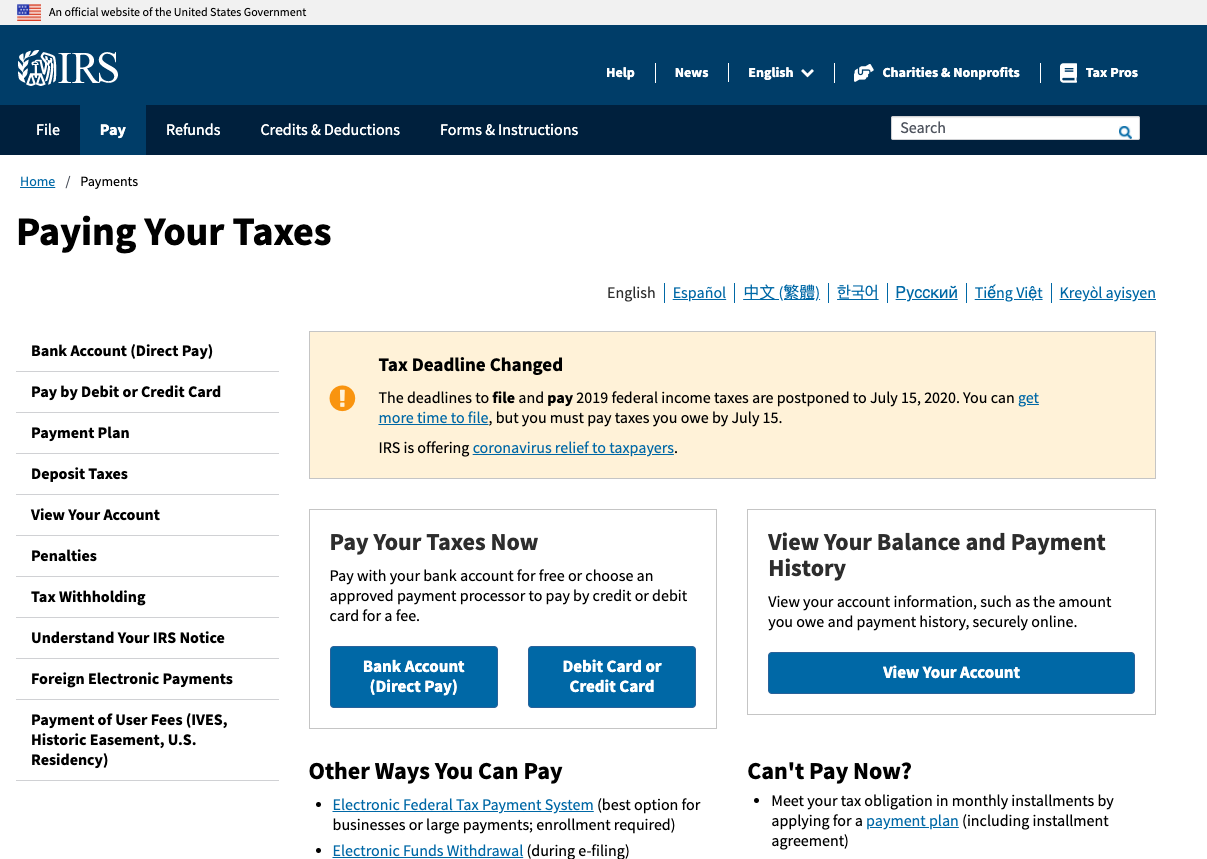
The most straightforward and cost-effective way to handle federal obligations is through direct bank transfers. By bypassing intermediaries, taxpayers can ensure that their funds reach the Treasury with minimal friction.
IRS Direct Pay: The Gold Standard for Individuals
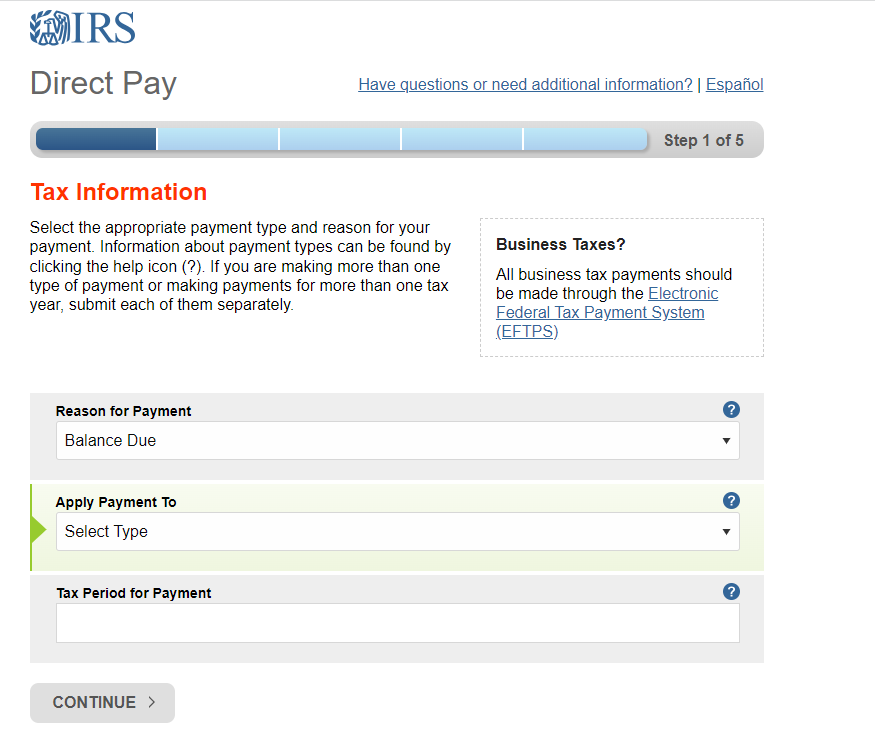
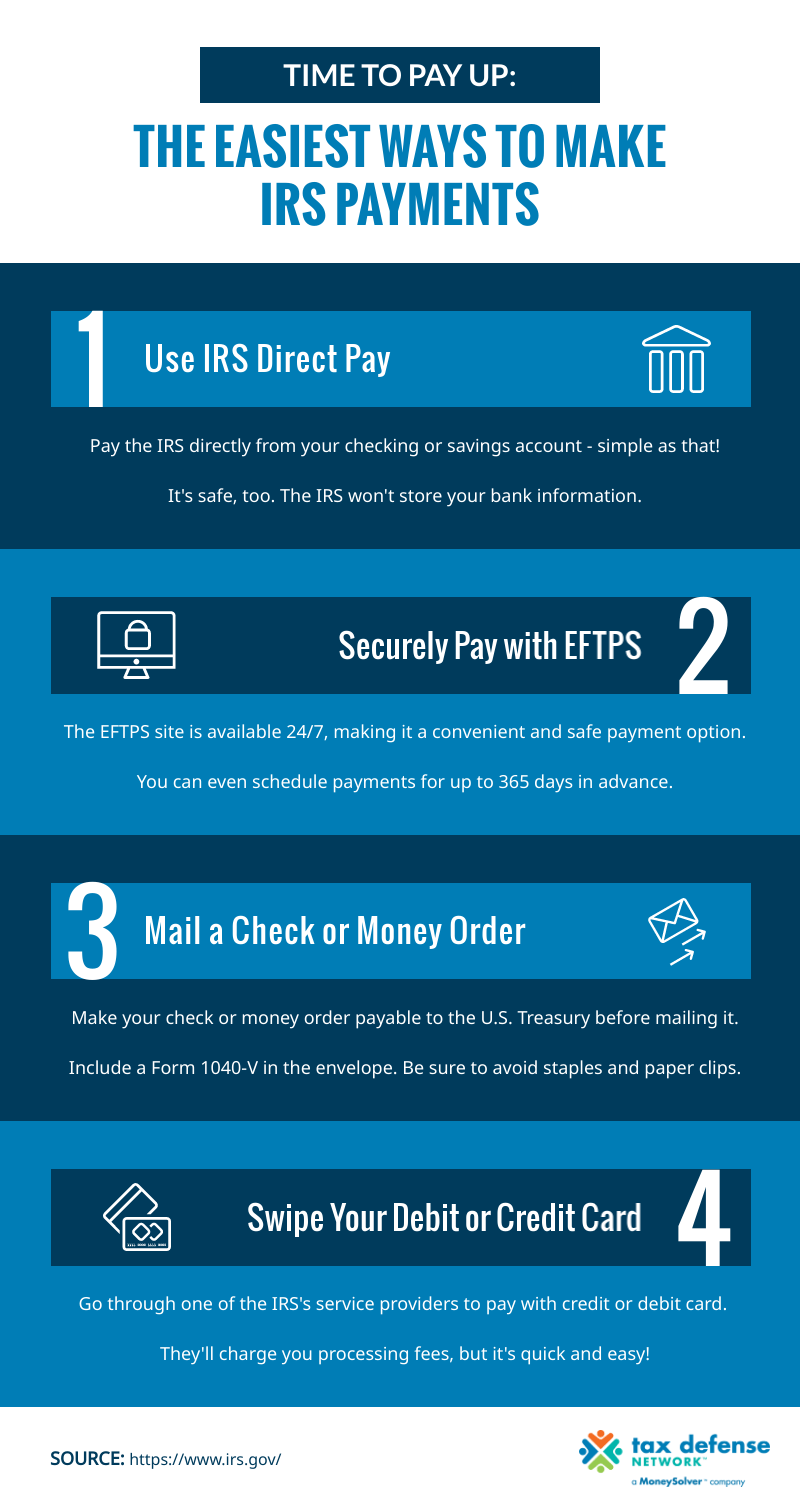
IRS Direct Pay is arguably the most popular tool for individual taxpayers. It allows you to pay your income tax directly from your checking or savings account without any additional fees. The primary advantage of Direct Pay is its simplicity; there is no need to create a complex account or remember a secondary password if you are making a one-time payment.
From a financial planning perspective, Direct Pay provides immediate confirmation numbers. This digital receipt is vital for your records, especially if you are working with a CPA or using personal finance software to track your annual expenditures. You can schedule payments up to 30 days in advance, which allows for precise cash flow management—ensuring the money leaves your account exactly when you want it to, rather than waiting for a check to clear.
EFTPS: The Power Tool for Businesses and High-Net-Worth Individuals
While Direct Pay is excellent for simple individual filings, the Electronic Federal Tax Payment System (EFTPS) is the heavy hitter of the federal payment world. EFTPS is a free service provided by the Department of the Treasury that requires a formal enrollment process, including the mailing of a physical PIN for security.
EFTPS is indispensable for those who have complex tax requirements, such as corporate taxes, payroll taxes, or high-volume estimated payments. It offers a comprehensive history of payments made over the last 16 months, providing a level of transparency that is crucial for business accounting. If you are managing a side hustle that has grown into a full-time LLC, transitioning to EFTPS is a hallmark of professional financial management.
Using Credit and Debit Cards: Rewards vs. Processing Fees
In the world of personal finance, there is a recurring debate: should you ever pay your taxes with a credit card? While the IRS does not collect a fee for credit card payments, they use third-party processors who do. This section explores the strategic “math” behind this decision.
Understanding Third-Party Processors
The IRS currently authorizes three main payment processors: PayUSAtax, Pay1040, and ACI Payments, Inc. These processors charge a convenience fee, typically ranging from 1.82% to 1.98% for credit cards, and a flat fee (usually under $3) for debit cards.
When you choose this route, you aren’t paying the IRS directly on their website; instead, you are redirected to these secure portals. From a digital security standpoint, these processors are highly regulated and use top-tier encryption, making them a safe choice for those who prefer the protections offered by major card issuers.
The Rewards Arbitrage: Is it Worth the Fee?
The decision to use a credit card should be viewed through the lens of a “return on investment” (ROI). If you have a credit card that offers 2% cash back on all purchases, and the IRS processor charges a 1.85% fee, you are technically netting a 0.15% profit. While that margin is slim, it can be substantial on a $10,000 tax bill.
Furthermore, many savvy taxpayers use their tax bill to hit “minimum spend” requirements for new credit card sign-up bonuses. A $500 or $1,000 bonus can far outweigh the 2% processing fee. However, this strategy only works if you pay the credit card balance in full immediately. If you carry the balance and incur 20%+ interest rates, the financial “win” turns into a significant loss.
Digital Wallets and Emerging Fintech Solutions
As we move further into the 2020s, the IRS has embraced the fintech revolution. The inclusion of digital wallets in the federal payment ecosystem marks a significant shift toward meeting younger taxpayers where they already manage their money.
The Rise of PayPal and Venmo in Tax Compliance
You can now pay your federal taxes using PayPal or Venmo through the authorized third-party processors mentioned earlier. For many freelancers and gig economy workers, this is a game-changer. If you receive your income via PayPal or Venmo, you can pay your taxes using your balance without ever having to transfer that money to a traditional bank account.
This creates a closed-loop ecosystem that simplifies the “income-to-tax” pipeline. It reduces the “drag” of waiting for bank transfers and helps maintain a clear separation between business income stored in digital wallets and personal funds in a traditional savings account.
Mobile Payments: Convenience in the Palm of Your Hand
With the integration of Apple Pay and Google Pay through processor websites, the friction of paying the IRS has been reduced to a biometric scan (FaceID or TouchID). This level of convenience encourages timely payments. In the realm of personal finance, “friction” is often the enemy of compliance. By making the payment process as easy as buying a cup of coffee, the IRS helps taxpayers avoid the late-payment penalties that often accrue simply because the process of writing and mailing a check was too cumbersome.
Managing Cash Flow Through Online Payment Plans
Not everyone has the liquid capital to pay their tax bill in full on Tax Day. In the past, this led to a cycle of avoidance and mounting debt. Today, the IRS offers robust online tools to set up payment plans (installment agreements) directly through their website.
Short-Term vs. Long-Term Installment Agreements
If you owe less than $100,000 in combined tax, penalties, and interest, you can apply for a short-term payment plan (up to 180 days) online. For those with larger debts or a need for more time, long-term installment agreements (monthly payments for up to 72 months) are available.
From a business finance perspective, an installment agreement is often a “cheaper” form of debt than a high-interest credit card or a predatory personal loan. While the IRS does charge interest and a small setup fee, the rates are often more favorable than market rates for unsecured debt. Applying online provides an immediate “approved” or “pending” status, giving the taxpayer instant peace of mind and a structured path to financial health.
The Financial Implications of the Taxpayer Online Account
To access these payment plans, you must create an “IRS Online Account.” This tool has become a central hub for personal financial management. It allows you to view your payoff amount, your payment history, and key data from your most recent tax return. In an era of identity theft, having an active, monitored IRS account is also a great security measure, as it allows you to see if any unauthorized activity is occurring under your Social Security number.
Best Practices for Financial Security and Record Keeping
When dealing with large sums of money and the federal government, the margin for error is slim. Security and documentation are the twin pillars of a successful online payment strategy.
Verifying Official Portals to Avoid Phishing
The most significant risk in paying taxes online is not the IRS website itself, but “phishing” sites that mimic official portals. Always ensure you are on a “.gov” website or a verified processor link found directly on IRS.gov. The IRS will never initiate contact via text message or social media to request a payment. By sticking to the official “Pay” page on the IRS website, you protect your bank credentials and your identity from malicious actors.
Integrating Tax Payments into Your Personal Finance Ledger
Once a payment is made online, the digital receipt should be immediately exported to your financial management system—whether that is a simple spreadsheet, a folder in your cloud storage, or an integrated app like QuickBooks or Mint.
Online payments provide a “digital trail” that is much easier to search and verify than a canceled check. In the event of an audit or a simple inquiry from the IRS, having a time-stamped confirmation number and a digital record of the transaction from your bank statement allows you to resolve issues in minutes rather than months. This level of organization is what separates amateur financial management from professional-grade wealth preservation.
aViewFromTheCave is a participant in the Amazon Services LLC Associates Program, an affiliate advertising program designed to provide a means for sites to earn advertising fees by advertising and linking to Amazon.com. Amazon, the Amazon logo, AmazonSupply, and the AmazonSupply logo are trademarks of Amazon.com, Inc. or its affiliates. As an Amazon Associate we earn affiliate commissions from qualifying purchases.