
Navigating the complexities of the fiscal year is a cornerstone of sound personal finance management. For many, the question of “when can you file taxes” is the starting gun for a season of document gathering, asset evaluation, and strategic planning. Filing your taxes is not merely a legal obligation; it is a critical touchpoint in your overall financial health that can influence your liquidity, your investment capacity, and your peace of mind.
Understanding the specific windows of opportunity provided by the Internal Revenue Service (IRS) allows individuals and business owners to optimize their cash flow. Whether you are expecting a significant refund to jumpstart an emergency fund or you are managing complex investment portfolios that require meticulous reporting, timing is everything. This guide explores the essential dates, the preparation required, and the strategic advantages of mastering the tax calendar.

Understanding the IRS Tax Filing Calendar
The tax year in the United States generally follows the Gregorian calendar, running from January 1 to December 31. However, the period in which you can actually submit your documentation to the federal government—known as the “tax filing season”—operates on a slightly different schedule.
The Official Opening Date
Typically, the IRS begins accepting and processing individual tax returns in late January. While you may have your W-2s or 1099s ready by the second week of the year, the IRS’s systems often require a “ramp-up” period to update software and implement new tax laws passed by Congress in the previous session. Filing as soon as the “e-file” doors open is often recommended for those expecting a refund, as it places you at the front of the queue.
The Significance of April 15
The most famous date in the financial world is April 15. This is the statutory deadline for filing individual income tax returns and paying any taxes owed. If April 15 falls on a weekend or a legal holiday (such as Emancipation Day in Washington, D.C.), the deadline is pushed to the next business day. Missing this deadline without filing for an extension can result in “failure to file” and “failure to pay” penalties, which can quickly erode your savings.
Quarterly Estimated Payments
For entrepreneurs, freelancers, and those with significant investment income, the “when” of tax filing happens four times a year. The IRS requires quarterly estimated tax payments if you expect to owe $1,000 or more. These deadlines usually fall on April 15, June 15, September 15, and January 15 of the following year. Staying on top of these dates is vital for business finance management, as it prevents a massive, unmanageable tax bill in April.
Preparing Your Financial Documentation
You cannot file your taxes until you have a complete picture of your annual financial activity. The window for filing is effectively dictated by when your employers, banks, and brokerage firms send you the necessary forms.
Gathering Income Statements: W-2s and 1099s
By law, employers and businesses must mail or provide digital access to W-2s and 1099 forms by January 31. If you are a traditional employee, the W-2 is your primary document. However, in the modern “side hustle” economy, many individuals receive various 1099 forms (1099-NEC for non-employee compensation, 1099-K for third-party payments). You should wait until you have received all expected forms before filing; filing an incomplete return often leads to an audit or the need for a costly amendment later.
Tracking Deductions and Investment Income
For those who itemize deductions, the preparation starts long before January. You will need records of mortgage interest (Form 1098), charitable contributions, and medical expenses. Furthermore, if you are active in the stock market or cryptocurrency, you must wait for your consolidated 1099-B forms from your brokerage. These are often sent out later than W-2s—sometimes not until mid-February or early March—due to the complexity of calculating cost basis and wash sales.
Organizing Digital Records for Efficiency
In the realm of personal finance, organization is the greatest labor-saving tool. Utilizing financial tracking software throughout the year allows you to categorize expenses in real-time. When the filing window opens, you shouldn’t be hunting through shoe boxes for receipts; you should be generating a report that mirrors the requirements of Schedule C or Schedule A. This proactive approach ensures that when the IRS says you can file, you are actually ready to file.
Strategies for Early vs. Late Filing
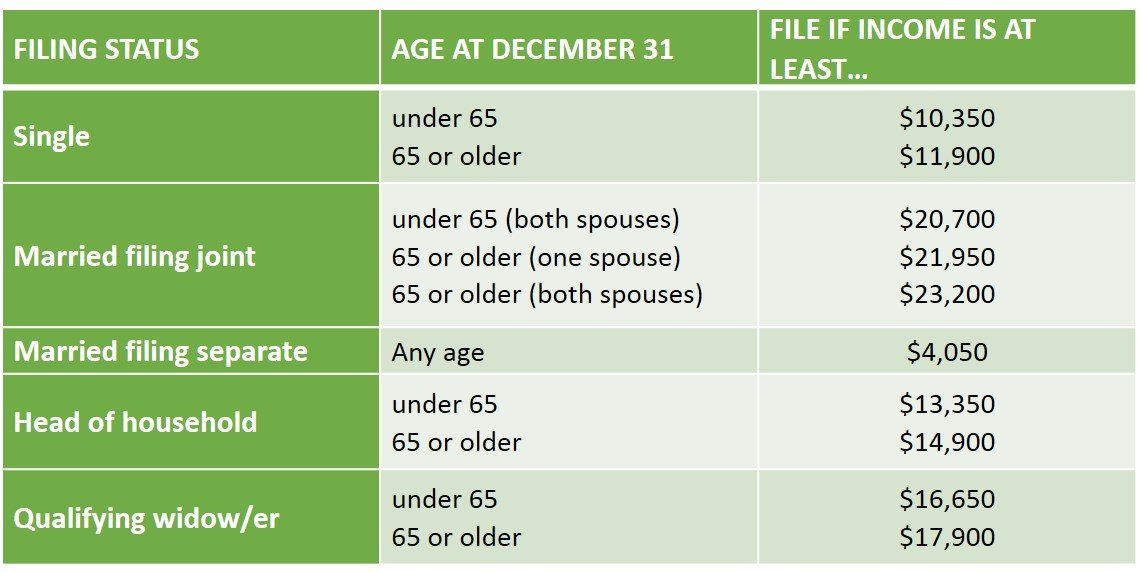
Deciding exactly when to hit the “submit” button involves a strategic analysis of your personal financial situation. There are distinct advantages to both filing as early as possible and utilizing the full duration of the tax season.
The Benefits of Filing Early
The most immediate benefit of early filing is the accelerated receipt of your tax refund. For many households, a tax refund is the largest single “windfall” of the year, providing capital for debt repayment or IRA contributions.
Perhaps more importantly, filing early is a powerful defense against identity theft. Tax identity theft occurs when a criminal uses your Social Security number to file a fraudulent return and claim a refund in your name. Since the IRS only accepts one return per Social Security number, filing early “locks” your account from fraudsters. If you file in January, you effectively close the window of opportunity for hackers.
When Waiting Makes Sense
Conversely, there are legitimate financial reasons to wait until closer to the April deadline. If you are a shareholder in a partnership or an S-corporation, you may be waiting for a Schedule K-1, which often arrives much later than other forms.
Additionally, if you realize you owe a significant amount of money to the IRS, filing early but paying late doesn’t always feel intuitive. However, you can file your return in February to confirm the amount owed and then schedule the electronic payment for April 15. This allows you to keep that money in a high-yield savings account for an extra two months, earning interest on capital that would otherwise be sitting with the government.
Utilizing the October Extension
If life circumstances or complex financial maneuvers prevent you from filing by April, you can request an automatic six-month extension, moving your filing deadline to October 15. It is a common misconception that an extension gives you more time to pay. It does not. You must estimate your tax liability and pay it by April 15 to avoid interest. The extension merely grants you more time to finalize the paperwork. This is particularly useful for high-net-worth individuals with diverse global assets.
Modern Financial Tools and Professional Guidance
As tax codes evolve, the “how” of filing becomes just as important as the “when.” The tools you choose can determine the accuracy of your filing and the optimization of your tax liability.
Tax Software vs. Professional CPAs
For many with a simple W-2 income, DIY tax software is a cost-effective and efficient way to file the moment the IRS opens its gates. These platforms use interview-style interfaces to ensure no credits are missed. However, as your financial life grows—incorporating rental properties, equity compensation (RSUs/Stock Options), or business ownership—the value of a Certified Public Accountant (CPA) increases. A professional can provide year-round tax planning, ensuring that you aren’t just filing on time, but filing with a strategy that minimizes your lifetime tax burden.
The Role of Financial Technology (FinTech)
We are currently in a golden age of financial technology. Apps that sync with your bank accounts can now flag “tax-deductible” transactions automatically. Some platforms even offer “tax-loss harvesting” throughout the year, which involves selling losing investments to offset gains. By the time the filing season arrives, these tools provide a seamless export of data, making the “when” of filing a matter of minutes rather than days of manual data entry.
Maximizing Tax Credits and Deductions
Timing your filing also involves a final check for eligible credits. Are you eligible for the Earned Income Tax Credit (EITC) or the Child Tax Credit? Have you maximized your contributions to a traditional IRA? Notably, you can contribute to an IRA up until the April filing deadline and have it count toward the previous tax year. This is one of the few instances where you can change your financial past to improve your tax future.
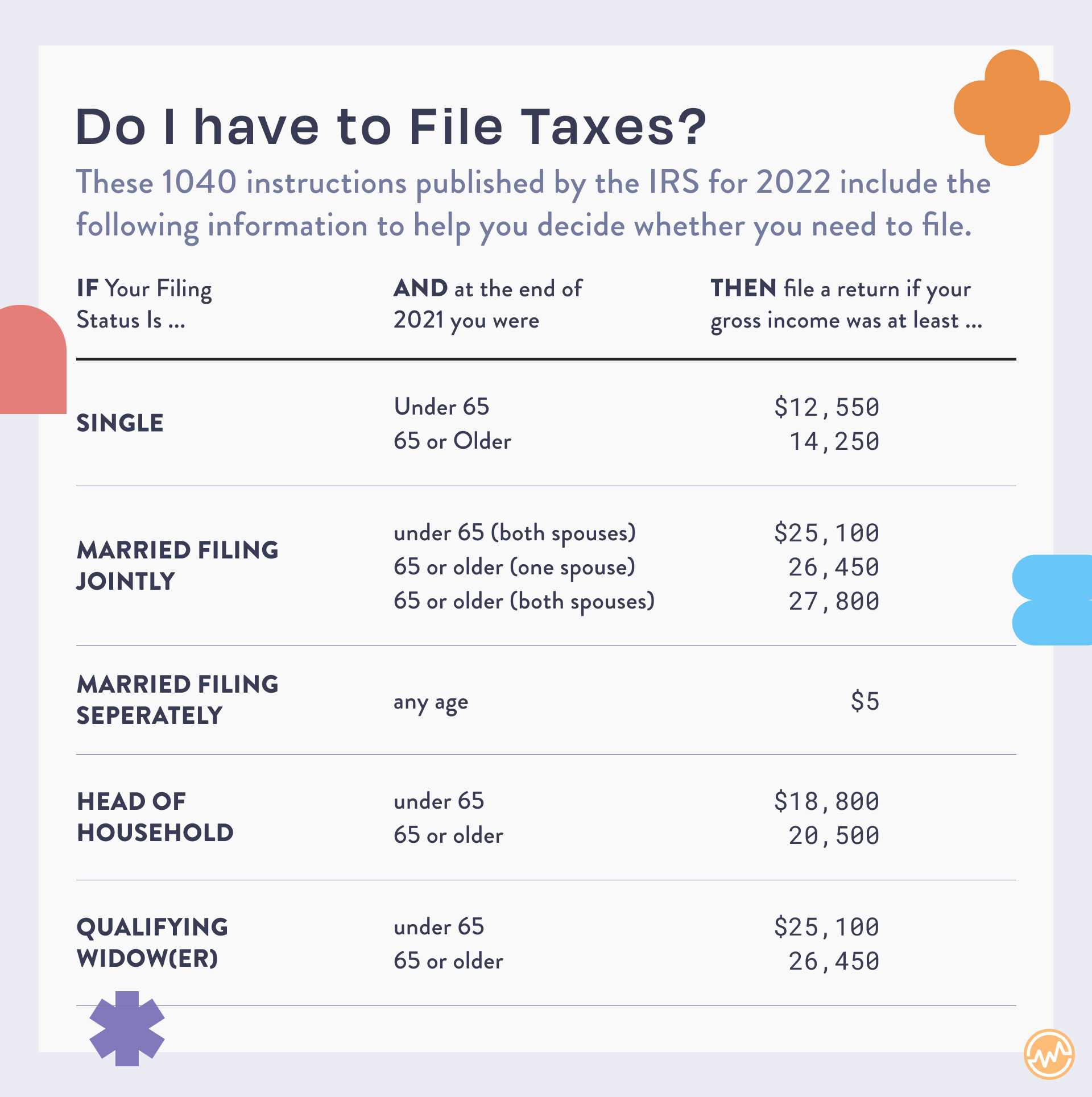
Conclusion: A Proactive Approach to Tax Season
“When can you file taxes” is a question with a technical answer (late January) and a strategic answer (whenever you have the most accurate and complete data). By viewing the tax calendar as a framework for financial discipline rather than a looming deadline, you can transform a stressful annual event into a structured review of your wealth-building progress.
Effective personal finance is about control. By gathering your documents early, understanding the nuances of the April and October deadlines, and utilizing modern financial tools, you position yourself to make the most of your income. Whether you are aiming for a swift refund or carefully managing a complex business transition, the key to success lies in preparation. Mark your calendars, organize your digital records, and approach the tax season with the confidence of a well-informed investor.
aViewFromTheCave is a participant in the Amazon Services LLC Associates Program, an affiliate advertising program designed to provide a means for sites to earn advertising fees by advertising and linking to Amazon.com. Amazon, the Amazon logo, AmazonSupply, and the AmazonSupply logo are trademarks of Amazon.com, Inc. or its affiliates. As an Amazon Associate we earn affiliate commissions from qualifying purchases.